To burn more calories on a stationary bike, you must move beyond simple, steady-state pedaling. The key is strategically manipulating workout intensity, resistance, and duration to keep your body challenged and your metabolism elevated. Incorporating High-Intensity Interval Training (HIIT), optimizing your bike fit for power, and understanding the afterburn effect (EPOC) are crucial. Consistency, proper nutrition, and recovery also play vital supporting roles in turning your stationary bike sessions into a potent calorie-torching machine.
Key Takeaways
- Intensity is King: High-Intensity Interval Training (HIIT) burns more calories per minute and triggers a significant afterburn effect (EPOC) compared to steady-state cardio.
- Resistance Builds Power: Increasing the bike’s resistance builds muscle, and more muscle mass increases your resting metabolic rate, helping you burn more calories 24/7.
- Form Fuels Efficiency: A proper bike fit and active upper body engagement allow you to generate more power, burn more fuel (calories), and prevent injury.
- Consistency Trumps Length: Shorter, more frequent, high-quality sessions are often more effective for sustainable calorie burn than one long, mediocre workout.
- Fuel & Recover Smartly: You cannot out-exercise a poor diet. Support your increased output with adequate protein and prioritize sleep and hydration for optimal metabolic function.
📑 Table of Contents
- Introduction: Why Your Stationary Bike Workout Might Be Falling Short
- The Science of Sweat: Understanding How Your Body Burns Calories
- Strategy 1: High-Intensity Interval Training (HIIT) – The Calorie-Crushing King
- Strategy 2: Resistance Training On The Bike – Build Muscle to Burn Fat
- Strategy 3: Perfect Your Form and Setup – Unlock Hidden Power
- Strategy 4: Smart Programming & Variety – Avoid The Adaptation Plateau
- The Supporting Pillars: Nutrition, Hydration, and Recovery
- Conclusion: Your Personalized Calorie-Burning Blueprint
Introduction: Why Your Stationary Bike Workout Might Be Falling Short
You’ve committed. You’ve set up the stationary bike in the corner of the living room, the garage, or the gym. You hop on, you pedal, you sweat, and you feel good about it. But months go by, and the scale doesn’t budge. You’re putting in the time, so why aren’t you seeing the calorie-burning results you expect? The answer often lies not in the fact that you’re using a stationary bike, but in how you’re using it.
The human body is an incredibly adaptive machine. If you repeatedly ask it to do the same thing—like pedaling at a comfortable, steady pace for 30 minutes—it quickly becomes efficient. Efficiency is great for endurance, but it’s the enemy of calorie burn. An efficient body uses fewer calories to perform the same task. To continuously burn more calories on a stationary bike, you must force your body to be inefficient. You must surprise it, challenge it, and break it out of its metabolic comfort zone.
This article is your complete blueprint for doing exactly that. We’re moving beyond the basic “pedal for 30 minutes” advice. We’ll dive into the physiological principles of calorie expenditure, unpack powerful training methodologies like HIIT and resistance training on the bike, and cover the often-overlooked supporting pillars of nutrition, recovery, and mindset. Whether you’re a beginner or a seasoned cyclist, these strategies will help you maximize every single minute on that saddle to burn more calories on a stationary bike and finally achieve your fitness goals.
The Science of Sweat: Understanding How Your Body Burns Calories
Before we talk about the “how,” we need to understand the “why.” Knowing the basic science helps you make smarter decisions during your workout. Your total calorie burn from a session, often called Total Energy Expenditure (TEE), is made up of a few key components.
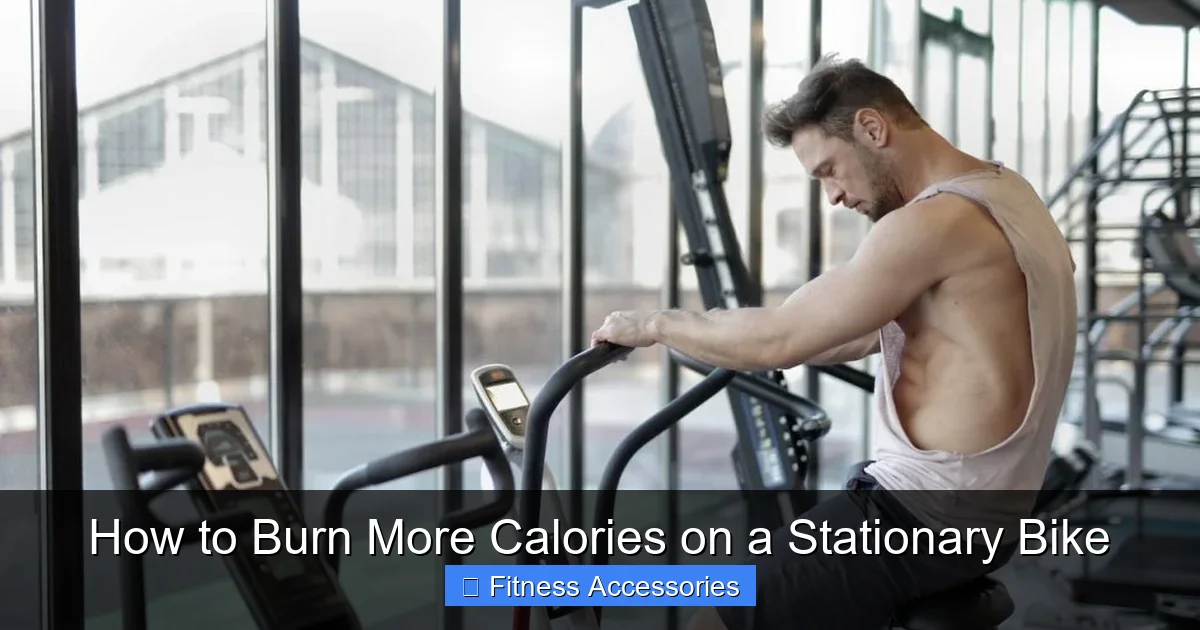
Visual guide about How to Burn More Calories on a Stationary Bike
Image source: sparklingmoods.com
The Components of Calorie Burn
- Active Calorie Burn: This is the obvious one—the calories you burn while you’re actually pedaling. It’s directly tied to your power output (a combination of resistance and speed), your body weight, and the duration of the workout.
- Excess Post-Exercise Oxygen Consumption (EPOC): This is the secret weapon. Often called the “afterburn effect,” EPOC is the additional calories your body burns in the hours (sometimes up to 24-48 hours) after a strenuous workout. Your body is working to restore oxygen levels, repair muscle tissue, and return to its resting state—all of which require energy. The more intense the workout, the greater the EPOC.
- Non-Exercise Activity Thermogenesis (NEAT): This is the energy you use for everything else: walking, fidgeting, standing. While not directly from your bike session, a great workout can influence NEAT by boosting your overall daily energy.
- Basal Metabolic Rate (BMR): The calories your body burns at complete rest. This is largely determined by your lean muscle mass. Building muscle through resistance training on the bike can increase your BMR, meaning you burn more calories even when you’re not exercising.
The goal is to maximize all these components, but we have the most direct control over active burn and EPOC through our workout design. That’s where the next sections come in.
Strategy 1: High-Intensity Interval Training (HIIT) – The Calorie-Crushing King
If you only implement one strategy from this guide, make it HIIT. It is, by far, the most time-efficient and effective method to burn more calories on a stationary bike. The concept is simple: alternate short bursts of near-maximum effort with periods of low-intensity recovery or complete rest.
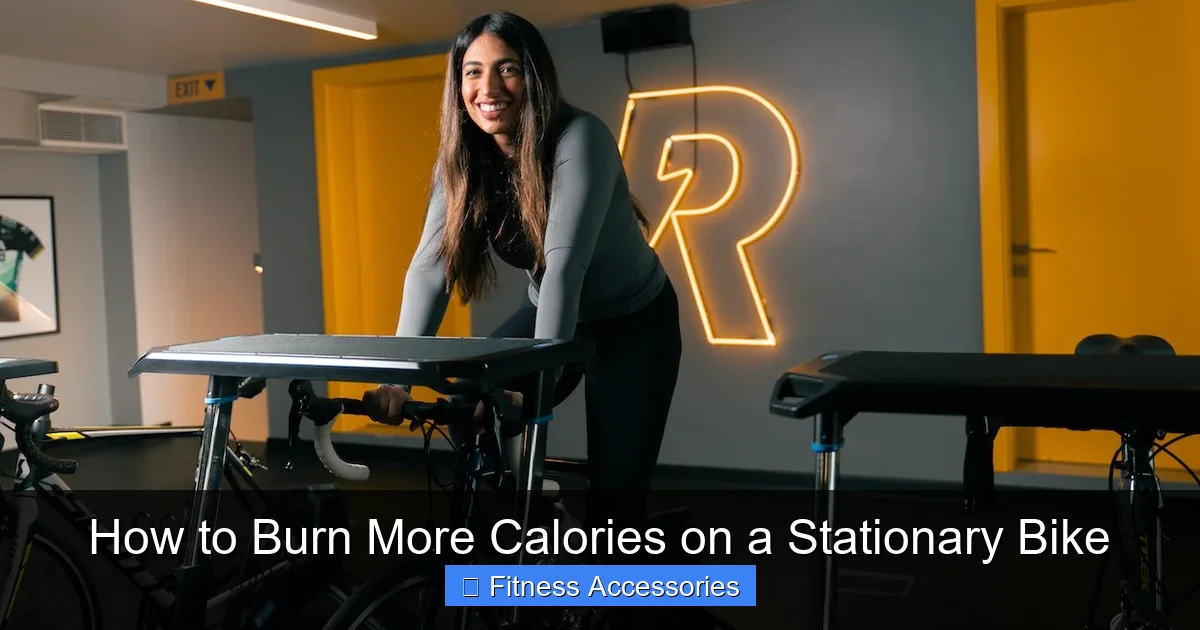
Visual guide about How to Burn More Calories on a Stationary Bike
Image source: sparklingmoods.com
How to Structure a HIIT Session on the Stationary Bike
The beauty of HIIT is its flexibility. A classic and effective protocol is the “Tabata” style: 20 seconds of all-out effort followed by 10 seconds of rest, repeated 8 times for a brutal 4-minute block. You can do multiple blocks with rest in between. However, you can customize it. Here’s a perfect starter template:
- Warm-up (5 minutes): Easy to moderate pace with no or very light resistance. Get the blood flowing.
- Work Interval (30-60 seconds): Push your pace to a level where you can barely speak (a 8-9 on a scale of 1-10). Increase resistance to a challenging but sustainable level for the interval.
- Recovery Interval (60-90 seconds): Drop the resistance significantly and pedal slowly. Your heart rate will drop, but you should not fully recover before the next interval.
- Repeat: Aim for 6-10 work/recovery cycles.
- Cool-down (5 minutes): Easy spinning with no resistance to bring your heart rate down gradually.
Practical Example: Set your timer for 45-second work intervals and 75-second recovery intervals. For the work intervals, set the resistance to a level 6 or 7 out of 10 and pedal as fast as you safely can. For recovery, drop to level 2 and pedal slowly. Complete 8 rounds. This entire session, including warm-up and cool-down, will take about 25 minutes and will torch calories for hours afterward.
Why HIIT Works So Well
HIIT creates a massive metabolic disturbance. Your body’s systems are pushed to their limit, creating a large oxygen deficit. The EPOC from a proper HIIT session can be significantly higher than from a 45-minute steady-state jog. You’re not just burning calories during the workout; you’re programming your body to burn more calories for the rest of the day.
Strategy 2: Resistance Training On The Bike – Build Muscle to Burn Fat
Many people on stationary bikes treat them like cardio machines only, keeping the resistance knob on “1” or “2” while spinning their legs like a cartoon character. To truly burn more calories on a stationary bike, you need to embrace its resistance capabilities. This turns your cardio session into a concurrent strength and endurance workout.

Visual guide about How to Burn More Calories on a Stationary Bike
Image source: sparklingmoods.com
How Resistance Increases Caloric Burn
Pushing against a higher resistance requires exponentially more force from your leg muscles—quadriceps, hamstrings, glutes, and calves. This has a two-fold benefit:
- Immediate Burn: It takes far more energy (calories) to produce the force needed to turn a heavy pedal at a moderate speed than to spin a light pedal very fast.
- Long-Term Burn: This mechanical stress on the muscles is the primary stimulus for muscle growth (hypertrophy). As you build even a small amount of additional lean muscle mass, your Basal Metabolic Rate (BMR) increases. Your body will burn more calories 24/7 just to maintain that new muscle.
Practical Resistance-Based Workouts
- The “Pyramid” Climb: Start with a moderate resistance (level 5). Every 2 minutes, increase the resistance by one level while maintaining the same cadence (RPM). Go until you can no longer hold the cadence (usually level 8-10), then work your way back down. This builds muscular endurance and strength.
- Strength Intervals: Combine the power of HIIT with resistance. Instead of just sprinting fast, do your high-intensity intervals at a high resistance. For example: 60 seconds at a resistance of 7-8 with a cadence of 60-70 RPM, followed by 2 minutes of easy recovery at resistance 3. This is brutally effective for building power and calorie burn.
- Seated vs. Standing: Don’t be afraid to stand up out of the saddle! Standing allows you to use your body weight to help push down, enabling you to handle even higher resistance. It engages your core and glutes more. Alternate 1-2 minutes seated climbing with 30-60 seconds of standing climbing for a dynamic, full-leg workout.
Strategy 3: Perfect Your Form and Setup – Unlock Hidden Power
You could have the perfect interval plan and the highest resistance setting, but if your bike isn’t fitted to your body, you’re leaving calories on the table—and risking injury. Proper form ensures all your effort translates into forward motion (or pedal rotation) and calorie expenditure, not wasted energy or pain.
The Essential Stationary Bike Fit Checklist
- Saddle Height: The #1 mistake. With the pedal at its lowest point, your knee should have a slight bend (about 25-30 degrees). A leg that is fully locked or excessively bent is inefficient and hard on the joints.
- Saddle Position (Forward/Back): When the pedals are horizontal, a plumb line from your knee cap should fall directly over the pedal axle. This ensures your knee is tracking correctly over your foot.
- Handlebar Height: For a more upright, comfortable position (good for beginners or those with back issues), keep them higher. For a more aggressive, powerful position (good for performance), lower them. The key is no rounding or straining in the back.
- Foot Position: The ball of your foot should be centered on the pedal. Your foot should be flat, not pointing down. Clipless pedals are ideal for efficiency, but a good strap on a cage pedal works too.
Engage Your Upper Body
Don’t just be a pair of legs! Actively engage your core by gently bracing your abs. Lightly rest your hands on the handlebars, but don’t grip them white-knuckled. On climbs or during hard efforts, use your arms and back to pull and push, creating a full-body press against the bike. This stabilizes you, allows for more power transfer from your legs, and recruits additional muscle groups, increasing your overall calorie burn.
Strategy 4: Smart Programming & Variety – Avoid The Adaptation Plateau
Your brain and body love routine. But for calorie burn, routine is a plateau. You must constantly vary your stimulus. This doesn’t mean randomly changing things; it means following a planned, progressive overload.
Sample Weekly Programming
Here’s an example of a varied week on the stationary bike to maximize calorie burn:
- Monday: HIIT Day. 25-minute Tabata-style session as described above.
- Tuesday: Strength & Endurance Day. 45-minute “Pyramid” climb workout with moderate-high resistance, focusing on cadence control.
- Wednesday: Active Recovery or Rest. 20-30 minutes of very easy spinning (resistance 1-2) or a complete rest day. Recovery is when your body adapts and gets stronger.
- Thursday: Mixed Interval Day. A longer session (40 mins) with varied intervals: e.g., 2 min hard (resistance 6), 2 min easy; 1 min very hard (resistance 8), 1 min easy; repeat.
- Friday: HIIT Day (different from Monday). Try 30/60 intervals: 30 seconds MAX effort, 60 seconds recovery, for 10-12 rounds.
- Saturday: Long, Steady-State (LSS) Day. 60 minutes at a comfortable, conversational pace (resistance 3-4). This builds aerobic base and mitochondrial density, which supports your harder days. Don’t neglect this!
- Sunday: Rest.
Progressive Overload: Each week, try to add a small challenge. Maybe it’s one more interval, 5 more seconds of work time, one level higher resistance on your last interval, or simply holding a slightly higher average heart rate. This constant, slight increase in demand forces continual adaptation and calorie burn.
The Supporting Pillars: Nutrition, Hydration, and Recovery
You can have the best bike workout in the world, but without these supporting pillars, your calorie-burning potential will be severely limited. They are not optional extras; they are part of the system.
Nutrition: You Cannot Out-Exercise a Poor Diet
Exercise creates the demand for change (muscle repair, fat loss), but nutrition provides the materials. To support increased calorie burn and muscle building:
- Prioritize Protein: Aim for 0.7-1 gram of protein per pound of body weight daily. Protein is essential for muscle repair and synthesis, which protects the metabolic rate-boosting muscle you’re building on the bike.
- Eat to Fuel, Not to Reward: Don’t use a hard workout as an excuse for a giant calorie-dense “reward” meal. A 500-calorie burn can be erased in minutes with a fancy coffee and a pastry. Fuel your workouts with balanced meals (carbs for energy, protein for repair, fats for health).
- Mind Your Timing: Eat a small, carb-rich snack 60-90 minutes before a hard session. Have a protein + carb meal or snack within 60 minutes after to kickstart recovery.
Hydration: The Metabolic Lubricant
Even mild dehydration (1-2% of body weight) impairs performance, reduces perceived exertion (making workouts feel harder), and can slow your metabolism. Drink water consistently throughout the day. For sessions longer than 60 minutes, consider an electrolyte drink to replace salts lost in sweat.
Recovery: Where the Magic Happens
Your body burns the most fat and repairs muscle not during the workout, but during rest, especially sleep.
- Sleep (7-9 hours): Poor sleep disrupts hunger hormones (increasing cravings) and lowers metabolic rate. It’s non-negotiable for recovery and optimal calorie burn.
- Manage Stress: Chronic stress elevates cortisol, a hormone that can promote fat storage (especially abdominal) and muscle breakdown. Incorporate stress-reducing activities like walking, meditation, or reading.
- Listen to Your Body: Overtraining—doing too much, too hard, too often—leads to burnout, injury, and a plummet in metabolic rate. The scheduled rest days and lighter weeks in your programming are critical.
Conclusion: Your Personalized Calorie-Burning Blueprint
Learning to burn more calories on a stationary bike is a journey of working smarter, not just longer. It’s about understanding that your body is a dynamic system that responds to challenge, variety, and proper support. Start by auditing your current routine. Are you stuck in a steady-state rut? Are you afraid of the resistance knob? Is your bike fit causing you to leak power?
Implement these strategies one by one. Master a proper HIIT session. Learn to love the burn of a high-resistance climb. Dial in your bike fit. Then, layer on the supporting pillars of smart nutrition, relentless hydration, and dedicated recovery. The stationary bike is one of the most potent and accessible tools for transforming your body and health. Used with intelligence and intensity, it doesn’t just help you burn calories for an hour—it helps you build a faster, stronger, more metabolically active body that burns calories all day long. Now, go clip in and get to work.
Frequently Asked Questions
How long should I cycle on a stationary bike to burn the most calories?
For maximum calorie burn in the least time, focus on 20-30 minute High-Intensity Interval Training (HIIT) sessions. These create a greater metabolic disturbance and afterburn effect than longer, steady-state rides. However, longer (45-60 min) moderate rides are excellent for building aerobic endurance and burning a high total number of calories during the session itself. The best approach combines both types throughout your week.
Is it better to cycle fast or with high resistance to burn calories?
The most effective strategy combines both. High resistance at a moderate cadence (60-80 RPM) builds muscle and burns a high number of calories per minute by requiring significant force. High speed with low resistance burns calories but is less efficient for building metabolic-boosting muscle. For the highest burn, use intervals: pedal against heavy resistance for power, and use lighter resistance for active recovery.
Can I lose belly fat by using a stationary bike?
Yes, a stationary bike is an excellent tool for creating the calorie deficit needed for overall fat loss, which includes belly fat. However, you cannot “spot-reduce” fat from a specific area. As you consistently burn more calories than you consume through a combination of HIIT, resistance training, and proper nutrition, your body will reduce fat stores all over, including your midsection. Building core-engaging muscle on the bike also helps tone the area as fat reduces.
What is the best RPM (cadence) for burning calories on a stationary bike?
There is no single “best” RPM. For calorie burn, vary your cadence. Use a high cadence (90+ RPM) with light resistance for warm-ups, cool-downs, and recovery intervals. For your primary work intervals, aim for a moderate, powerful cadence of 60-80 RPM against higher resistance. This cadence allows you to apply more force per pedal stroke, building strength and maximizing calorie expenditure per minute.
How often should I use a stationary bike to see results?
For noticeable results in fitness and body composition, aim for 3-5 sessions per week. This frequency allows for adequate stimulus (calorie burn) and essential recovery. Your weekly plan should include a mix of hard days (HIIT/strength), moderate days (steady-state), and easy/rest days. Consistency over months is far more important than the intensity of a single week.
Does leaning on the handlebars burn more or fewer calories?
Leaning heavily on the handlebars burns FEWER calories and is poor form. It removes weight and work from your legs, transfers stress to your shoulders and wrists, and reduces power output. To burn more calories, you should support your upper body weight with your core and legs. Keep a light, active grip on the bars, and practice engaging your core to stabilize yourself, especially during climbs and hard efforts.