Does Apple Have Protein The Surprising Truth Inside
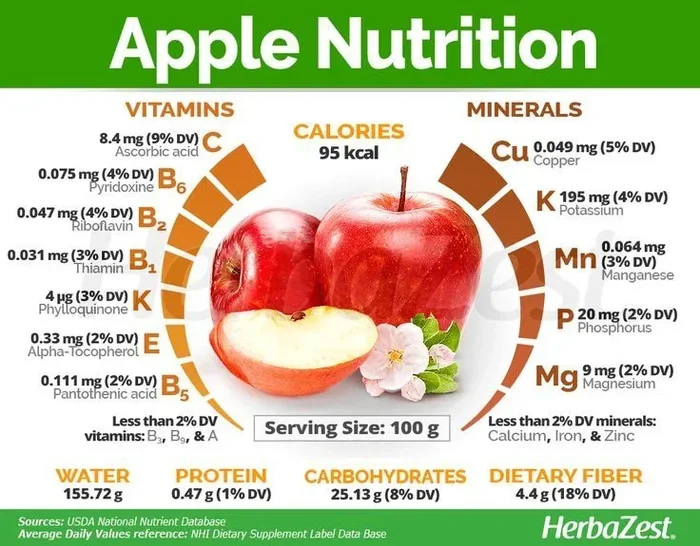
So, does apple have protein? Yes, but only a small amount. A medium apple contains about 0.5 grams of protein, which is far from enough to meet your daily needs. However, apples are packed with fiber, vitamins, and antioxidants that make them a fantastic part of any healthy diet.
You probably grab an apple every day without thinking twice. Maybe it is your go-to snack between meals. Or maybe you toss one in your bag before heading out for a treadmill walk or a morning jog. But here is a question that might surprise you: does apple have protein?
The short answer is yes. But the long answer is much more interesting. Apples are not known as a protein powerhouse. In fact, the protein content in an apple is quite low. Yet this humble fruit delivers so much more than most people realize. Let us dig into the real nutritional story of apples and find out why they deserve a spot in your daily diet.
Key Takeaways
- Apples do contain protein: About 0.5 grams per medium apple, but it is not enough to be a significant source.
- Apples shine in other nutrients: They are rich in fiber, vitamin C, potassium, and powerful antioxidants.
- Pair apples with protein-rich foods: Combine them with nuts, yogurt, or peanut butter to create a balanced snack.
- Apples support fitness goals: They make a great pre or post workout snack when paired with the right protein sources.
- Different apple varieties have similar protein levels: Granny Smith, Fuji, Gala, and Honeycrisp all contain roughly the same amount.
- Eating apples daily has proven health benefits: From heart health to gut health, apples offer much more than just protein.
📑 Table of Contents
- So, Does Apple Have Protein?
- What Makes Apples So Nutritious Besides Protein?
- Can Apples Help You Meet Your Daily Protein Goals?
- How Apples Compare to Other Fruits for Protein
- How to Boost the Protein in Your Apple Snack
- Apple Varieties and Their Protein Content
- Common Myths About Apple Nutrition
- Final Thoughts: The Surprising Truth About Apples and Protein
So, Does Apple Have Protein?
When most people think of protein, they picture meat, eggs, or beans. Fruit rarely comes to mind. But the truth is, almost every whole food contains some protein. Apples are no exception. A medium-sized apple, about 182 grams, contains roughly 0.5 grams of protein. That is a tiny amount compared to what your body needs each day.
So why do apples even have protein at all? Like all fruits, apples are made up of cells that contain amino acids. These amino acids are the building blocks of protein. Your body uses them in small ways to support basic cellular functions. But you would need to eat a lot of apples to get any meaningful amount of protein from them.
How Much Protein Is Actually in an Apple?
Let us break this down clearly. Here is what the protein content looks like across different apple sizes:
- Small apple (150g): About 0.3 grams of protein
- Medium apple (182g): About 0.5 grams of protein
- Large apple (223g): About 0.6 grams of protein
For comparison, the average adult needs about 46 to 56 grams of protein per day. So one apple gives you less than 1% of your daily protein needs. That is not a bad thing. It just means apples should not be your main protein source.
But here is where it gets exciting. Apples bring so much more to the table. They are loaded with fiber, vitamins, and antioxidants that support your overall health in ways protein alone cannot. Think of apples as a supporting player that makes the whole nutrition team stronger.
What Makes Apples So Nutritious Besides Protein?
If protein is not the star of the show, what is? The answer lies in the wide range of nutrients packed inside every apple. Let us explore what makes this fruit such a nutritional champion.
Fiber: The Real MVP of Apple Nutrition
A medium apple contains about 4.4 grams of fiber. That is roughly 16% of your daily recommended intake. Fiber is essential for digestive health, blood sugar control, and keeping you feeling full longer. There are two types of fiber in apples: soluble and insoluble. Both play important roles in keeping your gut healthy and your digestion running smoothly.
The soluble fiber in apples, called pectin, has been linked to lower cholesterol levels and improved heart health. This is one reason why the saying “an apple a day keeps the doctor away” has real science behind it.
Vitamins and Minerals in Apples
Apples are a good source of several key vitamins and minerals:
- Vitamin C: Supports immune function and skin health. One medium apple provides about 8% of your daily value.
- Potassium: Helps regulate blood pressure and fluid balance. Apples contain more potassium than you might expect.
- Vitamin K: Plays a role in blood clotting and bone health.
- B Vitamins: Small amounts of B6 and riboflavin help with energy metabolism.
Antioxidants That Pack a Powerful Punch
Apples are rich in polyphenols, a type of antioxidant that fights oxidative stress in your body. These compounds have been linked to reduced risk of heart disease, certain cancers, and even neurodegenerative diseases. Most of these antioxidants are found in the skin, so eat the whole apple for maximum benefit.
Some of the key antioxidants in apples include quercetin, catechin, and chlorogenic acid. Each one offers unique health benefits that go far beyond what protein alone can provide.
Can Apples Help You Meet Your Daily Protein Goals?
Here is the honest truth. You cannot rely on apples to meet your protein needs. If you are trying to build muscle or recover from a tough workout, an apple alone will not cut it. But that does not mean apples have no place in your protein-rich diet. They play a different but equally important role.
Apples as a Pre Workout Snack
Eating an apple before exercise gives you quick natural energy from its carbohydrate content. The small amount of protein, combined with the fiber, helps sustain that energy over time. If you are heading out for a kettlebell session or a run, an apple paired with a handful of nuts makes a balanced pre workout fuel.
Apples as a Post Workout Recovery Food
After exercise, your body needs protein to repair muscles. An apple by itself will not provide enough. But here is a simple trick: slice an apple and pair it with Greek yogurt or a spoonful of peanut butter. This combination gives you the carbohydrates for recovery and the protein your muscles crave. It is easy, portable, and delicious.
How Apples Compare to Other Fruits for Protein
Apples are not alone in the low-protein fruit club. Most fruits have very little protein. Here is how apples stack up against some popular fruits:
- Banana: About 1.3 grams of protein per medium fruit
- Avocado: About 3 grams of protein per half fruit
- Guava: About 4.2 grams of protein per cup
- Blackberries: About 2 grams of protein per cup
- Apple: About 0.5 grams of protein per medium fruit
As you can see, apples are on the lower end. But they still offer unique benefits that other fruits do not. The high fiber content, the specific antioxidant profile, and the convenience factor all make apples stand out. Plus, their mild sweetness and crisp texture make them easy to eat every single day.
If you want to boost your fruit protein intake, avocados and guavas are your best bets. But for everyday snacking and general health, apples remain one of the most practical and nutritious choices available.
How to Boost the Protein in Your Apple Snack
Since apples alone do not provide much protein, the smart move is to pair them with protein-rich foods. Here are some easy and tasty combinations that turn a simple apple into a balanced snack:
- Apple slices with almond butter: Adds about 7 grams of protein per tablespoon. Also gives you healthy fats that keep you satisfied.
- Apple chunks with Greek yogurt: Greek yogurt packs around 10 grams of protein per cup. Mix in some granola for crunch.
- Apple wedges with cheese: A slice of cheddar or Swiss adds about 7 grams of protein. A classic combo that works every time.
- Sliced apple with walnuts: Walnuts add protein and omega-3 fatty acids. Great for brain health too.
- Apple and protein smoothie: Blend an apple with protein powder, spinach, and milk for a protein-packed drink.
These pairings work especially well if you are active and tracking your fitness metrics. Whether you use a treadmill, elliptical, or just go for a walk, fueling your body properly matters. An apple with protein-rich toppings gives you the best of both worlds.
Apple Varieties and Their Protein Content
There are over 7,500 apple varieties grown around the world. Do they differ in protein content? Not really. The protein levels are very similar across all common varieties. Whether you prefer Granny Smith, Fuji, Gala, Honeycrisp, or Red Delicious, you will get roughly the same 0.5 grams of protein per medium apple.
What does differ between varieties is the sugar content, acidity, and texture. Granny Smith apples are tarter and lower in sugar. Fuji apples are sweeter and crisper. Honeycrisp apples balance sweetness with a satisfying crunch. But from a protein perspective, they are all in the same ballpark.
Choose the variety you enjoy most. The best apple is the one you will actually eat every day. Consistency matters more than picking the “perfect” variety for protein.
Common Myths About Apple Nutrition
There are a few myths floating around about apples and their nutritional value. Let us clear them up.
Myth 1: Apples are mostly water with no real nutrition. False. While apples are about 85% water, they contain meaningful amounts of fiber, vitamins, and antioxidants. They are far from nutritionally empty.
Myth 2: Apples have no protein at all. False. As we have covered, apples do contain protein, just a small amount. Every whole food has some protein.
Myth 3: Apple juice is just as nutritious as whole apples. False. Juicing removes most of the fiber and reduces the antioxidant content. Always choose whole apples over juice whenever possible.
Myth 4: You need to eat the skin to get any benefits. Partially true. Most antioxidants and fiber are in the skin, but the flesh still provides vitamins and natural sugars. Eating the whole apple is best, but the flesh alone still offers value.
Final Thoughts: The Surprising Truth About Apples and Protein
So, does apple have protein? Yes, it does. About half a gram per medium fruit. But that is not the real story. The surprising truth is that apples are so much more than a protein source. They are a complete nutrition package that supports your heart, your gut, your immune system, and your overall well-being.
Next time you bite into a crisp apple, know that you are doing something good for your body. Yes, the protein is minimal. But the fiber, vitamins, antioxidants, and hydration benefits are real and powerful. Pair your apple with a protein-rich food, and you have a snack that fuels both your health and your fitness goals.
Whether you eat apples before a run or elliptical session, or simply enjoy one as an afternoon pick-me-up, this fruit proves that good nutrition does not have to be complicated. Keep it simple. Keep it fresh. And keep reaching for that apple.
Frequently Asked Questions
Does an apple have any protein at all?
Yes, a medium apple contains about 0.5 grams of protein. While this is a small amount, every whole food contributes some protein to your diet. Apples are not a significant protein source, but they do provide this macronutrient in trace amounts.
How much protein do I need daily?
The recommended daily protein intake is about 46 grams for women and 56 grams for men. This varies based on your age, activity level, and fitness goals. To put it in perspective, you would need to eat about 90 apples to meet just 10% of your daily protein needs.
Is an apple a good pre workout snack?
Absolutely. Apples provide quick-digesting carbohydrates that give you energy for exercise. The natural sugars fuel your workout, while the fiber keeps your blood sugar stable. Pair an apple with a protein source like nut butter for the best pre workout fuel.
Which fruit has the most protein?
Guava leads the pack with about 4.2 grams of protein per cup. Avocados and blackberries are also relatively high in protein compared to most fruits. Apples, while low in protein, offer other nutritional benefits that make them a daily staple for many people.
Should I eat the apple skin for nutrition?
Yes, the skin contains most of the fiber and a large portion of the antioxidants in apples. Washing the apple thoroughly is important, but keeping the skin on maximizes the nutritional benefits. The flesh still provides vitamins and natural sugars even without the skin.
Can apples help with muscle recovery after exercise?
Apples alone cannot drive muscle recovery because they lack sufficient protein. However, when paired with protein-rich foods like Greek yogurt or nut butter, they become a great recovery snack. The carbohydrates in apples help replenish glycogen stores while the added protein supports muscle repair.