Salmon Grill Temperature Chart For Perfectly Grilled
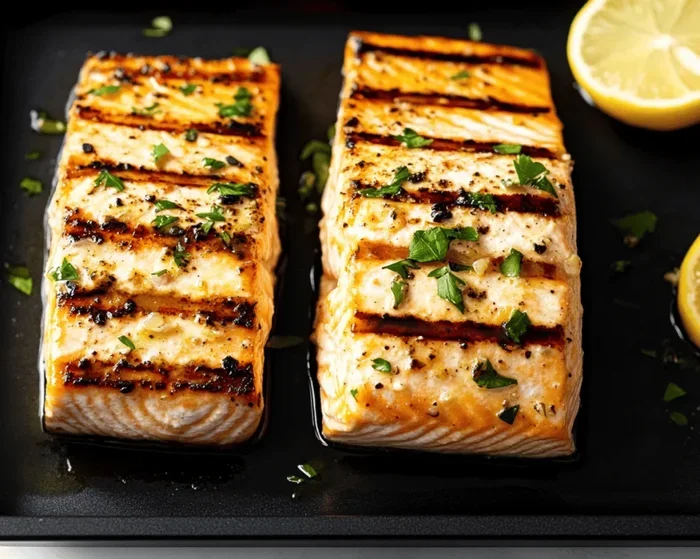
Grilling salmon to the right temperature makes all the difference between dry, overcooked fish and a juicy, flavorful masterpiece. Our salmon grill temperature chart gives you exact temps and times for every grill type. Whether you use gas, charcoal, or a cedar plank, this guide has everything you need to grill salmon perfectly.
Grilling salmon is one of the simplest and most rewarding ways to cook this healthy, delicious fish. But here is the thing. Many people struggle with getting it just right. One moment your salmon is perfect, and the next it is dry and overcooked. That is where a salmon grill temperature chart becomes your best friend in the kitchen.
Whether you are a beginner or a seasoned griller, knowing the right grilled salmon internal temp and timing can change everything. This guide walks you through everything you need to know. We will cover temperatures, times, techniques, and common mistakes. By the end, you will grill salmon like a pro every single time.
The beauty of grilling salmon is that it does not need a lot. Good fish, a hot grill, and a little patience. With the right salmon grilling time and temperature, you get a beautiful, flaky fillet with crispy skin every time. Let us dive in.
Key Takeaways
- Target Internal Temp: The best temperature for salmon is 125°F for medium-rare and 145°F for well-done, per USDA guidelines.
- Grill Time Varies: Salmon typically grills for 4-6 minutes per side, depending on thickness and heat level.
- Use a Grill Thermometer: A reliable grill thermometer takes the guesswork out of cooking salmon to perfection.
- Skin-Side Down First: Always start salmon skin-side down to get crispy skin and prevent sticking.
- Rest Your Salmon: Let grilled salmon rest for 3-5 minutes before serving to lock in juices.
- Thickness Matters: Adjust cooking time based on salmon fillet thickness for the best results.
- Avoid Overcooking: The salmon flake test is the easiest way to check doneness without cutting into the fish.
📑 Table of Contents
Why Temperature Matters When Grilling Salmon
Temperature is the single most important factor when grilling salmon. Too much heat and the fish dries out. Too little and it falls apart on the grill. Understanding how heat affects salmon helps you cook it with confidence every time.
Salmon is a delicate fish. It has a higher fat content than most other fish, which makes it forgiving but also tricky. The fat renders at specific temperatures, and that is what gives grilled salmon its buttery, melt-in-your-mouth texture. If you exceed the ideal range, you lose that moisture and end up with a dry piece of fish.
The Science Behind Grilling Salmon
When you apply heat to salmon, the proteins begin to denature. This means they tighten and squeeze out moisture. The key is to cook the salmon just enough to set the proteins without squeezing out too much juice. This is why internal temperature matters so much.
At around 110°F, the salmon is still raw. At 125°F, it reaches a beautiful medium-rare stage. At 145°F, it is fully cooked through. Each stage gives you a different texture and flavor profile. A grill thermometer is the best tool to track this precisely.
What Is the Best Temperature for Salmon?
The best temperature for salmon depends on your preference. Here is a quick breakdown:
- 120-125°F: Medium-rare. The center is still slightly translucent. This is the favorite for many salmon lovers because of the juicy, tender texture.
- 130-135°F: Medium. The salmon is mostly opaque with a slight pink center. A great balance of moisture and doneness.
- 145°F: Well-done. The fish is fully opaque and flakes easily. This is the USDA recommended safe temperature.
Most grilling experts recommend pulling salmon off the grill at 125°F to 130°F because carryover cooking will raise the temperature another 5 degrees while it rests.
The Ultimate Salmon Grill Temperature Chart
A salmon grill temperature chart takes all the guesswork out of grilling. It gives you a clear roadmap for cooking salmon perfectly every time. Below is a comprehensive chart based on different grill types and fillet thicknesses.
Salmon Grill Temperature Chart by Thickness
Fillet thickness is the biggest variable when grilling salmon. Here is a detailed chart to guide you:
- 1/2 inch thick: Grill at 400°F for 3-4 minutes per side. Total cook time: 6-8 minutes.
- 3/4 inch thick: Grill at 400°F for 4-5 minutes per side. Total cook time: 8-10 minutes.
- 1 inch thick: Grill at 400°F for 5-6 minutes per side. Total cook time: 10-12 minutes.
- 1.5 inch thick: Grill at 375°F for 6-7 minutes per side. Total cook time: 12-14 minutes.
These times assume direct grilling over medium-high heat. Always use a grill thermometer to check the internal temperature. The chart above is a starting point, but your thermometer is the real guide.
Grilled Salmon Internal Temp Guide
Here is a quick reference for internal temperatures and what they mean:
- 110°F: Raw. The center is completely translucent.
- 120°F: Rare. Slightly translucent center with a raw feel.
- 125°F: Medium-rare. Translucent center, fully cooked edges. This is the sweet spot for many chefs.
- 135°F: Medium. Opaque throughout with a slight pink tint in the center.
- 145°F: Well-done. Fully opaque and flakes easily with a fork.
Remember, pull the salmon off the grill 5 degrees before your target temp. Carryover cooking will bring it up to the perfect level while it rests.
How to Read and Use the Chart
Having a chart is great. But knowing how to use it correctly makes all the difference. Let us walk through the process step by step.
Step 1: Check Your Fillet Thickness
Before you light the grill, measure the thickest part of your salmon fillet grill piece. Use a ruler or your finger as a guide. This determines your cooking time. A thicker fillet needs more time and lower heat to cook evenly without burning the outside.
Step 2: Preheat Your Grill
Preheat your grill to the right temperature before placing the salmon on. For most grilled salmon recipes, 375°F to 400°F is the sweet spot. A hot grill creates beautiful salmon grill marks and prevents sticking. Let the grates heat up for at least 10-15 minutes.
Step 3: Place Salmon Skin-Side Down
Always start with the skin side down. The skin acts as a protective layer and holds the fillet together. It also gets crispy and delicious. Place the salmon away from direct flames if you are using a charcoal grill, or on a cooler zone if you are using gas.
Step 4: Monitor the Temperature
Use an instant-read grill thermometer inserted into the thickest part of the fillet. Check the temperature frequently as the salmon nears your target. Do not leave the salmon unattended. Grilling happens fast, especially with thinner fillets.
Step 5: Rest Before Serving
Once the salmon reaches your target temp, remove it from the grill and let it rest for 3-5 minutes. This allows the juices to redistribute throughout the fillet. Cutting into it immediately will cause the juices to run out, leaving you with dry salmon.
Grilling Salmon on Different Grill Types
Not all grills are the same, and each type requires slight adjustments. Here is how to adapt your salmon grill temperature chart for different setups.
Gas Grill Salmon
A gas grill gives you precise temperature control, which makes it ideal for grilling salmon. Set one side to high heat and the other to medium. This creates a two-zone setup. Sear the salmon over high heat for 2-3 minutes, then move it to the cooler side to finish cooking gently.
The advantage of a gas grill is that you can adjust the flame instantly. If the salmon is cooking too fast, turn down the heat. This level of control helps you hit the perfect salmon cooking temperature without any guesswork.
Charcoal Grill Salmon
Charcoal grills add a wonderful smoky flavor to salmon, but they require more attention. Light your charcoal and let it ash over before cooking. Spread the coals to one side for indirect heat. Place the salmon over the cooler side and close the lid.
For charcoal grill salmon, aim for a grill temperature of 350°F to 375°F. The indirect heat method prevents the fish from burning while giving it that delicious smoky flavor. Keep the lid closed as much as possible to maintain consistent heat.
Cedar Plank Salmon
Cedar plank grilling is a fantastic method for salmon. Soak the plank in water for at least one hour before use. This prevents it from catching fire. Place the plank directly on the grill grates and let it heat up for a few minutes.
The cedar infuses the salmon with a subtle, woodsy flavor that pairs beautifully with the fish. Grill at 350°F to 375°F with the lid closed. A cedar plank salmon typically takes 15-20 minutes depending on thickness. This method is forgiving and hard to mess up.
Common Mistakes to Avoid When Grilling Salmon
Even experienced grillers make mistakes with salmon. Here are the most common ones and how to avoid them.
Not Letting the Salmon Come to Room Temperature
Cold salmon placed directly on a hot grill cooks unevenly. The outside overcooks while the inside stays raw. Take your salmon out of the fridge 15-20 minutes before grilling. This small step makes a big difference in even cooking.
Moving the Salmon Too Much
Resist the urge to flip or move the salmon constantly. Let it sit on the grill undisturbed for at least 4-5 minutes. This allows the skin to crisp up and the fish to release naturally from the grates. If it sticks, it is not ready to flip yet.
Using Too Much Oil on the Grill
A little oil on the grates prevents sticking. But too much oil causes flare-ups and greasy salmon. Use a paper towel dipped in oil and tongs to lightly grease the grates. Less is more here.
Skipping the Thermometer
The salmon flake test works, but it is not precise. By the time the fish flakes easily, it may already be overcooked. A grill thermometer gives you exact readings and takes the guesswork out entirely. Invest in a good instant-read thermometer.
Grilling Salmon That Is Too Thin
Salmon fillets thinner than 1/2 inch tend to dry out quickly on the grill. If you must grill thin fillets, use indirect heat and watch them closely. Thicker fillets are much more forgiving and easier to cook perfectly.
Pro Tips for Perfect Grilled Salmon Every Time
Here are some expert-level tips that separate good grilled salmon from great grilled salmon.
- Brine the salmon first: A quick 30-minute soak in saltwater keeps the fish moist during grilling. Mix 1/4 cup salt per 4 cups of water.
- Oil the salmon, not the grill: Brush a thin layer of oil on the salmon itself to prevent sticking. This works better than oiling the grates alone.
- Score the skin: Make shallow diagonal cuts on the skin side. This prevents the fillet from curling up on the grill.
- Use skin-on fillets: Skin-on salmon fillet grill pieces hold together better and get wonderfully crispy. Save skin-off for oven cooking.
- Let the salmon rest: Always rest grilled salmon for 3-5 minutes before cutting. This simple step keeps the fish juicy.
- Experiment with wood chips: Add hickory or applewood chips to your charcoal grill for extra smoky flavor.
- Season simply: Salt, pepper, and a drizzle of olive oil are all you need. Let the quality of the salmon speak for itself.
Grilling salmon is one of the most satisfying things you can do on a summer evening. With the right salmon grill temperature chart, a little practice, and a good thermometer, you will serve up perfect grilled salmon every single time. The key is patience, precision, and paying attention to the fish.
Start with these guidelines, trust your thermometer, and do not be afraid to experiment. Try different grilled salmon recipes, adjust temperatures to your taste, and find your perfect salmon cooking temperature. Once you nail it once, you will never go back to dry, overcooked salmon again.
The grill is your canvas, and salmon is a wonderful medium to work with. Fire up the grill, use this chart, and enjoy every bite of that beautiful, perfectly grilled salmon.
Frequently Asked Questions
What is the best internal temperature for grilled salmon?
The best internal temperature for grilled salmon is 125°F for medium-rare and 145°F for well-done. Most chefs prefer medium-rare because it keeps the salmon juicy and tender. Use a grill thermometer to check the temp at the thickest part of the fillet.
How long should I grill salmon per side?
Grill salmon for 4-6 minutes per side depending on thickness. A 1-inch thick fillet typically needs about 5 minutes per side over medium-high heat at 400°F. Always check the internal temperature rather than relying solely on time.
Should I grill salmon with the skin on or off?
Grill salmon skin-side down for the best results. The skin holds the fillet together, prevents sticking, and becomes crispy and delicious. Always start with the skin side down and flip only once during cooking.
Can I use a cedar plank on a gas grill?
Yes, you can use a cedar plank on a gas grill. Soak the plank in water for at least one hour before placing it on the grill. Preheat the grill to 350°F to 375°F and cook with the lid closed for 15-20 minutes.
How do I know if salmon is done without a thermometer?
The salmon flake test is the easiest way to check doneness. Gently press the top of the fillet with a fork. If the fish flakes apart easily and is opaque throughout, it is done. However, a grill thermometer is more accurate and helps prevent overcooking.
What is carryover cooking and how does it affect salmon?
Carryover cooking means the salmon continues to rise in temperature after removing it from the grill. The internal temp can increase by 5-10 degrees during resting. This is why you should pull salmon off the grill 5 degrees below your target temperature and let it rest for 3-5 minutes before serving.
=== CONCLUSION ===
A salmon grill temperature chart is an essential tool for anyone who loves grilled salmon. It removes the guesswork and gives you a clear path to perfectly cooked fish every time. From choosing the right salmon grilling time to monitoring the grilled salmon internal temp, this guide covers everything you need.
Remember to use a reliable grill thermometer, let your salmon rest, and avoid the common mistakes that lead to dry, overcooked fish. Whether you are grilling on gas, charcoal, or a cedar plank, the principles remain the same. Get the temperature right, and everything else falls into place.
Now it is your turn. Fire up the grill, pull out this chart, and cook the best salmon of your life. You have got this!