Can You Make Mashed Potatoes Ahead of Time Without Stress
Yes, you absolutely can make mashed potatoes ahead of time, and it is one of the smartest moves for stress-free meal prep. Whether you are cooking for a holiday dinner or a busy weeknight, preparing mashed potatoes in advance saves time and keeps your kitchen calm. This guide covers storage methods, reheating tips, and recipe variations so your potatoes stay creamy and delicious every time.
Key Takeaways
- Mashed potatoes can be made 1 to 3 days ahead and stored safely in the fridge.
- The best reheating method is adding warm cream or broth to restore creaminess.
- Freezing mashed potatoes works well for longer storage up to 3 months.
- Choosing the right potato type (like Yukon Gold or Russet) makes a big difference in texture.
- Avoid common mistakes such as using cold liquid or over-mashing, which cause grainy potatoes.
- Batch cooking potatoes is perfect for holiday meals and large gatherings.
- Adding butter and cream at reheating time brings back the fresh-made flavor.
📑 Table of Contents
Can You Make Mashed Potatoes Ahead of Time?
Let us get straight to the point. Can you make mashed potatoes ahead of time? The short answer is a confident yes. Mashed potatoes are one of the most forgiving dishes you can prepare in advance. They reheat well, they store safely, and they taste almost as good as freshly made.
Many home cooks worry about make ahead mashed potatoes turning gluey or dry. But with the right technique and a little planning, you can avoid all of that. Whether you are prepping for Thanksgiving, a Sunday roast, or just a busy Tuesday dinner, making mashed potatoes ahead of time is a total game changer.
The key is understanding how potatoes behave after cooking. Starch molecules in potatoes react differently when they cool and sit in the fridge. But do not worry. This article walks you through every step so your creamy mashed potatoes stay perfect from prep to plate.
Why Make Mashed Potatoes in Advance?
There are many reasons to prepare mashed potatoes in advance. First, it frees up oven space on busy cooking days. When you are roasting a turkey or cooking multiple side dishes, every inch of counter and oven space matters. Making your potatoes the day before means one less thing to worry about on serving day.
Second, mashed potatoes actually improve with a little rest. The flavors meld together overnight in the fridge. When you reheat them, they taste rich and deep. Many professional chefs actually prefer making mashed potatoes a day ahead for this reason.
Third, batch cooking potatoes saves time during the week. If you already have a container of mashed potatoes in the fridge, you can turn dinner around in minutes. Add some gravy, roast some vegetables, and you have a full meal on the table fast.
Choosing the Best Potatoes for Mashing
The foundation of great mashed potatoes starts at the grocery store. Not all potatoes are created equal for mashing. The right potato type for mashing determines whether your final dish is silky smooth or lumpy and disappointing.
Yukon Gold Potatoes
Yukon Gold potatoes are widely considered the best choice for mashed potatoes. They have a naturally buttery flavor and a medium starch content that creates a creamy texture without extra effort. Their thin skins also mean less prep work since you can skip peeling if you like.
These potatoes hold their shape well during boiling, which makes them easy to drain and mash. If you want smooth mashed potatoes with minimal fuss, Yukon Gold is your go-to variety.
Russet Potatoes
Russet potatoes are the classic choice for fluffy mashed potatoes. They are high in starch, which means they absorb liquid beautifully. When you mash Russets, you get a light, airy texture that many people love.
The tradeoff is that Russets can become gluey if you overwork them. So when using this variety, mash gently and stop as soon as the potatoes are smooth. Using a potato masher instead of a food processor helps you control the texture perfectly.
Red and Fingerling Potatoes
Red potatoes and fingerlings are lower in starch. They create a denser, creamier mash that some people prefer. These varieties hold their shape well and add a slightly waxy texture. They work great in mashed potato variations where you want a chunkier result.
How to Prepare Mashed Potatoes Ahead of Time
Now that you know which potatoes to choose, let us talk about the actual prep process. Making mashed potatoes ahead of time is simple when you follow these steps.
Step by Step Prep Process
Start by washing and peeling your potatoes. Cut them into even chunks so they cook at the same rate. Uneven pieces mean some are mushy while others are still hard. That is a common mistake that ruins the texture of your leftover mashed potatoes.
Boil the potato chunks in salted water until they are fork tender. A knife should slide through with no resistance. Drain the potatoes well and return them to the hot pot. Let them sit for a minute so excess moisture evaporates. This small step makes a big difference in the final texture.
Mash the potatoes while they are still hot. Add warm butter and warm cream or milk. Cold dairy shocks the potatoes and can make them lumpy. Using warm liquid in mashed potatoes keeps the mixture smooth and creamy.
Seasoning Tips for Batch Prep
Season your mashed potatoes well before storing. Salt and pepper are essential. Add a pinch of garlic powder or fresh minced garlic for extra flavor. Some cooks like to stir in chopped chives or a dash of nutmeg for a gourmet touch.
Do not add all your butter at the end if you are making potatoes more than a day ahead. Add about three quarters of the butter now and reserve the rest for reheating. This keeps the potatoes from becoming too greasy when you warm them up later.
Storing Mashed Potatoes Safely
Proper storage is the most important part of making mashed potatoes ahead of time. Get this step wrong, and even the best recipe will suffer.
Refrigerator Storage
Let your mashed potatoes cool to room temperature within two hours of cooking. Then transfer them to an airtight container. Glass containers work best because they do not absorb odors. You can also use a shallow container so the potatoes cool faster in the fridge.
Mashed potato storage in the refrigerator is safe for up to three days. After that, the risk of bacterial growth increases. Always check your potatoes before reheating. If they smell off or have any discoloration, throw them out.
Freezing Mashed Potatoes
Can you freeze mashed potatoes? Absolutely. Freezing mashed potatoes extends their shelf life to about three months. Let the potatoes cool completely first. Spoon them into freezer-safe bags or airtight containers. Leave some headspace because the liquid expands when frozen.
When you are ready to use them, thaw the potatoes overnight in the refrigerator. Reheat gently on the stove with a splash of cream or broth. Reheating mashed potatoes that were frozen takes a little more care, but the result is still delicious.
Quick Tips for Perfect Storage
- Always use airtight containers to prevent the potatoes from drying out.
- Press plastic wrap directly onto the surface of the potatoes before closing the lid. This prevents a skin from forming.
- Label your containers with the date so you know how long they have been stored.
- Store mashed potatoes on the middle shelf of the fridge where the temperature is most consistent.
- Never leave cooked potatoes at room temperature for more than two hours.
Reheating Mashed Potatoes the Right Way
Reheating is where most people go wrong. The wrong method turns creamy potatoes into a dry, rubbery mess. But with the right approach, your make ahead mashed potatoes taste just as good as fresh.
Stovetop Reheating Method
The stovetop is the best method for reheating mashed potatoes. Place the potatoes in a saucepan over low heat. Add a splash of warm cream, milk, or broth. Stir gently and constantly. The extra liquid replaces moisture lost during storage and brings back that creamy texture.
Add a knob of fresh butter at the end. This brightens the flavor and adds richness. Keep the heat low and stir often. High heat causes the potatoes to scorch on the bottom and dry out on top.
Oven Reheating Method
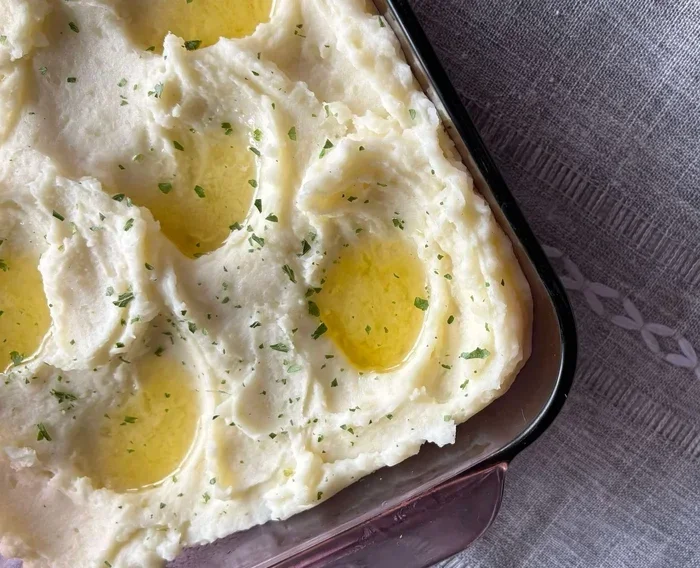
If you are reheating a large batch for a gathering, the oven works well too. Spread the mashed potatoes in a baking dish. Dot the top with butter and pour a little warm cream over the surface. Cover tightly with foil and heat at 325 degrees Fahrenheit for about 20 minutes. Remove the foil for the last five minutes to get a light golden top.
Microwave Reheating Method
The microwave is the fastest option but also the riskiest. Potatoes can dry out or develop hot spots quickly. To avoid this, add a tablespoon of milk or cream to the potatoes before microwaving. Cover the bowl with a damp paper towel. Heat in 30 second intervals, stirring between each one. This keeps the heat distribution even.
Common Mistakes to Avoid
Even experienced cooks make mistakes when working with make ahead mashed potatoes. Here are the most common ones and how to avoid them.
Using Cold Liquid
Adding cold milk or cream to hot potatoes causes them to seize up and turn lumpy. Always warm your dairy before mixing it in. This is especially important when reheating stored potatoes.
Overworking the Potatoes
Mashing potatoes too much releases too much starch. The result is a gluey, dense texture. Use a gentle hand with your potato masher or ricer. Stop mashing as soon as the potatoes are smooth. If you are using a food processor, pulse it only a few times. Over-mashing is one of the biggest enemies of creamy mashed potatoes.
Skipping the Reheating Liquid
Mashed potatoes lose moisture as they sit in the fridge. If you reheat them without adding any liquid, they turn dry and stiff. Always add a splash of cream, milk, or broth when reheating. This simple step makes all the difference.
Not Seasoning Enough
Flavors dull over time in storage. When you reheat your potatoes, taste them and adjust the seasoning. Add a pinch of salt, some white pepper, or a touch of fresh garlic. A little extra seasoning at reheating time brings the flavor back to life.
Creative Variations for Make Ahead Mashed Potatoes
Once you master the basic mashed potatoes recipe, you can get creative with flavors. Make ahead potatoes are a perfect base for all kinds of delicious variations.
Garlic and Herb Mashed Potatoes
Roast a few garlic cloves and mash them right into your potatoes. Stir in chopped fresh rosemary, thyme, or chives. This variation tastes amazing alongside roasted meats and is perfect for holiday dinners.
Loaded Mashed Potatoes
Make a batch of plain mashed potatoes ahead of time. When it is time to serve, spoon them into a baking dish, top with cheese, bacon bits, and sour cream, and bake until bubbly. This is a crowd-pleasing side dish that feels indulgent without much effort.
Sour Cream and Chive Mashed Potatoes
Stir sour cream into your mashed potatoes for a tangy twist. Fold in chopped chives and a little lemon zest. This variation pairs beautifully with grilled fish or roasted chicken.
Final Thoughts
So can you make mashed potatoes ahead of time without stress? The answer is a clear and emphatic yes. With the right potato choice, proper storage, and gentle reheating, your mashed potatoes will taste wonderful whether you make them the same day or three days in advance.
Preparing mashed potatoes in advance is one of the easiest ways to reduce kitchen stress on busy cooking days. You free up oven space, save time, and end up with a dish that tastes even better after resting overnight.
Remember to store your potatoes safely, reheat them with warm liquid, and avoid common mistakes like over-mashing or using cold dairy. Follow these tips and you will have smooth, creamy mashed potatoes ready whenever you need them.
Next time you are planning a meal, give make ahead mashed potatoes a try. Your future self will thank you when dinner comes together effortlessly and everyone at the table asks for seconds.
Frequently Asked Questions
How long can you keep mashed potatoes in the fridge?
You can safely store mashed potatoes in the refrigerator for up to three days. Keep them in an airtight container and always check for any off smells or discoloration before reheating. Proper storage is the key to making leftover mashed potatoes last safely.
Can you freeze mashed potatoes?
Yes, you can freeze mashed potatoes for up to three months. Let them cool completely, place them in freezer-safe containers, and leave some headspace for expansion. When ready to use, thaw them overnight in the fridge and reheat with a splash of cream or broth for the best texture.
What is the best way to reheat mashed potatoes?
The stovetop method is the best way to reheat mashed potatoes. Use low heat, add warm cream or milk, and stir gently until heated through. This method restores the creamy texture and prevents the potatoes from drying out or becoming gluey.
Can you make mashed potatoes a day before serving?
Absolutely. Making mashed potatoes one day ahead is actually ideal. The flavors deepen overnight in the fridge, and the potatoes reheat beautifully when you add warm liquid and butter at serving time.
Why do my mashed potatoes turn out gluey?
Gluey mashed potatoes happen when you overwork the potatoes or use too much starch. Avoid using a food processor and mash gently with a potato masher or ricer. Also make sure to add warm liquid when reheating stored potatoes to maintain a smooth texture.
What potatoes are best for making mashed potatoes ahead of time?
Yukon Gold potatoes are the best choice for make ahead mashed potatoes because they have a naturally creamy texture and buttery flavor. Russet potatoes also work well but require gentler mashing to avoid a dense, gluey consistency.
=== CONCLUSION ===
Making mashed potatoes ahead of time is one of the simplest and most effective ways to streamline your cooking routine. Whether you are preparing for a holiday feast or a regular weeknight dinner, the ability to prepare mashed potatoes in advance takes a huge weight off your shoulders. The potatoes store safely, reheat beautifully, and taste rich and creamy every time.
Follow the storage guidelines, use the right reheating method, and avoid the common mistakes we covered. With a little planning, you will always have smooth mashed potatoes ready to serve without the last-minute rush. Give it a try at your next meal and enjoy the ease and confidence that comes with being prepared.