How to Clean a Burnt Pan Like a Pro with These Tips
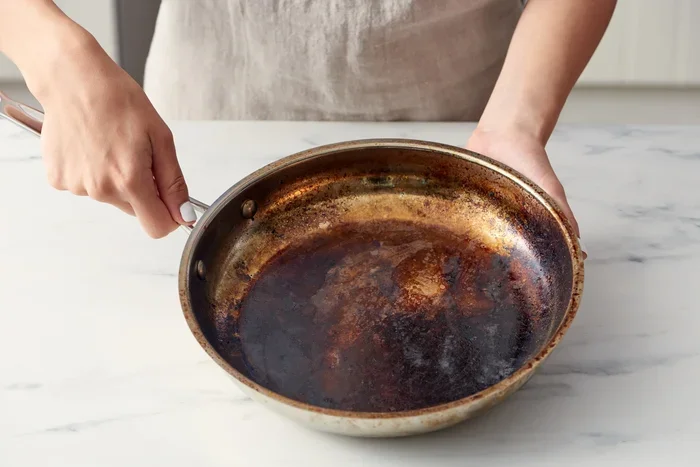
Learning how to clean a burnt pan is easier than you think. With everyday items like baking soda, vinegar, and dish soap, you can remove even the worst burnt-on food. These proven methods work on stainless steel, cast iron, and non-stick pans without harsh scrubbing.
You know that sinking feeling. You go to wash your favorite pan after cooking, and there it is — a thick layer of black, charred mess stuck to the bottom. Maybe you walked away from the stove for a moment too long, or the heat was just too high. Either way, you are left staring at what looks like an impossible cleaning job.
Here is the good news. Learning how to clean a burnt pan does not require expensive cleaners or hours of elbow grease. In fact, most of the best solutions are already sitting in your kitchen cabinet. Baking soda, vinegar, lemon juice, and even hydrogen peroxide can bring a burnt pan back to life.
In this guide, we will walk you through every method step by step. Whether you have a stainless steel pan, a cast iron skillet, or a non-stick frying pan, you will find the right approach. We will also share prevention tips so you never face this problem again. Let us get started.
Key Takeaways
- Baking soda and vinegar are the most effective natural cleaners for burnt pans
- Soaking your pan for at least 30 minutes loosens stubborn burnt residue
- Avoid abrasive scrubbers on non-stick surfaces to prevent damage
- Prevent future burning by using the right heat level and adding oil properly
- Know when to replace your pan if the coating is damaged beyond repair
- Clean your pan right after cooking to avoid buildup of burnt-on food
- Hydrogen peroxide and cream of tartar are great alternatives for tough stains
📑 Table of Contents
- Why Do Pans Get Burnt in the First Place?
- The Best Methods to Clean a Burnt Pan
- Step-by-Step: How to Clean a Burnt Pan With Baking Soda
- Quick Tips for Stubborn Burnt Stains
- How to Prevent Burning in the Future
- When to Replace Your Pan Instead of Cleaning It
- Common Mistakes to Avoid When Cleaning a Burnt Pan
- Final Thoughts
Why Do Pans Get Burnt in the First Place?
Understanding why pans burn helps you prevent it from happening again. When food is exposed to high heat for too long, the sugars and proteins in it undergo a chemical reaction called the Maillard reaction. This is what creates that delicious brown crust on seared meat. But when it goes too far, that crust turns black and hardens into burnt-on residue.
Several common mistakes lead to burnt pans:
- Too much heat. Cranking the burner to high without enough oil causes food to scorch quickly.
- Walking away from the stove. Even a few unattended minutes can turn a golden sear into a black mess.
- Using the wrong pan for the task. Thin pans heat unevenly and create hot spots where food burns fast.
- Not adding enough fat. Oil and butter create a barrier between food and the pan surface.
- Overcrowding the pan. Too much food drops the temperature and causes steaming instead of searing, leading to sticking and burning.
The good news is that cleaning burnt pans is a solved problem. People have been dealing with this for centuries, and many effective methods have stood the test of time.
The Best Methods to Clean a Burnt Pan
Not all burnt pans are created equal. A lightly scorched sauté pan needs a different approach than a cast iron skillet with layers of carbonized grease. Below are the most effective methods, ranked from easiest to most intensive.
Method 1: The Baking Soda Soak
This is the gold standard for how to clean a burnt pan. Baking soda is a gentle abrasive that breaks down burnt food without scratching your cookware.
Here is what to do:
- Fill the burnt pan with warm water until the burnt area is covered.
- Add two to three tablespoons of baking soda and stir until it dissolves.
- Let the pan soak for at least one hour. For really bad burns, leave it overnight.
- After soaking, use a soft sponge to scrub the burnt area in gentle circular motions.
- Rinse with warm water and wash with dish soap as usual.
If some burnt spots remain, make a paste of baking soda and a small amount of water. Apply it directly to the stubborn areas and let it sit for 15 minutes before scrubbing again. This method works on almost every type of pan, including stainless steel and cast iron.
Method 2: The Vinegar and Baking Soda Reaction
When baking soda alone is not enough, add vinegar to the mix. The fizzing reaction between these two ingredients helps lift burnt-on food from the pan surface.
Here is how it works:
- Fill the burnt pan with equal parts water and white vinegar.
- Bring the mixture to a gentle boil on the stove.
- Remove from heat and add two tablespoons of baking soda. Watch it fizz.
- Let the pan cool for 15 to 20 minutes.
- Scrub with a non-abrasive sponge and rinse clean.
This method is especially effective for removing burnt residue that has been baked on through repeated use. The combination of heat, acid, and the chemical reaction does the heavy lifting for you.
Method 3: The Boiling Water and Dish Soap Approach
Sometimes the simplest method is the best. For moderately burnt pans, a long soak in hot soapy water can do the trick.
Fill your pan with hot water, add a generous squirt of dish soap, and let it sit for 30 minutes to an hour. The hot water softens the burnt food, and the dish soap cuts through the grease. After soaking, a gentle scrub with a sponge should remove most of the residue.
Pro tip: For best results, add a splash of white vinegar to the soapy water. The acid helps break down the burnt-on particles faster.
Method 4: The Cream of Tartar Paste
Cream of tartar is a lesser-known but highly effective cleaner for burnt pans. It is a natural acid that works similarly to vinegar but with a finer texture.
Mix three parts cream of tartar with one part water to form a thick paste. Spread it over the burnt area and let it sit for 20 to 30 minutes. Scrub gently with a soft sponge. This method is particularly good for light to medium burns on stainless steel pans.
Method 5: The Hydrogen Peroxide and Baking Soda Combo
For the most stubborn burnt pans, this method brings serious cleaning power. Hydrogen peroxide is a natural oxidizer that breaks down organic matter, and when combined with baking soda, it creates a powerful cleaning paste.
Mix equal parts hydrogen peroxide and baking soda to form a paste. Spread it over the burnt areas and let it sit for 30 minutes. The paste will fizz and work its way into the burnt layers. Scrub gently and rinse thoroughly. This method is safe for most pan types, but always test on a small area first if you have a coated or non-stick surface.
Step-by-Step: How to Clean a Burnt Pan With Baking Soda
Since baking soda is the most accessible and effective cleaner, let us break this down into a detailed walkthrough. Think of this as your go-to guide whenever you face a burnt pan.
Step 1: Remove Excess Food. Before soaking, scrape off any large pieces of burnt food with a spatula or wooden spoon. This prevents the debris from clogging your drain.
Step 2: Fill with Warm Water. Use warm — not boiling — water to fill the pan about three-quarters full. Hot water helps, but boiling water can warp thin pans.
Step 3: Add Baking Soda. Two to three tablespoons per cup of water is the right ratio. Stir until the powder is fully dissolved.
Step 4: Soak. This is the most important step. Give the mixture at least one hour to work. For badly burnt pans, soaking overnight is perfectly fine and often yields better results.
Step 5: Scrub. After soaking, use a soft sponge or microfiber cloth to scrub the burnt areas. You should see the black residue lifting away easily. For any remaining spots, apply a baking soda paste directly and scrub again.
Step 6: Rinse and Dry. Rinse the pan thoroughly with clean water. Dry it immediately with a towel to prevent water spots, especially on stainless steel and cast iron.
Many people also soak their yoga mats with baking soda for deep cleaning — similar principles apply here. You can learn more about cleaning with baking soda for other household items as well.
Quick Tips for Stubborn Burnt Stains
Sometimes, despite your best efforts, some burnt spots just will not budge. Here are a few extra tricks that can help:
- Use a dryer sheet. Fill the pan with warm water, drop in a used dryer sheet, and let it soak for a few hours. The softening agents in the sheet help loosen burnt-on food.
- Try a potato and salt. Cut a potato in half, dip the cut side in coarse salt, and use it as a scrubber. The salt provides gentle abrasion while the potato contains oxalic acid that helps dissolve stains.
- Use a paste of salt and lemon juice. This natural combination works as a mild abrasive and acid cleaner. Apply it to the burnt area, let it sit for 10 minutes, and scrub gently.
- Heat the cleaning solution. Warming the baking soda and water mixture on the stove accelerates the chemical reaction and speeds up the cleaning process.
- Be patient. Some burnt pans need multiple treatments. Do not resort to steel wool or harsh abrasives, as these can permanently damage your cookware.
Remember that proper pan cleaning after every use makes deep cleaning much easier. When you wash your pan right after cooking, food residue does not have time to harden into burnt layers.
How to Prevent Burning in the Future
Prevention is always better than cure. Once you have restored your pan, follow these simple habits to keep it burn-free.
- Use the right heat setting. Most cooking does not require high heat. Medium or medium-low is sufficient for most stovetop tasks.
- Always preheat with oil. Add oil or butter to the pan before it gets fully hot. This creates a protective layer between the food and the pan surface.
- Do not leave the stove unattended. Stay in the kitchen while cooking, especially when using high heat. Set a timer if you need reminders.
- Choose the right pan for the job. Use thicker, heavier pans for high-heat cooking. Thin pans create hot spots that cause uneven burning.
- Clean immediately after cooking. Do not let food sit in the pan after you are done. A quick wash while the pan is still warm prevents residue from hardening.
- Season your cast iron properly. A well-seasoned cast iron pan has a natural non-stick surface that resists burning and makes cleanup much easier.
Think of it this way. Taking two minutes to wash your pan right after cooking saves you 20 minutes of scrubbing later. It is one of the best kitchen cleaning habits you can build.
When to Replace Your Pan Instead of Cleaning It
Not every burnt pan can be saved. Here are signs that it is time to let go and invest in a new one:
- Warped or distorted shape. A warped pan heats unevenly and cannot be fixed through cleaning.
- Damaged non-stick coating. If the coating is peeling, scratching, or flaking, no cleaning method will restore it. Cooking on a damaged non-stick surface can also be a health concern.
- Deep pitting or corrosion. Rust holes and deep pitting on the cooking surface harbor bacteria and cannot be fully cleaned.
- Persistent bad odors. If the pan retains a burnt smell even after thorough cleaning, the material may be compromised.
- Discoloration that will not come off. While some discoloration is cosmetic, deep staining that affects cooking performance is a sign of wear.
A good pan is an investment in your cooking. When replacement is the better option, do not feel guilty. A new pan will cook better, clean easier, and last for years.
Common Mistakes to Avoid When Cleaning a Burnt Pan
Even with the best intentions, people often make mistakes that make the problem worse. Here is what to avoid:
- Using steel wool or metal scrubbers on non-stick pans. This destroys the coating and exposes the underlying material.
- Using bleach on colored or coated pans. Bleach can cause discoloration and damage the surface of your cookware.
- Scrubbing too aggressively. Force does not always work. Let the cleaning solution do the work through soaking and chemical reaction.
- Ignoring the burnt smell. If the pan smells burnt after cleaning, it may need a more intensive treatment or it may be time for a replacement.
- Putting a hot pan directly into cold water. This thermal shock can warp the pan, especially thin aluminum or stainless steel.
By avoiding these mistakes, you protect your cookware and make the burnt pan cleaning process much more effective.
Final Thoughts
How to clean a burnt pan does not have to be a frustrating experience. With the right methods and a little patience, you can restore almost any pan to its former glory. Baking soda, vinegar, hydrogen peroxide, and simple soaking techniques handle the vast majority of burnt-on messes.
The key is to act quickly and not let burnt food sit for days. A quick soak and gentle scrub after each use keeps your pans in great shape and prevents the buildup of tough, charred layers. And when prevention fails, you now have a full toolkit of methods to fall back on.
Start with the simplest method — warm soapy water — and work your way up to the baking soda soak or vinegar boil if needed. Your pans will thank you, and your cooking experience will improve dramatically when you are working with clean, well-maintained cookware.
Remember, a clean pan cooks better and lasts longer. Take care of your kitchen tools, and they will take care of your meals for years to come.
Frequently Asked Questions
What is the fastest way to clean a burnt pan?
The fastest method is the boiling vinegar and baking soda approach. Fill the pan with equal parts water and white vinegar, bring it to a boil, then add two tablespoons of baking soda. The fizzing reaction lifts burnt residue quickly. Let it cool for 15 minutes, then scrub with a soft sponge.
Can I use baking soda on a non-stick pan?
Yes, baking soda is safe for non-stick pans because it is a gentle abrasive. Make a paste with water, apply it to the burnt areas, and let it sit for 15 minutes before scrubbing with a soft sponge. Avoid using any rough scrubbers or metal tools on non-stick surfaces.
How do I get burnt-on grease off a cast iron pan?
For cast iron, start with a coarse salt scrub. Pour coarse salt into the pan and rub it with a paper towel or soft cloth to absorb grease. Follow up with a baking soda soak if needed. Never use soap on cast iron for regular cleaning, but it is acceptable for deep cleaning burnt residue.
Is it safe to clean a burnt pan with hydrogen peroxide?
Yes, hydrogen peroxide is a safe and natural cleaner for burnt pans. Mix it with baking soda to form a paste, apply it to the burnt areas, and let it sit for 30 minutes. It works well on organic burnt material. Always rinse thoroughly after using it.
Why does my pan keep burning food?
Your pan may be burning food because the heat is too high, the pan is overcrowded, or there is not enough oil or fat. Using a pan that is too thin can also cause hot spots where food burns quickly. Adjust your cooking habits and consider upgrading to a heavier, more evenly conducting pan.
Can I use oven cleaner on a burnt pan?
It is not recommended. Oven cleaners contain harsh chemicals that can leave a residue on cooking surfaces. These chemicals may transfer to your food during future cooking. Stick to natural methods like baking soda, vinegar, and hydrogen peroxide for safe and effective cleaning.