Prime Rib Cooking Time Calculator for Perfect Results
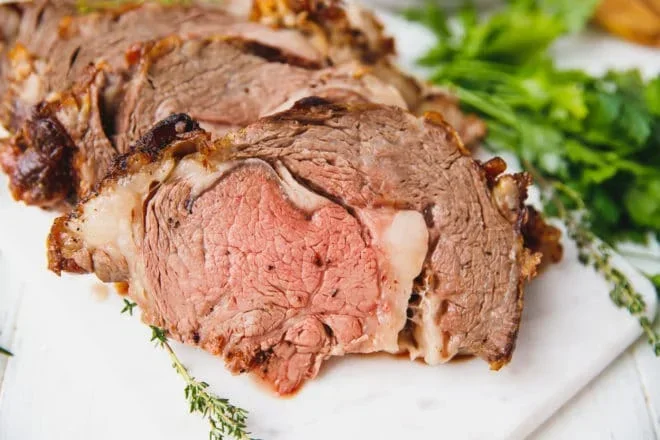
A prime rib cooking time calculator takes the guesswork out of making a show-stopping roast. By entering your roast weight and desired doneness, you get precise cooking times and oven temperatures for a perfectly pink center every single time.
There’s nothing quite like a perfectly roasted prime rib sitting on the holiday table. That rich, beefy aroma filling the kitchen is enough to make anyone’s mouth water. But here is the thing most people get wrong — cooking a prime rib is all about timing, and getting that timing wrong can mean a dry, overcooked roast that nobody wants to touch.
That is where a prime rib cooking time calculator becomes your best friend. Instead of staring at the clock and guessing, you get exact numbers based on your roast size and how you like your beef cooked. In this guide, we will walk you through everything you need to know to use one like a pro and serve a roast that earns a standing ovation.
Key Takeaways
- Know your roast weight: The cooking time for prime rib depends heavily on how heavy your cut is, so always weigh it before you start.
- Use a meat thermometer: Internal temperature is the only reliable way to check if your prime rib is truly done.
- Let it rest: Allow your roast to rest for at least 15-20 minutes after cooking so the juices redistribute properly.
- Low and slow works best: Cooking at a lower temperature for longer yields a more tender and evenly cooked roast.
- Factor in carryover cooking: Your prime rib will continue rising in temperature after you pull it from the oven by about 5-10 degrees.
- Sear first for flavor: A quick sear at high heat creates a delicious crust before you switch to a lower roasting temperature.
📑 Table of Contents
- What Is a Prime Rib Cooking Time Calculator?
- How to Use a Prime Rib Cooking Time Calculator
- Prime Rib Cooking Time Chart by Weight
- Tips for Cooking Prime Rib to Perfection
- Common Mistakes When Calculating Prime Rib Cooking Time
- Low-and-Slow vs. High-Heat: Which Method Is Right?
- Serving Suggestions and Portion Planning
- Conclusion
What Is a Prime Rib Cooking Time Calculator?
A prime rib cooking time calculator is a simple tool that tells you how long to cook your roast based on a few key details. You plug in the weight of your cut, the oven temperature you plan to use, and your preferred level of doneness. The calculator then gives you a recommended cooking time plus important reminders like resting time and carryover cooking.
Think of it as a personal sous chef who never sleeps. Instead of relying on old wives’ tales like “15 minutes per pound,” you get numbers tailored to your specific situation. This takes a lot of the stress out of hosting a big meal, especially when you are cooking for a crowd.
Why You Should Trust a Cooking Time Calculator
Traditional cooking charts give rough estimates. They work most of the time, but they do not account for variables like your oven’s accuracy, whether you are using a bone-in or boneless cut, or how thick the roast really is. A calculator factors in these details and gives you a much more reliable result. It is like the difference between driving with a vague sense of direction versus using GPS with real-time traffic updates.
How to Use a Prime Rib Cooking Time Calculator
Using a prime rib cooking time calculator is straightforward, but you want to make sure you enter the right information. Here is a step-by-step breakdown to get accurate results every single time.
Step 1: Weigh Your Roast
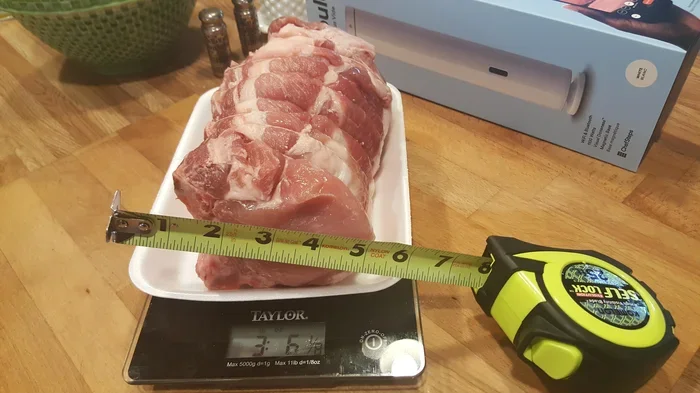
Grab a kitchen scale and weigh your prime rib before you do anything else. Note whether it is bone-in or boneless, because this affects cooking time significantly. A bone-in roast takes longer to cook through than a boneless one of the same weight. Write down the exact weight in pounds or kilograms.
Step 2: Choose Your Oven Temperature
Most prime rib recipes call for one of two approaches. The first is a high-heat sear at around 450°F for the first 15-20 minutes, followed by a drop to 325°F or 300°F for the rest of the cook. The second is a low-and-slow method at 250°F or 275°F for several hours. Enter the temperature you plan to use into the calculator.
Step 3: Pick Your Doneness Level
This is where things get personal. Do you like your prime rib rare, medium-rare, medium, or well-done? Each level requires a different internal temperature, which directly changes the total cooking time. Here is a quick reference for prime rib doneness:
- Rare: 120-125°F internal temperature
- Medium-Rare: 130-135°F internal temperature
- Medium: 140-145°F internal temperature
- Medium-Well: 150-155°F internal temperature
- Well-Done: 160°F and above
Step 4: Read the Results
Once you enter all the details, the calculator will give you a total cooking time. It may also break this down into stages, like the sear time and the roasting time. Some calculators also include a resting time estimate, which is crucial for a juicy finish.
Prime Rib Cooking Time Chart by Weight
Not everyone wants to use a digital tool. Sometimes you just need a quick reference. Below is a general beef roast cooking chart for a bone-in prime rib roasted at 325°F after an initial sear at 450°F. These are estimates, so always double-check with a meat thermometer.
| Roast Weight (bone-in) | Sear Time (450°F) | Roast Time (325°F) | Total Approximate Time |
|---|---|---|---|
| 4-5 lbs | 15-20 min | 1.5-2 hours | 2-2.5 hours |
| 6-8 lbs | 15-20 min | 2-2.5 hours | 2.5-3 hours |
| 9-12 lbs | 20-25 min | 2.5-3.5 hours | 3-4 hours |
| 13-16 lbs | 25-30 min | 3.5-4.5 hours | 4-5 hours |
Keep in mind that these are approximate cooking times for roast beef. Your actual time may vary based on your specific oven, the shape of the roast, and how cold it was when it went in. A roast straight from the fridge takes longer than one that sat on the counter for an hour.
Tips for Cooking Prime Rib to Perfection
Even with a prime rib cooking time calculator, a few smart strategies can take your roast from good to absolutely unforgettable. Here are some tips that experienced home cooks swear by.
Bring the Roast to Room Temperature First
Take your prime rib out of the refrigerator about 30-60 minutes before cooking. This lets the meat warm up evenly, which means it cooks more uniformly from edge to center. A cold roast going into a hot oven creates a big temperature gradient that leads to uneven doneness.
Sear for a Beautiful Crust
A high-heat sear at the start does two important things. It creates a flavorful, dark brown crust through the Maillard reaction, and it helps seal in moisture. Do not skip this step if you want a restaurant-quality result. Pat the roast dry with paper towels first, since surface moisture can slow down the sear.
Use a Reliable Meat Thermometer
This is non-negotiable. A prime rib internal temperature gauge is the only way to know for sure that your roast is ready. Digital instant-read thermometers are fast and accurate. Insert the probe into the thickest part of the meat, making sure it does not touch the bone, which can give a false reading.
Account for Carryover Cooking
One detail that catches many people off guard is carryover cooking. Once you pull the roast from the oven, the internal temperature will keep rising by 5-10°F as the residual heat distributes through the meat. Pull your prime rib a few degrees below your target doneness and let it rest on a cutting board. This small trick makes a huge difference in the final result.
Let It Rest Before Slicing
Resist the urge to slice into that beautiful roast the moment it comes out of the oven. Give it at least 15-20 minutes to rest. During this time, the juices that were pushed toward the center during cooking redistribute throughout the meat. The result is a much juicier and more tender eating experience. You can tent it loosely with foil to keep it warm while it rests.
Common Mistakes When Calculating Prime Rib Cooking Time
Even with the best tools, people make mistakes that throw off their results. Here are some common pitfalls to avoid when using a prime rib cooking time calculator.
Forgetting the Bone
A bone-in roast and a boneless roast of the same weight do not cook in the same amount of time. The bone acts as a heat conductor and can actually help cook the meat around it more evenly, but it also means the overall roast takes longer. Always note whether your cut has the bone in when using a calculator.
Ignoring Oven Hot Spots
Not all ovens heat evenly. If yours runs hot on one side, your roast may cook faster on that side. A good workaround is to place the roast on a rack inside a heavy roasting pan and rotate it halfway through the cook. This promotes more even cooking and reduces the risk of one side drying out.
Using the Wrong Doneness Temperature
Some people rely on color to judge doneness, but this is unreliable with prime rib. The exterior can look well-done while the center is still rare, especially after a sear. Always go by internal temperature measured with a thermometer. Trust the numbers, not the look.
Overcrowding the Pan
If you are cooking multiple roasts or adding a lot of vegetables to the pan, make sure everything has enough space for air to circulate. Overcrowding traps steam and slows down cooking, which throws off your calculated time. Give each roast room and consider using separate pans if needed.
Low-and-Slow vs. High-Heat: Which Method Is Right?
The cooking method you choose changes the timeline and the final texture of your prime rib. Both approaches have dedicated fans, and both produce fantastic results when done right. Let us compare the two so you can decide which fits your situation better.
The High-Heat Method
This approach starts with a blast of high heat, usually 450°F, for about 15-30 minutes. Then you drop the temperature to 325°F and roast until done. The benefit is a shorter total cook time and a deeply caramelized crust. This method works great for smaller roasts under 8 pounds, where the center can reach the right temperature without the outer layers drying out.
The Low-and-Slow Method
Cooking at 225°F or 250°F for several hours is ideal for larger roasts or when you want a very tender, almost pull-apart texture. The longer cook time breaks down connective tissue more thoroughly. This approach is more forgiving because the low temperature gives you a wider window before the meat overcooks. It does take longer, though, so plan ahead if you go this route.
Which Should You Choose?
For most holiday meals, the high-heat method is the go-to choice because it is faster and produces a gorgeous crust. For a casual weekend dinner or a very large cut, low-and-slow can deliver incredible tenderness. Some cooks even combine both methods, starting low and finishing with a quick sear. Use your prime rib cooking time calculator to figure out the exact timing for whichever method you pick.
Serving Suggestions and Portion Planning
Once your prime rib is perfectly cooked, you want to make sure you have enough to go around. A good rule of thumb is to plan for about 1/2 pound of bone-in prime rib per person, or 1/3 pound per person for a boneless roast. If you are serving it as part of a larger buffet with other main dishes, you can scale down to 1/3 pound bone-in per person.
Pair your roast with classic sides like roasted potatoes, asparagus, or a fresh salad. Horseradish cream sauce is a traditional accompaniment that adds a sharp, creamy contrast to the rich beef. A good prime rib recipe always includes a well-made sauce to complement the main event.
Conclusion
Cooking a prime rib does not have to be stressful. With a prime rib cooking time calculator in your corner, you take the guesswork out of timing and temperature. Enter your roast weight, set your oven, pick your doneness, and let the tool do the math. Then follow up with a reliable thermometer, a good rest, and a delicious sauce, and you are set for a memorable meal. Whether you are hosting a holiday dinner or just treating yourself to a beef roast on a Sunday, these steps will help you cook it perfectly every time.
The key to a great prime rib is patience, preparation, and trusting the process. Use the calculator, use your thermometer, and give the roast plenty of time to rest. Do those things right, and you will be rewarded with a stunning centerpiece that everyone at the table will love.
Frequently Asked Questions
How long does it take to cook a prime rib at 325°F?
A bone-in prime rib typically takes about 15-20 minutes per pound at 325°F after an initial sear at 450°F. A 7-pound roast would take roughly 2 to 2.5 hours at 325°F. Always verify with a meat thermometer for the best results.
What is the best temperature to cook prime rib?
The most popular approach is to start at 450°F for 15-20 minutes to sear the outside, then lower the oven to 325°F for the remainder of the cook. For a low-and-slow method, 250°F works well and produces a very tender result over a longer period.
How do I know when my prime rib is done without a calculator?
The most reliable method is using a meat thermometer. Check the internal temperature in the thickest part of the roast, avoiding the bone. Aim for 120-125°F for rare, 130-135°F for medium-rare, and 140-145°F for medium. Remember that carryover cooking will add 5-10°F after you pull it from the oven.
Should I let the prime rib come to room temperature before cooking?
Yes, it is recommended. Take the roast out of the refrigerator 30-60 minutes before cooking. This helps it cook more evenly from the outside in, reducing the risk of a cold center or overcooked edges. A warm roast also responds better to the initial sear.
How much prime rib should I buy per person?
Plan for about 1/2 pound of bone-in prime rib per person, or 1/3 pound for a boneless roast. If prime rib is the main attraction with few side dishes, you can go up to 3/4 pound per person to ensure generous servings and plenty of leftovers for sandwiches the next day.
Can I cook prime rib the night before and reheat it?
Yes, this can actually improve flavor. Cook the prime rib fully, let it cool, then refrigerate it. Reheat in the oven at 250°F, covered with foil, until it reaches about 130°F internally for medium-rare. This method keeps the meat moist and saves you time on the day of serving.