Perfect Prime Rib Internal Temp Guide for Juicy Results
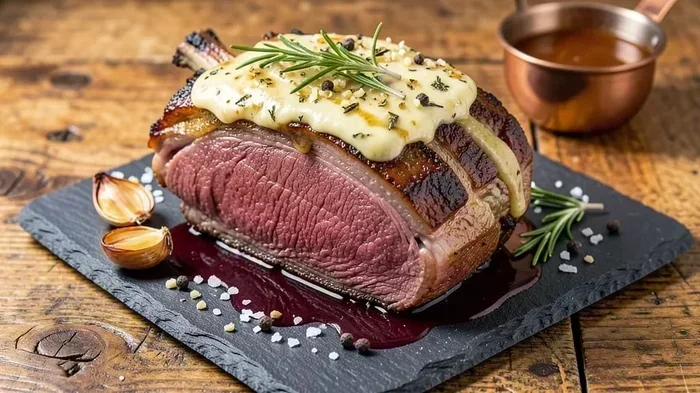
Finding the right prime rib internal temp is the single most important step to a perfect roast. Whether you like it rare, medium rare, or well done, nailing the internal temperature guarantees juicy, tender meat every time. This guide walks you through everything you need to know about prime rib internal temp, from choosing a thermometer to resting your roast. You will learn exact temperatures for each doneness level, common mistakes to avoid, and expert tips that elevate your roast.
Key Takeaways
- Target temp matters most: The ideal prime rib internal temp for medium rare is 130 to 135 degrees Fahrenheit.
- Use a reliable meat thermometer: A digital instant-read thermometer takes the guesswork out of cooking.
- Resting is non-negotiable: Letting your roast rest for 20 to 30 minutes allows juices to redistribute.
- Avoid overcooking: Pulling the roast early and relying on carryover cooking prevents dry meat.
- Bone-in vs boneless matters: Bone-in roasts cook slightly differently and may need adjusted timing.
- Season simply: Salt, pepper, garlic, and fresh herbs let the natural flavor shine.
📑 Table of Contents
- What Is the Ideal Prime Rib Internal Temp?
- How to Measure Prime Rib Internal Temp Correctly
- Prime Rib Temperature Guide by Doneness Level
- How Long to Cook Prime Rib at Different Temperps
- Common Mistakes When Checking Prime Rib Internal Temp
- Expert Tips for Perfect Prime Rib Every Time
- Prime Rib Internal Temp and Food Safety
- Conclusion
What Is the Ideal Prime Rib Internal Temp?
The prime rib internal temp is the core temperature of your roast when it comes off the heat. This number determines how done your meat will be after resting. Many home cooks overlook this detail, but it makes all the difference between a dry, tough roast and a juicy, melt-in-your-mouth masterpiece.
A prime rib internal temp of 130 to 135 degrees Fahrenheit gives you a perfect medium rare result. This is the sweet spot that most steak and roast lovers prefer. At this temperature, the meat is pink in the center with a warm red juice running through it. The fat has had enough time to render, creating that rich, buttery texture prime rib is famous for.
If you prefer a different level of doneness, the target temp shifts. A prime rib internal temp of 120 to 125 degrees gives you a rare roast. Going up to 140 to 145 degrees lands you in the medium range. And 150 degrees or above means well done. Each level changes the texture and juiciness of the meat significantly.
Why Temperature Is So Important for Prime Rib
Prime rib is a premium cut from the rib section of the cow. It has generous marbling and a thick fat cap. These features make it incredibly flavorful but also forgiving. If you cook it too long, the fat melts away and the meat dries out fast.
The prime rib internal temp tells you exactly when to pull the roast. Unlike cheaper cuts that need long, slow cooking, prime rib benefits from precision. A few degrees can be the difference between perfection and disappointment. This is why every home cook should own a good meat thermometer.
How to Measure Prime Rib Internal Temp Correctly
Measuring prime rib internal temp correctly is just as important as knowing what temperature to aim for. A bad reading can lead to overcooking or undercooking. Here is how to get it right every single time.
Choose the Right Thermometer
A digital instant-read thermometer is the best tool for checking prime rib internal temp. Avoid analog dial thermometers. They are slow and often inaccurate. A probe thermometer with a thin sensor gives you fast, reliable readings every time.
Some cooks use leave-in probe thermometers that stay in the roast during cooking. These are great for monitoring temperature without opening the oven door. They send alerts to your phone when the roast hits the target temp. This takes the guesswork out entirely.
Where to Insert the Thermometer
Insert the probe into the thickest part of the roast. Avoid touching the bone. The bone conducts heat differently and can give you a false reading. Also stay away from the fat cap. Fat melts at a different rate than meat, so it skews the temperature.
For a bone-in prime rib, aim for the center of the meat away from the bone. For a boneless roast, check the geometric center. Taking the reading at multiple spots helps confirm even cooking. The prime rib internal temp should be consistent across the roast.
When to Check the Temperature
Start checking the temperature about 30 minutes before the estimated finish time. Prime rib cooking times vary based on weight, oven temperature, and whether the roast is bone-in or boneless. Checking early lets you catch the right moment without overshooting.
Make it a habit to check the prime rib internal temp every 10 to 15 minutes as you get close. This frequent monitoring gives you full control. You will learn how your oven runs hot or cold over time.
Prime Rib Temperature Guide by Doneness Level
Not everyone likes their prime rib cooked the same way. Here is a complete guide to prime rib internal temp for every level of doneness. Print this out and keep it in your kitchen.
Rare Prime Rib
A rare prime rib comes off the heat at 120 to 125 degrees Fahrenheit. The center will be bright red and cool. The meat has a soft, almost raw texture in the middle. This is for those who love the purest beef flavor with maximum juiciness.
Carryover cooking raises the temperature by about 5 degrees during resting. So a rare roast at 125 will settle around 130 after resting. Keep this in mind when pulling your roast.
Medium Rare Prime Rib
Medium rare is the gold standard for prime rib. Pull the roast at 130 to 135 degrees Fahrenheit. After resting, it settles at 135 to 140 degrees. The center is pink with a warm red juice. The fat is fully rendered, and the meat is tender and juicy.
Most chefs and experienced cooks recommend medium rare as the ideal prime rib internal temp. It balances flavor, texture, and safety perfectly. This is the sweet spot that delivers the best eating experience.
Medium Prime Rib
A medium prime rib is pulled at 140 to 145 degrees Fahrenheit. The center is pink but not red. The meat is firmer than medium rare but still juicy. Some people prefer this level because it feels safer and more familiar.
Keep in mind that going above 145 starts to dry out the outer layers of the roast. The rich marbling begins to lose its moisture. If you prefer medium, pull early and let carryover do the rest.
Well Done Prime Rib
Well done prime rib is pulled at 150 degrees or higher. The meat is gray-brown throughout with little to no pink. This level of doneness sacrifices juiciness for a firmer texture. It is not generally recommended for prime rib because the cut is best enjoyed at lower temperatures.
If you must cook your prime rib well done, use a slower oven temperature to keep moisture in. Brining the roast beforehand also helps retain some juiciness at higher temperatures.
How Long to Cook Prime Rib at Different Temperps
Cooking time and prime rib internal temp go hand in hand. The oven temperature you choose affects how quickly the roast reaches your target. Here is a breakdown of common cooking methods and their timing.
Low and Slow Method
This method uses an oven temperature of 225 to 250 degrees Fahrenheit. It is a popular choice for bone-in prime rib. The low heat cooks the roast gently and evenly. Expect about 15 to 17 minutes per pound at this temperature.
The low and slow approach gives you more control over the prime rib internal temp. Because the oven heat is gentle, the temperature rises slowly. This reduces the risk of a crust forming too early. The result is an evenly cooked roast from edge to center.
High Heat Method
Some cooks start at a high temperature of 450 degrees for the first 15 to 20 minutes. This creates a flavorful sear on the outside. After searing, the oven temperature drops to 325 degrees for the rest of the cook.
This method is faster but requires closer monitoring. The prime rib internal temp can spike quickly after the sear. Keep a close eye on the thermometer and be ready to pull the roast early.
Reverse Sear Method
The reverse sear involves cooking the roast at a low temperature until it is about 10 degrees below the target prime rib internal temp. Then you sear it on a hot skillet or grill for a few minutes per side. This method gives you the best crust while keeping the inside perfectly cooked.
This technique is gaining popularity among home cooks. It offers precise control over doneness. The sear adds a beautiful caramelized flavor that complements the rich beef.
Common Mistakes When Checking Prime Rib Internal Temp
Even experienced cooks make mistakes when monitoring prime rib internal temp. Here are the most common errors and how to avoid them.
Opening the Oven Door Too Often
Every time you open the oven door, heat escapes. This slows down cooking and creates uneven results. Instead, use a leave-in probe thermometer to monitor temperature without opening the door. If you must use an instant-read thermometer, open the door quickly and close it immediately.
Testing in the Wrong Spot
Checking temperature near the bone or the fat cap gives inaccurate readings. The bone can make the meat seem hotter than it is. The fat melts at a different temperature than the muscle. Always test in the thickest part of the meat, away from bone and fat.
Ignoring Carryover Cooking
Carryover cooking is when the prime rib internal temp continues to rise after the roast leaves the oven. This can add 5 to 10 degrees depending on the size of the roast. If you wait until the roast hits your target temp in the oven, it will be overdone by the time you serve it.
Always pull the roast 5 to 10 degrees below your target. This is the single most important tip for perfect prime rib. Let the roast rest, and the final temperature will reach exactly where it needs to be.
Not Letting the Roast Rest Long Enough
Resting allows the juices to redistribute throughout the meat. If you cut into the roast immediately, the juices run out and the meat dries out. A prime rib needs at least 20 to 30 minutes of resting time. Tent it loosely with foil during this period.
Expert Tips for Perfect Prime Rib Every Time
Getting the prime rib internal temp right is only part of the equation. Here are expert tips that take your roast from good to unforgettable.
Dry Brine the Night Before
Salt your prime rib generously the night before cooking. Place it uncovered in the refrigerator overnight. The salt draws out moisture, which then gets reabsorbed into the meat. This seasons the roast deeply and creates a drier surface for a better crust.
Dry brining also helps the prime rib internal temp rise more evenly during cooking. The salt breaks down proteins in the muscle fibers, allowing heat to penetrate more uniformly.
Bring the Roast to Room Temperature
Take the prime rib out of the refrigerator 2 to 3 hours before cooking. Leting it sit at room temperature helps it cook more evenly. A cold roast going into a hot oven creates a temperature gradient. The outside overcooks while the inside stays underdone.
Use Fresh Herbs and Garlic
Keep seasoning simple for prime rib. Fresh rosemary, thyme, and garlic cloves pressed into the meat work beautifully. The natural flavor of a good prime rib does not need much help. Heavy spice blends can mask the delicate beef flavor.
Let the Roast Rest Before Slicing
After the prime rib internal temp hits your target, take the roast out and let it rest. Tent it with foil and wait at least 20 minutes. During this time, the internal temperature stabilizes and the juices settle. When you finally slice, each piece is moist and flavorful.
Slice Against the Grain
When serving, always slice against the grain of the meat. This shortens the muscle fibers and makes each bite tender. Cutting with the grain makes even a perfectly cooked roast chewy and tough.
Prime Rib Internal Temp and Food Safety
Food safety is an important consideration when cooking any beef roast. The USDA recommends a minimum internal temperature of 145 degrees Fahrenheit for whole cuts of beef. However, prime rib is often served at lower temperatures for optimal taste and texture.
When you choose to eat prime rib at medium rare or rare, you accept a slightly higher risk. This is a personal choice based on your comfort level and the quality of the meat. Always purchase prime rib from a trusted butcher or reputable supplier. Fresh, high-quality beef from a reliable source reduces food safety concerns significantly.
If you are serving prime rib to guests with weakened immune systems, children, or elderly family members, consider cooking to at least 145 degrees. For healthy adults, medium rare at 130 to 135 degrees is widely considered safe when the meat is fresh and handled properly.
Best Practices for Safe Prime Rib Cooking
- Always wash your hands before and after handling raw meat.
- Sanitize all surfaces and utensils that touch raw beef.
- Store prime rib in the refrigerator at 40 degrees Fahrenheit or below.
- Use a clean meat thermometer and wash it between uses.
- Never leave raw prime rib at room temperature for more than two hours.
- Cook prime rib within three to five days of purchasing or freeze it.
Conclusion
Mastering the prime rib internal temp is the key to a perfect roast every time. Whether you aim for rare at 120 degrees or medium rare at 130 degrees, knowing your target and pulling the roast at the right moment makes all the difference. Use a reliable thermometer, check the temp in the right spot, and always account for carryover cooking during the resting period.
The steps in this guide are simple but powerful. Dry brine ahead of time, bring the roast to room temperature, monitor the prime rib internal temp closely, and let it rest before slicing. Follow these principles and your prime rib will be juicy, tender, and full of flavor.
Now that you know everything about prime rib internal temp, it is time to put it into practice. Fire up your oven, grab a quality roast, and cook with confidence. Your family and guests will thank you for it.
Frequently Asked Questions
What is the best prime rib internal temp for medium rare?
The best prime rib internal temp for medium rare is 130 to 135 degrees Fahrenheit when you pull the roast from the oven. After resting for 20 to 30 minutes, the temperature will rise to 135 to 140 degrees. This is the most recommended level for juicy, tender prime rib.
How long should I let prime rib rest before checking the internal temp?
You should let the prime rib rest for at least 20 to 30 minutes before slicing. During this time, the prime rib internal temp stabilizes and the juices redistribute. Do not skip this step, as it is crucial for a moist and flavorful roast.
Can I use a regular meat thermometer for checking prime rib internal temp?
Yes, a standard digital instant-read thermometer works well for checking prime rib internal temp. Just make sure it is accurate and fast-reading. For even better results, consider a leave-in probe thermometer that monitors the temp throughout the entire cook.
Does bone-in prime rib have a different internal temp target than boneless?
The prime rib internal temp target is the same for both bone-in and boneless roasts. However, bone-in roasts may take slightly longer to cook because the bone insulates the meat. Always check the temperature in the thickest part of the meat away from the bone.
Why does my prime rib internal temp keep rising after I take it out of the oven?
This is called carryover cooking. The residual heat in the roast continues to raise the prime rib internal temp by 5 to 10 degrees after removal. This is why you should pull the roast 5 to 10 degrees below your target temperature and let it rest.
Is it safe to eat prime rib at a low internal temp like rare or medium rare?
Eating prime rib at 120 to 135 degrees is safe when the meat is fresh and sourced from a reputable supplier. The high quality and proper handling of prime rib reduce the risk of foodborne illness. Use your best judgment based on the quality of the meat and the health of your guests.