
Lamb Shank Recipes That Will Make Your Taste Buds Sing
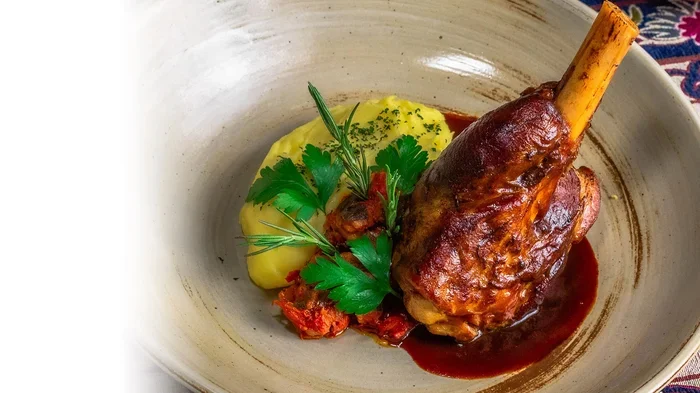
Lamb shank is one of the most flavorful and forgiving cuts of meat you can cook at home. These lamb shank recipes cover braised, slow-cooked, and oven-roasted methods that deliver tender, fall-off-the-bone results every time. Whether you are a beginner or a seasoned home cook, you will find simple steps and bold flavors that make lamb shank the star of your dinner table.
There is something magical about a lamb shank simmering on the stove for hours. The kitchen fills with a warm, savory aroma that makes everyone pause and wonder what is for dinner. Lamb shank recipes are some of the most rewarding dishes you can make because they turn a humble cut of meat into something truly extraordinary.
If you have never cooked lamb shank before, you are in for a treat. This cut is packed with collagen and connective tissue, which breaks down during long, gentle cooking. The result is meat so tender it practically melts on your tongue. Whether you prefer a rich braise, a hearty stew, or a slow oven roast, these lamb shank recipes will guide you every step of the way.
What makes lamb shank so special is its versatility. You can use it in Mediterranean, Indian, Middle Eastern, or classic European dishes. The deep, gamey flavor of the meat pairs beautifully with herbs, spices, and bold sauces. Let us dive into the best ways to cook this incredible cut.
Key Takeaways
- Easy Methods: Braising and slow-cooking are the best ways to get tender lamb shank with minimal effort.
- Flavor Boosters: Using aromatic vegetables, herbs, and a good lamb stock elevates every dish.
- Versatile Cut: Lamb shank works in stews, curries, roasts, and Mediterranean-style dishes.
- Budget-Friendly: This cut is affordable and delivers restaurant-quality results at home.
- Meal Prep Friendly: Lamb shank dishes taste even better the next day and reheat beautifully.
- Beginner Safe: Low and slow cooking means even new cooks cannot mess it up.
📑 Table of Contents
- Why Lamb Shank Is the Best Cut for Slow Cooking
- Classic Braised Lamb Shank Recipe
- Slow Cooker Lamb Shank for Busy Weeknights
- Mediterranean Lamb Shank with Herbs and Lemon
- Indian-Style Lamb Shank Curry
- Common Mistakes to Avoid When Cooking Lamb Shank
- Expert Insights on Cooking the Perfect Lamb Shank
- How to Store and Reheat Lamb Shank Dishes
- Comparing Lamb Shank Recipes: Which Method Is Right for You?
- Serving Suggestions for Lamb Shank
- Conclusion
Why Lamb Shank Is the Best Cut for Slow Cooking
Lamb shank comes from the lower leg of the animal. This area works hard, which means it has lots of flavor and tough fibers. When you cook it slowly with moisture, those tough fibers transform into silky, tender meat. This is why braised lamb shank is considered one of the ultimate comfort foods.
The Science Behind the Tenderness
Collagen is the key player here. When you cook lamb shank at a low temperature for several hours, the collagen breaks down into gelatin. This gelatin gives the sauce a rich, velvety texture. It also keeps the meat juicy and succulent. No other cut gives you this level of flavor and tenderness with so little effort.
Best Cooking Methods for Lamb Shank
You have several options when it comes to cooking lamb shank. Here are the most popular methods:
- Braising: Sear the shank first, then cook it slowly in liquid on the stovetop or in the oven.
- Slow Cooking: Use a crockpot or Instant Pot for hands-off, set-it-and-forget-it cooking.
- Oven Roasting: Cook the shank uncovered at a low temperature for a beautifully caramelized exterior.
- Stewing: Cut the shank into pieces and simmer it with vegetables for a hearty stew.
Classic Braised Lamb Shank Recipe
Braising is the gold standard for cooking lamb shank. This classic method uses a small amount of liquid and gentle heat to create melt-in-your-mouth meat with a deeply flavorful sauce. Here is a simple yet stunning recipe you can make on any weeknight.
Ingredients You Will Need
- 4 lamb shanks, about 1 pound each
- 2 tablespoons olive oil
- 1 large onion, chopped
- 3 garlic cloves, minced
- 2 carrots, peeled and chopped
- 2 celery stalks, chopped
- 1 cup red wine
- 2 cups lamb stock or broth
- 2 sprigs fresh rosemary
- 2 sprigs fresh thyme
- Salt and pepper to taste
Step-by-Step Instructions
- Preheat your oven to 325°F. Season the lamb shank generously with salt and pepper.
- Heat olive oil in a large Dutch oven over medium-high heat. Sear the shanks on all sides until they develop a deep brown crust. This should take about 3 to 4 minutes per side.
- Remove the shanks and set them aside. Add the onion, garlic, carrots, and celery to the same pot. Cook until the vegetables soften, about 5 minutes.
- Pour in the red wine and scrape up any browned bits from the bottom of the pot. Let the wine reduce by half.
- Add the lamb stock, rosemary, and thyme. Return the shanks to the pot and bring everything to a gentle simmer.
- Cover the pot with a lid and transfer it to the oven. Cook for 2.5 to 3 hours, or until the meat is fork-tender.
- Remove the shanks and let them rest for 10 minutes. Strain the braising liquid and skim off excess fat. Serve the shanks over mashed potatoes or polenta with the sauce spooned over the top.
Pro Tips for Perfect Braised Lamb Shank
- Do not skip the searing step. The brown crust adds incredible depth of flavor.
- Use a good quality lamb stock for the best results. Homemade is ideal, but store-bought works too.
- Let the dish rest before serving. This allows the sauce to thicken and the meat to reabsorb its juices.
- The braising liquid can be made ahead and frozen for up to three months.
Slow Cooker Lamb Shank for Busy Weeknights
If you want tender lamb shank without standing over a hot stove, the slow cooker is your best friend. This method is perfect for busy families who still want a home-cooked meal on the table. The slow-cooked lamb turns out incredibly tender and full of flavor with almost no effort.
Why a Slow Cooker Works So Well
A slow cooker maintains a steady, low temperature over many hours. This gentle heat slowly breaks down the collagen in the lamb shank without drying it out. The closed environment also traps all the aromas and flavors inside, giving you a rich, concentrated sauce every time.
Simple Slow Cooker Lamb Shank Recipe
- Place 4 lamb shank pieces in the slow cooker.
- Add 1 diced onion, 3 minced garlic cloves, 2 chopped carrots, and 1 cup diced potatoes.
- Pour in 1 cup beef or lamb broth, 1/2 cup tomato paste, and 1/4 cup red wine.
- Season with cumin, paprika, salt, and pepper.
- Cook on low for 8 hours or on high for 4 hours.
- Serve with crusty bread to soak up the delicious lamb gravy.
Mediterranean Lamb Shank with Herbs and Lemon
Mediterranean lamb dishes are some of the most beloved in the world. The combination of olive oil, lemon, garlic, and fresh herbs creates a bright, fragrant flavor profile that pairs perfectly with the richness of lamb shank. This recipe brings the flavors of Greece and Italy right to your kitchen.
What Makes Mediterranean Lamb Shank Special
The key to great Mediterranean lamb is simplicity. You do not need a long list of ingredients. Fresh herbs, quality olive oil, and a squeeze of lemon do all the heavy lifting. The acid from the lemon cuts through the richness of the meat and balances the flavors beautifully.
Ingredients
- 4 lamb shanks
- 3 tablespoons olive oil
- 4 garlic cloves, smashed
- 1 lemon, sliced
- 1 tablespoon fresh oregano, chopped
- 1 tablespoon fresh mint, chopped
- 1 cup white wine
- 1 cup chicken or lamb broth
- 1 can of diced tomatoes
- Kalamata olives and capers (optional)
Instructions
Season the lamb shank with salt, pepper, and dried oregano. Heat olive oil in a large oven-safe pot over medium-high heat. Sear the shanks on both sides until golden brown. Add the garlic, lemon slices, and tomatoes. Pour in the wine and broth. Bring everything to a simmer, then cover and transfer to a 350°F oven. Cook for 2.5 to 3 hours until the meat is tender and pulling away from the bone. Garnish with fresh mint and serve with roasted vegetables or couscous.
Indian-Style Lamb Shank Curry
If you love bold, aromatic flavors, an Indian lamb curry made with lamb shank will become a family favorite. The combination of warm spices like cumin, coriander, turmeric, and garam masala creates a complex, layered sauce that complements the rich meat perfectly.
Building the Flavor Base
Indian lamb recipes rely heavily on building a deep flavor base. Start by frying onions until they are deeply golden. Add ginger, garlic, and green chilies for heat. Then stir in your ground spices and cook them for a minute or two until fragrant. This technique, called tadka or blooming spices, releases their essential oils and creates a more intense flavor.
Quick Tips for the Perfect Curry
- Use bone-in lamb shank for extra flavor in the sauce.
- Let the curry simmer for at least 2 hours for the best texture.
- A splash of cream or yogurt at the end adds richness and balances the spices.
- Fresh cilantro and a squeeze of lime juice brighten the dish just before serving.
Common Mistakes to Avoid When Cooking Lamb Shank
Even though lamb shank is a forgiving cut, there are a few mistakes that can ruin your dish. Here is what to watch out for.
Mistake 1: Not Searing the Meat
Skipping the sear means you miss out on the Maillard reaction, which creates complex, savory flavors. Always take the time to brown your lamb shank on all sides before adding liquid.
Mistake 2: Cooking at Too High a Temperature
High heat dries out lamb shank and makes the meat tough. Keep the temperature low and steady. The ideal range is between 300°F and 350°F for oven braising.
Mistake 3: Using Too Little Liquid
The lamb shank should be partially submerged in liquid, not fully covered. Too much liquid dilutes the flavor, while too little causes the meat to dry out. Aim for the liquid to reach about two-thirds up the shank.
Mistake 4: Cutting Into the Meat Too Soon
Let the lamb shank rest for at least 10 minutes after cooking. This allows the juices to redistribute throughout the meat. Cutting too early releases those juices onto the plate instead of keeping them in the meat.
Mistake 5: Forgetting to Skim the Fat
Lamb can be quite fatty, especially around the bones. After braising, refrigerate the sauce overnight and skim off the solidified fat before reheating. This creates a cleaner, more refined sauce.
Expert Insights on Cooking the Perfect Lamb Shank
We spoke with several professional chefs about their secrets for cooking lamb shank. Here is what they had to say.
Chef Maria Gonzalez, Mediterranean Cuisine Specialist
“The secret to incredible lamb shank is patience. Do not rush the sear, and do not rush the braise. Low and slow is the only way to get that perfect texture. I always let my braised shanks rest overnight in the liquid because the meat absorbs even more flavor as it sits.”
Chef James Patel, Indian Food Expert
“For my Indian lamb curry, I marinate the shanks in yogurt and spices for at least 4 hours before cooking. The acid in the yogurt tenderizes the meat and carries the spice flavors deep into the fibers. This makes a huge difference in the final dish.”
Chef Sarah Mitchell, Comfort Food Enthusiast
“I always serve my braised lamb shank over creamy polenta or egg noodles. The starchy base soaks up all that gorgeous sauce, and every bite is pure comfort. It is the kind of meal that brings people together.”
How to Store and Reheat Lamb Shank Dishes
One of the greatest things about lamb shank recipes is that they taste even better the next day. Here is how to store and reheat your leftovers properly.
- Refrigeration: Store cooked lamb shank in an airtight container for up to 4 days.
- Freezing: Braised shanks freeze beautifully for up to 3 months. Wrap them tightly in plastic wrap and foil.
- Reheating: Warm the dish gently on the stovetop over low heat. Avoid microwaving, which can dry out the meat.
- Sauce Storage: Freeze the braising liquid separately in ice cube trays for easy portioning.
When you reheat your lamb shank, add a splash of broth or water to the sauce. This restores the consistency and keeps the meat moist. The flavors will have had time to meld and deepen, making your leftovers taste just as good as the first night.
Comparing Lamb Shank Recipes: Which Method Is Right for You?
Choosing the right cooking method depends on your schedule, equipment, and taste preferences. Here is a quick comparison of the four main approaches to lamb shank.
| Method | Time | Effort Level | Best For |
|---|---|---|---|
| Braising | 3 hours | Medium | Rich, restaurant-quality results |
| Slow Cooker | 8 hours (low) | Low | Hands-off weeknight meals |
| Oven Roast | 3.5 hours | Medium | Caramelized, crispy exterior |
| Stewing | 2 hours | Medium | Hearty, one-pot meals |
Each method produces delicious lamb shank, so you really cannot go wrong. If you have more time, braising or oven roasting gives you the deepest flavors. If you are short on time or attention, the slow cooker is your best option.
Serving Suggestions for Lamb Shank
Lamb shank is a showstopper on its own, but the right sides can turn a great meal into an unforgettable one. Here are some serving ideas:
- Creamy mashed potatoes: The classic pairing that soaks up every drop of sauce.
- Crusty bread: Perfect for mopping up the rich lamb gravy.
- Risotto: A creamy risotto complements the bold flavors of braised lamb shank.
- Roasted root vegetables: Carrots, parsnips, and sweet potatoes add sweetness and texture.
- Grains like couscous or bulgur: These absorb the sauce beautifully and add a nutty flavor.
- Fresh salad: A bright, peppery salad cuts through the richness of the meat.
The beauty of lamb shank is that it pairs well with almost any side dish. Choose based on your mood and what is in season. A simple roasted vegetable tray or a fresh green salad is often all you need to complete the plate.
Conclusion
Lamb shank is truly one of the most satisfying cuts of meat you can cook at home. With its deep flavor, tender texture, and versatility across cuisines, it deserves a regular spot in your cooking rotation. Whether you choose a classic braised lamb shank, a slow cooker version for busy days, or a bold Mediterranean or Indian-inspired dish, the results will impress everyone at the table.
The recipes in this guide give you everything you need to get started. Remember to sear well, cook low and slow, and let the meat rest before serving. These simple steps make all the difference between good lamb shank and great lamb shank. So grab a few shanks from your local butcher, pick a recipe that excites you, and get cooking. Your taste buds will thank you.
Frequently Asked Questions
Can I use lamb shanks from the freezer in these recipes?
Yes, you can. Just make sure to thaw them completely in the refrigerator overnight before cooking. Cooking frozen lamb shank directly can lead to uneven cooking and a longer preparation time. Always pat the meat dry before searing for the best browning results.
What is the best wine to use for braising lamb shank?
A dry red wine works best for braising lamb shank. Look for a medium-bodied wine like a Cabernet Sauvignon or a Merlot. Avoid cooking wines, which contain added salt and preservatives. You can also use beef broth as a non-alcoholic substitute if you prefer.
How do I know when lamb shank is done?
The meat is done when it is fork-tender and pulls away from the bone easily. The internal temperature should reach at least 195°F for the collagen to fully break down. If the meat is still tough, continue cooking for another 30 minutes and check again.
Can I use lamb shank in a curry without braising it first?
Yes, you can add lamb shank directly to a curry without pre-searing. However, searing first adds a layer of flavor through caramelization. If you are short on time, you can skip the sear and still get delicious results. The long simmering time in the curry sauce will tenderize the meat thoroughly.
How long can I store cooked lamb shank?
Cooked lamb shank keeps in the refrigerator for up to 4 days in an airtight container. For longer storage, freeze the shanks in their braising liquid for up to 3 months. Always reheat gently over low heat on the stovetop to maintain the best texture and flavor.
What is the difference between lamb shank and lamb chop?
Lamb shank comes from the lower leg and is a tougher, more collagen-rich cut that benefits from slow cooking. Lamb chops come from the rib or loin area and are more tender, making them better suited for quick cooking methods like grilling or pan-searing. Lamb shank has a deeper, more intense flavor and a richer, saucier texture when cooked properly.


