2 Oz in Ml A Simple Guide to Converting Ounces to Milliliters
Converting 2 oz in ml is simple once you know the basic formula. One US fluid ounce equals approximately 29.57 milliliters, so 2 oz in ml comes out to about 59 ml. This guide walks you through the exact conversion, explains the difference between US and imperial fluid ounces, and gives you practical tips for cooking, fitness, and everyday use. Whether you are following a recipe or measuring liquid supplements, knowing how to convert 2 oz in ml saves time and prevents mistakes.
Have you ever stared at a recipe or supplement label and wondered what 2 oz in ml actually means? Maybe you are following a cocktail recipe, measuring out a liquid vitamin, or trying to convert a foreign cooking instruction. Whatever the reason, understanding how to convert ounces to milliliters is a skill that comes up more often than you might think.
This guide breaks everything down in plain, simple language. You will learn the exact conversion for 2 oz in ml, understand why the US and imperial systems differ, and pick up practical tips you can use right away in your kitchen, gym bag, or daily routine. No confusing math jargon. No unnecessary fluff. Just clear, actionable information.
Key Takeaways
- Quick Conversion: 2 oz in ml equals approximately 59 ml using the US fluid ounce standard.
- Two Systems Exist: US fluid ounces and imperial fluid ounces give different results, so always check which one your recipe or instructions use.
- Useful in Many Areas: Knowing how to convert 2 oz in ml helps in cooking, baking, fitness hydration, and medication dosing.
- Simple Formula: Multiply the number of fluid ounces by 29.57 to get milliliters.
- Common Mistakes Happen: Confusing fluid ounces with weight ounces is the most frequent error people make.
- Tools Help: Using a measurement converter or a kitchen scale makes the process even easier and more accurate.
📑 Table of Contents
- What Does 2 Oz in Ml Mean?
- Why Knowing 2 Oz in Ml Matters
- US Fluid Ounce vs Imperial Fluid Ounce
- Common Mistakes When Converting 2 Oz in Ml
- Tools and Tricks for Easy Volume Conversion
- Practical Examples of 2 Oz in Ml in Everyday Life
- How to Convert Other Ounce Amounts to Ml
- Frequently Asked Questions
- Final Thoughts
What Does 2 Oz in Ml Mean?
Let us start with the basics. When you see 2 oz in ml, the “oz” refers to a fluid ounce, which is a unit of volume used to measure liquids. The “ml” stands for milliliters, which is a metric unit of volume. Converting between them means translating one measurement system into another.
The US uses the US customary system, while most other countries use the metric system. This difference matters because the size of a fluid ounce is not the same in both systems. A US fluid ounce is slightly larger than an imperial (UK) fluid ounce. So when you ask 2 oz in ml, the answer depends on which fluid ounce you are starting with.
The Basic Conversion Formula
Here is the simple math behind converting 2 oz in ml:
- US Fluid Ounce: 1 US fl oz = 29.57 ml
- Imperial Fluid Ounce: 1 UK fl oz = 28.41 ml
To convert 2 fluid ounces to milliliters, you multiply 2 by the conversion factor. For US fluid ounces, that gives you 2 times 29.57, which equals 59.14 ml. For imperial fluid ounces, 2 times 28.41 equals 56.82 ml. So 2 oz in ml is roughly 59 ml in the US system and about 57 ml in the imperial system.
Most of the time, when you see “oz” on a label in the United States, it refers to a US fluid ounce. That means you can safely round 2 oz in ml to 59 ml for everyday purposes.
Why Knowing 2 Oz in Ml Matters
You might be thinking, “Why do I need to know this?” The truth is, volume conversion comes up in more areas of life than you might expect. Here are some common situations where knowing 2 oz in ml makes a real difference.
Cooking and Baking
Many recipes from different countries use different measurement systems. A European recipe might call for 60 ml of an ingredient, while your measuring cup only shows fluid ounces. Knowing that 2 oz in ml equals about 59 ml helps you substitute quickly without ruining your dish. This is especially helpful in baking, where precision matters a lot.
Fitness and Hydration
If you track your water intake or follow a hydration plan for workouts, you might come across instructions in ounces. For example, some fitness coaches recommend drinking a specific amount of water before a session. If your water bottle is marked in milliliters, knowing how to convert 2 oz in ml helps you hit your target. This is also useful when measuring out liquid supplements or pre-workout drinks.
For those who enjoy outdoor fitness activities like jump rope training, staying properly hydrated is essential. Understanding liquid volume measurements ensures you drink the right amount before and after your sessions. You can even pair this knowledge with your jump rope calorie burn tracking to optimize your hydration strategy.
Medicine and Supplements
Liquid medications and dietary supplements often list dosages in fluid ounces on US-made products. If you are more comfortable with the metric system, converting 2 oz in ml helps you measure the correct dose safely. Always double-check with a healthcare professional when dosing medication.
Travel and Shopping
Traveling abroad? Many countries sell beverages and liquids in milliliter sizes. If you are used to thinking in ounces, knowing the ml conversion helps you compare sizes and prices easily. This also applies when shopping for imported products online.
US Fluid Ounce vs Imperial Fluid Ounce
This is one of the most important things to understand about 2 oz in ml. The two systems use different-sized fluid ounces, and mixing them up leads to inaccurate measurements.
| Measurement System | 1 Fluid Ounce | 2 Fluid Ounces |
|---|---|---|
| US Customary | 29.57 ml | 59.14 ml |
| Imperial (UK) | 28.41 ml | 56.82 ml |
The difference is small but it adds up over larger volumes. For 2 ounces, the gap is about 2.3 ml. That might not matter much for a single serving, but if you are scaling a recipe or mixing multiple ingredients, those small differences become significant.
The US fluid ounce is based on the US gallon, which is defined as 231 cubic inches. The imperial fluid ounce comes from the imperial gallon, which is based on the volume of 10 pounds of water. These different origins explain why the two units are not the same size.
Quick Tip for Identifying Which System Is Being Used
If a product label says “fl oz” and is made for the US market, it almost always refers to US fluid ounces. If you see “UK fl oz” or the product is from a British or Commonwealth brand, it uses the imperial system. When in doubt, look for a “ml” equivalent on the label, which gives you the metric measurement directly.
Common Mistakes When Converting 2 Oz in Ml
Even simple conversions can trip people up. Here are the most common mistakes to avoid when working with 2 oz in ml.
Confusing Fluid Ounces with Weight Ounces
This is the number one mistake. “Oz” can mean either a fluid ounce (volume) or a weight ounce (mass). When you are measuring liquids like water, oil, or juice, you need fluid ounces. When you are measuring dry ingredients like flour or sugar by weight, you need weight ounces. These are completely different measurements and cannot be converted to milliliters the same way.
Using the Wrong Conversion Factor
Some people round 29.57 to 30 for simplicity, and that works fine for quick estimates. But if you need precise measurements, using 30 instead of 29.57 introduces a small error. For 2 ounces, the difference is only 0.86 ml, which is usually negligible for cooking but could matter in scientific or medical contexts.
Forgetting to Account for Temperature
Liquid volume can change slightly with temperature. Water at 60 degrees Fahrenheit occupies a slightly different volume than water at 80 degrees Fahrenheit. For most everyday purposes, this difference is tiny. But if you are doing precise laboratory work or pharmaceutical measurements, temperature matters.
Rounding Too Early
When doing multi-step calculations, round only at the final step. Rounding intermediate results can compound small errors and lead to inaccurate final answers. Keep all decimal places until you reach your final conversion.
Tools and Tricks for Easy Volume Conversion
You do not need to do all the math yourself every time. Several tools and tricks make converting 2 oz in ml effortless.
Online Conversion Tools
A quick search for “oz to ml converter” brings up many free online tools. You type in 2, select fluid ounces, and get the milliliter answer instantly. These tools handle both US and imperial systems, so you can switch between them easily.
Kitchen Measuring Tools
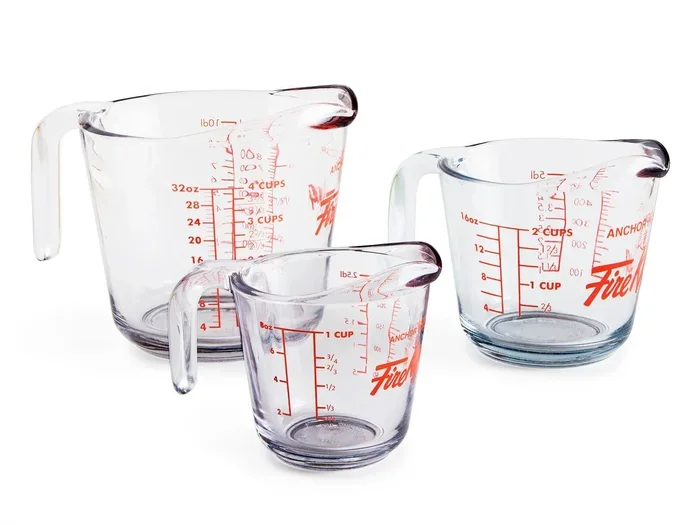
Many modern measuring cups and jugs show both ounces and milliliters on their markings. If you buy a new liquid measuring cup, look for one with dual markings. This saves you from doing any mental math at all.
Measurement Converter Apps
Smartphone apps make volume conversion even easier. You can download free converter apps that handle ounces, milliliters, cups, tablespoons, and many other units. Some apps even let you save favorite conversions for quick access.
Memorize the Key Numbers
If you cook or measure liquids often, it helps to memorize a few key numbers:
- 1 US fl oz is about 30 ml (rounded)
- 2 US fl oz is about 60 ml (rounded)
- 1 cup equals 8 fl oz or about 240 ml
- 1 tablespoon equals 0.5 fl oz or about 15 ml
With these numbers in your back pocket, you can estimate 2 oz in ml in seconds without reaching for a calculator or phone.
For those who also enjoy fitness activities, understanding liquid measurements pairs well with knowing your rowing machine workout hydration needs or tracking your morning jump rope routine fluid intake. Proper hydration supports all forms of exercise performance.
Practical Examples of 2 Oz in Ml in Everyday Life
Let us look at some real-world examples to make this even clearer.
Example 1: Following a Cocktail Recipe
You are making a classic cocktail that calls for 2 oz of vodka. Your jigger only has ml markings. You know that 2 oz in ml equals 59.14 ml for US fluid ounces. You pour 59 ml of vodka and your cocktail turns out perfectly balanced.
Example 2: Measuring a Liquid Supplement
Your nutrition label says to take 2 fl oz of a liquid supplement each morning. Your syringe or dropper is marked in milliliters. You convert 2 oz in ml to 59 ml and measure out the correct dose every day without guesswork.
Example 3: Scaling a Recipe
A sauce recipe calls for 2 oz of olive oil, but you are tripling the recipe. You need 6 oz total. Converting 6 oz in ml gives you 177 ml. You measure it out easily and your sauce turns out great.
Example 4: Packing for a Trip
Airline liquid rules often limit carry-on containers to 3.4 oz (100 ml). You have a bottle that holds 2 oz. You know that 2 oz in ml is about 59 ml, which is well under the 100 ml limit. You pack it with confidence.
How to Convert Other Ounce Amounts to Ml
Once you understand how 2 oz in ml works, you can apply the same method to any amount. The formula is simple:
Milliliters = Fluid Ounces x 29.57 (for US fluid ounces)
Here is a quick reference table for common conversions:
- 1 oz = 29.57 ml
- 2 oz = 59.14 ml
- 3 oz = 88.71 ml
- 4 oz = 118.28 ml
- 8 oz = 236.56 ml
- 16 oz = 473.12 ml
With this table handy, you never need to do the math from scratch. Just find your number and multiply by 29.57.
Frequently Asked Questions
Is 2 oz the same as 2 fl oz?
Yes, in everyday use, “2 oz” and “2 fl oz” both refer to 2 fluid ounces when measuring liquids. The “fl” simply makes it clear that you are talking about volume, not weight. When you see 2 oz in ml on a liquid label, it means 2 fluid ounces.
Can I use a kitchen scale to measure 2 oz in ml?
A kitchen scale measures weight, not volume. For water and similar liquids, 2 US fluid ounces weighs about 2 ounces by weight, so the numbers happen to match. But for thicker liquids like oil or syrup, the weight and volume differ. Use a liquid measuring cup or a measurement converter for volume-based measurements.
What is the easiest way to remember the 2 oz in ml conversion?
Remember that 1 US fluid ounce is close to 30 ml. So 2 fluid ounces is close to 60 ml. For quick mental math, just multiply the number of ounces by 30. This gives you a close enough answer for most cooking and everyday uses.
Does the temperature of the liquid affect the 2 oz in ml conversion?
Technically yes, because liquids expand when heated and contract when cooled. However, the difference is tiny for everyday purposes. At room temperature, 2 oz in ml is 59.14 ml regardless of whether the liquid is slightly warm or cool. Only in scientific or industrial settings does temperature become a significant factor.
Is 59 ml exactly equal to 2 oz?
Not exactly. 2 US fluid ounces equals 59.14 ml. The difference between 59 ml and 59.14 ml is tiny and will not affect any recipe, supplement dose, or everyday measurement. Rounding to 59 ml is perfectly fine for practical use.
Where can I find a reliable oz to ml converter online?
Many trusted websites offer free volume conversion tools. Look for converters that clearly label whether they use US or imperial fluid ounces. Government measurement websites and cooking sites often provide the most accurate and reliable conversion tools.
Final Thoughts
Converting 2 oz in ml is one of those simple skills that makes everyday life a little easier. Whether you are in the kitchen, at the gym, traveling, or just trying to follow a recipe correctly, knowing that 2 fluid ounces equals about 59 milliliters gives you confidence and accuracy.
The key takeaways are straightforward. Always check whether your ounces are US or imperial fluid ounces. Use the conversion factor of 29.57 for US fluid ounces. And remember that for quick estimates, multiplying by 30 works just fine for most situations.
Keep this guide bookmarked for the next time you encounter a liquid measurement puzzle. The more you practice these conversions, the more natural they become. Soon, converting 2 oz in ml will feel like second nature, and you will never second-guess a liquid measurement again.