How to Cook Pumpkin Easy Tips for Delicious Results
Learning how to cook pumpkin is easier than you think, and the results are incredibly rewarding. Whether you want to roast it, boil it, or turn it into a smooth puree, this guide covers every method you need. You will discover simple tips for preparation, cooking times, and flavor ideas that make pumpkin shine in any dish.
Pumpkin season is one of the best times of the year. The air gets crisp, the leaves turn golden, and kitchens everywhere fill with the warm smell of autumn pumpkin dishes. But if you have never cooked with pumpkin before, it can feel a little intimidating.
Here is the good news. How to cook pumpkin is much simpler than most people think. You do not need fancy equipment or years of cooking experience. With a few basic steps and the right guidance, you can turn a humble pumpkin into something truly delicious. This guide will walk you through every part of the process, from choosing the right pumpkin to serving your finished dish.
Whether you are a complete beginner or someone looking to refine your pumpkin recipes, you will find plenty of practical tips here. We will cover preparation, cooking methods, puree making, seed roasting, and common mistakes to avoid. By the end, you will feel confident and excited to cook with pumpkin all season long.
Key Takeaways
- Choose the right pumpkin: Sugar pie pumpkins work best for cooking because they have sweet, dense flesh.
- Prep matters: Properly washing, cutting, and seeding your pumpkin ensures even cooking and better flavor.
- Multiple cooking methods work well: Roasting, boiling, and steaming each bring out different textures and tastes.
- Homemade pumpkin puree is simple: You can make it in under an hour with just one ingredient.
- Do not waste the seeds: Roasted pumpkin seeds are a nutritious and delicious snack.
- Storage is easy: Cooked pumpkin keeps well in the fridge for up to a week and freezes beautifully.
📑 Table of Contents
- How to Prepare Pumpkin for Cooking
- Best Ways to Cook Pumpkin
- How to Make Pumpkin Puree from Scratch
- Delicious Pumpkin Recipes to Try
- Pumpkin Seeds: Do Not Throw Them Away
- Tips for Perfect Pumpkin Every Time
- Common Mistakes to Avoid
- Expert Insights on Cooking Pumpkin
- How to Store and Freeze Cooked Pumpkin
- Conclusion
How to Prepare Pumpkin for Cooking
Before you start cooking, proper preparation makes all the difference. Taking the time to prep your pumpkin correctly ensures even cooking, better flavor, and a much smoother experience overall.
Choose the Right Pumpkin
Not all pumpkins are created equal. When it comes to cooking pumpkin, you want to look for sugar pie pumpkins or small sugar pumpkins. These are smaller, usually about six to eight inches across, and they have dense, sweet flesh. Large carving pumpkins may look impressive, but their flesh tends to be watery and bland.
Here is what to look for when selecting a pumpkin:
- A firm rind with no soft spots or cracks
- A deep, rich orange color
- A heavy weight for its size
- A dry, intact stem
These signs tell you the pumpkin is fresh and full of pumpkin flesh that will cook up beautifully. Avoid any pumpkins that feel hollow or light, as they may be old and dried out inside.
Wash and Cut Your Pumpkin
Start by rinsing the outside of the pumpkin under cool running water. Use a vegetable brush to gently scrub away any dirt. Even if you plan to peel the pumpkin, washing the exterior is important because your knife will push surface bacteria into the flesh during cutting.
To cut a pumpkin, place it on a stable cutting board. Use a large, sharp chef knife and carefully slice through the stem. Then cut the pumpkin in half from top to bottom. Scoop out the seeds and stringy pulp with a large spoon. A metal ice cream scoop works great for this job.
If your recipe calls for pumpkin halves, you are ready to go. If you need smaller pieces, cut each half into wedges or cubes depending on your cooking method.
Peeling Tips
Some recipes call for peeled pumpkin, while others work perfectly with the skin on. Roasting pumpkin with the skin on is the easiest method. The skin softens during cooking and slides right off afterward. For boiling or steaming, peeling beforehand is best since the skin can be tough after cooking.
A quick tip: use a vegetable peeler or a sharp paring knife for removing the skin. The pumpkin skin can be tough, so take your time and work carefully.
Best Ways to Cook Pumpkin
There are several excellent methods for cooking pumpkin. Each one brings out different textures and flavors. Let us explore the most popular approaches so you can choose what works best for your needs.
Roasting Pumpkin
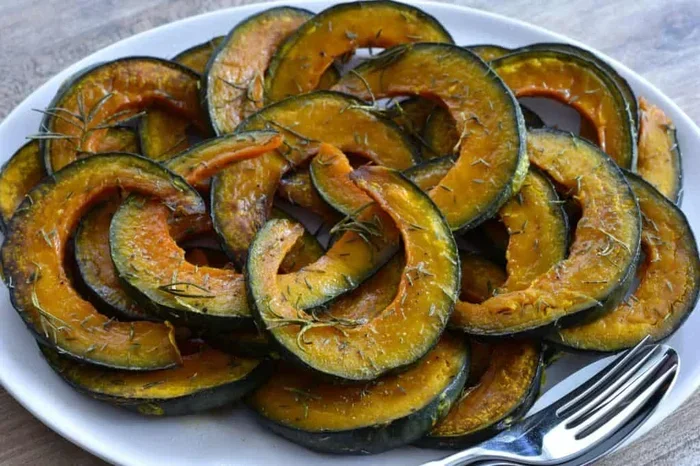
Roasting is the most popular way to bake pumpkin, and for good reason. It concentrates the natural sugars and creates a rich, caramelized flavor that is hard to beat.
Here is how to roast pumpkin:
- Preheat your oven to 400°F (200°C)
- Cut the pumpkin into wedges or cubes
- Toss the pieces with olive oil, salt, and pepper
- Spread them in a single layer on a baking sheet
- Roast for 30 to 45 minutes until tender and golden
The pumpkin oven method is hands-off and forgiving. You do not need to watch it closely. Just check for tenderness by poking a piece with a fork. If it slides in easily, your roasted pumpkin is ready.
Roasting works wonderfully for side dishes, salads, soups, and purees. The slight browning adds depth and complexity to the pumpkin flavor that boiling simply cannot match.
Boiling Pumpkin
Boiling is the fastest method and requires minimal effort. It produces soft, mild pumpkin that works well in purees, soups, and mashes.
To boil pumpkin, peel and cube the flesh into one-inch pieces. Place them in a pot and cover with cold water. Bring to a boil, then reduce heat and simmer for fifteen to twenty minutes. The pumpkin is done when it is fork-tender and falling apart.
Drain the water and let the pumpkin cool slightly before using. Boiled pumpkin has a lighter taste and smoother texture compared to roasted. It is ideal when you want a neutral base for pumpkin recipes that rely on added spices and sweeteners.
Steaming Pumpkin
Steaming sits between roasting and boiling. It preserves more nutrients than boiling while still producing a soft, tender result. If you care about pumpkin nutrition, steaming is an excellent choice.
To steam pumpkin, cut the flesh into small cubes and place them in a steamer basket over boiling water. Cover and steam for twenty to twenty-five minutes. The pumpkin is ready when it is easily pierced with a knife.
Steamed pumpkin has a clean, fresh taste that pairs beautifully with both savory and sweet dishes. It is a great option for baby food or for adding to smoothies.
How to Make Pumpkin Puree from Scratch
Homemade pumpkin puree is one of the most useful things you can make in your kitchen. It freezes well, tastes better than canned options, and gives you complete control over the texture.
The process is straightforward. Start by cooking your pumpkin using any method above. Roasting is preferred because it removes excess moisture and intensifies flavor. Once the pumpkin is cooked and soft, let it cool slightly.
Scoop the flesh away from the skin. Place the flesh in a food processor or blender. Blend until completely smooth, scraping down the sides as needed. If the puree seems too thick or watery, you can adjust by adding a small amount of water or cooking it longer to release more moisture.
Your homemade puree is now ready to use. Store it in airtight containers in the refrigerator for up to five days, or freeze it for up to six months. This is a wonderful easy pumpkin dish base for pies, breads, soups, and even pasta sauces.
Delicious Pumpkin Recipes to Try
Now that you know how to prepare and cook pumpkin, let us talk about putting it to use. The versatility of pumpkin in the kitchen is truly remarkable.
For a simple side dish, try roasted pumpkin wedges tossed with maple syrup, cinnamon, and a pinch of cayenne pepper. The combination of sweet and spicy is absolutely delightful, especially during the cooler months.
Pumpkin soup is another crowd favorite. Sauté onion and garlic in a pot, add cubed pumpkin and vegetable broth, and simmer until everything is soft. Blend until smooth, season with salt and nutmeg, and serve with a swirl of cream. It is comfort food at its finest.
If you have a sweet tooth, pumpkin bread and pumpkin muffins are fantastic uses for your puree. They are moist, aromatic, and perfect for sharing with family and friends. A warm slice of pumpkin bread with a cup of tea is one of life’s simple pleasures.
Do not overlook savory options either. Roasted pumpkin cubes add beautiful color and natural sweetness to grain bowls, salads, and risottos. They pair especially well with sage, rosemary, and goat cheese.
Pumpkin Seeds: Do Not Throw Them Away
When you are scooping out your pumpkin, save those seeds. Roasted pumpkin seeds are a nutritious and delicious snack that should never go to waste.
Rinse the seeds in a colander to remove all the stringy pulp. Spread them on a clean towel and let them dry completely. Toss them with olive oil and your favorite seasonings. Salt and pepper work well, but you can also try garlic powder, paprika, or a touch of cinnamon and sugar for a sweet version.
Spread the seasoned seeds on a baking sheet in a single layer. Bake at 300°F for about twenty to thirty minutes, stirring halfway through. They are done when golden brown and crispy. Let them cool completely before eating.
Pumpkin seeds are packed with magnesium, zinc, and healthy fats. They make a great topping for yogurt, salads, and oatmeal. This is one of the easiest ways to add extra nutrition to your meals.
Tips for Perfect Pumpkin Every Time
Cooking pumpkin successfully comes down to a few key details. Keep these tips in mind to get the best results every single time.
Always check for doneness. Different methods and pumpkin sizes will affect cooking time. Use a fork or knife to test tenderness. The flesh should slide apart easily with no resistance.
Do not overcrowd the pan. When roasting or steaming, give the pumpkin pieces space. Overcrowding traps steam and leads to uneven cooking. Use a large baking sheet or multiple batches if needed.
Season at the right time. Salt draws moisture out of vegetables. If you are roasting pumpkin, toss it with oil and season before cooking. If you are boiling, season the water instead so the flavor penetrates the flesh.
Store cooked pumpkin properly. Let it cool completely before storing. Use airtight containers and refrigerate within two hours of cooking. Proper storage keeps your pumpkin fresh and safe to eat.
Experiment with spices. Pumpkin pairs wonderfully with cinnamon, nutmeg, ginger, cumin, and smoked paprika. Do not be afraid to get creative with your seasoning combinations.
Common Mistakes to Avoid
Even experienced cooks make mistakes when working with pumpkin. Here are a few pitfalls to watch out for.
Using the wrong type of pumpkin is the most common error. Large carving pumpkins are not designed for eating. Their flesh is fibrous and watery, which leads to disappointing results every time. Stick to sugar pie or cooking pumpkins for the best flavor and texture.
Another mistake is skipping the drying step when roasting seeds. If the seeds are still wet when they go in the oven, they will steam instead of roast. This means no crispy texture and no golden color. Always pat them dry thoroughly before seasoning.
Overcooking pumpkin is also easy to do, especially when boiling. Overcooked pumpkin turns mushy and loses its shape. Keep a close eye on the pot and test for doneness frequently. You want tender but not falling apart.
Finally, do not underestimate the importance of proper pumpkin preparation. Skipping the washing step or not removing all the seeds and strings can affect both the taste and texture of your final dish. Take the extra few minutes to prep properly, and your results will speak for themselves.
Expert Insights on Cooking Pumpkin
Professional chefs and nutritionists agree that pumpkin is one of the most underrated ingredients in the home kitchen. Its mild, slightly sweet flavor acts as a blank canvas that absorbs spices and complements both sweet and savory dishes.
According to food experts, the key to unlocking pumpkin’s full potential lies in temperature control. High heat roasting creates the Maillard reaction, which produces complex flavors and appealing browning. Low and slow cooking, on the other hand, gently breaks down the fibers for silky purees and soups.
Nutritionists highlight pumpkin as a powerhouse of pumpkin health benefits. It is rich in beta-carotene, which converts to vitamin A in the body. It also provides fiber, potassium, and vitamin C. Adding homemade pumpkin to your meals is an easy way to boost your nutrient intake without adding processed ingredients.
When asked about the best method for beginners, most experts recommend starting with roasting. It is forgiving, requires minimal attention, and delivers outstanding flavor. Once you master roasting, you can branch out into other methods with confidence.
How to Store and Freeze Cooked Pumpkin
One of the best things about cooking pumpkin is that leftovers keep well. Cooked pumpkin stored in the refrigerator stays fresh for up to one week in an airtight container.
For longer storage, freezing is your best friend. Portion your cooked pumpkin or puree into freezer-safe bags or containers. Label each one with the date and the amount. Frozen pumpkin keeps for up to six months without losing its quality.
When you are ready to use frozen pumpkin, thaw it overnight in the refrigerator. If you are using puree, you can also thaw it quickly in a microwave or add it directly to hot recipes like soups and stews.
Proper storage means you can enjoy your autumn pumpkin creations well beyond the season. It also saves you time when meal planning, since you always have a versatile ingredient ready to go.
Conclusion
Learning how to cook pumpkin opens up a world of delicious possibilities in your kitchen. From choosing the right pumpkin to mastering roasting, boiling, and pureeing, this guide has given you everything you need to succeed.
Pumpkin recipes are endlessly versatile, and the health benefits make this seasonal squash a smart choice for any meal. Whether you are making a hearty soup, a sweet dessert, or a simple side dish, the results will impress everyone at your table.
Start with the basics, follow the tips in this guide, and do not be afraid to experiment. The more you cook with pumpkin, the more creative you will become. So grab a pumpkin, fire up your oven, and enjoy the wonderful world of cooking pumpkin. Your taste buds will thank you.
Frequently Asked Questions
What type of pumpkin is best for cooking?
Sugar pie pumpkins are the best choice for cooking. They are smaller, sweeter, and have denser flesh compared to large carving pumpkins. Look for pumpkins that are six to eight inches in diameter with a deep orange color and firm skin.
How long does it take to cook pumpkin?
Cooking time depends on the method and the size of your pumpkin pieces. Roasting takes about thirty to forty-five minutes at 400°F. Boiling takes fifteen to twenty minutes. Steaming takes twenty to twenty-five minutes. Always test for tenderness with a fork to confirm doneness.
Can you eat pumpkin skin?
Yes, pumpkin skin is edible when cooked. When roasting pumpkin with the skin on, the skin softens and becomes easy to eat. However, for boiling and steaming, it is best to peel the pumpkin beforehand since the skin can remain tough after these methods.
How do you store cooked pumpkin?
Store cooked pumpkin in an airtight container in the refrigerator for up to one week. For longer storage, freeze it in freezer-safe bags or containers for up to six months. Always let the pumpkin cool completely before storing it.
Are pumpkin seeds healthy?
Yes, pumpkin seeds are very nutritious. They are rich in magnesium, zinc, healthy fats, and protein. Roasting them with a little olive oil and salt makes for a crunchy, satisfying snack that is far healthier than processed alternatives.
Can I use canned pumpkin instead of fresh?
Absolutely. Canned pumpkin works well in most recipes and is a convenient substitute. However, homemade puree has a fresher flavor and no added ingredients. If you use canned pumpkin, look for 100% pure pumpkin without added sugars or spices.