How to Cook Chateaubriand Steak for a Special Dinner
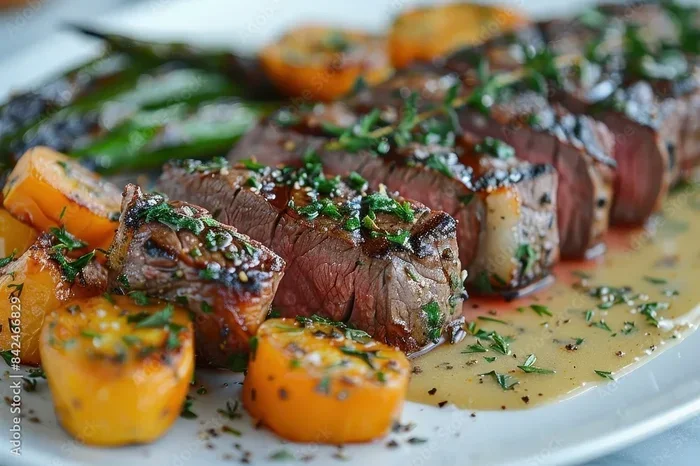
Cooking a chateaubriand steak is easier than you think, and the results are absolutely stunning. This center-cut beef tenderloin steak is the ultimate showstopper for any special dinner, delivering a juicy, perfectly seared crust with a buttery interior. Follow our simple steps, and you will master this classic steakhouse favorite in your own kitchen.
There is something magical about a chateaubriand steak. It is the kind of dish that turns an ordinary evening into a memorable event. Whether you are celebrating an anniversary, impressing guests, or simply treating yourself, this beef tenderloin roast is the star of the table.
If you have never cooked one before, do not worry. This guide walks you through every step with clear, simple instructions. You will learn how to select the perfect cut, sear it to perfection, and serve a steak that rivals any high-end steakhouse. By the end, you will feel confident and excited to make this special dinner a reality.
Key Takeaways
- Choose the right cut: A center-cut beef tenderloin is essential for an authentic chateaubriand steak.
- Bring steak to room temperature: This ensures even cooking and a beautiful sear.
- Sear at high heat: A hot pan creates that perfect charred crust you love.
- Use a meat thermometer: Pull the steak at 130°F for a perfect medium-rare finish.
- Rest the steak: Letting it rest locks in the juices for a moist, flavorful bite.
- Pair with classic sides: Roasted vegetables and a red wine sauce elevate the dish.
📑 Table of Contents
What Is a Chateaubriand Steak?
The chateaubriand steak comes from the center of the beef tenderloin. Unlike individual steaks, this is a large, thick roast meant to serve two or more people. It is a classic French dish with a rich history and an elegant presentation.
Why It Stands Out
This cut is special for several reasons. First, the beef tenderloin is naturally tender. There is very little connective tissue, which means the steak stays juicy and soft. Second, the center cut is the most uniform part of the tenderloin. It cooks evenly, so you do not have to worry about one side being overdone while the other is undercooked.
Third, the size of a chateaubriand makes it perfect for sharing. It is a communal cut that brings people together. Think of it as the centerpiece of a special dinner that everyone remembers.
Chateaubriand vs. Filet Mignon
People often confuse the chateaubriand with filet mignon. While both come from the beef tenderloin, they differ in size and preparation. A filet mignon is a small, individual steak, usually about two inches thick. The chateaubriand is much larger, typically four to six inches long and cut from the thickest part of the tenderloin.
The cooking method also differs. Filet mignon is often pan-seared or grilled quickly. The chateaubriand is usually seared and then finished in the oven or sliced and served with a sauce. Both are delicious, but the chateaubriand makes more of a statement on the plate.
Choosing the Perfect Chateaubriand Steak
Selecting the right steak is the foundation of a great meal. A poor cut will not improve no matter how well you cook it. Here is what to look for when buying a chateaubriand steak.
Look for USDA Prime or Choice
The grade of the beef matters a lot. USDA Prime beef has the most marbling, which is the thin white streaks of fat running through the meat. Marbling adds flavor and keeps the steak moist during cooking. USDA Choice is also excellent and more widely available at most grocery stores.
If you can find a center-cut beef tenderloin from a trusted butcher, even better. A butcher can help you pick the thickest, most uniform piece. They can also trim it to your preferred size.
Size and Thickness Matter
For two people, look for a roast that is about four inches long and three inches thick. For four people, go with a larger cut, around six to eight inches long. The thickness is key because it allows you to sear the outside while keeping the inside perfectly pink.
Avoid thin cuts. A thin beef tenderloin will overcook quickly and lose its juiciness. Thick cuts give you more control over the final steak temperature.
Fresh vs. Frozen
Fresh is always best when possible. If you buy frozen, thaw it slowly in the refrigerator for 24 to 48 hours. Never use warm water or a microwave to thaw beef. These methods can partially cook the edges and ruin the texture of the red meat.
Preparing Your Chateaubriand Steak
Preparation is where the magic begins. Taking the time to prep the steak properly makes a huge difference in the final result.
Bring the Steak to Room Temperature
Remove the steak from the refrigerator at least 30 to 45 minutes before cooking. This step is crucial. A cold steak placed in a hot pan will cook unevenly. The outside will burn while the inside remains cold.
Letting the beef steak warm up slightly ensures that the heat spreads evenly throughout the roast. You get a perfect medium-rare center with a beautiful, charred crust all around.
Season Simply but Effectively
Great steak seasoning does not need to be complicated. Start with coarse salt and freshly cracked black pepper. Press the seasoning gently into both sides of the roast.
Some cooks like to add garlic powder or a touch of smoked paprika. That is fine, but keep it simple. The quality of the beef should shine through. Over-seasoning can mask the natural flavor of the prime cut.
Pat the Steak Dry
Use a paper towel to pat the surface of the steak completely dry. Moisture is the enemy of a good sear. A dry surface means a better charred crust and a more flavorful pan-seared steak.
This is a step many people skip, but it makes a noticeable difference. Do not rush it. A few extra seconds with a paper towel will pay off with a stunning crust.
Cooking the Chateaubriand Steak
Now comes the fun part. Cooking a chateaubriand steak is straightforward, but it does require attention and timing.
Preheat Your Pan
Place a heavy skillet, preferably cast iron, on the stove over high heat. Let it get ripping hot before adding any oil. A hot pan is essential for a good sear. It creates that satisfying sizzle and locks in the juices.
Add a high smoke-point oil like avocado or grapeseed oil. Avoid olive oil for searing because it burns at lower temperatures.
Sear the Steak
Carefully place the steak in the hot pan. You should hear a loud sizzle right away. If you do not, the pan is not hot enough. Let the steak sear without moving it for about three to four minutes on the first side.
Flip the steak and sear the other side for another three to four minutes. Use tongs to hold the steak and sear the edges as well. This gives the entire roast a beautiful brown crust.
Finish in the Oven
After searing, transfer the skillet to a preheated oven at 400°F. This step gently cooks the inside without burning the outside. Cook for about 10 to 15 minutes depending on the thickness.
Use a meat thermometer to check the internal temperature. For medium-rare, pull the steak at 130°F. For medium, aim for 140°F. Remember that the temperature will rise a few degrees while the steak rests.
The Butter Baste Technique
For an extra layer of flavor, try the butter baste method. After flipping the steak, add a tablespoon of butter, a crushed garlic clove, and a sprig of fresh thyme to the pan.
Tilt the pan slightly and use a spoon to baste the melted butter over the steak repeatedly. This technique adds richness and a wonderful aroma to the juicy steak. It is a restaurant trick that works beautifully at home.
Resting and Serving the Steak
Resting the steak is just as important as cooking it. Skipping this step can ruin all your hard work.
Why Resting Matters
When the steak is cooking, the juices move toward the center. If you cut into it immediately, those juices will spill out onto the cutting board. The steak will be dry and less flavorful.
Let the chateaubriand steak rest on a cutting board for at least five to ten minutes. This allows the juices to redistribute evenly throughout the meat. When you slice into it, every bite will be moist and full of flavor.
Slicing Like a Pro
Use a sharp knife to slice the steak against the grain. The tenderloin does not have a strong grain, but cutting at a slight angle ensures the most tender slices. Cut pieces about half an inch thick for the best eating experience.
Arrange the slices on a warm plate and drizzle any resting juices from the board over the top. This simple step adds extra flavor and makes the presentation beautiful.
Perfect Sides for Your Chateaubriand Dinner
A great special dinner deserves the right sides. The chateaubriand is rich and indulgent, so pair it with lighter, fresh options to balance the meal.
Roasted Seasonal Vegetables
Roasted asparagus, carrots, and Brussels sprouts are classic companions. Toss the vegetables in olive oil, salt, and pepper, then roast them at 400°F for 20 to 25 minutes. The slight char on the vegetables complements the savory steak perfectly.
Crispy Garlic Mashed Potatoes
Mashed potatoes are a timeless pairing. Add roasted garlic and a touch of butter for extra richness. The creamy texture contrasts beautifully with the seared crust of the beef steak.
A Simple Green Salad
Keep it light with a mixed green salad dressed in a simple vinaigrette. The acidity of the dressing cuts through the richness of the steak and refreshes the palate between bites.
Common Mistakes to Avoid
Even experienced cooks can make mistakes when preparing a chateaubriand steak. Here are the most common pitfalls and how to avoid them.
Skipping the Room Temperature Step
Cooking a cold steak leads to uneven results. The outside will be overcooked while the center stays cold. Always let the beef warm up for at least 30 minutes before it hits the pan.
Not Using a Meat Thermometer
Guessing the doneness of a thick roast is risky. A meat thermometer takes the guesswork out of cooking. It ensures your steak temperature is exactly where you want it every single time.
Cutting Into the Steak Too Early
Resist the urge to cut into the steak to check if it is done. You will lose precious juices. Trust the thermometer and let the steak rest before serving.
Using the Wrong Pan
A thin, flimsy pan will not hold enough heat for a proper sear. Invest in a heavy cast iron skillet or a thick stainless steel pan. The weight of the pan makes a real difference in achieving that perfect crust.
Expert Tips for the Best Chateaubriand Steak
Take your chateaubriand steak to the next level with these professional tips.
- Dry brine the night before. Salt the steak and leave it uncovered in the refrigerator overnight. This draws out moisture, which gets reabsorbed, seasoning the meat deeply and creating a drier surface for a better sear.
- Use compound butter. Mix softened butter with fresh herbs like rosemary and parsley, plus a pinch of garlic. Place a dollop on top of the rested steak and let it melt over the slices.
- Add a splash of red wine to the pan. After removing the steak, deglaze the skillet with a half cup of red wine. Scrape up the browned bits and use the liquid as a base for a quick pan sauce.
- Let the steak tell you when it is done. A properly cooked chateaubriand will feel firm but springy when you press it with your finger. Practice this technique alongside using a thermometer for the best results.
Final Thoughts
Cooking a chateaubriand steak at home is one of the most rewarding things you can do in the kitchen. It is not complicated, but it does require patience and attention to detail. From selecting the right center-cut beef tenderloin to searing it to perfection and letting it rest, every step matters.
The result is a juicy steak with a gorgeous crust and a tender, flavorful center that will impress anyone at the table. Whether it is a romantic dinner for two or a celebration with friends, the chateaubriand steak makes every occasion feel special.
Now that you know how to cook it, gather your ingredients, fire up the stove, and make this special dinner happen. Your kitchen will smell incredible, and your guests will never forget the meal. A perfectly cooked chateaubriand steak is not just food. It is an experience.
Frequently Asked Questions
What is a chateaubriand steak made of?
A chateaubriand steak is cut from the center of the beef tenderloin. It is a thick, center-cut roast that is naturally tender and lean. This prime cut is prized for its buttery texture and mild, rich flavor.
How thick should a chateaubriand steak be?
For the best results, aim for a thickness of at least three inches. A thicker cut allows you to sear the outside while keeping the inside perfectly pink. It also gives you more control over the final steak temperature.
Can I grill a chateaubriand steak instead of pan-searing?
Absolutely. Grilling is a wonderful alternative to pan-searing. Preheat your grill to high heat and sear the steak for a few minutes on each side. Then move it to a cooler part of the grill to finish cooking. The smoky flavor adds a lovely dimension to the beef steak.
What is the best internal temperature for chateaubriand steak?
For medium-rare, pull the steak at an internal temperature of 130°F. For medium, 140°F is ideal. Always let the steak rest for five to ten minutes after cooking, as the temperature will continue to rise slightly.
What sauce pairs well with chateaubriand steak?
A classic red wine sauce is the traditional pairing. You can also try a creamy mushroom sauce, a simple herb butter, or a peppercorn sauce. The rich flavor of the chateaubriand steak pairs beautifully with bold, savory sauces.
How many people does a chateaubriand steak serve?
A standard chateaubriand roast serves two to four people, depending on the size of the cut. For a special dinner with more guests, you can slice the steak thinly and serve it alongside other dishes. The generous size makes it perfect for sharing.