Does Molasses Go Bad Here Is Everything You Need To Know
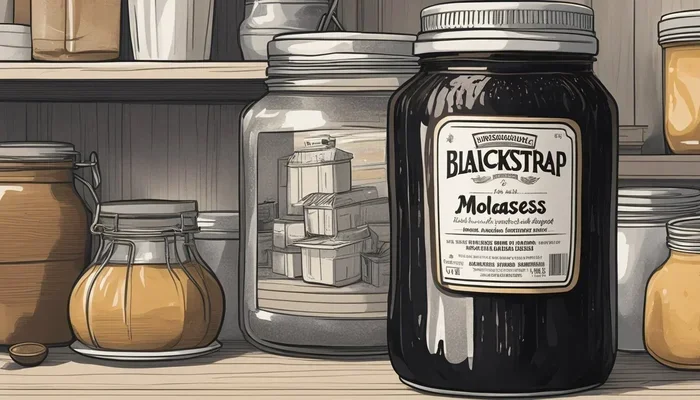
Molasses can last for years when stored properly, but it does eventually degrade in quality over time. Understanding how to store molasses and recognize spoilage signs helps you get the most out of this sweet pantry staple. This guide covers shelf life, storage methods, and tips for keeping your molasses fresh.
Molasses is one of those pantry staples that tends to sit in the back of your cupboard for months or even years. You might pull it out for a recipe and wonder, does molasses go bad? The short answer is yes, but it takes a long time under the right conditions.
In this guide, I will walk you through everything you need to know about molasses shelf life. We will cover how to store it properly, how to tell if it has gone bad, and tips to keep your molasses fresh for as long as possible. Whether you use molasses for baking, cooking, or just spreading on toast, this article has you covered.
Let us dive in and make sure your molasses is always at its best.
Key Takeaways
- Molasses has a long shelf life: Unopened molasses can last 2+ years, while opened molasses stays good for about 1-2 years when stored correctly.
- Proper storage is key: Keep molasses in a cool, dark place with a tightly sealed lid to prevent oxidation and contamination.
- Watch for spoilage signs: Changes in color, smell, or texture can indicate that your molasses has gone bad.
- Different types have different lifespans: Blackstrap, light, and dark molasses each have slightly different shelf life expectations.
- Refrigeration extends freshness: Storing molasses in the fridge after opening can significantly prolong its quality.
- Expired molasses is usually safe: Molasses past its best-by date is often still usable if there are no signs of spoilage.
📑 Table of Contents
What Is Molasses And Why Does It Last So Long?
Molasses is a thick, dark syrup made during the sugar refining process. It is what remains after sugar cane or sugar beets are boiled multiple times to extract crystallized sugar. The result is a rich, sweet liquid packed with vitamins and minerals like iron, calcium, and magnesium.
Because molasses has very low moisture content and high sugar concentration, it naturally resists bacterial growth. This is the main reason molasses lasts so long compared to other sweeteners. The sugar acts as a natural preservative, creating an environment where most microorganisms cannot survive.
However, molasses is not immortal. Over time, exposure to air, heat, and light can break down its quality. The flavor may change, the texture may thicken or thin out, and in rare cases, it can actually spoil. This is why proper storage matters so much.
Interestingly, if you are also curious about other pantry items or kitchen staples, understanding how long things last is part of being a smart home cook. Even fitness enthusiasts who track their nutrition pay attention to ingredient quality. For example, knowing how many calories does a kettlebell swing burn helps people balance their diet, just as knowing molasses shelf life helps them use ingredients wisely.
Does Molasses Go Bad? Understanding Shelf Life
So, does molasses go bad? Yes, but it depends on several factors including the type of molasses, whether the container has been opened, and how it is stored. Let us break this down by category.
Unopened Molasses Shelf Life
Unopened molasses has an impressive shelf life. Most manufacturers print a best-by date that is 2 to 3 years from the production date. However, unopened molasses can often last well beyond that date if stored in a cool, dark place.
Here is a quick look at unopened molasses shelf life:
- Best quality: 2 to 3 years from production
- Still safe to use: 4 to 5 years past the best-by date in most cases
- Quality decline: Flavor and color may slowly change over many years
The key thing to remember is that best-by dates are not expiration dates. They indicate when the manufacturer expects the product to be at peak quality. Molasses does not suddenly become dangerous after that date.
Opened Molasses Shelf Life
Once you open a jar of molasses, the clock starts ticking a bit faster. Opened molasses typically stays at its best quality for about 1 to 2 years. After that, you may notice changes in flavor, color, or texture.
Factors that affect opened molasses shelf life include:
- How often the jar is opened and exposed to air
- Whether the lid is sealed tightly after each use
- Storage temperature and light exposure
- Whether any contaminants like water or crumbs get into the jar
To maximize the life of your opened molasses, always use a clean, dry spoon. Never dip a wet or dirty utensil into the jar, as this introduces moisture and bacteria that can speed up spoilage.
Types Of Molasses And How Long Each Lasts
Not all molasses is created equal. Different types have slightly different shelf lives due to their processing and sugar content.
- Light Molasses: This is the mildest and sweetest type. It tends to last the longest because it has the highest sugar content and lowest mineral content. Unopened, it can last 3+ years.
- Dark Molasses: Second boiling produces dark molasses, which has a richer flavor and slightly lower shelf life than light molasses. It stays good for about 2 to 3 years unopened.
- Blackstrap Molasses: This is the most nutritious but also the most bitter type. Because it has more mineral content, it may degrade slightly faster. Expect about 2 years of best quality unopened.
- Sulphured vs Unsulphured: Sulphured molasses contains preservatives that can extend shelf life. Unsulphured molasses relies on its natural properties for preservation and may have a slightly shorter window.
For more on related kitchen and health topics, some people also explore whether they should track nutritional intake alongside their pantry management. Knowing what speed does a treadmill go up to might seem unrelated, but the principle is the same, understanding your equipment and ingredients so you get the best results from them.
How To Store Molasses Properly
Storage is the single most important factor in determining whether your molasses goes bad quickly or stays fresh for years. The right storage method can add months or even years to its usable life.
Room Temperature Storage
For unopened molasses, room temperature storage works perfectly. Keep the jar in a cool, dark place like a pantry or cupboard. Avoid storing molasses near the stove, oven, or any heat source, as heat accelerates degradation.
Ideal room temperature storage conditions include:
- A temperature between 50°F and 70°F (10°C to 21°C)
- A dark cabinet or pantry away from direct sunlight
- A dry area with low humidity
- The original container with the lid tightly sealed
Refrigerator Storage
Once opened, storing molasses in the refrigerator is a great idea. The cold temperature slows down oxidation and helps maintain the flavor and consistency for longer. Refrigerated molasses may thicken slightly, but this is normal and does not mean it has gone bad.
Just let it sit at room temperature for 15 to 20 minutes before using if it has become too thick to pour easily. The flavor and quality will be much better than molasses stored at room temperature for a long time after opening.
Freezer Storage
You can also freeze molasses for long-term storage. Molasses does not freeze solid because of its high sugar content, so it stays in a thick, pourable state. Frozen molasses can last for 3 to 5 years or more.
If you choose to freeze molasses, use an airtight container and leave some room for expansion. Thaw it in the refrigerator overnight before using.
Container Tips
The container you store molasses in matters more than you might think. Always use the original glass jar if possible. Glass does not react with molasses and keeps out air and light better than plastic.
If you transfer molasses to a different container, make sure it is airtight and made of food-safe material. Avoid metal containers that are not stainless steel, as the acid in molasses can react with certain metals and affect the flavor.
Signs Your Molasses Has Gone Bad
Knowing the signs of spoiled molasses helps you avoid using something that tastes off or could potentially make you sick. Here are the key warning signs to watch for.
Changes In Color
Fresh molasses has a rich, deep brown color. If you notice your molasses has become significantly lighter or developed an unusual tint, this could indicate degradation. A faded or washed-out appearance often means the molasses has lost its freshness.
Change In Smell
This is one of the most reliable indicators. Fresh molasses has a sweet, slightly bitter, and rich aroma. If your molasses smells sour, alcoholic, or just plain off, it has likely gone bad. Trust your nose, if it smells wrong, it probably is wrong.
Change In Texture
Molasses naturally thickens over time, especially in the fridge. But if it becomes extremely thick, lumpy, or develops a strange consistency, that is a red flag. Also, if you notice any visible mold or floating particles, discard the molasses immediately.
Change In Taste
If the smell seems okay but you are unsure, a tiny taste test can help. Spoiled molasses will taste sour, flat, or just plain wrong compared to its normal rich, sweet flavor. If it does not taste right, throw it out.
Just like monitoring the quality of your pantry staples, paying attention to the details matters in all areas of life. Even fitness tracking requires attention to detail, like understanding what speed should I go on the treadmill for your fitness goals. The same careful attention applies to checking if your molasses is still good.
Can You Use Expired Molasses?
The short answer is usually yes. Molasses past its best-by date is often still perfectly safe to consume, provided there are no signs of spoilage. The best-by date is a quality indicator, not a safety indicator.
Here is what to keep in mind when using molasses that is past its printed date:
- Check the color, smell, and texture first
- If it looks and smells normal, it is most likely fine
- Use it in baked goods where slight flavor changes will not matter as much
- Do not use it if you notice any mold, off smells, or unusual texture
- When in doubt, throw it out, your health is more important than saving a jar of molasses
Expired molasses that has been stored properly can still work wonderfully in recipes like gingerbread, baked beans, and marinades. The flavor might be slightly less intense, but the molasses will still do its job.
Common Mistakes That Shorten Molasses Shelf Life
Avoiding these common mistakes can help your molasses last much longer.
- Leaving the lid loose: Air exposure is the enemy of molasses. Always screw the lid on tightly after every use.
- Using dirty utensils: Introducing crumbs, water, or bacteria from unwashed spoons can contaminate the entire jar.
- Storing near heat sources: Keeping molasses near the stove or in a sunny spot speeds up chemical breakdown.
- Ignoring spoilage signs: If something smells or looks off, do not taste it and just discard it.
- Transferring to non-food-safe containers: Reactive containers can alter the flavor and reduce shelf life.
Quick Tips For Keeping Molasses Fresh
- Always seal the lid tightly after each use
- Store in a cool, dark, and dry place
- Use a clean, dry spoon every time
- Refrigerate after opening for maximum freshness
- Label the jar with the opening date so you know how long it has been open
- Keep molasses away from direct sunlight and heat
- If molasses becomes too thick, warm the jar in a bowl of warm water to soften it
Final Thoughts
So, does molasses go bad? Yes, but it takes a long time when you store it properly. Unopened molasses can easily last 3 to 5 years or more, and opened molasses stays good for 1 to 2 years with proper care. The key is to store it in a cool, dark place, keep the lid tight, and always use clean utensils.
By paying attention to the signs of spoilage and following the storage tips in this guide, you can enjoy your molasses at its best for a very long time. Molasses is a versatile and nutritious sweetener that deserves a spot in every kitchen, and now you know exactly how to keep it fresh.
Remember, molasses does not go bad overnight. It is a patient, long-lasting pantry staple that rewards you with rich flavor and health benefits when you treat it right. Keep these tips in mind, and your molasses will always be ready whenever you need it.
Frequently Asked Questions
How can you tell if molasses has gone bad?
Check for changes in color, smell, and texture. Fresh molasses has a rich, sweet aroma and a deep brown color. If it smells sour, looks faded, or has visible mold, it has gone bad and should be discarded immediately.
Can you use molasses after the expiration date?
Yes, molasses past its best-by date is usually still safe to use if there are no signs of spoilage. The best-by date indicates peak quality, not safety. Always inspect the molasses for changes in smell, color, or texture before using it.
Does molasses need to be refrigerated after opening?
Refrigerating opened molasses is not required but highly recommended. The cold temperature slows oxidation and helps preserve the flavor and quality for longer. Molasses may thicken in the fridge, but it is still perfectly usable.
How long does molasses last once opened?
Opened molasses typically stays at its best quality for 1 to 2 years when stored properly in a sealed container in a cool, dark place or the refrigerator.
Can molasses grow mold?
Yes, in rare cases molasses can develop mold, especially if contaminated with water or food particles. Always use a clean, dry spoon and keep the lid tightly sealed to prevent mold growth.
What is the difference between light and dark molasses shelf life?
Light molasses generally lasts longer than dark molasses because it has a higher sugar content and fewer minerals. Unopened light molasses can last 3 or more years, while dark molasses is best within 2 to 3 years.