Ceramic Cookware Selection Guide for Smart Kitchen Buyers
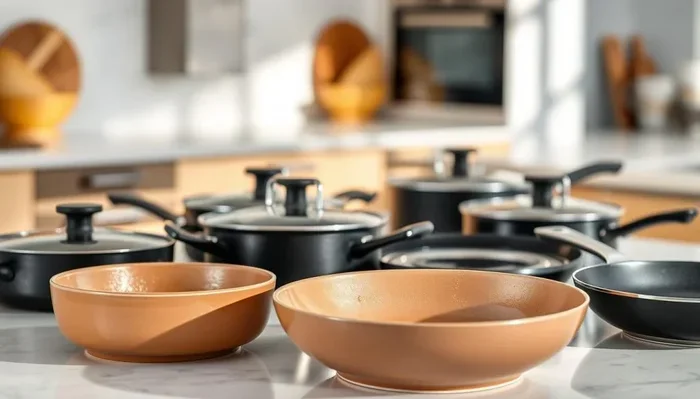
Choosing the right ceramic cookware doesn’t have to be overwhelming. This guide walks you through everything you need to know about ceramic cookware selection, from types and brands to care tips and buying factors. You will learn how to pick the best ceramic coated cookware for your cooking style and budget.
Key Takeaways
- Know Your Cookware Type: Understanding pure ceramic vs ceramic coated options is the first step in ceramic cookware selection.
- Consider Your Cooking Habits: Match your cookware to how you cook, whether you sauté, bake, or simmer daily.
- Check Durability and Warranty: A good ceramic pot set should last years with proper ceramic cookware care.
- Prioritize Safety: Always choose food grade ceramic and heat resistant ceramic materials for your kitchen.
- Read Reviews and Compare Brands: Not all ceramic cookware brands deliver the same quality or performance.
- Price Does Not Always Mean Quality: The best ceramic cookware price range offers great value without breaking the bank.
- Care Matters: Proper cleaning and storage will extend the life of your ceramic non-stick surface significantly.
📑 Table of Contents
- What Is Ceramic Cookware and Why Does It Matter?
- Types of Ceramic Cookware You Should Know
- Key Factors to Consider in Ceramic Cookware Selection
- Best Ceramic Cookware Brands Worth Your Money
- Ceramic Cookware Care Tips for Long Lasting Use
- Common Mistakes to Avoid When Choosing Ceramic Cookware
- Ceramic Cookware Selection Made Easy
What Is Ceramic Cookware and Why Does It Matter?
Ceramic cookware has exploded in popularity over the last few years. More home cooks are reaching for ceramic coated cookware because it offers a natural non-stick surface without the harmful chemicals found in older non-stick options. But what exactly makes ceramic different from other materials?
At its core, ceramic cookware can mean two things. Pure ceramic is made from clay and kiln fired at high temperatures. Ceramic coated cookware has a metal base (usually aluminum) covered with a ceramic layer. Both types have unique benefits. Your ceramic cookware selection should depend on which one fits your needs best.
Many people switch to ceramic because it is eco friendly cookware. It does not contain PFOA, PTFE, or other harsh chemicals. This makes it a safer choice for families and health conscious cooks. If you want a ceramic non-stick surface that releases food easily, ceramic is a great option.
Another big reason people love ceramic is heat distribution. Ceramic heats evenly and retains warmth well. This means fewer hot spots and more consistent cooking results. Whether you are searing vegetables or simmering a sauce, your ceramic sauté pan can handle the job beautifully.
Types of Ceramic Cookware You Should Know
Not all ceramic cookware is the same. Before you start shopping, it helps to understand the different types available. Each type serves a different purpose and comes with its own set of advantages.
Pure Ceramic Cookware
Pure ceramic is made entirely from natural clay. It is kiln fired and often glazed for a smooth finish. This type of cookware has been used for thousands of years. It is completely free of any synthetic coatings.
Pure ceramic works great for slow cooking, baking, and serving. Many people love their ceramic baking dishes and ceramic Dutch ovens for oven to table serving. The heat resistance is excellent, and pure ceramic can handle very high temperatures. However, it can be heavier than coated options.
Ceramic Coated Cookware
Ceramic coated cookware has a metal core wrapped in a ceramic layer. The most common base materials are aluminum and stainless steel. The ceramic coating provides the ceramic non-stick surface that cooks love.
This type is lighter and more affordable than pure ceramic. A good ceramic frying pan or ceramic pot set from a reputable brand can last several years. The ceramic coating is usually scratch resistant, but it does need gentle handling. Over time, the non-stick performance may decrease if the coating wears down.
Ceramic Infused Cookware
Some brands offer ceramic infused cookware. This means small ceramic particles are mixed into the coating. The result is a stronger, more durable non-stick surface. This is a newer category in ceramic cookware selection and worth exploring if you want extra durability.
Ceramic infused pans often come with reinforced coatings. They resist scratching better than standard ceramic coated pans. If you cook frequently or have a busy household, this type might be the best fit for your kitchen.
Key Factors to Consider in Ceramic Cookware Selection
Choosing the right ceramic cookware involves more than just picking a pretty color. Several important factors should guide your decision. Let us break them down so your ceramic cookware selection process is smooth and confident.
Cooking Surface and Non-Stick Performance
The whole point of ceramic cookware is the non-stick cooking surface. A quality ceramic non-stick surface should release food easily with minimal oil. When testing or reviewing a pan, look for how well eggs, pancakes, and delicate foods release without sticking.
Keep in mind that ceramic non-stick performance can vary between brands. Some coatings are smoother than others. Reading ceramic pan review sites and watching video demos can help you compare real-world performance before you buy.
Heat Resistance and Compatibility
Not all ceramic cookware handles heat the same way. Pure ceramic can go from stove to oven to table without any issues. It is naturally heat resistant ceramic and can withstand very high temperatures.
Ceramic coated cookware has more limits. The coating can degrade if exposed to extreme heat. Most ceramic coated pans are safe up to 350 to 450 degrees Fahrenheit. Always check if your cookware is oven safe ceramic before putting it in the oven. Using the wrong heat level can damage the coating and void your warranty.
Cookware Size and Set Options
Think about what you cook most often. Do you need a single ceramic frying pan or a full ceramic pot set? Sets usually include a frying pan, saucepan, and sometimes a Dutch oven. They offer better value but may include pieces you do not need.
For solo cooks or couples, a single high quality pan might be enough. Families often benefit from a complete set. Consider your household size and cooking frequency when deciding. This is a key part of smart ceramic cookware selection.
Brand Reputation and Warranty
Not every ceramic cookware brand is created equal. Some brands have built strong reputations for quality and durability. Others cut corners and deliver mediocre products. Always research the brand before purchasing.
A good warranty tells you a lot about a product. Look for brands that offer at least a one year warranty. Some premium brands offer lifetime warranties on their ceramic cookware. A strong warranty gives you peace of mind and protects your investment.
Price and Value
Price is always a factor in ceramic cookware selection. The good news is that you do not need to spend a fortune to get quality cookware. There are excellent options at every price point.
Budget ceramic cookware can still perform well for everyday cooking. Mid-range options often offer better coatings and durability. Premium sets may include premium materials and longer warranties. Find the ceramic cookware price range that fits your budget and cooking needs.
Best Ceramic Cookware Brands Worth Your Money
The market is full of ceramic cookware brands, and it can be hard to know which ones deserve your money. Here are some trusted names that consistently deliver quality products.
GreenLife is one of the most popular ceramic cookware brands on the market. Their pieces are affordable, colorful, and free from harmful chemicals. They offer a wide range of ceramic coated cookware including frying pans, saucepans, and full sets.
Caraway is another brand that has gained a strong following. They focus on minimalist design and use food grade ceramic coatings. Their ceramic cookware sets are oven safe and come with matching lids. Many home cooks praise their ceramic non-stick surface for everyday cooking.
Xtrema specializes in pure ceramic cookware. Their pieces are made entirely from natural materials with no metal or synthetic coatings. If you want the highest level of safety and heat resistance, Xtrema is worth considering. Their products are built to last and come with excellent warranties.
GreenPan is a pioneer in ceramic coated technology. They use their Thermolon ceramic coating, which is free of PFAS, PFOA, and heavy metals. Their ceramic pot set options are popular among health conscious buyers.
Ceramic Cookware Care Tips for Long Lasting Use
Even the best ceramic cookware will not last if you do not take care of it. Proper maintenance is essential for extending the life of your ceramic coated cookware. Follow these simple tips to keep your pans performing well for years.
Cleaning Your Ceramic Cookware
Always let your ceramic cookware cool down before washing. Sudden temperature changes can damage the ceramic coating. Hand washing is the best method for maintaining a ceramic non-stick surface.
Use warm water and a mild dish soap. Avoid abrasive sponges or steel wool. These can scratch the ceramic coating and reduce its non-stick performance. A soft sponge or cloth works perfectly for everyday cleaning.
Cooking with Ceramic Cookware
Use low to medium heat when cooking with ceramic coated pans. High heat can damage the ceramic coating over time. Ceramic heats up quickly, so you do not need to crank the burner to high.
Use wooden, silicone, or nylon utensils. Metal utensils can scratch the ceramic surface and ruin the ceramic non-stick surface. This is one of the most common mistakes home cooks make with ceramic pans.
Storage and Handling
Store your ceramic cookware carefully. Avoid stacking pans without protective pads between them. Stacking can cause scratches and chips in the ceramic coating. Hanging your pans is ideal if you have the space.
Handle your cookware gently. While ceramic coated pans are more durable than they used to be, they are still more delicate than stainless steel or cast iron. Treat them with care and they will reward you with years of reliable cooking.
Common Mistakes to Avoid When Choosing Ceramic Cookware
Many buyers make avoidable mistakes during ceramic cookware selection. Learning from these errors can save you time, money, and frustration.
One common mistake is buying based on price alone. The cheapest option is not always the worst, but the most expensive is not always the best. Read reviews and compare features before deciding. Another mistake is ignoring heat limits. Not all ceramic cookware is oven safe or safe for high heat cooking.
Some buyers choose a set without checking what pieces they actually need. A large set with pans you will never use is a waste of money. Focus on the pieces that match your cooking habits. Finally, many people skip warranty checks. A good warranty protects you if something goes wrong. Always verify the warranty before you purchase.
Ceramic Cookware Selection Made Easy
By now, you should have a clear picture of how to approach ceramic cookware selection. The right cookware depends on your cooking style, budget, and kitchen needs. There is no one size fits all answer, but there is a perfect option for every home cook.
Start by identifying what you cook most often. Then choose the type of ceramic that suits those dishes. Set a realistic budget and compare brands within that range. Read ceramic pan review sources and look for verified customer feedback. Pay attention to warranty terms and care requirements.
Remember that eco friendly cookware is not just a trend. It is a smart choice for your health and the environment. Ceramic cookware offers a safe, natural, and effective cooking experience. Whether you are upgrading your entire kitchen or just adding one new pan, the right ceramic choice will make a real difference in your daily cooking.
Take your time with the process. Good ceramic cookware selection is an investment in your kitchen and your cooking enjoyment. Use the tips and insights from this guide to make confident, informed decisions. Your future self will thank you every time you cook a meal in your perfectly chosen ceramic pan.
Frequently Asked Questions
Is ceramic cookware really safer than traditional non-stick?
Yes, ceramic cookware is generally considered safer than traditional PTFE-based non-stick pans. It does not contain PFOA, PTFE, or other harmful chemicals. Look for food grade ceramic options to ensure the highest safety standards for your kitchen.
How long does ceramic coated cookware last?
With proper care, a good quality ceramic coated pan can last anywhere from two to five years. The lifespan depends on how often you cook, the heat levels you use, and how well you maintain the ceramic non-stick surface. Hand washing and using soft utensils will significantly extend its life.
Can I use metal utensils with ceramic cookware?
It is best to avoid metal utensils with ceramic cookware. Metal can scratch and damage the ceramic coating, reducing its non-stick performance. Stick to wooden, silicone, or nylon utensils to protect your ceramic pan and keep it performing well for longer.
What is the best ceramic cookware price range for quality?
Mid-range ceramic cookware usually offers the best balance of quality and value. You can find excellent ceramic frying pans and ceramic pot sets in the $50 to $150 range. Premium brands may cost more but often come with better coatings and longer warranties.
Is pure ceramic cookware better than ceramic coated?
Pure ceramic is more durable and completely free of synthetic coatings, making it a top choice for health conscious cooks. However, it is heavier and often more expensive. Ceramic coated cookware is lighter, more affordable, and still offers a great non-stick cooking surface for everyday use.
Can ceramic cookware go in the dishwasher?
Most manufacturers recommend hand washing ceramic cookware to preserve the ceramic coating. Dishwashers use harsh detergents and high heat that can degrade the non-stick surface over time. Hand washing with mild soap and a soft sponge is the safest way to clean your ceramic cookware.
=== CONCLUSION ===
Ceramic cookware selection is all about understanding your cooking needs and choosing the right type, brand, and set for your kitchen. Whether you prefer pure ceramic for its natural durability or ceramic coated for its lightweight convenience, the right choice will elevate your everyday cooking experience.
Remember to prioritize safety by choosing food grade materials and heat resistant ceramic options. Take care of your cookware with proper cleaning and gentle handling. And do not let price alone guide your decision. The best ceramic cookware offers a perfect blend of quality, performance, and value.
Use the tips in this guide to approach your next cookware purchase with confidence. A well chosen ceramic pan or set will serve your kitchen for years to come. Happy cooking and smart shopping.