Internal Temperature for Well Cooked Moist Pork Loin
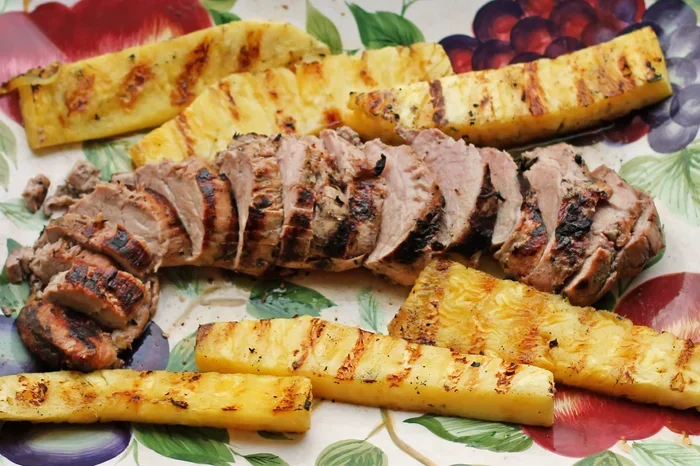
The ideal internal temperature for a well cooked moist pork loin is 145°F (63°C) followed by a 3-minute rest. This temperature ensures the meat stays juicy, tender, and safe to eat. Using a meat thermometer is the single best way to get perfect results every time you cook pork loin.
There is nothing quite like a perfectly cooked pork loin. It is juicy, tender, and full of flavor. But getting it just right can feel tricky. Many people end up with dry, tough meat instead of the moist pork loin they were hoping for. The secret? It all comes down to one simple thing: internal temperature.
Whether you are roasting a pork loin roast in the oven or grilling it on a weekend barbecue, knowing the right pork cooking temperature makes all the difference. In this guide, we will walk you through everything you need to know. From the exact temperature to hit, to tips for keeping your pork loin juicy and tender. By the end, you will feel confident cooking pork loin like a pro.
Key Takeaways
- Target 145°F: The USDA-recommended internal temperature for pork loin is 145°F (63°C) for safe and moist results.
- Rest the meat: Always let your pork loin rest for at least 3 minutes after cooking to lock in juices.
- Use a meat thermometer: A digital meat thermometer takes the guesswork out of cooking pork loin perfectly.
- Avoid overcooking: Cooking past 160°F dries out the pork loin and makes it tough.
- Brine for moisture: A simple salt brine before cooking helps keep your pork loin juicy and tender.
- Check multiple spots: Always test the temperature in the thickest part of the loin for an accurate reading.
📑 Table of Contents
- Why Internal Temperature Matters for Pork Loin
- What Is the Perfect Internal Temperature for Pork Loin?
- How to Cook Pork Loin to Perfection
- Common Mistakes That Dry Out Pork Loin
- Tips for the Juiciest Pork Loin Every Time
- How Long to Cook Pork Loin
- Can Pork Loin Be a Little Pink?
- Storing and Reheating Leftover Pork Loin
- Conclusion
Why Internal Temperature Matters for Pork Loin
Cooking pork loin is all about precision. Unlike some cuts of meat that are forgiving, pork loin is lean. It has very little fat marbling. This means it can dry out quickly if you cook it too long or too hot. The internal temperature tells you exactly when the meat is done and safe to eat.
The old rule of thumb was to cook pork until it was well done. But that often meant overcooked, dry meat. Thanks to updated food safety guidelines, we now know that pork loin can be safely enjoyed at a lower temperature. This is great news for anyone who loves juicy pork loin results.
The Science Behind Cooking Pork Loin
When you heat pork loin, the proteins in the meat start to change. At around 145°F, the proteins are just set enough to be safe. The meat still holds onto its moisture. But if you keep cooking past 155°F, the proteins squeeze out the juices. This is what makes pork loin dry and tough. Staying within the right temperature range is the key to a tender pork loin.
Another important factor is carryover cooking. After you pull the pork loin off the heat, the internal temperature will continue to rise by about 5 to 10 degrees. This is why you should always pull the meat off a little early. Letting it rest allows the juices to redistribute throughout the meat.
What Is the Perfect Internal Temperature for Pork Loin?
The best pork loin temperature is 145°F (63°C). This is the temperature recommended by the USDA for safe consumption of pork. At this temperature, the meat is cooked through but still moist and slightly pink in the center. Many chefs consider this the sweet spot for well cooked moist pork loin.
If you prefer your pork loin more well done, you can cook it to 160°F. However, the meat will be less juicy at this point. For the best balance of safety and flavor, 145°F with a 3-minute rest is the way to go.
Temperature Guide for Different Levels of Doneness
Not everyone likes their pork loin cooked the same way. Here is a simple guide to help you find your preferred level:
- 145°F (63°C) – Medium: The meat is slightly pink in the center. It is juicy, tender, and safe to eat. This is the recommended temperature for most cooks.
- 150°F (66°C) – Medium Well: The pink color fades. The meat is still moist but firmer. A good choice for those who like less pink.
- 160°F (71°C) – Well Done: The meat is fully cooked through with no pink. It will be drier than lower temperatures but still safe.
No matter which level you prefer, using a meat thermometer is essential. Guessing the temperature leads to inconsistent results. A simple instant-read thermometer takes all the guesswork out of the process.
How to Cook Pork Loin to Perfection
Now that you know the target temperature, let us talk about how to actually get there. Cooking a pork loin roast properly involves a few key steps. Each step helps you achieve the best possible results.
Step 1: Prep the Pork Loin
Start by removing the pork loin from the refrigerator about 30 minutes before cooking. Letting it come to room temperature helps it cook more evenly. Pat the meat dry with paper towels. This helps create a nice sear if you are roasting or grilling.
Season the pork loin generously. A simple mix of salt, pepper, garlic powder, and olive oil works beautifully. You can also add herbs like rosemary or thyme for extra flavor. If you have time, a quick brine is a great way to boost moist pork loin results.
Step 2: Use a Meat Thermometer
This cannot be stressed enough. A digital meat thermometer is your best friend in the kitchen. Insert it into the thickest part of the pork loin, avoiding any bone. Check the temperature in at least two spots to make sure it is evenly cooked.
Start checking the temperature about 10 to 15 minutes before you expect the meat to be done. This gives you time to adjust the heat if needed. Remember, you are aiming for 145°F, and the temperature will rise a few more degrees during resting.
Step 3: Rest the Pork Loin
Once the pork loin hits 145°F, pull it off the heat. Let it rest on a cutting board for at least 3 minutes. During this time, the internal temperature will rise to around 150°F. The juices will settle back into the meat, making it even more juicy pork loin delicious.
Do not skip this step. Cutting into the meat too early releases all those hard-earned juices onto the cutting board instead of keeping them in the meat. Patience pays off here.
Step 4: Slice and Serve
When slicing your pork loin roast, use a sharp knife. Cut against the grain for the most tender slices. This simple trick makes a big difference in the texture of your meat.
Serve the pork loin with your favorite sides. Roasted vegetables, mashed potatoes, or a fresh salad all pair wonderfully. The well cooked moist pork loin will be the star of the table.
Common Mistakes That Dry Out Pork Loin
Even experienced cooks sometimes make mistakes that lead to dry pork loin. Knowing what to avoid is just as important as knowing the right temperature. Here are the most common pitfalls to watch out for.
Overcooking the Meat
The biggest enemy of a good pork loin is overcooking. Pork loin is a lean cut with very little fat. Once the temperature goes past 160°F, the moisture starts escaping fast. The meat becomes dry and chewy. Always use a meat thermometer and pull the pork loin off the heat at 145°F.
Skipping the Rest Time
Cutting into the pork loin right after it comes off the heat is a common mistake. The juices need time to redistribute. Skipping the rest means those juices flow out onto the plate instead of staying in the meat. Give it at least 3 minutes for the best results.
Not Brining or Marinating
While not strictly necessary, brining is a fantastic way to ensure a moist pork loin. A simple brine of salt and water helps the meat retain moisture during cooking. Even a quick 30-minute soak makes a noticeable difference. If you do not have time to brine, a good marinade with oil and acid works well too.
Cooking at Too High a Temperature
High heat might give you a nice sear, but it can also cook the outside too fast while leaving the inside uneven. For roasting, a moderate oven temperature of 325°F to 375°F works best. This allows the pork loin to cook evenly all the way through.
Tips for the Juiciest Pork Loin Every Time
Want to take your pork loin roast from good to great? Here are some expert tips that make a real difference.
- Brine before cooking: A 2 to 4 hour brine in salt water keeps the meat juicy.
- Sear before roasting: A quick sear on the stovetop adds flavor and a beautiful crust.
- Use a probe thermometer: Leave it in the meat during roasting for continuous monitoring.
- Let it come to room temperature: This helps the meat cook evenly from edge to center.
- Add liquid to the pan: A little chicken broth or white wine in the roasting pan creates steam and keeps things moist.
- Cover with foil during resting: Tenting the pork loin with foil keeps it warm while it rests.
These simple steps might seem small, but they add up to a huge difference. Your pork loin will be noticeably more tender and flavorful. Once you make these habits part of your routine, you will never go back to dry pork loin again.
How Long to Cook Pork Loin
Cooking time depends on the size of your pork loin and the method you are using. Here is a general guide to help you plan your meal.
- Oven Roasting at 375°F: A 2 to 3 pound pork loin takes about 25 to 35 minutes. This gives you plenty of time to monitor the internal temperature closely.
- Oven Roasting at 325°F: A slower cook at lower heat takes about 40 to 50 minutes for the same size roast.
- Grilling: Grilling a pork loin over medium indirect heat takes about 20 to 30 minutes. Keep the lid closed to maintain even heat.
- Slow Cooking: A pork loin on low for 6 to 8 hours in a slow cooker produces incredibly tender results. The pork cooking temperature stays low and steady throughout.
No matter which method you choose, always rely on the meat thermometer rather than the clock. Every oven and grill is different. The pork loin temperature is the only reliable indicator of doneness.
Can Pork Loin Be a Little Pink?
Yes! This is one of the biggest misconceptions about cooking pork. The USDA updated its guidelines in 2011, confirming that pork is safe to eat at 145°F. At this temperature, the center of the pork loin may still be slightly pink. This pink color does not mean the meat is undercooked or unsafe.
The pinkness actually indicates that you have not overcooked the meat. It is a sign that your pork loin is moist and tender. So do not be afraid of that little hint of pink. Embrace it as a sign of a perfectly cooked roast.
Just make sure you are using a reliable meat thermometer to confirm the temperature. Visual cues alone are not enough to determine if pork is safely cooked. Trust the thermometer, and you will have perfectly well cooked moist pork loin every single time.
Storing and Reheating Leftover Pork Loin
If you have leftovers, proper storage keeps your pork loin tasting great for days. Let the meat cool to room temperature before storing. Place it in an airtight container and refrigerate within 2 hours. Cooked pork loin keeps well in the fridge for up to 4 days.
When reheating, the goal is to warm the meat without drying it out. The best method is to reheat slices gently in a covered pan with a little broth or water. You can also reheat in the oven wrapped in foil at a low temperature of 250°F. This keeps the moist pork loin from turning tough.
Avoid reheating in the microwave if possible. Microwaves tend to heat unevenly and can zap the moisture right out of the meat. If you must use a microwave, cover the pork with a damp paper towel and heat on low power in short bursts.
Conclusion
Cooking a well cooked moist pork loin is easier than you think. The key is simple: aim for an internal temperature of 145°F, let the meat rest for 3 minutes, and use a reliable meat thermometer. These three steps will transform your pork loin from dry and boring to juicy and delicious every single time.
Remember to avoid the common mistakes that dry out pork loin. Do not overcook it. Do not skip the rest time. And consider brining for an extra boost of moisture. With these tips in your kitchen toolkit, you are set to serve a pork loin roast that will impress everyone at the table.
Next time you fire up the oven or grill, keep this guide handy. Your pork loin will thank you with perfectly moist pork loin slices that are tender, flavorful, and safe. Happy cooking!
Frequently Asked Questions
What is the safest internal temperature for pork loin?
The safest internal temperature for pork loin is 145°F (63°C), as recommended by the USDA. At this temperature, the meat is fully cooked and safe to eat while still remaining juicy and tender.
Can I cook pork loin to 160°F instead of 145°F?
Yes, you can cook pork loin to 160°F if you prefer well-done meat. However, the higher temperature will cause the meat to lose more moisture, resulting in a drier texture. For the best balance of safety and juiciness, 145°F is recommended.
How long should I rest my pork loin after cooking?
You should rest your pork loin for at least 3 minutes after removing it from the heat. During this time, the internal temperature continues to rise slightly and the juices redistribute, making the meat more moist and easier to slice.
Is a meat thermometer necessary for cooking pork loin?
A meat thermometer is the single most important tool for cooking pork loin perfectly. It removes all guesswork and ensures you hit the exact internal temperature for a juicy, safe result every time.
Why is my pork loin always dry?
Dry pork loin is usually caused by overcooking or skipping the rest time. Cooking past 160°F squeezes out the juices. Always pull the meat at 145°F and let it rest for at least 3 minutes to keep it moist and tender.
Can I tell if pork loin is done without a thermometer?
It is very difficult to tell if pork loin is done without a meat thermometer. The meat may look cooked on the outside but still be under or overdone on the inside. A thermometer is the only reliable way to check the pork loin temperature accurately.