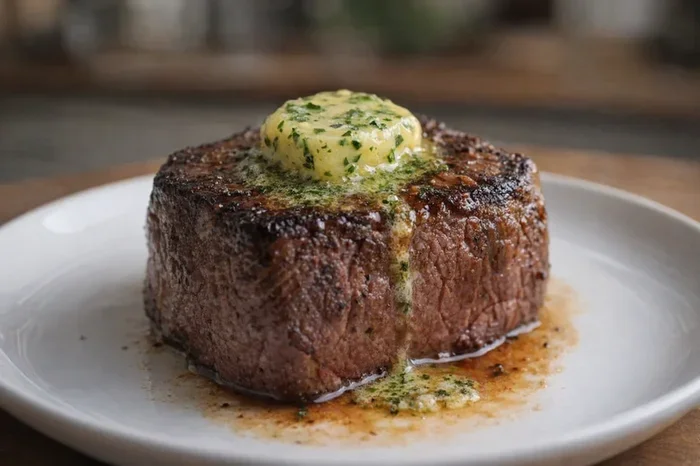
Worcestershire Sauce The Secret Ingredient In Your Kitchen
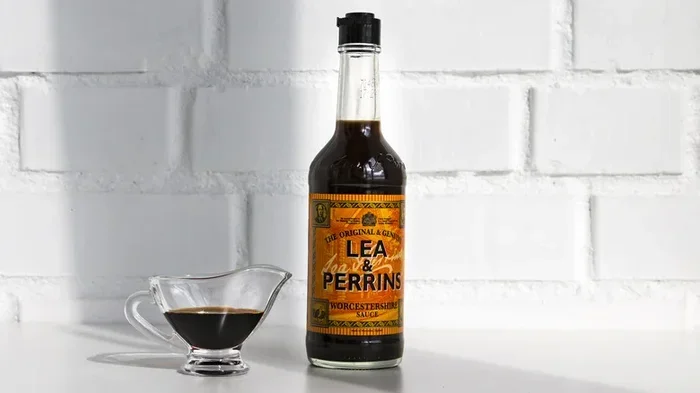
Worcestershire sauce is a tangy, savory condiment that transforms ordinary dishes into extraordinary meals. Made from a fermented blend of vinegar, anchovies, and spices, this British pantry staple adds deep umami flavor to marinades, cocktails, and everyday cooking. Whether you are grilling steak or mixing a classic Bloody Mary, Worcestershire sauce delivers bold, complex taste in every drop.
Have you ever wondered what gives your favorite steak sauce that deep, tangy kick? The answer is often hiding right in your refrigerator. Worcestershire sauce is one of those ingredients that quietly transforms ordinary meals into something truly memorable. It has been a kitchen secret for nearly two centuries, and once you start using it, you will wonder how you ever cooked without it.
This dark, thin liquid packs a punch of flavor that is hard to describe but impossible to ignore. It brings together tanginess, sweetness, saltiness, and a savory depth that chefs call umami. From marinades to mixed drinks, Worcestershire sauce earns its place as one of the most versatile condiments you can own.
Key Takeaways
- Versatile condiment: Worcestershire sauce works in marinades, dressings, soups, and drinks.
- Rich history: This fermented sauce has been a British kitchen staple since the 1830s.
- Deep umami flavor: The anchovy and vinegar base creates a savory punch that enhances any dish.
- Easy to use: A few drops go a long way in boosting flavor.
- Long shelf life: Properly stored, Worcestershire sauce lasts for years.
- Substitutes available: Soy sauce, fish sauce, and tamarind paste can replace it when needed.
- Secret weapon: Many chefs keep Worcestershire sauce on hand for quick flavor fixes.
📑 Table of Contents
- What Is Worcestershire Sauce?
- How Worcestershire Sauce Is Made
- Why Worcestershire Sauce Deserves A Spot In Your Kitchen
- Best Ways To Use Worcestershire Sauce
- Worcestershire Sauce Substitutes And Alternatives
- Common Mistakes People Make With Worcestershire Sauce
- Expert Tips For Getting The Most From Worcestershire Sauce
- Final Thoughts
What Is Worcestershire Sauce?
Worcestershire sauce is a fermented condiment that originated in the English city of Worcester. It was first created in the 1830s by two chemists named John Wheeley Lea and William Henry Perrins. The pair were asked to replicate a spicy sauce they had tasted in India. What they ended up creating became one of the most beloved condiments in the world.
The original recipe, still sold today as Lea and Perrins, remains the gold standard. The sauce is made through a fermentation process that can take up to 18 months. During this time, the ingredients blend and develop their complex flavor profile.
Most Worcestershire sauce brands share a similar base. They include vinegar, molasses, sugar, salt, anchovies, onions, garlic, tamarind, and various spices. Each ingredient plays a role in building layers of flavor. The result is a sauce that is sour, sweet, salty, and deeply savory all at once.
The Flavor Profile
Understanding what Worcestershire sauce tastes like helps you use it better. The sauce has a tangy, slightly sweet base with a pronounced savory depth. The anchovies contribute a rich, fishy umami note without tasting fishy. The vinegar adds brightness and sharpness. Together, these flavors create a balanced condiment that enhances almost any savory dish.
Think of it as a flavor booster. It does not overpower a dish. Instead, it fills in the gaps and brings everything together. This is why so many home cooks and professional chefs keep a bottle within arm’s reach.
How Worcestershire Sauce Is Made
The process of making Worcestershire sauce is fascinating. It relies on natural fermentation rather than quick chemical mixing. This slow process is what gives the sauce its complex character.
The Fermentation Process
Traditional Worcestershire sauce starts with combining the key ingredients in large barrels. The mixture then sits and ferments for months. During fermentation, natural bacteria break down the sugars and proteins. This creates new flavor compounds that cannot be replicated through simple mixing.
The anchovies dissolve completely during this process. They release their natural glutamates, which are the same compounds that make foods like parmesan cheese and mushrooms so savory. This is the source of the deep umami flavor that Worcestershire sauce is famous for.
Key Ingredients Explained
Each ingredient in Worcestershire sauce serves a purpose:
- Vinegar: Provides the tangy base and acts as a natural preservative.
- Anchovies: Add savory depth and natural glutamate for umami.
- Molasses and sugar: Balance the acidity with sweetness.
- Tamarind: Contributes a fruity, slightly sour note.
- Garlic and onions: Bring aromatic warmth and pungency.
- Spices: Include chili, cloves, and pepper for subtle heat.
The exact recipe varies by brand. But the fermentation method remains the heart of quality Worcestershire sauce production. This is why homemade and artisan versions often taste different from mass-produced ones.
Why Worcestershire Sauce Deserves A Spot In Your Kitchen
You might be wondering why you need Worcestershire sauce when you already have ketchup, mustard, and hot sauce. The answer is simple. No other single condiment offers the same combination of flavors. It does the work of several ingredients at once.
Here is why every kitchen benefits from having a bottle of Worcestershire sauce on hand:
- It saves time: A few drops add depth that would otherwise require multiple ingredients.
- It elevates simple meals: Eggs, toast, and grilled cheese all taste better with a dash.
- It works across cuisines: British, American, Asian, and Caribbean recipes all benefit from it.
- It acts as a tenderizer: The acidity in the sauce helps break down proteins in meat.
- It adds complexity: Even bland dishes gain a layer of savory richness.
Many home cooks describe Worcestershire sauce as a flavor shortcut. You do not need to be a skilled chef to use it. Just a small amount can turn a boring weeknight dinner into something that tastes like it came from a restaurant kitchen.
A Pantry Staple, Not a Niche Ingredient
Some people think of Worcestershire sauce as an old-fashioned or niche ingredient. That could not be further from the truth. It is used in countless popular recipes around the world. From classic British meat pies to American barbecue sauces, its presence is everywhere once you start looking for it.
The sauce also keeps exceptionally well. An unopened bottle can last for years. Once opened, it stays good for about three years when stored in a cool, dark place. This makes it a low-maintenance addition to any pantry.
Best Ways To Use Worcestershire Sauce
The beauty of Worcestershire sauce lies in its versatility. You can use it in so many ways that it quickly becomes an essential part of your daily cooking routine.
Marinades And Glazes
One of the most popular uses for Worcestershire sauce is in marinades. Its acidity helps tenderize meat while its flavor penetrates deep into the fibers. Mix it with olive oil, garlic, and a touch of honey for a simple yet effective steak marinade.
For grilled chicken, combine Worcestershire sauce with brown sugar, mustard, and a bit of apple cider vinegar. Brush it on during the last few minutes of grilling for a sticky, flavorful glaze.
Bloody Marys And Cocktails
No discussion of Worcestershire sauce would be complete without mentioning the Bloody Mary. This classic cocktail relies on the sauce for its signature savory kick. A few dashes balance the tomato juice and vodka perfectly.
Beyond Bloody Marys, Worcestershire sauce appears in other cocktail recipes too. It adds complexity to Micheladas and savory drink mixes. If you enjoy experimenting with drinks, this ingredient belongs in your bar as much as your kitchen.
Soups And Stews
Adding Worcestershire sauce to soups and stews is an easy way to deepen the flavor. A single teaspoon in a pot of beef stew transforms the broth from flat to rich. It works especially well in bean soups, lentil dishes, and tomato-based soups.
The sauce also enhances homemade stock. When you simmer bones or vegetables for stock, a splash of Worcestershire sauce adds a savory backbone that ties all the flavors together.
Salad Dressings And Dips
Do not limit Worcestershire sauce to hot dishes. It makes a fantastic addition to salad dressings. Whisk it with olive oil, lemon juice, Dijon mustard, and a pinch of black pepper for a tangy vinaigrette that pairs perfectly with bitter greens like arugula.
It also elevates simple dips. Mix a teaspoon into sour cream or Greek yogurt along with minced garlic and fresh herbs. Serve it alongside grilled vegetables or crispy potato wedges for a quick appetizer.
Everyday Cooking Hacks
Here are some quick ways to use Worcestershire sauce in your daily cooking:
- Add a few drops to scrambled eggs for extra flavor.
- Mix it into hamburger patties before grilling.
- Stir it into mac and cheese for a savory twist.
- Use it to season roasted vegetables.
- Add a splash to rice or grain bowls.
- Include it in homemade barbecue sauce.
- Drop some into meatballs or meatloaf mixtures.
Worcestershire Sauce Substitutes And Alternatives
What happens when you reach for the bottle and find it empty? You do not have to abandon your recipe. Several ingredients can stand in for Worcestershire sauce in a pinch.
Soy Sauce
Soy sauce is the most accessible substitute. It shares the fermented, savory qualities of Worcestershire sauce. Use it in equal amounts, but be aware that the flavor profile will be slightly different. Soy sauce lacks the tanginess, so you might want to add a splash of vinegar or lemon juice.
Fish Sauce
Fish sauce is another excellent alternative. Like Worcestershire sauce, it is fermented and rich in umami. Use it sparingly, though, because fish sauce has a more intense flavor. Start with half the amount and adjust to taste.
Tamarind Paste And Soy Sauce Blend
For a closer match, try mixing tamarind paste with soy sauce. The tamarind adds the fruity sourness that Worcestershire sauce is known for. Combine equal parts tamarind paste and soy sauce, then thin with a little water. This blend works beautifully in marinades and stir-fries.
Balsamic Vinegar And Anchovy Paste
If you want to replicate the original flavor more closely, mix balsamic vinegar with a small amount of anchovy paste. The vinegar provides the tang, and the anchovy paste delivers the savory depth. This combination is especially useful in cocktail recipes and salad dressings.
Common Mistakes People Make With Worcestershire Sauce
Even experienced cooks sometimes misuse Worcestershire sauce. Avoiding these common mistakes will help you get the most out of this incredible condiment.
Using Too Much
The most frequent error is adding too much sauce. Because Worcestershire sauce is concentrated, a little goes a long way. Start with a few drops or a teaspoon. You can always add more, but you cannot take it away once it is in the dish.
Adding It Too Late
Worcestershire sauce needs time to meld with other ingredients. Adding it at the very end of cooking means the flavors will not fully integrate. For best results, add it early in the cooking process, especially when making marinades, soups, or braises.
Storing It Incorrectly
While Worcestershire sauce has a long shelf life, improper storage can ruin it. Always keep the bottle tightly sealed and store it in a cool, dark place. Once opened, refrigeration is not strictly necessary but can extend its peak flavor period.
Assuming All Brands Are The Same
Not all Worcestershire sauce brands are created equal. Lea and Perrins is the original and most widely available. However, artisan brands often use higher-quality ingredients and longer fermentation times. Trying different brands can help you find the one that best suits your palate.
Expert Tips For Getting The Most From Worcestershire Sauce
Chefs and food experts share a few tricks for using Worcestershire sauce like a pro:
- Keep it in the fridge after opening. Cold storage preserves the bright, complex flavors longer.
- Use it as a finishing touch. A few drops on finished dishes like grilled steak or roasted vegetables add a burst of flavor.
- Pair it with bold ingredients. Worcestershire sauce shines alongside garlic, ginger, chili, and smoked paprika.
- Taste as you go. Since the sauce is salty and tangy, adjust your seasoning accordingly when adding it to recipes.
- Experiment with amounts. Different dishes need different levels of Worcestershire sauce. Start small and build up to find your preferred balance.
The more you cook with Worcestershire sauce, the more creative you will become with it. Keep a bottle in your kitchen and make it a habit to reach for it regularly. You will quickly notice how it elevates your everyday meals.
Final Thoughts
Worcestershire sauce is truly one of those ingredients that earns its place in every kitchen. It is affordable, long-lasting, and incredibly versatile. Whether you are marinating meat, mixing a cocktail, or simply adding depth to a weeknight dinner, this fermented condiment delivers bold, complex flavor with every drop.
The next time you plan your grocery list, make sure Worcestershire sauce is at the top. Once you start using it regularly, you will wonder how you ever cooked without it. It is a small bottle with a big impact, and it might just become your new favorite kitchen secret.
Frequently Asked Questions
What does Worcestershire sauce taste like?
Worcestershire sauce has a tangy, savory, and slightly sweet flavor. It is sour from the vinegar, rich from the anchovies, and balanced with a touch of sweetness from molasses or sugar. The overall taste is complex and deeply savory, which food experts call umami.
Can I use Worcestershire sauce if I am vegetarian?
Traditional Worcestershire sauce contains anchovies, so it is not vegetarian. However, many brands now offer vegan versions that skip the fish and use soy sauce or mushrooms instead. Always check the label if this is important to you.
How long does Worcestershire sauce last after opening?
An opened bottle of Worcestershire sauce typically lasts about three years when stored properly. Keep it in a cool, dark place with the cap tightly sealed. Refrigeration can help maintain its best flavor for even longer.
Is Worcestershire sauce the same as soy sauce?
No, they are quite different. While both are fermented and savory, Worcestershire sauce includes vinegar, anchovies, and a blend of spices. Soy sauce is made from soybeans and wheat. They can sometimes be used as substitutes for each other, but the flavors are not identical.
Can Worcestershire sauce be used in desserts?
This is unusual but not impossible. Some creative recipes use a tiny amount of Worcestershire sauce in chocolate desserts or caramel sauces to add depth. The savory note balances the sweetness. However, this is more of a chef’s experiment than a common practice.
What is the difference between Worcestershire sauce and steak sauce?
Worcestershire sauce is the base for many steak sauces, but they are not the same. Steak sauce is typically thicker, sweeter, and more heavily seasoned. Worcestershire sauce is thinner, tangier, and more concentrated. You can make a simple steak sauce by mixing Worcestershire sauce with butter, garlic, and herbs.
=== CONCLUSION ===
Worcestershire sauce is far more than a condiment tucked away in the back of your fridge. It is a powerful flavor tool that deserves a permanent spot in your kitchen. From its rich history in England to its widespread use in kitchens around the globe, this fermented sauce has earned its reputation as a secret weapon for home cooks.
Whether you are grilling the perfect steak, mixing a classic cocktail, or simply looking to add depth to your everyday meals, Worcestershire sauce delivers. It is affordable, versatile, and easy to use. Keep a bottle on hand, experiment with it often, and you will discover just how transformative this little sauce can be.