Internal Temp for Turkey The Ultimate Guide to Safe Cooking
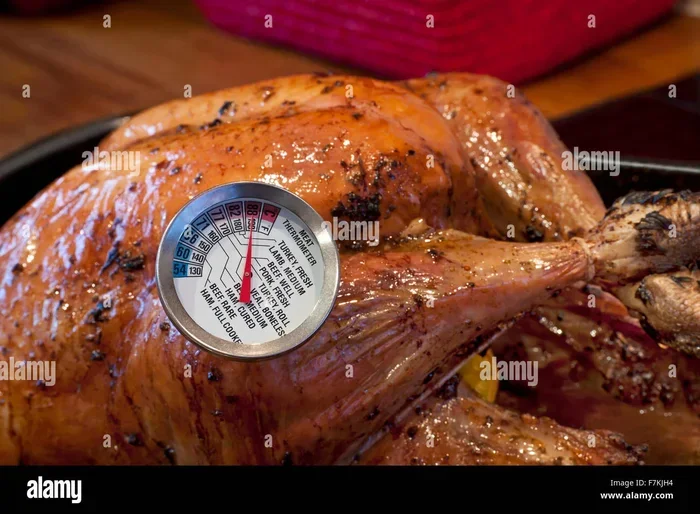
Knowing the internal temp for turkey is the single most important step in cooking a safe, juicy bird. Whether you roast a whole turkey or cook individual parts, the right temperature prevents dry meat and foodborne illness. This guide walks you through every temperature you need, from breast to thigh, so your turkey turns out perfect every time.
Cooking a turkey can feel intimidating. There is a lot to keep track of. Oven temperature, cooking time, brining, stuffing, and resting. But at the center of it all is one thing that matters most: the internal temp for turkey.
Getting this one number right changes everything. It means the difference between a dry, overcooked bird and a moist, flavorful masterpiece. It also means the difference between a safe meal and a risky one. Foodborne illness from undercooked poultry is no joke. Salmonella and other bacteria thrive when meat does not reach the right temperature.
This guide breaks down everything you need to know about turkey internal temperatures. We will cover whole bird temps, breast and thigh targets, stuffing safety, carryover cooking, and the best tools for checking doneness. By the end, you will feel confident and ready to cook the perfect turkey every single time.
Key Takeaways
- Target 165°F for whole turkey: The USDA recommends this safe minimum for all poultry, including stuffed and unstuffed birds.
- Breast vs. thigh matters: Turkey breast is best at 165°F, while thighs can go up to 175°F for tender, fall-off-the-bone meat.
- Always use a meat thermometer: Visual cues like clear juices are helpful, but a thermometer is the only reliable way to check doneness.
- Rest your turkey for 20-30 minutes: Resting lets juices redistribute, keeping the bird moist after you pull it from the oven.
- Stuffed turkey needs extra care: The stuffing inside must also reach 165°F to be safe, which can be tricky to manage.
- Carryover cooking is real: Turkey temperature rises 5-10°F after removal, so pull it early to avoid overcooking.
📑 Table of Contents
- Why Internal Temperature Matters So Much
- What Internal Temp for Turkey Breast Should You Target
- What Internal Temp for Turkey Thigh Should You Aim For
- Whole Turkey Internal Temperature Guide
- Carryover Cooking and Why It Changes Everything
- Best Tools for Checking Turkey Temperature
- Common Mistakes That Affect Turkey Temperature
- Stuffed Turkey Temperature: A Special Challenge
- How to Tell If Turkey Is Done Without a Thermometer
- Resting Your Turkey: The Final Step to Perfect Doneness
- Turkey Temperature for Different Cooking Methods
- Frequently Asked Questions
- Final Thoughts
Why Internal Temperature Matters So Much
Temperature is the most reliable indicator of whether your turkey is safe to eat. Many home cooks rely on visual cues. They check if the juices run clear. They press on the meat. They estimate based on cooking time. These methods can help, but none of them are as accurate as a good thermometer.
Undercooked turkey poses real health risks. Raw poultry can carry harmful bacteria like Salmonella and Campylobacter. These pathogens are killed when the meat reaches the proper internal temperature. On the flip side, overcooking dries out the turkey and ruins the texture. Finding the sweet spot is the key to a great meal.
The USDA Recommendation
The United States Department of Agriculture sets the standard for safe poultry cooking. According to the USDA, all poultry products, including whole turkey, turkey parts, and ground turkey, must reach an internal temperature of 165°F. This is the minimum safe temperature measured at the thickest part of the bird.
This rule applies to both white meat and dark meat. It also applies to stuffed turkeys, where the stuffing must also reach 165°F. The temperature is measured using a food thermometer inserted into the deepest part of the meat. Always check multiple spots, especially in thick areas like the thigh.
What Internal Temp for Turkey Breast Should You Target
Turkey breast is the most popular cut, and for good reason. It is lean, versatile, and a healthier option compared to dark meat. But because it has less fat and connective tissue, it dries out quickly if you cook it too long.
The Ideal Breast Temperature
The target internal temp for turkey breast is 165°F. This is the USDA safe minimum. However, many chefs and home cooks prefer to pull the breast at around 160°F to 162°F. This accounts for carryover cooking, which we will talk about shortly.
At 165°F, breast meat is safe but can start to feel slightly dry if you leave it too long. Pulling it a few degrees early lets the residual heat bring it up to the safe zone while keeping it juicier. This is one of the best tips for avoiding dry turkey breast.
How to Check Breast Temperature
Insert your thermometer into the thickest part of the breast. Avoid touching the bone, as bones conduct heat differently and can give false readings. Check both breasts if you are cooking a split bird. The temperature should be even throughout, with no cold spots.
What Internal Temp for Turkey Thigh Should You Aim For
Dark meat behaves differently than white meat. Turkey thighs have more fat, more collagen, and more connective tissue. This means they can handle higher temperatures without drying out. In fact, thighs actually benefit from cooking a bit beyond the USDA minimum.
The Best Thigh Temperature
While 165°F is safe for thighs, many cooks aim for 175°F to 180°F. At this range, the collagen in the thigh meat breaks down fully. The result is tender, juicy, fall-off-the-bone meat with rich flavor. Dark meat simply tastes better when it has had a chance to cook a little longer.
If you are cooking a whole bird, the thigh temperature is your best guide for overall doneness. The breast may be done before the thigh reaches its ideal temp. In that case, you can tent the breast with foil while the thighs continue cooking.
Bone-In vs. Boneless Thighs
Bone-in thighs take longer to cook and can be harder to check with a thermometer. Make sure to insert the probe away from the bone into the meatiest part. Boneless thighs cook faster and are easier to monitor. Either way, always verify the temperature at the thickest point.
Whole Turkey Internal Temperature Guide
Cooking a whole turkey is the classic holiday centerpiece. But it is also the most challenging cut to get right. The bird has varying thicknesses, different types of meat, and sometimes stuffing. All of these factors affect how the internal temp for turkey develops.
Where to Measure Temperature in a Whole Bird
When checking a whole turkey, you need to measure in multiple spots. The USDA recommends checking the following areas:
- Thickest part of the thigh: This is the last area to reach temperature in a whole bird.
- Center of the breast: Check both left and right sides for even cooking.
- Stuffing center (if applicable): The stuffing must also reach 165°F to be safe.
- Wing joint area: This smaller section cooks faster, so use it as a secondary check.
Do not rely on a single reading. Temperature variation across the bird is normal. Taking multiple readings ensures nothing is undercooked.
How Long to Cook a Turkey at 325°F
Most roasting guides recommend cooking a whole turkey at 325°F. This is a moderate oven temperature that allows the bird to cook evenly. At this temperature, a general rule is about 13 minutes per pound for an unstuffed turkey. However, every oven is different, and the actual cooking time varies based on the bird’s size, shape, and starting temperature.
This is exactly why the internal temp for turkey matters more than the clock. A thermometer takes the guesswork out of timing and tells you exactly when the bird is ready.
Cooking Times by Turkey Weight
Here is a general reference for roasting times at 325°F. These times are approximate and should always be verified with a thermometer.
- 8-12 pounds: 2.75 to 3 hours
- 12-14 pounds: 3 to 3.75 hours
- 14-18 pounds: 3.75 to 4.25 hours
- 18-20 pounds: 4.25 to 4.5 hours
- 20-24 pounds: 4.5 to 5 hours
Remember that these times assume a fully thawed bird. A frozen or partially frozen turkey will take significantly longer. Always plan ahead and thaw your turkey safely in the refrigerator.
Carryover Cooking and Why It Changes Everything
Carryover cooking is one of the most important concepts in roasting. It means that the internal temperature of the turkey continues to rise after you remove it from the oven. This happens because the hot outer layers transfer heat to the cooler center.
For turkey, carryover cooking typically adds 5°F to 10°F to the final temperature. This means if you pull your bird at 160°F, the internal temp for turkey will rise to around 165°F to 170°F while it rests. This is why experienced cooks pull the turkey a few degrees early.
How to Use Carryover Cooking to Your Advantage
Plan your pull temperature based on the carryover effect. For breast meat, aim to pull at 160°F to 162°F. For thighs, you can pull at 170°F to 175°F and let carryover bring them to the ideal 175°F to 180°F range. This strategy keeps your turkey perfectly cooked without overdoing it.
Always let the turkey rest after cooking. A 20 to 30 minute rest period allows the juices to redistribute throughout the meat. Cutting too early releases those juices onto the cutting board instead of keeping them in the bird. The result is a drier, less flavorful turkey.
Best Tools for Checking Turkey Temperature
Not all thermometers are created equal. The right tool makes checking the internal temp for turkey quick, accurate, and stress-free. Here are the best options available.
Instant-Read Digital Thermometers
These are the go-to tool for most home cooks. They give a reading in just a few seconds and are affordable. Look for models with a thin probe that slides easily into the meat. Popular brands like ThermoWorks, Lavatools, and ThermoPro make reliable options.
Leave-In Probe Thermometers
These thermometers stay in the turkey throughout the entire cooking process. They have a wire that connects to an oven-safe display or a wireless receiver. You can monitor the temperature from across the room without opening the oven door. This is especially useful for long cooks like a whole holiday turkey.
Oven-Safe Bimetallic Thermometers
These are the older-style thermometers that come with some ovens. They are slower to respond than digital options but still get the job done. If you use one, make sure to leave it in the turkey for at least two minutes to get an accurate reading.
What to Avoid
Do not rely on pop-up timers. They are convenient but not always accurate. They also only indicate that the bird has reached a minimum temperature, not that it has reached the ideal temp for your preferences. A good digital thermometer is always the better choice.
Common Mistakes That Affect Turkey Temperature
Even experienced cooks make mistakes when it comes to checking turkey temperature. Here are the most common errors and how to avoid them.
Not Calibrating Your Thermometer
Thermometers can drift over time. Before each use, test your thermometer in ice water. It should read 32°F. If it does not, adjust it or replace the batteries. An uncalibrated thermometer can give you false readings that put your turkey at risk.
Checking Only One Spot
Temperature varies throughout the bird. The breast may be done while the thigh still needs more time. Always check multiple spots, especially in the thickest areas. This is the best way to ensure the entire turkey is safe and evenly cooked.
Touching the Bone
Bones heat up faster than the surrounding meat. If your thermometer probe touches the bone, it can give a higher reading than the actual meat temperature. Always insert the probe into the thickest part of the muscle, away from any bone.
Skipping the Rest Period
Pulling the turkey out and cutting into it right away is a common mistake. The resting period is not optional. It is essential for juicy, well-rested meat. During rest, the internal temp for turkey continues to rise slightly, and the juices settle back into the muscle fibers.
Overcrowding the Oven
If you are roasting other dishes at the same time, airflow in the oven can be restricted. Uneven heat distribution leads to uneven cooking. Try to give your turkey plenty of space in the oven for the best results.
Stuffed Turkey Temperature: A Special Challenge
Stuffed turkey is a classic tradition, but it comes with an extra food safety challenge. The stuffing sits inside the cavity of the bird, surrounded by raw poultry. For the stuffing to be safe, it must also reach 165°F. This is harder to achieve than you might think.
Why Stuffing Is Tricky
The stuffing is insulated by the turkey cavity. Heat takes longer to penetrate to the center of the stuffing. By the time the stuffing reaches 165°F, the breast meat may already be overcooked and dry. This is the core dilemma of stuffed turkey cooking.
Tips for Safe Stuffed Turkey
- Loosely pack the stuffing. Tight packing slows heat penetration and creates cold spots.
- Check the stuffing temperature in multiple places, not just the center.
- Consider cooking the stuffing separately. Stuffed dressing on the side is just as delicious and much safer.
- If you do stuff the turkey, make sure both the bird and the stuffing reach 165°F before serving.
The safest approach is to cook the stuffing outside the bird. You get all the flavor without the food safety risk. But if tradition calls for stuffed turkey, just be extra diligent about checking temperatures.
How to Tell If Turkey Is Done Without a Thermometer
While a thermometer is always the best tool, there are a few other methods to check doneness. These are helpful if you are in a pinch or if your thermometer batteries die mid-cook.
Check the juices: Pierce the thickest part of the thigh with a fork or skewer. If the juices run clear and not pink, the turkey is likely done. Pink or cloudy juices mean it needs more time.
Wiggle the thigh: A fully cooked turkey thigh should wiggle easily in the socket. If it feels tight or stiff, it may need more cooking time.
Check the leg joint: The leg should pull away from the body with gentle pressure when the bird is done. A tightly attached leg often means undercooked meat.
Remember, these methods are not as reliable as a thermometer. Always verify with a thermometer when possible for the safest results.
Resting Your Turkey: The Final Step to Perfect Doneness
Resting is the step most people skip or rush through. But it is one of the most important parts of the entire cooking process. When you pull the turkey from the oven, the internal temp for turkey is not finished yet.
During the rest, the temperature continues to climb through carryover cooking. The muscle fibers relax and reabsorb moisture. Cutting too early releases all those juices onto the plate instead of keeping them in the meat.
For a whole turkey, rest for at least 20 to 30 minutes. Tent it loosely with aluminum foil to keep it warm without trapping too much steam. For smaller cuts like breast halves or thighs, 10 to 15 minutes is usually sufficient.
After resting, your turkey will be juicier, easier to carve, and more flavorful. It is a simple step that makes a huge difference.
Turkey Temperature for Different Cooking Methods
Roasting is the most traditional method, but it is not the only way to cook turkey. Different methods require different approaches to monitoring internal temperature.
Deep frying: Fried turkey cooks much faster than roasted turkey. The target internal temp for turkey is still 165°F, but the cook time is only minutes instead of hours. Use a hook thermometer to monitor the oil and a probe for the meat.
Grilling: Grilled turkey benefits from indirect heat. The same temperature targets apply: 165°F for breast, 175°F for thighs. Keep the lid closed to maintain steady heat and avoid flare-ups.
Smoking: Smoked turkey takes longer but develops incredible flavor. The low and slow approach works well. Again, aim for 165°F minimum in the breast and 175°F in the thighs. A leave-in probe thermometer is ideal for smoking since it lets you monitor the temp over several hours.
Sous vide: Sous vide turkey is cooked at a precise water bath temperature. For breast meat, 150°F to 155°F for 2 to 4 hours yields incredibly tender results. For thighs, 165°F to 175°F for 4 to 6 hours works beautifully. Finish with a quick sear for color and texture.
Frequently Asked Questions
What is the safe internal temp for turkey breast?
The safe internal temp for turkey breast is 165°F according to the USDA. However, many cooks prefer to pull the breast at 160°F to 162°F to account for carryover cooking and keep the meat juicier.
Can you eat turkey at 160°F?
Yes, if you pull the turkey at 160°F, carryover cooking will raise the temperature to 165°F during the resting period. This is a common technique to prevent overcooking while still ensuring food safety.
How long should a turkey rest before carving?
A whole turkey should rest for 20 to 30 minutes before carving. Smaller cuts like breast halves need about 10 to 15 minutes. Resting allows the juices to redistribute and the internal temp for turkey to stabilize.
What internal temp for turkey is considered overcooked?
Turkey breast that has reached 170°F or higher is likely overcooked and dry. Dark meat thighs can go up to 185°F without becoming too dry, but beyond that, the texture suffers. Using a thermometer helps you hit the sweet spot every time.
Do I need to let the turkey come to room temperature before cooking?
Letting the turkey sit at room temperature for 30 to 60 minutes before cooking promotes more even cooking. A turkey that starts closer to room temperature will reach the target internal temp for turkey more consistently throughout the bird.
Is it safe to cook a turkey from frozen?
Yes, it is safe to cook a turkey from frozen, according to the USDA. However, it will take at least 50 percent longer to cook, and you must verify the internal temp for turkey reaches 165°F in all areas. Thawing in the refrigerator is still the recommended approach for best results.
Final Thoughts
The internal temp for turkey is the foundation of safe, delicious cooking. It is the one factor that matters more than any recipe, any cooking time, or any technique. Get the temperature right, and everything else falls into place.
Remember the key numbers: 165°F for breast and whole bird safety, 175°F to 180°F for tender thighs, and always account for carryover cooking during the rest period. Use a reliable thermometer, check multiple spots, and never skip the resting step.
With these guidelines, you can cook turkey with confidence. Whether it is a weeknight dinner or a holiday feast, you now have the knowledge to serve a safe, juicy, and perfectly cooked turkey every single time. Happy cooking.