Cooking Time for Standing Rib Roast Chart and Temperatures
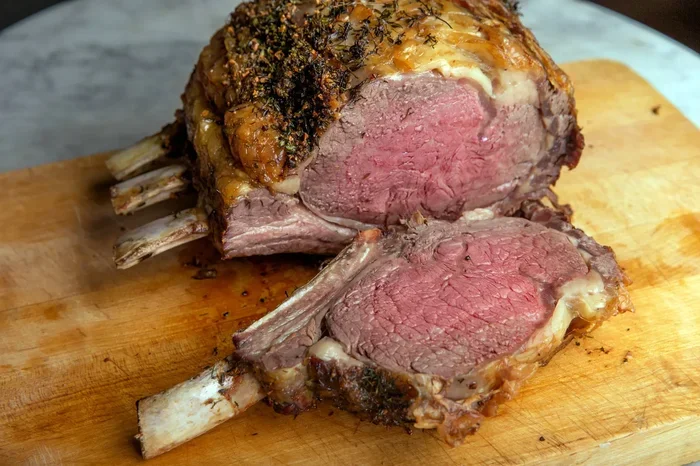
Our cooking time for standing rib roast chart gives you clear times and temperatures for every doneness level. Whether you prefer rare, medium, or well-done, this guide walks you through the exact oven temp, timing per pound, and resting steps you need. You will also find pro tips, common mistakes, and a handy FAQ section to make your next roast a success.
A standing rib roast is one of the most impressive cuts of beef you can serve. It is perfect for holidays, family dinners, or any occasion where you want to make a statement. But cooking it just right can feel intimidating. That is where our cooking time for standing rib roast chart comes in handy.
This guide breaks down everything you need to know. From oven temperatures to timing per pound, we cover it all. You will learn how to cook a tender, juicy roast that your guests will rave about. Let us dive in.
Key Takeaways
- Plan for 15-20 minutes per pound at 325°F for a bone-in standing rib roast.
- Use a meat thermometer to hit the exact internal temp for your preferred doneness.
- Rest your roast for 20-30 minutes after cooking to lock in the juices.
- Sear the roast first for a flavorful crust before slow-roasting.
- Bone-in vs. boneless affects cooking time, so adjust your chart accordingly.
📑 Table of Contents
- Why You Need a Cooking Time Chart for Standing Rib Roast
- Standing Rib Roast Chart: Times and Temperatures
- Step-by-Step Guide to Cooking a Standing Rib Roast
- Common Mistakes to Avoid When Cooking Rib Roast
- Expert Tips for the Perfect Standing Rib Roast
- Pairing Your Rib Roast with the Right Sides
- How to Store and Reheat Leftover Rib Roast
- Frequently Asked Questions
Why You Need a Cooking Time Chart for Standing Rib Roast
A standing rib roast is not like a simple chicken breast. It is a large, thick cut of beef that needs careful attention. Too high a temperature and the outside burns before the inside is done. Too low and you end up waiting for hours. A cooking time for standing rib roast chart removes all the guesswork.
Here is why a chart matters:
- Consistency: You get the same great result every time.
- Timing: You know exactly when dinner is ready.
- Safety: You hit the right internal temp to keep your family safe.
- Doneness control: You can aim for rare, medium, or well-done with confidence.
Think of the chart as your roadmap. It tells you where to start, how long to cook, and when to pull the roast out. Without it, you are just hoping for the best.
Standing Rib Roast Chart: Times and Temperatures
The table below shows the standard cooking time for standing rib roast at 325°F. These times are for a bone-in roast, which is the most common cut. Always use a meat thermometer to confirm doneness.
Bone-In Standing Rib Roast Times at 325°F
- Rare: 120-125°F internal temp. About 15-18 minutes per pound.
- Medium Rare: 130-135°F internal temp. About 17-20 minutes per pound.
- Medium: 140-145°F internal temp. About 20-22 minutes per pound.
- Medium Well: 150-155°F internal temp. About 22-25 minutes per pound.
- Well Done: 160°F+ internal temp. About 25-28 minutes per pound.
Remember, these times are approximate. Your actual roast may vary based on oven accuracy, roast shape, and starting temperature. This is exactly why a meat thermometer is your best friend in the kitchen.
Boneless vs. Bone-In: How It Affects Timing
A boneless standing rib roast cooks slightly faster than a bone-in version. The bone acts as insulation, slowing down heat transfer to the center. If you buy a boneless roast, reduce your cooking time by about 5-10 minutes per pound.
Here is a quick comparison:
- Bone-in roast: More flavor, slower cook, juicier result.
- Boneless roast: Easier to slice, slightly faster cook, still very tender.
No matter which you choose, always let the roast come to room temperature before cooking. Take it out of the fridge about 1-2 hours before it goes in the oven. This helps it cook more evenly.
Step-by-Step Guide to Cooking a Standing Rib Roast
Now that you have the chart, let us walk through the actual cooking process. Following these steps will give you a roast that is golden on the outside and perfectly pink on the inside.
Step 1: Prep the Roast
Remove the roast from the refrigerator and pat it dry with paper towels. Season generously with salt, pepper, and any herbs you like. Garlic cloves and fresh rosemary are classic choices. Some people also add a rub with paprika and onion powder for extra flavor.
Let the seasoned roast sit on the counter while your oven preheats. This resting period helps the surface dry out, which leads to a better sear later.
Step 2: Sear the Roast
Preheating your oven to 450°F is the first move. Place the roast fat-side up in a roasting pan and sear it for about 15 minutes. This high heat creates a caramelized crust that locks in moisture.
After the sear, reduce the oven temperature to 325°F. This is where the slow roasting begins. Now you can refer to your cooking time for standing rib roast chart to figure out how long to keep it in.
Step 3: Slow Roast to Perfection
Insert a meat thermometer into the thickest part of the roast. Do not touch the bone, as it reads hotter than the surrounding meat. Monitor the temperature as it approaches your target doneness.
Here are some quick tips for this stage:
- Do not open the oven door too often. It drops the temperature inside.
- Baste the roast every 30 minutes with the pan juices.
- Plan for about 15-20 minutes per pound at 325°F.
Step 4: Rest the Roast
This step is critical and often skipped. Once the roast hits your target temperature, pull it out and let it rest for 20-30 minutes. The juices redistribute throughout the meat, making every slice tender and flavorful.
While the roast rests, you can use the time to check out our guide on what to do on treadmill to pass time if you like to stay active while waiting. Or you can simply focus on setting the table and preparing sides.
Common Mistakes to Avoid When Cooking Rib Roast
Even with a great chart, mistakes can happen. Here are the most common ones and how to avoid them:
Skipping the Room Temperature Rest
Putting a cold roast straight into a hot oven causes uneven cooking. The outside overcooks while the inside stays cold. Always let your roast sit at room temperature for at least one hour before cooking.
Guessing the Temperature
Never rely on color or touch to judge doneness. A meat thermometer is the only reliable tool. Invest in a good instant-read thermometer if you do not have one yet.
Cutting Into the Roast Too Early
It is tempting to check the roast early, but every time you cut into it, juices escape. Wait until it has fully rested before slicing. Trust the process and the chart.
Overcooking the Roast
It is easy to go past your target temp, especially with carryover cooking. The roast continues to rise about 5-10°F after you pull it out. Remove it slightly below your target and let the resting do the rest.
Expert Tips for the Perfect Standing Rib Roast
Want to take your roast to the next level? Try these pro tips that experienced chefs swear by:
- Use the reverse sear method: Roast low and slow first, then finish with a high-heat sear for an even crust.
- Let the roast come to room temperature: This alone can cut your cooking time by 10-15 minutes.
- Season the night before: A dry brine with salt overnight creates a deeper flavor and better crust.
- Add liquid to the pan: Beef broth or red wine in the bottom of the pan keeps things moist and makes great gravy.
- Invest in a probe thermometer: This lets you monitor the temp without opening the oven door.
If you are planning a big dinner and also want to stay active, our guide on what is a good time for rowing 500 meters can help you balance your fitness routine with your meal prep day.
Pairing Your Rib Roast with the Right Sides
A great standing rib roast deserves great sides. Here are some classic pairings that complement the rich, beefy flavor:
- Creamy mashed potatoes: The perfect canvas for roast juices.
- Roasted root vegetables: Carrots, parsnips, and turnips caramelize beautifully.
- Green beans almondine: A light, nutty contrast to the rich meat.
- Crispy Yorkshire pudding: A British classic that pairs wonderfully with prime rib.
- Simple garden salad: Fresh greens cut through the richness of the beef.
Planning your entire meal ahead of time helps you stay organized. If you are also working on your fitness goals, you might find our article on what treadmill speed is best for weight loss useful for balancing indulgent meals with regular exercise.
How to Store and Reheat Leftover Rib Roast
A standing rib roast often makes more than you can eat in one sitting. The good news is leftovers are delicious if stored and reheated properly.
Storing Your Roast
Wrap leftover slices tightly in plastic wrap or foil. Store them in the refrigerator within two hours of cooking. Properly stored roast keeps for 3-4 days in the fridge.
Reheating Without Drying It Out
The biggest mistake people make is reheating roast in the microwave. It dries out the meat fast. Instead, try this method:
- Place slices in a baking dish.
- Add a splash of beef broth to the bottom.
- Cover tightly with foil.
- Heat at 250°F for 15-20 minutes until warmed through.
This gentle reheating method keeps the meat moist and tender. You will barely notice it is a leftover.
Frequently Asked Questions
How long does it take to cook a standing rib roast at 350°F?
At 350°F, a standing rib roast typically takes about 12-15 minutes per pound for medium doneness. The higher temperature speeds up cooking, but you need to watch it closely to avoid overcooking. Always use a meat thermometer to check the internal temp.
What is the best temperature for a medium-rare standing rib roast?
The best temperature for medium-rare is 130-135°F internal. Pull the roast out at about 125°F and let it rest. Carryover cooking will bring it up to the perfect medium-rare range without drying it out.
Should I cover my standing rib roast while cooking?
No, you should not cover the roast. Leaving it uncovered allows the heat to circulate evenly and creates a nice crust on the outside. Covering traps steam and can make the surface soggy instead of crispy.
How long should a standing rib roast rest before cutting?
A standing rib roast should rest for at least 20-30 minutes after cooking. This resting period allows the juices to settle back into the meat. Cutting too early causes the juices to run out, leaving you with dry slices.
Can I cook a standing rib roast the night before and reheat it?
Yes, you can. Cook the roast the night before, let it cool completely, and store it in the fridge. Reheat it gently at 250°F with a splash of broth. It may not be quite as good as fresh, but it is still delicious and saves time on the big day.
How do I know if my standing rib roast is done without a thermometer?
Without a thermometer, you can use the touch test. Press the center of the roast with your finger. Rare feels soft and spongy, medium-rare has slight give, medium feels firm but springy, and well-done feels very firm. However, a thermometer is always the most accurate and reliable method.