How Many Ounces in a Pint
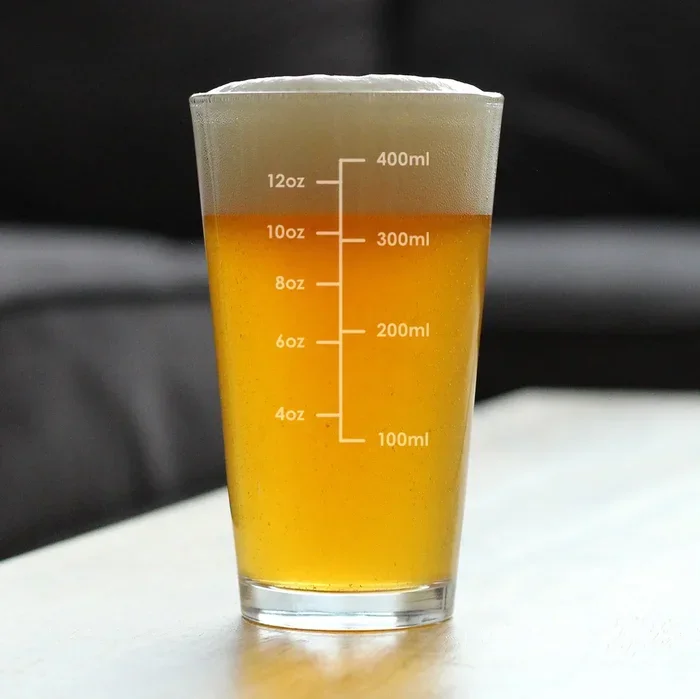
A pint equals 16 fluid ounces in the US system, but the answer changes depending on whether you are measuring liquid or dry ingredients and which country’s standard you follow. This guide breaks down every pint conversion clearly, so you never have to guess again when cooking, baking, or tracking your daily water intake.
Have you ever stared at a recipe and wondered, how many ounces in a pint? Maybe you are pouring a drink, scaling up a batch of soup, or trying to hit your daily water goal. Whatever the reason, understanding pint conversions is a simple skill that saves time and prevents mistakes in the kitchen and beyond.
The answer is not always as straightforward as you might think. A US liquid pint holds 16 fluid ounces, but a UK imperial pint holds 20 fluid ounces. And if you are measuring dry ingredients, the number changes again. This guide walks you through every version so you can measure with confidence every single time.
Key Takeaways
- A US liquid pint contains 16 fluid ounces, which is the most common measurement you will encounter in recipes and grocery stores.
- A UK (imperial) pint is larger, holding about 20 fluid ounces, so conversions differ depending on where you live.
- A US dry pint holds roughly 18.6 fluid ounces, which matters when measuring dry goods like berries or grains.
- One pint equals 2 cups, making it easy to swap between these common kitchen measurements.
- Pint glasses and containers vary by country, so always check the label to avoid pouring too much or too little.
- Knowing pint conversions helps with hydration tracking, especially if you count your daily water intake in pints.
📑 Table of Contents
What Exactly Is a Pint?
A pint is a unit of volume measurement used in both the United States and the United Kingdom. It is commonly used for liquids like milk, beer, and water, as well as dry goods like fruits and grains. The word “pint” comes from the French word “pinte,” and it has been a standard measurement for centuries.
Here is the tricky part. The size of a pint depends on which measurement system you are using. The US and the UK use different standards, and the US itself has separate rules for liquid and dry measurements. This is why simply Googling “how many ounces in a pint” can give you different answers depending on the source.
Why Does the Difference Matter?
If you follow a British recipe that calls for one pint of cream, and you use a US measuring cup, you will end up with less than the recipe intends. A UK pint is about 20% larger than a US liquid pint. That difference can change the texture and taste of your finished dish. The same goes for ordering a pint of beer in London versus New York. You are getting a noticeably different amount of liquid.
How Many Ounces in a Pint: The Full Breakdown
Let us get into the numbers. Below is a clear breakdown of how many ounces are in a pint across the different measurement systems. This is the reference table you will want to bookmark.
US Liquid Pint
A US liquid pint equals 16 fluid ounces. This is the pint you see most often in American recipes, grocery stores, and restaurants. When a recipe says “one pint of strawberries” or “a pint of buttermilk,” it is referring to 16 fluid ounces.
Here are some quick equivalents for a US liquid pint:
- 16 fluid ounces
- 2 cups
- 0.5 quarts
- 473 milliliters
- 0.473 liters
US Dry Pint
A US dry pint is used for measuring dry ingredients like grains, berries, and vegetables. It equals approximately 18.6 fluid ounces or about 550 milliliters. You will not see this measurement as often in everyday cooking, but it does come up in canning, baking, and certain recipes that call for precise dry volumes.
Key equivalents for a US dry pint:
- 18.6 fluid ounces (approximate)
- 2 dry cups
- 550 milliliters
UK Imperial Pint
The imperial pint, used in the United Kingdom and some Commonwealth countries, is the largest of the three. It equals 20 fluid ounces or about 568 milliliters. If you are following a British recipe or ordering a traditional pint of ale in the UK, this is the measurement you are dealing with.
Key equivalents for a UK imperial pint:
- 20 fluid ounces
- 2.5 cups (US standard)
- 568 milliliters
- 0.568 liters
Quick Conversion Comparison Table
Here is a side-by-side comparison to make things crystal clear:
Type of Pint | Fluid Ounces | Cups | Milliliters
US Liquid Pint | 16 oz | 2 cups | 473 ml
US Dry Pint | 18.6 oz | 2 dry cups | 550 ml
UK Imperial Pint | 20 oz | 2.5 cups | 568 ml
Keep this table handy when you are cooking or baking. It removes all the guesswork from converting pint measurements into ounces, cups, or milliliters.
How Many Cups Are in a Pint?
One of the most common questions people ask alongside how many ounces in a pint is how many cups fit inside. The answer is simple for liquid measurements: 2 cups make 1 US liquid pint. Since one cup equals 8 fluid ounces, two cups give you exactly 16 fluid ounces.
This makes pint-to-cup conversions incredibly easy. If a recipe calls for a pint of milk and you only have a measuring cup, just fill it to the 2-cup mark. If you only have a 1-cup measure, fill it twice.
For Dry Ingredients
When measuring dry goods, a US dry pint also equals 2 dry cups. However, the weight of those dry cups will vary depending on the ingredient. A pint of flour weighs differently than a pint of blueberries. This is why recipes often list both volume and weight measurements for precision.
A Note on Pint Glasses
If you have ever noticed that pint glasses come in different sizes, now you know why. A traditional UK pint glass holds 20 ounces, while a standard US pint glass holds 16 ounces. Some bars serve what is called a “schooner” or a “noggin,” which are different sizes entirely. When you order a pint, it is always good to know what you are actually getting.
Converting Pints to Other Common Measurements
Understanding how pint conversion works with other units makes cooking and baking much easier. Here are the most useful conversions you should know.
Pints to Quarts and Gallons
A pint is half of a quart. Two pints make one quart, and four quarts make one gallon. So if you are scaling a recipe up or down, these relationships help you calculate quickly:
- 1 pint = 0.5 quarts
- 2 pints = 1 quart
- 4 quarts = 1 gallon
- 8 pints = 1 gallon
Pints to Liters and Milliliters
If you follow international recipes or use a metric measuring system, these conversions are essential:
- 1 US liquid pint = 473 ml
- 1 UK imperial pint = 568 ml
- 1 US dry pint = 550 ml
- 2 pints = 1 liter (approximately, for US liquid pints)
Ounces to Pints Quick Reference
Need to convert ounces to pints in a hurry? Here is a simple rule of thumb:
- 16 oz = 1 US liquid pint
- 18.6 oz = 1 US dry pint
- 20 oz = 1 UK imperial pint
Just divide the number of ounces by the appropriate factor, and you have your answer. For example, 32 fluid ounces divided by 16 equals 2 pints. Simple as that.
Common Uses for Pint Measurements
Pint measurements show up in more places than you might think. Here are some of the most common situations where knowing your ounces-to-pint conversion comes in handy.
Cooking and Baking
Many recipes call for a pint of liquid ingredients like milk, cream, broth, or buttermilk. Knowing that a pint equals 16 fluid ounces (or 2 cups) helps you measure accurately even if you do not have a pint-sized measuring container. This is especially useful when you are scaling a recipe up or down.
Grocery Shopping
When you buy a pint of ice cream, a pint of blueberries, or a pint of cherry tomatoes, you are getting a specific volume. In the US, that is 16 fluid ounces. Understanding this helps you compare prices and portion sizes across different package sizes.
Hydration and Water Intake
Some fitness and health experts recommend tracking daily water intake in pints. If your goal is to drink 8 pints of water per day, you are aiming for 128 fluid ounces or about 3.8 liters. Staying properly hydrated is essential for overall health, and knowing pint conversions makes it easier to track your progress.
For those who track fitness and calorie burn, staying hydrated during activities like jump rope or kettlebell workouts is especially important. Drinking water in pint-sized portions throughout your session helps maintain performance and recovery. If you are curious about how much energy a kettlebell workout burns, proper hydration supports the intensity needed to maximize those results.
Brewing and Bartending
Pint measurements are fundamental in beer brewing and cocktail making. A standard pint of beer is 16 ounces in the US and 20 ounces in the UK. Bartenders and homebrewers rely on precise pint conversions to maintain consistency in their recipes and servings.
Quick Tips for Measuring Pints Accurately
Measuring liquids and dry goods correctly makes a big difference in your cooking and baking results. Here are some practical tips to keep in mind.
- Always use the right type of measuring cup. Liquid measuring cups have a spout and are designed to be read at eye level. Dry measuring cups are leveled off with a flat edge.
- Check the label on your container. If you buy a pint of a product, the label should list the fluid ounces. In the US, it should say 16 fl oz.
- Use a kitchen scale for dry ingredients. Volume measurements like pints can be imprecise for dry goods. Weighing ingredients in ounces gives you more accurate results.
- Remember that temperature affects volume. Hot liquids expand and take up more space. Let your liquid cool to room temperature before measuring for the most accurate reading.
- Keep a conversion chart in your kitchen. Taping a simple conversion chart to your fridge or inside a cabinet saves time and prevents measurement mistakes.
Common Mistakes People Make When Measuring Pints
Even experienced cooks make these errors. Watch out for them:
- Assuming all pints are the same size. As we covered, US liquid, US dry, and UK pints all have different volumes. Always check which standard a recipe is using.
- Confusing fluid ounces with weight ounces. Fluid ounces measure volume, while weight ounces measure mass. A pint of water weighs about 16.6 ounces by weight, but it still contains 16 fluid ounces of volume.
- Overfilling the measuring cup. Liquid should be filled to the line, not above it. Pour slowly and read the measurement at eye level for accuracy.
- Using the wrong conversion factor. If you are converting ounces to pints, make sure you divide by the right number. Using 16 for a UK pint will give you the wrong answer.
Expert Insights on Pint Measurements
Professional chefs and bakers know that precision matters. A small difference in liquid volume can change the consistency of a sauce, the texture of baked goods, or the balance of a cocktail. Many experienced cooks keep both US and metric measuring tools on hand to handle recipes from any country.
Nutritionists also emphasize the importance of understanding volume measurements for daily hydration goals. Drinking water in pint-sized servings throughout the day is a practical strategy for staying on track. If you are active and enjoy cardio exercises, keeping a pint of water nearby during your routine helps maintain energy and focus.
For those who enjoy tracking their fitness metrics, activities like jump rope can burn a significant number of calories in a short time. Knowing how much water to drink in pint portions after a session supports recovery and keeps your body functioning at its best.
Similarly, if you are tracking your calorie burn from a kettlebell workout, staying hydrated with accurate pint measurements ensures you are fueling and recovering properly. The connection between proper measurement and overall wellness might seem subtle, but it adds up over time.
Final Thoughts
So, how many ounces in a pint? The answer is 16 for a US liquid pint, about 18.6 for a US dry pint, and 20 for a UK imperial pint. Each one serves a different purpose, and knowing the difference helps you cook better, drink smarter, and measure with confidence.
Whether you are scaling a family recipe, ordering a pint at a pub, or tracking your daily water intake, these conversions are essential knowledge. Keep the comparison table handy, memorize the key numbers, and you will never second-guess a pint measurement again.
The next time someone asks you about pint conversions, you will have a clear, accurate answer ready. That is the kind of practical knowledge that makes everyday life a little easier and a lot more precise.
Frequently Asked Questions
Is a pint always 16 ounces?
A US liquid pint is always 16 fluid ounces. However, a UK imperial pint is 20 fluid ounces, and a US dry pint is about 18.6 fluid ounces. The answer depends on which type of pint and which country’s standard you are using.
How many cups are in a pint?
There are 2 cups in a US liquid pint. Each cup holds 8 fluid ounces, so two cups equal 16 fluid ounces, which is one pint. For dry measurements, a US dry pint also contains 2 dry cups.
Why is a UK pint larger than a US pint?
The UK uses the imperial measurement system, which defines a pint as 20 fluid ounces. The US uses the customary system, where a liquid pint equals 16 fluid ounces. The imperial system was established earlier and uses different base units, resulting in a larger pint size.
Can I use a liquid measuring cup for dry ingredients?
It is not recommended. Liquid measuring cups are designed to be filled to the brim and read at eye level, which works well for liquids but is impractical for dry goods. Dry measuring cups are meant to be leveled off, giving you more accurate results for ingredients like flour, sugar, and grains.
How many pints are in a gallon?
There are 8 pints in a gallon. Since 2 pints make 1 quart and 4 quarts make 1 gallon, you can easily calculate that 8 pints fill one gallon. This applies to the US liquid measurement system.
Does the weight of a pint change depending on the liquid?
Yes, the weight of a pint varies by the density of the liquid. A pint of water weighs about 16.6 ounces, while a pint of milk weighs slightly more due to its higher density. A pint of oil weighs less because oil is less dense than water.