Heavy Cream
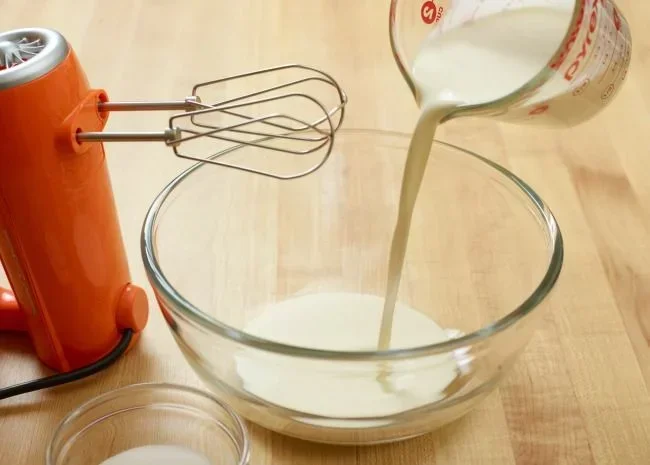
Heavy cream is a rich dairy product with a high fat content, typically around 36% milk fat. It whips into stiff peaks, adds velvety texture to soups and sauces, and serves as a base for desserts. Whether you are cooking, baking, or just adding it to your morning coffee, heavy cream is a versatile kitchen staple.
Heavy cream is one of those ingredients that can transform a simple dish into something extraordinary. Whether you are making a rich pasta sauce, a fluffy whipped topping, or a velvety soup, this dairy product brings a luxurious texture and depth of flavor that few other ingredients can match. If you have ever stood in the dairy aisle wondering what exactly makes heavy cream different from other creams, you are in the right place.
This guide covers everything you need to know about heavy cream. We will explore what it is, how it is made, what it contains nutritionally, and the many ways you can use it in your kitchen. By the end, you will feel confident choosing, storing, and cooking with heavy cream every time.
Key Takeaways
- High Fat Content: Heavy cream contains about 36% milk fat, making it the richest commonly available dairy cream.
- Great for Whipping: Its high fat content allows it to hold stiff peaks, perfect for desserts and toppings.
- Versatile in Cooking: Use it in soups, sauces, pasta, gravies, and baked goods for a creamy texture.
- Easy to Substitute: Several alternatives like half-and-half, coconut cream, and milk-butter mixtures work well.
- Simple Storage: Keep it refrigerated and use within a week for best quality.
- Nutrient-Dense: Heavy cream provides calcium, vitamin A, and healthy fats in moderation.
- Homemade Option: You can make a close substitute at home with butter and milk.
📑 Table of Contents
What Is Heavy Cream?
Heavy cream, also called heavy whipping cream, is a type of dairy cream with a high fat content. In the United States, it must contain at least 36% milk fat to be labeled as heavy cream. This high fat content is what gives it its thick, rich texture and its ability to whip into stable peaks.
The cream rises to the top of fresh milk when it sits. Manufacturers separate this fat-rich layer and process it into what we know as heavy cream. It is a natural product with minimal processing, which is part of why it tastes so good and works so well in cooking.
Why the Fat Content Matters
The fat content in heavy cream is the key to everything it does. Fat carries flavor, creates smooth textures, and provides structure when whipped. Lower-fat creams, like light cream or half-and-half, simply cannot do the same things because they do not have enough fat.
When you whip heavy cream, the fat globules break apart and trap air, creating a stable foam. This is why heavy whipping cream is the go-to choice for desserts, toppings, and rich sauces. The fat also prevents curdling when you heat it, which is a huge advantage in the kitchen.
Heavy Cream Nutrition and Health Benefits
Heavy cream is calorie-dense, but it also brings valuable nutrients to the table. Understanding what is in your heavy cream can help you use it wisely and enjoy it without guilt.
Nutritional Profile
A single tablespoon of heavy cream contains roughly:
- Calories: About 50 to 55
- Fat: Around 5.5 grams, mostly saturated
- Protein: About 0.5 grams
- Carbohydrates: Less than 1 gram
- Calcium: Small but meaningful amount
- Vitamin A: A good source
Because heavy cream is so rich, a little goes a long way. You typically use only a few tablespoons at a time, so the calories and fat per serving stay manageable in most recipes.
Health Benefits of Heavy Cream
Heavy cream is not just about taste. It offers some genuine nutritional benefits when used in moderation.
- Calcium for bones: Heavy cream provides calcium, which supports bone health and strength.
- Fat-soluble vitamins: The fat in heavy cream helps your body absorb vitamins A, D, E, and K from other foods.
- Satiety: The fat content helps you feel full and satisfied, which can prevent overeating.
- Rich flavor: A small amount adds big flavor, meaning you use less of other, potentially less healthy ingredients.
Of course, heavy cream is high in saturated fat and calories, so moderation is important. If you have dietary restrictions or health concerns, consider lighter alternatives or use heavy cream sparingly as a flavor enhancer rather than a main ingredient.
How to Use Heavy Cream in Cooking
The beauty of heavy cream lies in its versatility. You can use it in sweet and savory dishes, hot and cold recipes, and everything in between. Here are some of the most popular and delicious ways to put heavy cream to work in your kitchen.
In Soups and Sauces
Heavy cream creates silky, rich sauces and soups that feel restaurant-quality at home. Add it to mushroom soup, tomato soup, or creamy pasta sauce for a velvety finish. The cream also helps prevent dairy-based sauces from breaking when heated.
Quick tip: Add heavy cream toward the end of cooking and keep the heat low. Boiling heavy cream can cause it to separate or curdle, which ruins the texture.
In Desserts and Baking
Heavy cream is a dessert powerhouse. You can whip it into fluffy peaks for pies, cakes, and fruit toppings. It also forms the base for homemade ice cream, custards, puddings, and whipped cream frosting.
When whipping heavy cream, make sure it is cold. Cold cream whips faster and holds its shape better. Add a little sugar or vanilla extract for sweetness, and whip until soft or stiff peaks form depending on your recipe.
In Coffee and Beverages
Many coffee lovers prefer heavy cream over milk or lighter creamers because of its rich, smooth texture. A splash of heavy cream in your morning coffee or latte adds a luxurious mouthfeel and balances out the bitterness of the espresso.
In Pasta and Casseroles
Creamy pasta dishes like fettuccine Alfredo or baked casseroles rely on heavy cream for their signature richness. It blends beautifully with cheese, garlic, and herbs to create a comforting, indulgent meal.
Heavy Cream vs Other Creams
The dairy aisle can be confusing with so many cream options. Understanding how heavy cream compares to other types helps you choose the right one every time.
Heavy Cream vs Light Cream
Light cream contains about 18% to 30% milk fat, which is significantly less than heavy cream’s 36%. Light cream works well in coffee or light sauces but cannot be whipped. Heavy cream wins for versatility and richness.
Heavy Cream vs Half-and-Half
Half-and-half is a blend of equal parts milk and cream, with about 10% to 12% fat. It is thinner and lighter than heavy cream. Use half-and-half when you want a subtle creaminess without the heavy richness. It works well in coffee, scrambled eggs, and light sauces.
Heavy Cream vs Whipped Topping
Commercial whipped toppings are often made from partially hydrogenated oils and artificial ingredients. They lack the rich, natural flavor of real heavy cream. For the best taste and texture, nothing beats freshly whipped heavy cream.
Comparison Table
| Type | Fat Content | Can Be Whipped | Best Used For |
|---|---|---|---|
| Heavy Cream | 36%+ | Yes | Whipping, sauces, soups, desserts |
| Light Cream | 18-30% | No | Coffee, light sauces |
| Half-and-Half | 10-12% | No | Coffee, eggs, light cooking |
| Whipped Topping | Varies | Pre-whipped | Toppings, decorations |
How to Make Homemade Heavy Cream
Running out of heavy cream mid-recipe can be stressful. The good news is you can make a close substitute at home with ingredients you likely already have.
The Butter and Milk Method
Mix three-quarters of a cup of whole milk with one-third of a cup of melted butter. Stir well until combined. This mixture closely mimics the fat content and richness of heavy cream and works beautifully in most recipes.
The Coconut Cream Method
For a dairy-free option, chill a can of full-fat coconut milk overnight. Scoop out the thick cream that rises to the top. This coconut cream whips well and adds a subtle tropical flavor to both sweet and savory dishes.
The Cashew Cream Method
Soak raw cashews in water for a few hours, then blend them with fresh water until smooth. This creates a creamy, neutral-flavored base that works well in soups, sauces, and desserts. It is a popular choice for vegan cooking.
Storing and Handling Heavy Cream
Proper storage keeps your heavy cream fresh and safe to use. Follow these simple guidelines to get the most out of every carton.
Refrigeration
Always store heavy cream in the refrigerator at or below 40°F. Keep it in its original container and place it on a shelf, not the door, where the temperature is more stable. Opened heavy cream typically lasts about 7 to 10 days in the fridge.
Freezing Heavy Cream
You can freeze heavy cream, but the texture changes after thawing. It may become slightly grainy or separate, which makes it less ideal for whipping. However, frozen and thawed heavy cream still works well in cooked dishes like soups, sauces, and baked goods.
Quick tip: Freeze heavy cream in ice cube trays for easy portioning. Pop out a cube or two whenever a recipe calls for a small amount.
Signs That Heavy Cream Has Gone Bad
Trust your senses when checking heavy cream. Look for these signs of spoilage:
- A sour or unpleasant smell
- Yellowish or off-color appearance
- Lumpy or curdled texture
- An acidic or rancid taste
If you notice any of these, discard the cream immediately. Using spoiled dairy can cause foodborne illness, so it is always better to be safe than sorry.
Common Mistakes When Cooking with Heavy Cream
Even experienced cooks sometimes run into trouble with heavy cream. Here are a few common mistakes and how to avoid them.
Boiling Heavy Cream
Heavy cream can curdle when boiled at high heat. Always add it at a lower temperature and stir gently. If a sauce starts to look curdled, remove it from the heat and whisk in a small amount of cold butter or cream to smooth it out.
Using Warm Heavy Cream for Whipping
Warm cream will not whip properly. Always chill your mixing bowl and whisk or beaters beforehand, and use cold heavy cream straight from the refrigerator. This simple step makes a huge difference in your results.
Over-Whipping
Whipping heavy cream too long turns it into butter. Watch it closely and stop as soon as stiff peaks form. If you accidentally over-whip, you can sometimes rescue it by adding a small splash of cold cream and whisking gently.
Frequently Asked Questions About Heavy Cream
Can I substitute heavy cream with milk and butter?
Yes, you can. Mix whole milk with melted butter to create a close substitute for heavy cream. Use about one tablespoon of melted butter per cup of whole milk. This works well in most cooking and baking recipes where heavy cream is used as a liquid ingredient.
Is heavy cream the same as heavy whipping cream?
Yes, heavy cream and heavy whipping cream are the same thing. Both contain at least 36% milk fat and can be whipped into stiff peaks. The names are used interchangeably in the United States.
Can I use heavy cream if I am lactose intolerant?
Heavy cream contains lactose, though in smaller amounts than milk because of its high fat content. Some people with mild lactose intolerance can tolerate small servings of heavy cream. However, if you are highly sensitive, it is best to choose a dairy-free alternative like coconut cream or cashew cream.
How long does heavy cream last after opening?
Once opened, heavy cream typically lasts 7 to 10 days in the refrigerator. Always check the expiration date on the carton and smell the cream before using it. If it smells sour or looks curdled, throw it away.
Can heavy cream be frozen?
Heavy cream can be frozen, but its texture changes after thawing. It may become slightly grainy, which makes it less suitable for whipping. However, frozen heavy cream works fine in cooked dishes like soups, sauces, and baked recipes where texture changes are less noticeable.
What is the difference between heavy cream and double cream?
Double cream is a British product with about 48% milk fat, making it even richer than heavy cream. Heavy cream contains about 36% fat. Double cream whips more easily and holds its shape very well, but it is less commonly available in the United States.
Final Thoughts
Heavy cream is truly one of the most versatile and essential ingredients in any kitchen. Its rich, creamy texture and high fat content make it irreplaceable for whipping, sauces, soups, desserts, and so much more. Whether you are a beginner cook or an experienced home chef, keeping a carton of heavy cream on hand opens up a world of culinary possibilities.
Remember that heavy cream is all about balance. Use it generously in recipes that call for it, but be mindful of portions when enjoying it on its own. With the right storage, smart substitutions, and a little practice, you will get the most out of every drop. Now go ahead and make something delicious with your heavy cream — your taste buds will thank you.