What Is a Smart Thermostat
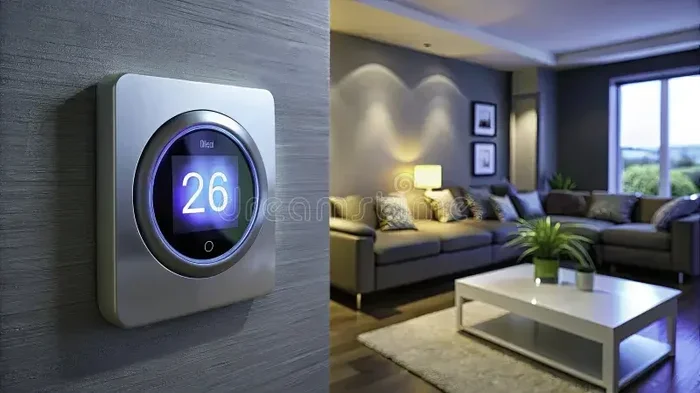
A smart thermostat is a Wi-Fi-enabled device that lets you control your home temperature remotely using a phone or voice assistant. It learns your habits, adjusts settings automatically, and can significantly lower your energy bills. This guide covers how smart thermostats work, their top features, and tips for choosing the best one for your home.
A smart thermostat is one of the simplest upgrades you can make to any home. It replaces your old manual thermostat with a connected device that thinks, learns, and adapts. Instead of guessing what temperature you want, a smart thermostat figures it out for you. This small change can lead to big savings on your energy bills and a more comfortable living space all year round.
If you have ever walked into a cold house because you forgot to turn the heat on, you know the frustration. Or maybe you left the AC running all day while nobody was home. A smart thermostat solves these problems with ease. It connects to your Wi-Fi network and lets you manage your home climate from your phone, tablet, or even your voice.
The beauty of a smart thermostat is that it works quietly in the background. You set it up once, and it handles the rest. It tracks your daily habits, adjusts the temperature when you leave, and brings your home back to a comfortable setting before you arrive. Let us break down exactly how this works and why it matters.
Key Takeaways
- Energy Savings: Smart thermostats can reduce heating and cooling costs by up to 15% through intelligent scheduling and learning.
- Remote Control: Adjust your home temperature from anywhere using a smartphone app or voice commands.
- Learning Algorithms: Modern thermostats study your daily routine and create a personalized schedule without manual input.
- Easy Installation: Most smart thermostats are designed for simple DIY setup with step-by-step guides.
- Home Compatibility: They work with most standard HVAC systems, but always check compatibility before buying.
- Eco-Friendly: Reducing energy waste helps lower your carbon footprint and supports a greener home.
📑 Table of Contents
What Is a Smart Thermostat?
A smart thermostat is a Wi-Fi-connected device that controls your home heating and cooling system. Unlike a traditional thermostat, it does not just turn your HVAC system on or off at a fixed temperature. It uses sensors, algorithms, and internet connectivity to make smart decisions about your home climate.
Think of it as the brain of your heating and cooling system. It gathers data from your daily routine, the weather outside, and even the occupancy of your home. Then it uses that data to create a schedule that keeps you comfortable while saving energy. Many models also learn your preferences over time, getting better at predicting what you want without you lifting a finger.
How Is It Different from a Programmable Thermostat?
You might wonder how a smart thermostat differs from a programmable one. A programmable thermostat lets you set a basic schedule, like turning the heat down at night. But you have to manually program that schedule, and it does not adapt if your routine changes. A smart thermostat, on the other hand, adjusts on its own. It can detect when you are home, when you are asleep, and even when you are on vacation. This level of automation is what sets it apart.
How Does a Smart Thermostat Work?
Understanding how a smart thermostat works is simpler than it sounds. It relies on a combination of hardware and software to manage your home temperature. Here is a quick look at the core components.
- Temperature Sensors: These measure the current temperature in your home and detect changes throughout the day.
- Occupancy Sensors: These know whether anyone is home and adjust settings accordingly to avoid wasting energy.
- Wi-Fi Connectivity: This lets the thermostat connect to your home network and sync with your phone or smart home system.
- Learning Algorithm: This software studies your behavior over days and weeks to build a personalized heating and cooling schedule.
- Weather Integration: Many smart thermostats pull in local weather data to pre-adjust your home temperature before conditions change.
The Learning Process
The learning process is what makes a smart thermostat truly smart. When you first install it, you set your preferred temperatures for different times of day. Over the next one to two weeks, the thermostat observes when you adjust the temperature and why. It then starts making those adjustments automatically. For example, if you always lower the heat at 10 p.m., the thermostat will begin doing that on its own.
This is similar to how a fitness machine adapts to your workout routine. Just like choosing what size motor is best for a treadmill ensures your equipment runs efficiently, a smart thermostat ensures your HVAC system runs at peak efficiency without wasting energy.
Key Features of a Smart Thermostat
Not all smart thermostats are created equal, but most share a core set of features that make them worth the investment. Here are the features you should look for.
Remote Access via App
Almost every smart thermostat comes with a mobile app. This lets you change the temperature from anywhere. Heading home early from work? Turn up the heat from your phone. Going on a weekend trip? Lower the temperature to save energy while you are away. This remote access alone can justify the cost for many homeowners.
Voice Assistant Compatibility
Most modern smart thermostats work with popular voice assistants like Amazon Alexa, Google Assistant, and Apple HomeKit. This means you can adjust the temperature using simple voice commands. Just say, “Hey Google, set the thermostat to 72 degrees,” and it is done. This feature is especially handy when your hands are full or you are relaxing on the couch.
Energy Usage Reports
Many smart thermostats provide weekly or monthly energy reports. These reports show how much energy you are using and where you can save. Some even give you tips on reducing consumption. Seeing your energy use in clear, simple data helps you make smarter decisions about your home comfort.
Geofencing Technology
Geofencing is a standout feature on many smart thermostats. It uses your phone’s location to detect when you are leaving or approaching home. When you leave, the thermostat switches to an energy-saving mode. When you are about to arrive, it starts heating or cooling your home so it is comfortable when you walk in. This is one of the most convenient aspects of owning a smart thermostat.
Benefits of Using a Smart Thermostat
The benefits of a smart thermostat go beyond just convenience. Here is why so many homeowners are making the switch.
Lower Energy Bills
This is the number one reason people buy a smart thermostat. By automatically adjusting the temperature when you are asleep or away, it prevents wasted energy. Studies show that a smart thermostat can save between 10% and 15% on heating and cooling costs each year. Over time, those savings add up and can even help the thermostat pay for itself.
Improved Comfort
A smart thermostat keeps your home at the right temperature without constant manual adjustments. It maintains consistent temperatures across rooms and responds to changes in weather. You come home to a comfortable space every time, without ever thinking about it.
Environmental Impact
Using less energy means a smaller carbon footprint. A smart thermostat helps you reduce your household energy consumption in a meaningful way. If you care about living a more eco-friendly lifestyle, this is a simple and effective step. It is a small device that contributes to a bigger goal of reducing overall energy waste.
Home Value
Smart home features are increasingly attractive to homebuyers. A smart thermostat is one of the most affordable ways to add a smart home feature to your property. It signals to potential buyers that the home is modern, efficient, and well-maintained.
Smart Thermostat vs Traditional Thermostat
To truly understand the value of a smart thermostat, it helps to compare it side by side with a traditional model. Here is a quick comparison.
- Control: Traditional thermostats require manual adjustment. Smart thermostats can be controlled remotely through an app or voice commands.
- Scheduling: Traditional models offer basic scheduling at best. Smart thermostats create their own schedules by learning your habits.
- Energy Savings: Traditional thermostats waste energy when you forget to adjust them. Smart thermostats optimize usage automatically.
- Connectivity: Traditional models are standalone devices. Smart thermostats connect to your home network and other smart devices.
- Price: Traditional thermostats are cheaper upfront, but smart thermostats save more money over time through energy efficiency.
Just as you might compare home fitness equipment before deciding between a treadmill vs rowing machine for your workout routine, comparing thermostat options helps you find the best fit for your home and budget.
How to Choose the Right Smart Thermostat
Picking the right smart thermostat for your home comes down to a few key factors. Here is what to consider before you buy.
Check HVAC Compatibility
Not every smart thermostat works with every heating and cooling system. Before purchasing, check whether your HVAC system is compatible. Most smart thermostats list compatible systems on their packaging or product page. If you are unsure, consult a local HVAC professional. They can quickly tell you if a smart thermostat will work with your setup.
Consider Your Budget
Smart thermostats range in price from around $50 to $250 or more. Basic models offer essential features like scheduling and remote control. Higher-end models include learning capabilities, geofencing, and detailed energy reports. Think about which features matter most to you and choose accordingly. Remember that energy savings can offset the upfront cost over time.
Think About Your Smart Home Ecosystem
If you already use smart home devices, choose a thermostat that fits your ecosystem. If you use Alexa, pick a thermostat that works well with Alexa. If you are in the Apple ecosystem, look for HomeKit compatibility. A seamless smart home experience starts with devices that communicate well with each other.
Read User Reviews
Before making a final decision, read user reviews online. Look for feedback on ease of installation, app reliability, and real-world energy savings. Other homeowners’ experiences can help you avoid common pitfalls and find a model that truly delivers on its promises.
Common Mistakes to Avoid
Even with a smart thermostat, some mistakes can reduce its effectiveness. Here are a few to watch out for.
- Skipping the Learning Period: Do not expect your thermostat to be perfect on day one. Give it one to two weeks to learn your routine before making judgments about its performance.
- Ignoring Software Updates: Manufacturers release updates that improve performance and add features. Keep your thermostat’s software up to date for the best results.
- Blocking Sensors: Placing furniture or curtains in front of your thermostat can block its sensors and cause inaccurate readings. Keep the area around it clear.
- Setting Extreme Temperatures: Cranking the thermostat to an extreme temperature does not heat or cool your home faster. It just wastes energy and strains your HVAC system.
Final Thoughts
A smart thermostat is one of the smartest investments you can make for your home. It saves energy, reduces bills, and adds a layer of comfort that traditional thermostats simply cannot match. The technology is mature, installation is straightforward, and the benefits are immediate and long-lasting.
Whether you are building a new smart home or simply looking to upgrade an old thermostat, a smart model is the way to go. It is a small device that makes a big difference. Start exploring your options today, and you will wonder how you ever lived without one.
Frequently Asked Questions
Can I install a smart thermostat myself?
Yes, most smart thermostats are designed for easy DIY installation. They usually come with a step-by-step guide and color-coded wiring. However, if you are not comfortable with electrical work, it is always a good idea to hire a professional. The installation process typically takes about 30 minutes.
Do smart thermostats really save energy?
Yes, they do. Studies show that smart thermostats can reduce heating and cooling costs by 10% to 15%. They achieve this by automatically adjusting temperatures when you are asleep or away from home. The savings depend on your usage habits and the climate where you live.
Are smart thermostats compatible with all HVAC systems?
Most smart thermostats are compatible with common HVAC systems, including forced air, heat pumps, and radiant heating. However, some older or specialty systems may not be compatible. Always check the product specifications before purchasing to ensure a proper fit.
What is the average cost of a smart thermostat?
Prices range from about $50 for basic models to $250 or more for premium options. Mid-range models with learning capabilities and energy reports typically cost between $100 and $150. Keep in mind that energy savings can help offset the upfront cost within the first year or two.
Can I use a smart thermostat with multiple heating zones?
Some smart thermostats support multi-zone heating and cooling, but not all do. If you have a multi-zone system, look for a thermostat that specifically lists multi-zone compatibility. You may also need additional hardware or professional installation to set it up correctly.
Do smart thermostats work without Wi-Fi?
Smart thermostats can still function as a basic thermostat without Wi-Fi, but you will lose all smart features. This includes remote control, learning algorithms, and energy reports. To get the full benefits, a stable Wi-Fi connection is required.