Elderly Positioning
Elderly positioning is the practice of arranging a senior’s body in safe, comfortable postures to prevent pain, pressure sores, and falls. Proper elderly positioning supports better breathing, circulation, and overall quality of life. Caregivers who master positioning techniques can reduce hospital visits and improve daily comfort significantly. This guide covers practical methods, tools, and tips you can use right away. Whether you are a family caregiver or a professional, these strategies will make a real difference.
Elderly positioning might not sound exciting, but it is one of the most important parts of daily senior care. When you help an older adult sit, lie, or rest in the right way, you protect their body from harm. You also make them feel more comfortable and dignified. Many family caregivers and professional aides overlook the basics of elderly positioning — and that can lead to real problems.
Pressure sores, breathing difficulties, muscle stiffness, and falls all connect back to poor positioning. The good news is that learning a few simple techniques can change everything. This guide walks you through everything you need to know about positioning elderly patients safely and effectively.
Key Takeaways
- Proper elderly positioning prevents pressure ulcers, falls, and joint pain.
- Repositioning every 2 hours is the gold standard for bedridden seniors.
- Support pillows, wedges, and foam pads make positioning easier and safer.
- Common mistakes like skipping repositioning schedules lead to serious complications.
- Side-lying, supine, and semi-reclined positions each serve different health needs.
- Caregiver safety matters too — use proper lifting techniques to avoid injury.
📑 Table of Contents
What Is Elderly Positioning and Why Does It Matter?
Elderly positioning means arranging a senior’s body in a way that supports health, comfort, and safety. It covers how someone sits in a chair, lies in bed, or rests in a wheelchair. The goal is to keep the body aligned and reduce strain on muscles, joints, and skin.
Why does this matter so much? As people age, their skin becomes thinner and more fragile. Bones lose density. Muscles lose strength. Even a short period of staying in one position can cause damage. Proper body alignment for seniors helps prevent a long list of health issues.
The Health Risks of Poor Positioning
When an older adult stays in one position too long, problems start to build up fast. Here are the main risks associated with bad positioning techniques:
- Pressure ulcers — Also called bedsores, these develop when constant pressure cuts off blood flow to the skin. They can form in as little as two hours.
- Poor circulation — Sitting or lying in a cramped position restricts blood flow to the legs, arms, and back.
- Breathing problems — Slouching or lying flat for too long can make it harder to breathe deeply, especially for seniors with lung conditions.
- Joint contractures — Staying in one position causes joints to stiffen and shorten over time, reducing range of motion.
- Falls — Poor sitting posture or unsafe bed positioning increases the chance of a senior rolling out of bed or losing balance.
These risks make it clear that comfort positioning is not just about feel-good care. It is a critical part of maintaining health and independence for older adults.
Common Positioning Challenges for Seniors
Every senior faces different challenges when it comes to staying in a safe position. Understanding these challenges helps you choose the right approach. Let us look at the most common issues caregivers encounter.
Limited Mobility and Muscle Weakness
Many older adults cannot move on their own. They depend on a caregiver to shift their body. This means the caregiver must use caregiver positioning methods that protect both the senior and the helper. Weak muscles make it hard for seniors to hold themselves upright, so they slump or slide in chairs and beds.
Chronic Pain and Joint Conditions
Arthritis, osteoporosis, and general aches make certain positions painful. A senior might resist being moved because it hurts. Understanding pain-free positioning helps you adjust gently and find postures that relieve pressure on sore spots.
Cognitive Decline and Restlessness
Seniors with dementia or Alzheimer’s may not understand why they need to stay in one position. They might try to get up unassisted, increasing fall risk. In these cases, safe positioning strategies become even more important to prevent accidents.
Incontinence and Skin Sensitivity
Moisture from incontinence softens the skin and raises the risk of pressure sores. Seniors who are incontinent need repositioning schedules that account for frequent skin checks and changes. Keeping the skin dry and supported is a key part of pressure ulcer prevention.
Best Positioning Techniques for Bed Rest
When a senior spends most of their time in bed, knowing the right bed positioning methods is essential. Different positions serve different purposes. Here are the most effective techniques used in elderly care today.
The Supine Position (Lying Flat on Back)
The supine position means lying flat on the back with the face up. This is the most common resting position and works well for seniors who need full support. Place a pillow under the knees to reduce lower back strain. A small rolled towel under the neck can support natural spinal alignment.
However, staying flat on the back for too long can increase pressure on the tailbone and heels. This is why you should not keep a senior in this position for more than two hours at a time without a change.
The Side-Lying Position
The side-lying position is one of the best options for relieving pressure on the back. Place a pillow between the knees to keep the hips aligned. A support pillow behind the back prevents the senior from rolling backward. This position is excellent for pressure relief and can improve breathing for seniors with certain lung conditions.
There are two variations:
- Left side-lying: This position can improve circulation and reduce heart strain. It is often recommended for seniors with breathing difficulties.
- Right side-lying: This position can help with digestion and is often more comfortable after meals.
The Semi-Reclined Position
The semi-reclined position uses an adjustable bed or wedge pillow to raise the upper body at a 30 to 45-degree angle. This position helps seniors breathe more easily and reduces pressure on the lower back. It is ideal for those who need to eat, read, or watch television while resting.
Use a positioning wedge pillow to maintain the angle without sliding down. This is one of the most versatile elderly positioning methods for daily use.
The Fowler’s Position
The Fowler’s position is similar to semi-reclined but with a higher angle — usually 60 to 90 degrees. It is commonly used in hospitals for seniors who have trouble breathing or who need to eat comfortably. A positioning pillow or adjustable bed works best to hold this angle safely.
Positioning Tools and Equipment That Help
You do not need expensive equipment to position an elderly person safely. But having the right tools makes the job easier, safer, and more effective. Here are some of the most helpful items for positioning elderly patients at home.
| Tool | Best Used For | Price Range |
|---|---|---|
| Positioning wedge pillow | Semi-reclined and Fowler’s positions | $20 – $50 |
| Heel protector pads | Pressure ulcer prevention on feet | $10 – $25 |
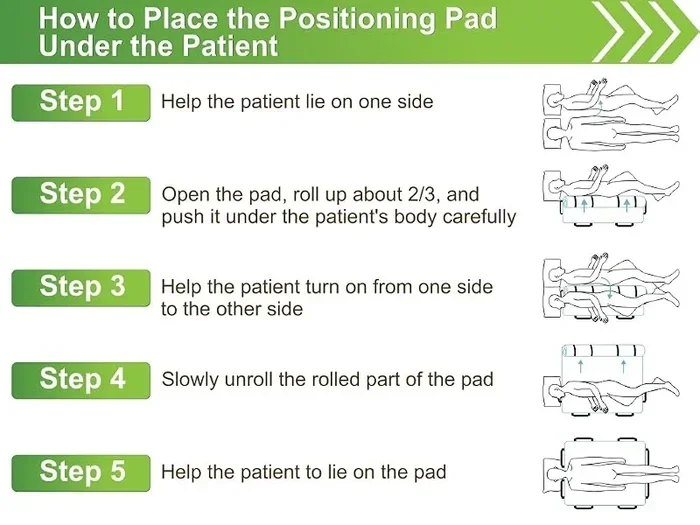
| Repositioning sling | Safe transfers and turning in bed | $30 – $80 |
| Foam body pillow | Side-lying support and hip alignment | $15 – $40 |
| Adjustable bed | Multiple positioning angles | $200 – $1,000+ |
| Gel pressure relief pad | Reducing pressure on tailbone and heels | $25 – $60 |
Quick Tips for Using Positioning Tools
- Check pillow firmness regularly. Flat pillows lose their support and stop helping with postural alignment.
- Use breathable covers on all positioning pillows to prevent moisture buildup.
- Inspect skin daily where pillows and pads touch the body. Look for redness that does not fade.
- Rotate and flip cushions weekly to maintain even support.
How Often Should You Reposition?
The golden rule of elderly positioning is to change positions at least every two hours. This applies whether the senior is in bed or in a wheelchair. A consistent repositioning schedule is the single most effective way to prevent pressure sores and stiffness.
Sample Repositioning Schedule
- 8:00 AM — Supine position with pillow under knees.
- 10:00 AM — Turn to left side-lying with support pillow between knees.
- 12:00 PM — Semi-reclined position for meals and activities.
- 2:00 PM — Turn to right side-lying position.
- 4:00 PM — Return to supine position.
- 6:00 PM — Semi-reclined position for dinner and evening relaxation.
- 8:00 PM — Left side-lying position for the night.
This schedule may need to be adjusted based on the senior’s comfort, health conditions, and mobility level. The key is to never let more than two hours pass without a change. Setting alarms or reminders on a phone can help caregivers stay on track.
Expert Insights: The Importance of a Repositioning Log
Many professional caregivers keep a repositioning log — a simple chart that tracks when the senior was turned and into which position. This helps ensure no shifts are missed. It also provides valuable information for doctors and nurses during check-ups. A repositioning log is one of the simplest yet most powerful tools in pressure ulcer prevention.
Common Mistakes to Avoid in Elderly Positioning
Even experienced caregivers can fall into bad habits when it comes to positioning elderly patients. Here are the most common mistakes and how to fix them.
Skipping the Repositioning Schedule
This is the number one mistake. When things get busy, repositioning is often the first task to skip. But skipping even one session can start the cycle of pressure buildup. Always stick to the schedule, no matter how hectic the day gets.
Using the Wrong Pillow Size or Type
A standard bed pillow is not the same as a positioning pillow. Regular pillows flatten quickly and do not provide the sustained support needed for comfort positioning. Invest in foam wedges or specialized positioning pillows designed for elderly care.
Ignoring the Caregiver’s Own Body
Caregivers often hurt their backs when moving or turning a senior without proper technique. Always bend at the knees, keep your back straight, and use a repositioning sling when possible. Caregiver positioning is just as important as the senior’s positioning.
Forgetting to Check Skin After Repositioning
After you turn or adjust a senior, take a moment to look at the skin. Red spots that stay red after shifting position are early warning signs of pressure sores. Catching them early can prevent serious complications.
Overlooking the Feet and Ankles
It is easy to focus on the back and hips, but the feet and ankles are also vulnerable to pressure damage. Use heel protector pads and make sure the feet are not resting against the bed frame or mattress edge.
Key Takeaways
- Elderly positioning is essential for preventing pressure ulcers, falls, and joint stiffness in older adults.
- Repositioning every two hours is the foundation of safe and effective care.
- Supine, side-lying, semi-reclined, and Fowler’s positions each serve different health needs.
- Support pillows, wedges, and foam pads make positioning easier and more comfortable.
- A repositioning schedule and log help caregivers stay consistent and accountable.
- Common mistakes like skipping repositioning or using the wrong equipment can lead to serious health problems.
- Caregiver safety matters — use proper lifting techniques and repositioning aids to protect yourself too.
Conclusion
Elderly positioning is a simple practice with profound results. When you take the time to arrange a senior’s body correctly, you protect their skin, joints, lungs, and overall well-being. The techniques in this guide — from bed positioning to repositioning schedules — are easy to learn and apply every day.
You do not need to be a trained nurse to make a real difference. A family caregiver who understands comfort positioning can dramatically improve a senior’s quality of life. Start with the two-hour repositioning rule. Add a few support pillows. Watch for the early signs of pressure damage. These small steps add up to big health benefits.
The most important thing to remember is this: elderly positioning is an act of care, respect, and love. Every time you help an older adult shift into a better position, you are giving them comfort and protecting their health. Use these tips today and make safe positioning a natural part of your daily care routine.
Frequently Asked Questions
What is the best position for an elderly person sleeping in bed?
The side-lying position with a pillow between the knees is often the best sleeping position for seniors. It relieves pressure on the back and hips while keeping the spine aligned. Using a support pillow behind the back prevents rolling and adds extra stability throughout the night.
How often should an elderly person be repositioned in bed?
Repositioning should happen at least every two hours for bedridden seniors. This is the standard recommendation for pressure ulcer prevention. Setting a timer or alarm helps caregivers stay consistent and never miss a scheduled turn.
What tools are best for elderly positioning at home?
Wedge pillows, foam body pillows, heel protectors, and repositioning slings are the most helpful tools. An adjustable bed is also a great investment for families caring for seniors long-term. These items make comfort positioning easier and safer for both the senior and the caregiver.
Can poor positioning cause falls in elderly adults?
Yes, absolutely. Poor bed positioning can cause seniors to roll out of bed or slide down in a chair. Unsafe sitting posture and weak back support increase the risk of losing balance. Using guard rails, positioning pillows, and proper postural alignment reduces fall risk significantly.
What are the early signs of a pressure sore from bad positioning?
Early signs include red or discolored skin that does not fade when pressure is released. The area may feel warm, firm, or tender to the touch. Catching these signs early and adjusting the repositioning schedule can prevent the sore from developing into a serious wound.
Is elderly positioning different for someone in a wheelchair?
Yes, wheelchair positioning requires special attention to seat angle, footrest support, and back alignment. Seniors in wheelchairs should be repositioned or shifted in their chair at least every two hours as well. Using a pressure relief cushion and maintaining proper body alignment are essential for wheelchair users.