Best Bed Exit Alert
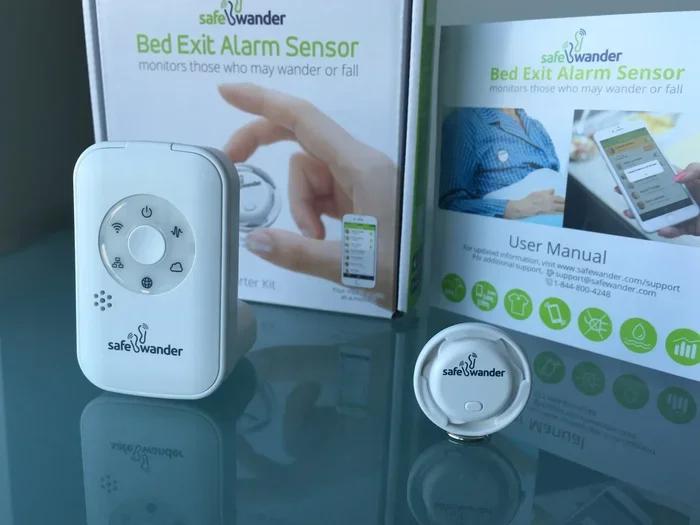
A bed exit alert is a critical safety device that notifies caregivers the moment someone leaves the bed, helping prevent falls and wandering. The best bed exit alert systems use pressure sensors, wireless monitors, and real-time notifications to provide peace of mind. Whether you care for an elderly parent or manage a care facility, choosing the right alert system can make a meaningful difference in overnight safety.
This is a comprehensive guide about best bed exit alert.
Key Takeaways
- Bed exit alerts prevent falls: Instant notifications help caregivers respond quickly when someone gets out of bed unsupervised.
- Multiple sensor types exist: Pressure mats, motion detectors, and wearable monitors all serve different needs and budgets.
- Wireless and portable options are ideal: You do not need complex wiring to set up an effective system at home.
- Consider the user’s condition: Dementia patients, post-surgery recovery, and elderly mobility issues each require different alert features.
- Battery life and range matter: Choose a system with reliable battery backup and a wireless range that fits your home layout.
- Pair safety devices with home exercise tools: Staying active at home with equipment like a best home treadmill for walking or best resistance bands for home workout supports overall well-being alongside safety monitoring.
[FEATURED_IMAGE_PLACEHOLDER]
A bed exit alert is one of the simplest yet most effective tools you can add to a home care setup. These devices detect when someone leaves the bed and immediately send a notification to a caregiver or family member. For families caring for elderly parents, individuals with dementia, or anyone recovering from surgery, this kind of early warning can prevent serious injuries.
Falls are the leading cause of injury among older adults. Many of these falls happen at night when the person gets up to use the bathroom and no one is watching. A bed exit sensor solves this problem by acting as a watchful eye that never sleeps. In this guide, we will walk you through everything you need to know about choosing the best bed exit alert system for your home.
We will cover the different types of alerts available, what features to look for, and which systems offer the best value. Whether you are new to caregiving or looking to upgrade your current setup, this article has practical advice you can use right away.
What Is a Bed Exit Alert System?
A bed exit alert is a safety device designed to detect when a person gets out of bed and trigger a notification. Most systems include a sensor pad placed under the mattress or a wearable clip attached to clothing. When weight is removed from the sensor, the system sends an alarm to a base station, smartphone app, or nurse call system.
These systems are widely used in hospitals, assisted living facilities, and home care settings. The goal is simple: catch the moment someone leaves the bed so a caregiver can respond before a fall happens. Bed exit monitoring is especially important for people with cognitive impairments who may not remember they are at risk.
How Does a Bed Exit Sensor Work?
Most bed exit sensors use one of two detection methods. The first is a pressure mat that sits on top of or under the mattress. When the person steps off the bed, the pressure drops and the sensor triggers the alarm. The second method uses a wearable device, such as a wristband or clip, that detects motion and sends a wireless signal to a receiver.
Advanced systems combine both methods for more reliable detection. Some also include motion detection technology that can distinguish between someone simply shifting position and actually getting out of bed. This reduces false alarms and gives caregivers more confidence in the system.
Types of Bed Exit Alert Systems
Not all bed exit alarms are the same. Understanding the different types helps you choose the system that fits your situation best. Here is a breakdown of the most common options available on the market today.
Pressure Mat Sensors
Pressure mats are the most popular type of bed exit alert. They are thin, flexible pads that slide under the mattress or on top of the bed. When the person steps off the bed, the weight change activates the alarm. These mats are easy to set up and require no charging in most cases.
One advantage of pressure mats is that they are non-invasive. The person using the bed does not need to wear anything or remember to activate a device. This makes them ideal for dementia patients who may forget to put on a wearable monitor. However, pressure mats can sometimes trigger false alarms if the person simply rolls over near the edge of the bed.
Wearable Alert Devices
Wearable bed exit monitors come in the form of wristbands, pendants, or clips worn on clothing. These devices use accelerometers and gyroscopes to detect movement patterns. When the wearer leaves the bed, the device sends a wireless signal to a base station or smartphone.
Wearable options work well for people who move around a lot during sleep or who share a bed with a partner. The sensor can be set to ignore the partner’s movements. However, the user needs to remember to wear the device consistently, which can be a challenge for individuals with memory issues.
Integrated Bed Exit Systems
Some home safety devices are built directly into hospital-grade beds or adjustable home beds. These integrated systems use embedded sensors in the mattress platform and provide the most seamless detection experience. They are more expensive but offer the highest level of reliability and accuracy.
Integrated systems are commonly found in care facilities but are becoming more available for home use. If you are investing in a quality adjustable bed, look for models that include built-in exit alerts as a feature. Pairing this with gentle exercise equipment like a best home treadmill to buy for daytime activity can support overall health and mobility.
Key Features to Look For
When shopping for the best bed exit alert, not all features are created equal. Here is what you should prioritize to make a smart purchase.
Wireless Range and Connectivity
The wireless range determines how far the sensor can be from the base station or receiver. For a single bedroom, a range of 100 to 300 feet is usually sufficient. If you need coverage across multiple rooms or floors, look for systems with extended range or mesh network capability.
Most modern bed exit alert systems connect via Wi-Fi, Bluetooth, or RF (radio frequency). Wi-Fi-connected systems allow you to receive notifications on your smartphone from anywhere. RF systems work without an internet connection, which is helpful in areas with poor Wi-Fi coverage.
Battery Life and Backup
Nothing is worse than a safety device that stops working because the battery died. Look for a bed exit sensor with long battery life, ideally lasting several months on a single charge. Some systems also include a battery backup feature that keeps the alarm working during power outages.
Quick tip: Set a monthly reminder to check the battery level on your bed exit monitor. This simple habit ensures the system is always ready when you need it most.
Volume and Alert Options
The alarm volume should be loud enough to wake a caregiver who is sleeping in another room. Many systems offer adjustable volume settings and multiple alert tones. Some also include visual indicators like flashing lights, which are helpful for caregivers with hearing difficulties.
Premium bed exit alarms can send push notifications to your phone or even integrate with smart home systems like Alexa or Google Home. This adds another layer of convenience and ensures you never miss an alert.
Ease of Setup
You do not want to spend hours installing a safety device. The best bed exit alert systems are plug-and-play. They come with clear instructions and require no technical skills to set up. Look for systems that can be ready to use within minutes of opening the box.
Who Needs a Bed Exit Alert?
Bed exit alerts are not just for one type of person. They serve a wide range of users and care situations. Here is a look at who benefits most from having one in the home.
Elderly Individuals Living Alone
Older adults who live alone face a higher risk of nighttime falls. A bed exit sensor can notify a family member or caregiver the moment the person gets up, allowing for a quick check-in. This provides peace of mind for everyone involved.
Dementia and Alzheimer’s Patients
Wandering is a common and dangerous behavior in dementia patients. A bed exit alert acts as a first line of defense against unsupervised wandering at night. Combined with other fall prevention strategies like grab bars and night lights, these systems significantly improve safety.
Post-Surgery Recovery
People recovering from hip surgery, knee replacement, or other procedures are at high risk of falling if they get out of bed too quickly or unassisted. A bed exit monitor alerts caregivers so they can provide support during these vulnerable moments. Staying active during recovery with gentle tools like a best rowing machine for home use can also support rehabilitation when cleared by a doctor.
Care Facilities and Assisted Living
Nursing homes and assisted living facilities use bed exit alarms as a standard safety measure. These systems help staff monitor multiple residents efficiently without needing to be physically present in every room at all times.
Comparing Top Bed Exit Alert Systems
Choosing the right system can feel overwhelming with so many options. The table below compares some of the most popular bed exit alert types to help you decide.
- Pressure Mat Systems: Affordable, easy to set up, no charging needed. Best for: dementia patients and elderly users who share a bed.
- Wearable Devices: Portable, customizable, works across rooms. Best for: active users who move around frequently.
- Integrated Bed Systems: Most reliable, seamless design, higher cost. Best for: long-term care setups and premium home beds.
- Smart Home Compatible Systems: Phone notifications, voice alerts, app control. Best for: tech-savvy caregivers who want remote monitoring.
When comparing systems, consider the user’s specific needs first. A pressure mat might be all you need for a parent who simply forgets they are getting out of bed. But for someone with severe dementia who tends to wander, a wearable alert with extended range might be a better fit.
For those managing both safety and an active home lifestyle, combining a bed exit alert with gentle fitness equipment makes sense. Many caregivers also recommend low-impact exercise tools to keep their loved ones moving safely during the day. Products like a best home treadmill for walking or best rowing machine for home use complement a comprehensive home care plan beautifully.
Common Mistakes to Avoid
Even with the best intentions, caregivers sometimes make mistakes when setting up a bed exit alert system. Here are common pitfalls and how to avoid them.
- Placing the sensor incorrectly: The sensor pad must be positioned where the person’s weight naturally rests. Placing it too close to the edge can cause false alarms.
- Ignoring false alarms: If the system triggers too often, the caregiver may start ignoring it. Adjust sensitivity settings to reduce unnecessary alerts.
- Skipping regular maintenance: Check the sensor pad, batteries, and wireless connection monthly. A system that has not been tested is a system you cannot trust.
- Choosing range over reliability: A long wireless range means nothing if the signal drops frequently. Prioritize consistent connectivity over maximum distance.
- Not involving the user: If the person using the bed understands how the system works, they are less likely to remove or disable it. Explain the purpose in simple, reassuring terms.
Final Thoughts on Choosing the Best Bed Exit Alert
Finding the best bed exit alert comes down to understanding your specific care situation. Consider the user’s mobility, cognitive state, and daily routine. A simple pressure mat might be perfect for one household, while a sophisticated wearable system is better for another.
The most important thing is that the system works reliably and consistently. A bed exit sensor that you can trust gives caregivers the confidence to rest easier at night, knowing that help will come quickly if someone gets out of bed unsupervised.
Take the time to compare options, read reviews, and test the system before committing long-term. Safety devices like bed exit alerts are an investment in peace of mind. Pair them with a safe home environment, regular check-ins, and gentle daily activity for the best results.
Remember, staying safe at home does not mean staying inactive. Encourage light movement and exercise during the day with tools that suit the user’s ability level. Whether it is a walk on a home treadmill or stretching with resistance bands, physical activity and safety monitoring go hand in hand for a healthier, more secure lifestyle.
Frequently Asked Questions
What is the most reliable type of bed exit alert?
Pressure mat sensors are generally the most reliable because they do not depend on the user wearing or remembering a device. They detect weight changes directly and work automatically every time someone gets out of bed.
Can a bed exit alert be used with a hospital bed at home?
Yes, most bed exit alerts work with hospital beds and adjustable home beds. Look for systems with a thin, flexible sensor pad that fits easily under any mattress or bed platform.
How far can wireless bed exit alerts transmit?
Most wireless systems have a range of 100 to 300 feet. Some premium models extend up to 500 feet or more, making them suitable for larger homes or multi-floor setups.
Are bed exit alerts covered by insurance?
Some insurance plans and Medicare Advantage programs may cover bed exit monitors when prescribed by a doctor. Check with your insurance provider to see if this applies to your situation.
How do I reduce false alarms from my bed exit sensor?
Adjust the sensitivity settings on your device and reposition the sensor pad so it is centered under the heaviest part of the mattress. Avoid placing it near the edge where shifting weight can trigger false alerts.
Is a bed exit alert the same as a fall detection device?
No, a bed exit alert notifies caregivers when someone leaves the bed, while a fall detection device activates when a fall has already occurred. Both serve different but complementary roles in a complete home safety plan.