Read More About Night Carers for Elderly People at Home
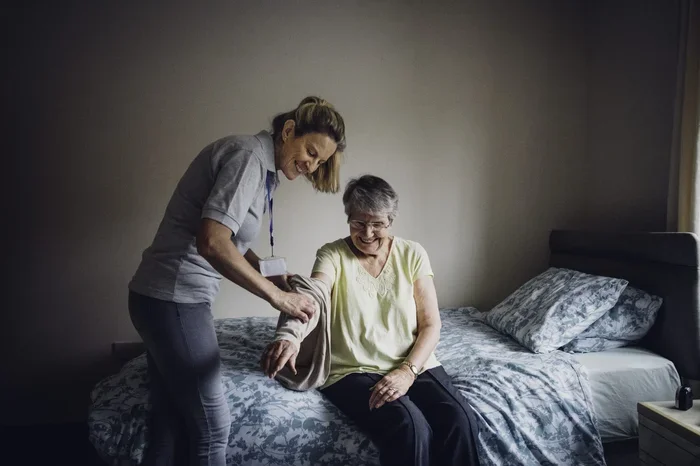
Night carers for elderly people at home provide essential overnight support that keeps seniors safe, comfortable, and well cared for during the darkest hours. Whether your loved one needs help with medication, mobility, or simply someone to be there through the night, a trained night carer can make a life-changing difference. This guide covers everything you need to know about hiring, costs, and finding the right fit for your family.
Caring for an elderly loved one is a full-time job. And when the sun goes down, the responsibility doesn’t stop. Many families face the same worry: how do I keep my elderly parent safe and comfortable through the night? This is exactly where night carers for elderly people at home step in. They provide essential overnight support that transforms restless nights into peaceful, safe hours for everyone involved.
Whether your parent has dementia, mobility issues, or simply needs someone nearby in case of an emergency, a night carer can be a game-changer. But what does a night carer actually do? How do you find one? And what should you expect to pay? In this guide, we walk you through everything you need to know about overnight elderly care at home. Let’s dive in.
Key Takeaways
- Night carers provide critical safety and comfort: They help prevent falls, manage medications, and offer peace of mind for both seniors and their families.
- Multiple care options exist: You can choose from live-in carers, waking night carers, or hourly overnight visits depending on your loved one’s needs.
- Costs vary widely: Prices depend on location, level of care needed, and whether you hire privately or through an agency.
- Financial support is available: Benefits like Attendance Allowance and local council funding can help cover night care expenses.
- Finding the right match matters: Background checks, references, and a good personal rapport are essential when choosing a night carer.
- Light exercise helps elderly wellbeing: Gentle activities like resistance band exercises can improve sleep quality and mobility for seniors at home.
📑 Table of Contents
What Are Night Carers for Elderly People?
A night carer is a trained professional who provides care and support to elderly individuals during the overnight hours. Unlike daytime carers who focus on meals, outings, and daily activities, night carers specialise in overnight senior care. Their main goal is to ensure the person they care for stays safe, comfortable, and well throughout the night.
Understanding the Role of a Night Carer
The role of a nighttime caregiver goes far beyond just being present. These professionals handle a wide range of responsibilities that keep the household running smoothly while the family sleeps. They check on the elderly person regularly, assist with bathroom trips, manage pain medication schedules, and respond to any emergencies that may arise during the night.
For families who cannot stay up all night or live far away, a night carer offers something priceless: peace of mind. Knowing that a trained professional is watching over your loved one allows you to get the rest you need to be a better caregiver during the day.
Types of Night Care Services
Not all night care looks the same. There are several options available, and the right choice depends on your loved one’s needs and your family’s situation.
- Sleep-in care: The carer stays at the home overnight but gets to sleep when the person is settled. They wake up if needed.
- Waking night care: The carer stays awake throughout the night to provide regular assistance, often needed for those with serious health conditions.
- Hourly visits: A carer visits the home several times during the night to check on the person, help with medications, and assist with any needs.
- Live-in care: A carer lives in the home full-time, providing both day and night support as needed.
Each option has its pros and cons. Sleep-in care tends to be more affordable, but waking night care offers more hands-on support for those who need it.
Why Night Care Matters for Seniors
Nighttime can be a scary and confusing time for many elderly people. Without proper support, the risks of falls, missed medications, and loneliness increase significantly after dark. Night care for elderly at home addresses all of these concerns in a familiar, comfortable setting.
Safety During the Night Hours
Falls are one of the biggest dangers for seniors, especially at night. Dim lighting, confusion, and the need to use the bathroom all create hazards. A night carer ensures that pathways are clear, lights are set up safely, and someone is there to assist with every trip out of bed. This elderly safety at night support can prevent hospital visits and serious injuries.
For those with dementia night care needs, the risks are even higher. People with dementia often experience sundowning, which causes increased confusion and agitation in the evening and nighttime hours. A trained night carer understands these challenges and knows how to calm and reassure the person safely.
Emotional Support and Companionship
Loneliness is a silent crisis among the elderly. Many seniors spend their nights alone, which can lead to anxiety, depression, and worsening health conditions. A night carer provides more than physical assistance. They offer elderly companionship and a reassuring presence that makes the nighttime feel less isolating.
Even simple things like having a conversation, holding a hand, or just knowing someone is nearby can dramatically improve a senior’s emotional wellbeing. Home care for seniors isn’t just about physical tasks. It’s about dignity, connection, and feeling valued.
What Do Night Carers Actually Do?
If you’re wondering what a typical night shift looks like for a carer, the answer is: it varies. But most overnight caregiver duties fall into a few key categories. Let’s break them down.
Daily Tasks and Responsibilities
Here’s a snapshot of what a night carer might handle during a typical shift:
- Helping the person get ready for bed, including changing into nightclothes and setting up a comfortable sleeping environment
- Assisting with bathroom visits and personal hygiene throughout the night
- Administering evening and nighttime medications on schedule
- Monitoring vital signs like blood pressure, temperature, or blood sugar levels if required
- Responding to call bells or alarms if the person needs help
- Preparing morning refreshments and helping the person wake up at the right time
- Recording any incidents, changes in condition, or notes for the family or care team
- Ensuring the home is safe and secure before settling back into their own rest period
These tasks may sound routine, but each one plays a vital role in keeping the elderly person healthy and safe. Consistency and reliability are what make a good night carer truly excellent.
Specialized Care Needs
Some elderly individuals have complex needs that require specialised training. For example, someone with Parkinson’s disease may need help with mobility and swallowing throughout the night. A person recovering from surgery might need wound care or physiotherapy exercises. A night carer with the right skills and experience can provide this level of personal care for elderly individuals with confidence and compassion.
If your loved one has specific medical needs, always ask potential carers about their experience and training in those areas. The right match can make all the difference.
Keeping Elderly Loved Ones Active at Home
One often overlooked aspect of night care is how daytime activity affects nighttime rest. Elderly people who stay active during the day tend to sleep better at night. Light exercise and gentle movement can improve both sleep quality and overall mobility for seniors.
Gentle Exercises for Better Sleep
You don’t need heavy equipment to help your elderly loved one stay active. Simple exercises using resistance bands for home workout routines can improve circulation, reduce stiffness, and promote deeper sleep. Resistance bands are gentle on joints and can be used while seated, making them perfect for seniors with limited mobility.
Even light strength work with dumbbells for beginners at home can help maintain muscle tone and bone density. A few gentle bicep curls or shoulder presses during the day can make a real difference in how well your loved one sleeps through the night. The key is consistency and keeping the exercises low-impact and enjoyable.
For those who prefer walking, having a home treadmill for walking can provide a safe, weather-proof way to stay active indoors. Even a short daily walk on a treadmill helps regulate the body’s sleep-wake cycle, which is especially beneficial for elderly individuals dealing with insomnia or irregular sleep patterns.
Mobility Support Throughout the Night
Beyond daytime exercise, a night carer also supports mobility during the hours when the family is asleep. This includes helping the person move safely from bed to bathroom, adjusting sleeping positions to prevent bedsores, and ensuring any mobility aids like walkers or grab bars are within easy reach. This ongoing elderly mobility support is one of the most valuable aspects of professional night care.
How to Choose the Right Night Carer
Finding the right person to care for your loved one is one of the most important decisions you’ll make. It’s not just about skills and qualifications. It’s about trust, personality, and compatibility.
What to Look For
When evaluating potential night carers, consider these key factors:
- Relevant experience: Look for carers who have worked specifically with elderly clients, especially those with conditions similar to your loved one’s.
- Proper training and certifications: First aid, CPR, and dementia care training are all valuable qualifications to look for.
- Background checks: Always verify references and run thorough background checks through a trusted agency or independently.
- Personality fit: Your loved one needs to feel comfortable and safe with their carer. A trial period can help you gauge this.
- Reliability and punctuality: Night care requires someone who takes the role seriously and shows up consistently.
- Communication skills: A good carer keeps you informed about any changes in your loved one’s condition or behaviour.
Questions to Ask Potential Carers
Before committing, sit down with any potential carer and ask thoughtful questions. Here are some to get you started:
- How many years have you worked in elderly care?
- What is your experience with overnight or sleep-in care specifically?
- How do you handle emergencies during the night?
- Can you provide references from previous clients or families?
- What is your approach to managing medications and pain relief?
- How do you communicate with families during your shift?
The answers will tell you a lot about their professionalism, compassion, and suitability for your family’s unique needs.
Costs, Funding, and Making Night Care Affordable
Let’s talk about the practical side. Night care costs can vary significantly depending on where you live, the type of care needed, and whether you hire through an agency or privately. Understanding the costs upfront helps you plan and explore funding options.
Understanding the Expenses
On average, a sleep-in night carer in the UK costs between £100 and £150 per night. Waking night care, where the carer stays awake and actively assists throughout the night, typically costs more, ranging from £150 to £250 per night. Private hire is often cheaper than agency fees, but agencies provide backup carers and handle vetting and training.
If you’re paying out of pocket, these costs can add up quickly. That’s why exploring funding options is so important.
Financial Support Options
Several forms of financial support can help cover the cost of in-home care services for elderly individuals:
- Attendance Allowance: A UK government benefit for people over 65 who need help with personal care. It’s not means-tested, so your income and savings don’t affect eligibility.
- Local council funding: Your local council may contribute to care costs after a needs assessment. The amount depends on your loved one’s circumstances and financial situation.
- NHS Continuing Healthcare: For those with significant healthcare needs, the NHS may fund full-time care, including night care, at no cost to the family.
- Charitable grants: Various charities and organisations offer grants to help families cover care costs. It’s always worth checking what’s available in your area.
Don’t assume you have to pay for everything yourself. Many families are surprised by how much support is available if they know where to look.
The Benefits of Night Care for the Whole Family
When we talk about night carers for elderly people at home, we often focus on the senior. But the benefits ripple out to the entire family. Family carers who get proper sleep are healthier, more patient, and better equipped to handle the challenges of caregiving. Respite through professional night care helps prevent burnout and keeps families strong.
Children in the household also benefit. When Grandma or Grandpa has a trained carer looking after them at night, the family dynamic shifts from stress and worry to normalcy and connection. Everyone gets to rest, and everyone gets to enjoy their time together during the day without the shadow of nighttime anxiety.
Caring for elderly parents at home is a beautiful act of love. But love alone isn’t enough. You need support, rest, and the right professional help to make it sustainable. A night carer isn’t a sign that you can’t handle things. It’s a sign that you’re doing everything you can to give your loved one the best life possible.
Take the time to explore your options. Talk to local agencies. Ask for recommendations from other families in similar situations. And remember: choosing night care is one of the best decisions you can make for your elderly loved one and for yourself.
Frequently Asked Questions
What is the difference between a sleep-in carer and a waking night carer?
A sleep-in carer stays at the home overnight but gets to rest when the person is settled, waking up only if needed. A waking night carer stays awake throughout the entire night to provide regular assistance. Waking night care is typically more expensive because the carer is actively working the whole time.
How do I know if my elderly parent needs a night carer?
If your parent has frequent nighttime bathroom trips, mobility challenges, dementia-related agitation, or chronic pain that needs management at night, a night carer can help. Also consider it if you or another family member can’t safely stay up all night to provide support. Trust your instincts and assess their safety after dark.
Can I hire a night carer privately instead of through an agency?
Yes, you can hire a night carer privately, which is often cheaper than agency fees. However, private hire means you handle background checks, references, taxes, and finding a replacement if the carer is unavailable. Agencies handle all of this but charge a premium for their services and peace of mind.
What qualifications should a good night carer have?
A good night carer should have training in first aid and CPR, experience working with elderly clients, and any specialised certifications relevant to your loved one’s needs, such as dementia care. Always verify qualifications and ask for proof before hiring anyone to care for your family member.
How much does a night carer cost per night in the UK?
Costs vary by location and type of care. Sleep-in care typically costs £100 to £150 per night, while waking night care ranges from £150 to £250 per night. Private hire is usually cheaper than agency care, but agencies provide backup support and handle vetting and training.
Are night carers only for people with serious health conditions?
No, night carers aren’t just for those with serious health conditions. Any elderly person who feels unsafe alone at night, needs help with mobility, or benefits from companionship can use night care. Even seniors who are generally healthy but prefer having someone nearby overnight can enjoy the comfort and security a night carer provides.
=== CONCLUSION ===
Night carers for elderly people at home offer so much more than just overnight supervision. They provide safety, comfort, companionship, and a lifeline for families who want the best care for their loved ones. From preventing nighttime falls to managing medications and offering emotional support, a good night carer touches every aspect of an elderly person’s wellbeing.
Whether you’re considering sleep-in care, waking night support, or hourly visits, the key is finding someone who is trained, trustworthy, and a good fit for your family. Don’t be afraid to ask questions, take your time, and explore all the funding options available to you. Your loved one deserves the best care, and so do you.
Start your search today. Talk to local agencies, reach out to other families, and take that first step toward safer, more peaceful nights for everyone in your household.