Daily Yoga Routine for Flexibility
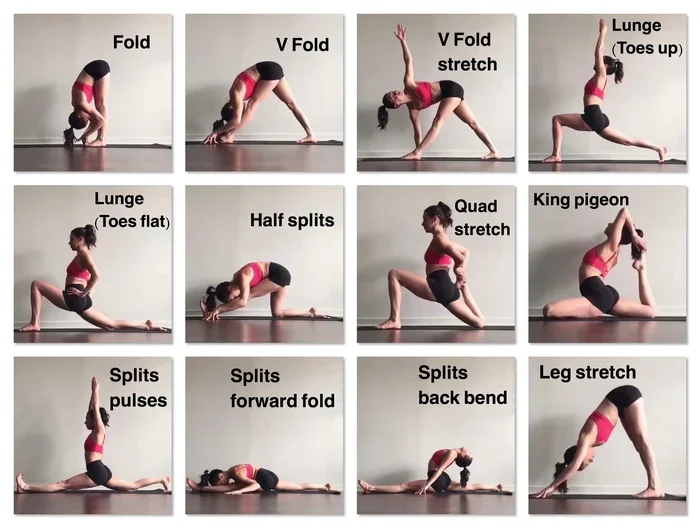
A daily yoga routine for flexibility can change your body and mind in just 15 to 30 minutes a day. You do not need fancy equipment or years of experience to start. This guide walks you through the best yoga poses for flexibility, a beginner-friendly morning yoga sequence, and practical tips to build a habit that sticks.
Have you ever woken up feeling stiff and tight? Your shoulders feel locked. Your hips won’t budge. Your back aches from sleeping in one position all night. Now imagine fixing all of that with just 15 minutes of movement every single morning.
That is exactly what a daily yoga routine for flexibility can do for you. You do not need to be a gymnast. You do not need expensive gear. You just need a willingness to show up and breathe. This article breaks down everything you need to know to start, stay consistent, and actually see results.
Flexibility training through yoga is one of the most accessible forms of exercise on the planet. Whether you are a complete beginner or someone who has been sitting at a desk for years, the right stretching routine can unlock movement you thought was gone forever. Let us dive in.
Key Takeaways
- Consistency beats intensity: A short daily practice works better than one long session per week.
- Start with gentle stretches: Easy yoga poses for flexibility like cat-cow and forward folds make a huge difference.
- Your mat matters: A yoga mat with proper thickness supports comfort and stability during every pose.
- Timing is flexible: Morning or evening, the best time is whenever you can show up consistently.
- Progress takes patience: Small weekly gains add up to big changes over time.
- Listen to your body: Never push through sharp pain. Gentle tension is okay; sharp pain is not.
📑 Table of Contents
- Why a Daily Yoga Routine for Flexibility Works
- The Best Yoga Poses for Flexibility
- Building Your Daily Yoga Routine for Flexibility
- Common Mistakes to Avoid in Your Flexibility Practice
- Expert Tips to Maximize Your Flexibility Gains
- How to Stay Consistent with Your Daily Practice
- The Long-Term Benefits of a Daily Yoga Practice
Why a Daily Yoga Routine for Flexibility Works
People often wonder why doing yoga every day matters so much. The answer is simple. Your connective tissues, muscles, and joints respond to regular, gentle stimulation. One intense session per week does not give your body the consistent signal it needs to adapt and change.
A daily yoga practice creates a feedback loop. Each session gently lengthens your muscles. Each session breaks up stiffness. Over time, your body flexibility improves in ways that surprise you. You start touching your toes without thinking. You reach overhead without strain. Your hips open up. Your shoulders relax.
Here is what science tells us about daily stretching and movement:
- Regular stretching increases range of motion in joints by gradually lengthening muscle fibers and fascia.
- Daily movement reduces cortisol levels, which helps your muscles release tension they have been holding.
- Consistent yoga practice improves blood flow to tight areas, delivering nutrients and removing waste products from muscles.
- Flexibility training supports joint health by keeping the synovial fluid that lubricates your joints moving properly.
- A short daily session builds neuromuscular patterns that make flexible movement feel natural over time.
The key takeaway here is that yoga for flexibility is not about forcing your body into extreme positions. It is about showing up regularly and letting your body do what it is designed to do. Move. Stretch. Breathe. Repeat.
How Your Body Responds to Daily Stretching
When you first start a daily yoga routine, your body will resist a bit. Your muscles will feel tight. You might even feel sore the next day. This is completely normal. Your muscles have developed patterns of shortness and tension over months or even years of sitting, standing, or moving in limited ways.
Within two to three weeks of consistent practice, you will notice real changes. Your morning yoga sessions will feel easier. Your range of motion will expand. The tightness that used to dominate your hips and back will start to fade. This is your body adapting to the new stimulus you are giving it every day.
After about six to eight weeks, many practitioners report dramatic improvements. Simple yoga movements that once felt impossible become second nature. The best part? These gains stick around as long as you keep the habit going.
The Best Yoga Poses for Flexibility
Not all yoga poses are created equal when it comes to improving flexibility. Some target your hamstrings. Others focus on your hips or spine. A well-rounded daily yoga routine for flexibility should address all the major tight areas in the body.
Here are the most effective yoga poses for flexibility that you can include in your everyday practice:
Forward Folds
Forward folds are the bread and butter of any stretching routine. They target your hamstrings, lower back, and calves. The seated forward fold and standing forward fold are two of the most accessible options for beginners.
When you fold forward, let gravity do the work. Do not force yourself down. Instead, breathe deeply and allow your body to release a little more with each exhale. Over time, you will go deeper without even trying.
Hip Openers
Tight hips are one of the most common complaints among people who sit all day. Pigeon pose, lizard pose, and butterfly stretch are excellent yoga exercises for opening up the hips.
Hold each hip opener for at least 30 seconds on each side. You should feel a gentle stretch, not sharp pain. If you feel pain, ease off slightly. Your yoga practice should always feel challenging but never unbearable.
Spinal Twists
Twisting poses like seated spinal twist and supine twist help mobilize your spine and release tension in your back and core. These yoga movements also support digestion and can help relieve lower back discomfort.
Twist gently and breathe into the rotation. Each exhale gives you a chance to go a little deeper. Your flexibility training will improve as your spine learns to rotate more freely.
Backbends
Backbends like cobra pose and bridge pose open up your chest, shoulders, and front body. These poses counterbalance the forward hunch that comes from working at a desk or looking at a phone all day.
Start with gentle backbends and build up over time. Cobra pose is a perfect beginner option. Keep your elbows slightly bent and focus on opening your chest rather than compressing your lower back.
Balance Poses
Balance poses like tree pose and warrior three do more than build strength. They also improve your overall body awareness and coordination, which supports better movement in all directions.
These poses challenge your stability and engage multiple muscle groups at once. They are a great addition to any yoga sequence focused on flexibility.
Building Your Daily Yoga Routine for Flexibility
Now that you know which poses to include, let us talk about how to structure your practice. A good daily yoga routine for flexibility does not need to be complicated. In fact, simplicity is your best friend here.
A Simple 20-Minute Morning Sequence
Here is a sample sequence you can follow every morning. It takes about 20 minutes and targets all the major areas that need flexibility work:
- Cat-Cow Pose (2 minutes) — Warm up your spine and get your body moving.
- Downward-Facing Dog (2 minutes) — Stretch your hamstrings, calves, and shoulders.
- Standing Forward Fold (2 minutes) — Deepen the hamstring stretch with gravity.
- Low Lunge (each side) (3 minutes) — Open up your hip flexors.
- Pigeon Pose (each side) (4 minutes) — Deep hip opener for tight hips.
- Seated Spinal Twist (each side) (3 minutes) — Mobilize your spine and release back tension.
- Supine Figure-Four Stretch (each side) (2 minutes) — Gentle glute and hip stretch.
- Savasana (2 minutes) — Let your body absorb the benefits of your practice.
This sequence works beautifully as a morning yoga practice. But you can also do it in the evening to release the tension that builds up during the day. The beauty of a daily yoga routine is that you can adapt it to fit your schedule and needs.
What You Need to Get Started
One of the best things about yoga is how little equipment you need. Here is a quick checklist:
- A yoga mat — Choose one with the right thickness for comfort and support. A mat that is too thin can cause discomfort on hard floors, while one that is too thick can make balancing poses unstable.
- Comfortable clothing — Wear something that lets you move freely without restriction.
- A quiet space — Even a small corner of your bedroom works. You do not need a whole room.
- Optional: a yoga block or strap — These help beginners reach poses they cannot quite get to yet.
If you are not sure which mat to choose, consider your practice style. A thicker mat provides more cushioning for poses done on the knees or spine. Check out our guide on how thick your yoga mat should be for beginners if you are just starting out.
Common Mistakes to Avoid in Your Flexibility Practice
Even with the best intentions, many people make mistakes that slow down their progress or lead to injury. Here are the most common ones to watch out for:
Pushing Too Hard Too Fast
This is the number one mistake beginners make. You see someone on social media doing an amazing split, and you think you should be able to do it too. The truth is that extreme flexibility takes months or even years of consistent work. Your yoga practice should challenge you, but it should never cause sharp or shooting pain.
Respect where your body is today. Progress in flexibility training is slow and steady. Trust the process.
Skipping the Warm-Up
Jumping straight into deep stretches without warming up your muscles is a recipe for strain. Always start with gentle movements like cat-cow or a few rounds of sun salutations to get your blood flowing and your muscles warm.
Holding Your Breath
Breathing is the secret weapon of yoga. When you hold your breath, your muscles tense up and you lose the ability to relax into stretches. Breathe deeply and slowly throughout every pose. Let each exhale help you release a little more tension.
Neglecting the Cool-Down
Savasana or a simple lying-down stretch at the end of your session allows your body to integrate the work you have done. Skipping the cool-down means you miss out on the deep relaxation and recovery that makes your practice truly effective.
Expert Tips to Maximize Your Flexibility Gains
Want to get the most out of your daily yoga routine for flexibility? These expert-backed tips will help you go further, faster:
Practice at the Same Time Every Day
Habit formation is one of the most powerful tools you have. When you practice at the same time each day, your brain starts to associate that time with movement. Morning practice works well for many people because it sets a positive tone for the rest of the day. But if mornings do not work for you, find a time that does.
Focus on Your Breath
Your breath is the bridge between your mind and body. When you breathe deeply into a stretch, you signal your nervous system to relax. This allows your muscles to release more fully. Many yoga teachers call this the relaxation response, and it is the key to unlocking deeper flexibility.
Track Your Progress
Keep a simple journal or take photos every two weeks. You might not notice small changes day to day, but over a month or two, the progress becomes obvious. Seeing your improvements keeps you motivated to stick with your daily yoga routine.
Be Patient with Yourself
Everyone’s body is different. Your friend might touch their toes in a week. It might take you a month. That does not mean you are doing anything wrong. Your yoga journey is uniquely yours. Celebrate every small win along the way.
Use Quality Equipment
The right gear makes a real difference. A well-made yoga mat with proper cushioning and grip supports your practice and prevents slipping. If you want guidance on choosing the right mat, check out our article on what to look for in a good yoga mat. It covers everything from material to thickness to texture.
How to Stay Consistent with Your Daily Practice
The hardest part of any daily yoga routine for flexibility is not the poses. It is staying consistent. Life gets busy. Motivation fades. That is why building systems matters more than relying on willpower alone.
Here are some practical strategies that actually work:
- Start with just five minutes. Even a short session counts. Once you build the habit of showing up, you can gradually increase the duration.
- Set a daily reminder on your phone or calendar until the practice becomes automatic.
- Pair your yoga with an existing habit like brushing your teeth or drinking your morning coffee. This is called habit stacking, and it works wonders.
- Find a community. Join a local class or an online group. Accountability makes a huge difference.
- Variety keeps things interesting. Try different yoga sequences and styles so your practice does not feel repetitive.
Remember, perfection is not the goal. Showing up is. Even on days when you only have five minutes, do something. Your body flexibility will thank you for it.
The Long-Term Benefits of a Daily Yoga Practice
Beyond just feeling more flexible, a consistent daily yoga routine offers benefits that touch every part of your life. Better sleep. Lower stress. Improved posture. More energy. Greater mental clarity. These are not just claims. They are the real-world results reported by millions of yoga practitioners around the world.
When your body moves better, everything else improves. You sit taller at your desk. You walk with more confidence. You reach for things on high shelves without thinking twice. Your yoga for flexibility practice becomes the foundation for a more active, pain-free life.
The best time to start is today. Roll out your mat, take a deep breath, and move your body. Your future self will be grateful you did.
Frequently Asked Questions
How long does it take to see results from a daily yoga routine for flexibility?
Most people notice meaningful improvements within three to four weeks of consistent practice. However, everyone is different. Factors like your starting flexibility, age, and how often you practice all play a role. The key is to be patient and trust the process.
Can beginners do a daily yoga routine for flexibility?
Absolutely. Yoga is for every body, regardless of your experience level. Start with gentle poses and short sessions. A beginner-friendly routine might be just 10 to 15 minutes a day. You can always build up as your body adapts.
What is the best time of day to practice yoga for flexibility?
The best time is whenever you can practice consistently. Many people love morning yoga because it wakes up the body and sets a positive tone for the day. Evening practice can also work well to release tension built up during the day. Choose what fits your schedule.
Do I need a special yoga mat for flexibility training?
You need a mat that is comfortable and provides enough support for your joints. The ideal thickness depends on your body and practice style. Generally, a medium-thick mat works well for most flexibility-focused routines.
Can daily yoga replace other forms of stretching?
Yes, a well-rounded daily yoga practice can absolutely replace traditional stretching routines. Yoga combines stretching with breath work, strength, and mindfulness, making it a more complete approach to flexibility training than isolated stretches alone.
What should I do if I feel pain during a yoga pose?
Stop immediately if you feel sharp or shooting pain. Gentle discomfort or a deep stretch is normal, but pain is your body’s warning signal. Back off the pose slightly, modify it, or skip it entirely. Your yoga practice should always feel safe and supportive.
=== CONCLUSION ===
A daily yoga routine for flexibility is one of the simplest and most effective things you can do for your body. You do not need expensive equipment or hours of free time. You just need a mat, a few minutes, and the willingness to show up every day.
Start with gentle stretches. Build a sequence that works for you. Stay consistent even when progress feels slow. Over time, your body flexibility will improve in ways that make everyday life easier and more enjoyable. Your joints will move more freely. Your muscles will feel looser. Your energy levels will rise.
The most important step is the first one. Roll out your mat today and take that first breath. Your daily yoga routine starts now, and the benefits will follow.