Giving Someone Space Without Losing Them
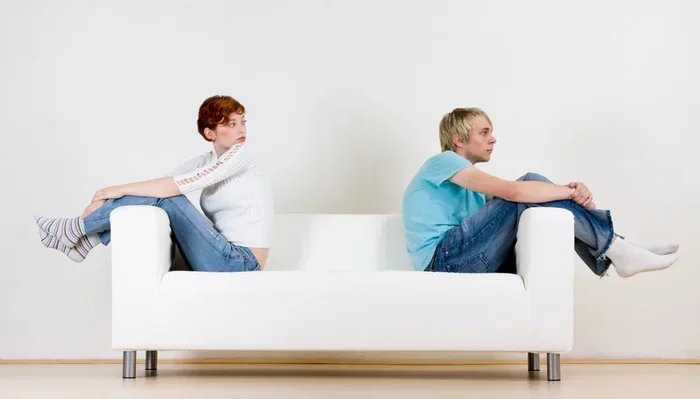
Giving someone space without losing them is about finding the right balance between togetherness and independence in your relationship. It means respecting personal boundaries while staying emotionally connected. This guide will show you how to create healthy distance that actually strengthens your bond rather than weakening it.
Every healthy relationship needs a balance of closeness and breathing room. Think about running on a treadmill without shoes — you can still move forward, but the lack of proper support eventually causes pain. Similarly, a relationship without personal space can lead to emotional exhaustion and resentment. Giving someone space without losing them is one of the most important skills you can learn in love.
Many people confuse space with distance. They worry that if they step back even slightly, the other person will drift away forever. But here is the truth — healthy space actually deepens connection. It gives both people room to grow individually, which makes the relationship stronger as a whole. In this article, you will learn exactly how to give space the right way, avoid common mistakes, and keep your bond alive even when you are apart.
Whether you are dealing with a partner who needs alone time, a friend who seems to be pulling away, or simply wanting to be a better partner yourself, this guide has you covered. The principles below apply to all types of close relationships. Let us dive in.
Key Takeaways
- Space is not distance: Giving space means allowing room to breathe, not pulling away emotionally.
- Healthy relationships need balance: A mix of togetherness and independence keeps love strong and fresh.
- Fear of abandonment drives clinginess: Understanding your attachment style helps you give space more freely.
- Communication is key: Talk about boundaries openly so both partners feel safe and respected.
- Focus on self-growth: Use alone time to become a better partner and a stronger individual.
- Reconnection matters: Coming back together after space should feel natural, not forced or awkward.
📑 Table of Contents
What Does It Mean to Give Someone Space Without Losing Them?
Giving space does not mean giving up. It means choosing to respect someone’s need for personal time while staying emotionally available. There is a big difference between healthy distance and emotional withdrawal, and understanding that difference is the first step toward relationship independence.
The Difference Between Space and Distance
Space is a conscious choice. You decide to give someone room because you care about their well-being. Distance happens when you shut down emotionally and stop investing in the relationship. One builds trust. The other builds walls.
Think of it like doing kettlebell swings without hurting your back. The movement is the same, but the form makes all the difference. When you give space with the right intention and approach, it strengthens the relationship. When you give space out of anger or frustration, it can cause real damage to your emotional space and mutual respect.
Why Space Is Not the Same as Giving Up
Many people avoid giving space because they fear it signals the end of the relationship. But in reality, couples who maintain healthy boundaries often report higher satisfaction. Space allows both partners to miss each other, pursue personal interests, and return with fresh energy and appreciation. This is the essence of a healthy give and take dynamic.
Just as training for rowing without a rowing machine builds individual strength that makes you a better partner on the water, giving someone space builds individual emotional strength that makes you a better partner in the relationship. Personal growth during solo time benefits everyone involved.
Why Giving Space Is Essential for Healthy Relationships
Every person needs time alone to recharge, reflect, and pursue personal goals. When you honor that need, you send a powerful message: I trust you. I respect you. I believe our relationship health is strong enough to handle some time apart.
The Fear of Losing Someone
The fear of losing someone is one of the most common reasons people avoid giving space. This fear often comes from attachment styles formed in childhood. People with anxious attachment styles may feel that any distance means danger. But clinging too tightly can actually push people away — the exact outcome you fear most.
Understanding your own patterns is a crucial step. Ask yourself: Do I need constant reassurance? Do I feel anxious when my partner spends time alone? Recognizing these patterns helps you give space more comfortably and with greater self-care in relationships.
How Space Builds Trust and Respect
When you give someone space willingly, you demonstrate maturity and emotional intelligence. You show that you value the relationship enough to protect it from suffocation. This builds deep trust in love over time.
Trust is the foundation of every lasting connection. Without trust, even the most passionate bond will eventually crumble under pressure. Giving space is one of the simplest yet most powerful ways to nurture trust and keep respect alive between partners. It also ensures that both people feel their emotional needs are being honored.
Common Mistakes When Giving Space
Even with good intentions, people often make mistakes when trying to give space. Being aware of these pitfalls helps you avoid them and keep your relationship balance on track.
The Silent Treatment Trap
One of the biggest mistakes is confusing space with the silent treatment. Giving space means communicating openly about your need for time apart. The silent treatment means shutting down, withholding communication, and punishing the other person emotionally.
These are completely different things. If you need alone time, say so clearly. Use healthy communication in relationships to explain that you are not pulling away — you are simply recharging. This prevents misunderstandings and hurt feelings while maintaining respect boundaries.
Confusing Space With Giving Up
Another common mistake is treating space as a sign that the relationship is failing. Some people give space and then immediately assume the worst. They start pulling away further, which creates a self-fulfilling prophecy of disconnection.
Remember that space is a tool for strengthening relationships, not ending them. Approach it with confidence and trust. The goal is to create room for both people to thrive individually so the relationship can thrive together. Avoid the trap of avoid clinginess by trusting the process.
Over-Communicating During Space Periods
It is also possible to give space and then undermine it by texting constantly, checking in every hour, or showing up unannounced. True space means respecting boundaries without hovering. If you have agreed that you both need time apart, honor that agreement fully. This is where maintain connection becomes an art — staying present without being intrusive.
Practical Steps to Give Space Without Losing Connection
Now that you understand the importance of space and the common mistakes to avoid, let us look at practical steps you can take today to improve your relationship independence and overall relationship balance.
Set Clear Boundaries Together
The best way to give space is to set boundaries as a team. Sit down together and talk about each person’s needs for alone time. Discuss how often you both need space and what it looks like for each of you.
Some people need an evening alone every week. Others need a weekend to themselves once a month. There is no one-size-fits-all answer. The key is to agree on personal boundaries that work for both partners and respect them fully. This open conversation itself strengthens the bond.
Keep the Lines of Communication Open
Giving space does not mean going silent. Check in with each other regularly, even if it is just a quick text or a short phone call. Let the other person know you are thinking about them without being overbearing.
A simple message like “I hope you are having a great day. I will see you this weekend” shows care without pressure. It maintains connection while respecting the agreed-upon space. This balance of quality time and alone time is what keeps relationships vibrant.
Focus on Your Own Growth
Use the time apart to invest in yourself. Pursue hobbies, spend time with friends, work on personal goals, or simply rest. When you return to the relationship, you will bring more energy, new experiences, and a stronger sense of self.
This is similar to how doing rowing exercise at home without a machine might seem counterintuitive, but it actually builds the foundation of strength and discipline that makes you better when you do get access to equipment. Personal growth during space periods makes you a more fulfilled and present partner. It also reduces the fear of abandonment because you become more self-sufficient.
Plan Quality Time Together
When you do spend time together after a space period, make it count. Put away distractions, be fully present, and enjoy each other’s company. Quality time after space often feels more meaningful and intentional.
Plan dates or activities that you both enjoy. Reconnect through shared experiences that remind you why you came together in the first place. This intentional reconnection reinforces the bond and makes both partners feel valued. It also creates a positive feedback loop where both people look forward to spending time together.
How to Reconnect After Giving Space
Reconnection after a space period should feel natural and warm. Avoid diving into heavy conversations or bringing up old conflicts right away. Ease back into the relationship with light, positive interactions.
Start with something simple — a shared meal, a walk together, or a fun activity you both enjoy. Let the reconnection happen organically. The space you gave should make these moments feel more special and appreciated. Remember that space and trust go hand in hand — the trust you built during the space period makes reconnection smoother.
Remember that giving space is not a one-time event. It is an ongoing practice that evolves as your relationship grows. Check in regularly about each other’s needs and adjust your approach as life changes. The best relationships are built on a foundation of mutual respect, open communication, and the freedom to be individual selves within a shared journey.
Final Thoughts
Giving someone space without losing them is an art that requires trust, communication, and self-awareness. It is not about pulling away or giving up — it is about nurturing a relationship in a way that allows both people to thrive. When you respect each other’s need for personal time, you build a stronger, more resilient bond that can withstand any challenge life throws your way.
Start small if you need to. Give a little space today and notice how it affects your connection. Over time, you will find the perfect balance that keeps your relationship healthy, vibrant, and deeply fulfilling. The best relationships are not the ones where two people are never apart — they are the ones where both people choose to come back, again and again, because the space made them appreciate each other even more.
Frequently Asked Questions
Is giving someone space a sign of a weak relationship?
Not at all. Giving space is a sign of a strong and confident relationship. It shows that both partners trust each other and value each other’s individuality. Weak relationships often suffer from a lack of boundaries, not the presence of them.
How long should you give someone space?
There is no fixed timeline. It depends on the situation and what both partners agree on. Some people need a few hours alone, while others need a weekend. The key is to communicate openly about your needs and check in with each other regularly.
What if the person never comes back after you give them space?
If someone consistently disappears whenever you give them space, that may be a sign of deeper issues in the relationship. Healthy people use space to recharge and then return with more energy. If your partner uses space as a way to avoid the relationship entirely, it may be worth having an honest conversation about what they truly want.
Can giving too much space hurt a relationship?
Yes, balance matters. While space is healthy, too much of it can create emotional distance. The goal is to find a middle ground where both partners feel connected and independent. Communication helps you find that balance and maintain relationship health over time.
How do I tell my partner I need space without hurting their feelings?
Be honest and kind. Use “I” statements like “I need some time alone to recharge” rather than “You are smothering me.” Frame it as something that will make you a better partner, not as a rejection. Most people respond positively when they feel respected and their emotional needs are acknowledged.
Does giving space work for friendships too?
Absolutely. The principles of giving space apply to all close relationships — romantic partners, close friends, and even family members. Everyone needs personal time, and honoring that need strengthens bonds across all types of relationships and builds lasting trust in love.