What Is an Allocated Waiver
An allocated waiver is a pre-approved or designated exemption that allows individuals or organizations to bypass specific requirements under defined conditions. Understanding how waiver allocation works can save time, reduce paperwork, and help you access benefits you may not know you qualify for.
Have you ever heard the term allocated waiver and wondered what it actually means? You are not alone. The world of waivers can feel confusing, especially when terms like “allocated,” “pre-allocated,” and “conditional” get thrown around.
Simply put, an allocated waiver is a pre-designated exemption that allows someone to skip a specific requirement. Think of it like a reserved seat at a concert. The seat is already held for you, but you still need to show up and claim it. In the same way, an allocated waiver gives you permission to bypass certain rules, but only if you meet the conditions attached to it.
In this guide, we will break down everything you need to know about waiver allocation. We will cover the different types, how the process works, and what you can do to improve your chances of getting approved. Whether you are dealing with immigration, the military, or financial programs, this article has you covered.
Key Takeaways
- Definition: An allocated waiver is a pre-set exemption granted within a specific category or quota system.
- Types: There are several kinds, including immigration waivers, military waivers, and financial fee waivers.
- Process: Allocation typically involves meeting eligibility criteria, submitting documentation, and receiving formal approval.
- Benefits: Waivers can open doors to opportunities that would otherwise be unavailable due to technical disqualifications.
- Common Mistakes: Missing deadlines, incomplete applications, and misunderstanding eligibility are frequent pitfalls.
- Key Takeaway: Knowing your rights and the process can make a significant difference in securing a waiver.
📑 Table of Contents
What Exactly Is an Allocated Waiver?
A waiver is a formal permission to ignore a rule or requirement that would normally apply. An allocated waiver takes this a step further. It means the waiver has been set aside or reserved in advance, usually within a specific quota or category. This is different from a general waiver, which is reviewed on a case-by-case basis without a pre-set limit.
For example, imagine a program that allows 500 people to skip a testing requirement each year. Those 500 spots are the allocated waivers. Once the 500 are used up, no more are available unless the program expands. This allocation system helps organizations manage demand while still offering flexibility to those who need it.
The concept of waiver allocation appears in many fields. Government agencies use it for immigration and military purposes. Financial institutions use it for fee reductions. Healthcare programs use it for coverage exceptions. No matter the context, the core idea stays the same: a fixed number or category of exemptions is set aside in advance.
Why Does Allocation Matter?
Allocation matters because it creates structure. Without it, everyone would apply for a waiver at the same time, and the process would be chaotic. With a clear allocated waiver system, applicants know what to expect. They understand the timeline, the requirements, and the chances of approval.
Allocation also ensures fairness. By setting aside specific spots, organizations can make sure that different groups get a fair share of the exemptions. This prevents one group from dominating the process and helps maintain balance.
Types of Allocated Waivers
Not all waivers are created equal. Different fields use different kinds of allocated waivers, and each has its own rules. Let us explore the most common types.
Immigration Waivers
In immigration law, an allocated waiver allows someone to overcome certain grounds of inadmissibility. For example, someone who entered the country without inspection might apply for a waiver to stay legally. The waiver is allocated based on factors like family hardship, length of residence, and whether removal would cause extreme difficulty.
One of the most well-known examples is the I-601 waiver in the United States. This waiver is allocated to applicants who can prove that their qualifying relative would suffer extreme hardship if the waiver were denied. The allocation is not first-come, first-served. Instead, it is reviewed based on the strength of the case.
Military Waivers
The military often uses allocated waivers to allow people with certain disqualifications to serve. These might include medical conditions, past criminal records, or age issues. Each branch of the military has a set number of waivers it can grant each year. Those waivers are allocated based on the needs of the service and the severity of the disqualification.
For instance, a recruit with a minor offense on their record might be eligible for a military waiver. But if the waiver quota for that category is already filled, the recruit has to wait or find another path. This is why timing matters so much in the military waiver process.
Financial and Fee Waivers
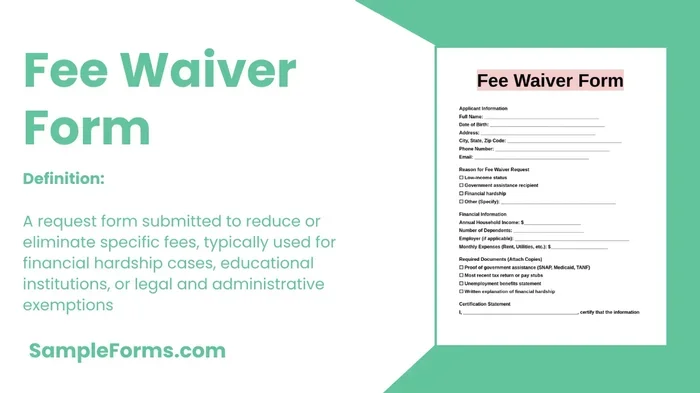
Many universities, government programs, and financial institutions offer allocated waivers for application fees, tuition, or service charges. These waivers are typically based on income level, household size, or specific circumstances like unemployment or disability.
For example, a college might allocate a set number of fee waivers for low-income applicants each admissions cycle. Once those waivers are used, no more are available for that cycle. This is a common form of waiver allocation that directly impacts access to education.
How the Allocated Waiver Process Works
While every program is different, the general process for obtaining an allocated waiver follows a similar pattern. Understanding this process can help you prepare and avoid common mistakes.
Step 1: Determine Your Eligibility
The first step is figuring out whether you qualify. Each allocated waiver program has specific criteria. These might include income thresholds, residency requirements, or the nature of the disqualification you are trying to overcome. Read the guidelines carefully and gather all relevant documents before you start.
Step 2: Submit Your Application
Once you know you are eligible, you need to submit a formal application. This usually includes forms, supporting documents, and sometimes a personal statement or letter of explanation. Make sure everything is complete and accurate. Missing information is one of the top reasons waiver applications get denied.
Step 3: Wait for Allocation
After submission, your application enters the allocation queue. If the program has a limited number of waivers, your application will be reviewed in order or based on priority. Some programs use a rolling review, while others wait until a specific date to process all applications at once.
Step 4: Receive a Decision
Once the allocation is complete, you will receive a decision. If approved, you will get instructions on what to do next. If denied, you may have the option to appeal or reapply in a future cycle. Understanding the timeline and following up can make a big difference.
Quick Tips for a Smooth Process
- Start early. Do not wait until the last minute to gather documents.
- Double-check all forms before submitting.
- Keep copies of everything you send.
- Follow up if you do not hear back within the expected timeframe.
- Ask for help from a professional if your case is complex.
Benefits of an Allocated Waiver
Securing an allocated waiver can open doors that would otherwise remain closed. Here are some of the key benefits.
Access to Opportunities
An allocated waiver can give you access to programs, services, or statuses that you would not otherwise qualify for. Whether it is staying in a country, serving in the military, or getting into college, a waiver can change your trajectory.
Reduced Financial Burden
Fee waivers in particular can save you significant money. Application fees, tuition costs, and service charges add up quickly. An allocated waiver can remove these costs and make opportunities more accessible to people with limited financial resources.
Structured and Fair Process
Because waiver allocation follows clear rules and limits, the process tends to be more transparent and fair. You know the criteria, you know the timeline, and you know what to expect. This predictability reduces stress and helps you plan accordingly.
Second Chances
Perhaps the most powerful benefit of an allocated waiver is the second chance it provides. Many people who receive waivers have past mistakes or circumstances that disqualified them initially. A waiver acknowledges that people can grow and change, and it gives them a path forward.
Common Mistakes to Avoid
Even with a strong case, mistakes can derail your waiver application. Here are the most common pitfalls and how to avoid them.
Missing Deadlines
Every allocated waiver program has deadlines. Missing them can mean waiting an entire cycle or losing your spot. Mark the deadlines on your calendar and set reminders well in advance.
Incomplete Applications
Incomplete applications are the fastest way to get a denial. Make sure every required field is filled out and every document is attached. If something is unclear, contact the program administrator before submitting.
Not Understanding Eligibility
Some applicants apply for waivers they are not eligible for, wasting time and effort. Read the eligibility criteria carefully before you start. If you are unsure, reach out for guidance before submitting your application.
Ignoring Follow-Up Requirements
Some programs require follow-up documents or interviews after the initial application. Failing to respond to these requests can result in automatic denial. Stay attentive and respond promptly to any communication from the waiver office.
Expert Insights on Allocated Waivers
We spoke with professionals who work regularly with waiver allocation processes. Here is what they had to say.
Be proactive, not reactive. Many people wait until they are in a crisis to apply for a waiver. By then, the allocation may already be full. Start the process as early as possible, even if you are not sure you will need it.
Documentation is everything. The strongest applications are backed by thorough documentation. Gather proof of hardship, income, residency, or any other relevant factor before you apply. The more evidence you provide, the stronger your case will be.
Do not be afraid to ask for help. Whether it is a lawyer, a counselor, or a community organization, getting professional guidance can significantly improve your chances. These experts know the process inside and out and can help you avoid costly mistakes.
Key Takeaways
- An allocated waiver is a pre-set exemption that allows you to bypass a specific requirement within a defined category or quota.
- Types of allocated waivers include immigration waivers, military waivers, and financial fee waivers, each with its own rules and criteria.
- The process typically involves determining eligibility, submitting an application, waiting for allocation, and receiving a decision.
- Benefits include access to opportunities, reduced financial burden, a fair and structured process, and second chances.
- Common mistakes like missing deadlines, incomplete applications, and ignoring follow-ups can lead to denial.
- Expert advice emphasizes starting early, providing strong documentation, and seeking professional help when needed.
Conclusion
An allocated waiver is more than just a piece of paper. It is a gateway to opportunities that might otherwise be out of reach. Whether you are navigating immigration, military service, or financial programs, understanding how waiver allocation works puts you in a much stronger position.
The process can feel overwhelming at first, but with the right knowledge and preparation, it becomes manageable. Take the time to understand the eligibility requirements, gather your documents, and submit a complete and accurate application. And if you hit a roadblock, do not hesitate to seek help from a professional.
Remember, an allocated waiver is not guaranteed. But by following the steps outlined in this guide, you give yourself the best possible chance of success. The rules are clear, the process is structured, and the rewards can be life-changing. Take that first step today.
Frequently Asked Questions
What is the difference between an allocated waiver and a regular waiver?
A regular waiver is reviewed on a case-by-case basis without a pre-set limit. An allocated waiver is part of a fixed quota or category, meaning only a certain number are available within a given period. This makes the allocation process more structured and predictable.
How long does it take to get an allocated waiver approved?
The timeline varies depending on the program and the volume of applications. Some waiver allocation processes take a few weeks, while others can take several months. Check the specific program guidelines for expected processing times.
Can I appeal a denied allocated waiver?
Yes, many programs allow you to appeal a denial. The appeal process typically involves submitting additional documentation or providing a stronger case. However, not all denials are eligible for appeal, so check the program rules carefully.
Are allocated waivers only available for certain people?
Yes, allocated waivers are usually reserved for people who meet specific eligibility criteria. These criteria might include income level, immigration status, military service history, or the nature of the disqualification you are trying to overcome.
Do I need a lawyer to apply for an allocated waiver?
You do not legally need a lawyer, but having professional guidance can be very helpful. A lawyer or immigration consultant who understands waiver allocation can help you avoid mistakes and strengthen your application significantly.
What happens if the allocated waivers are all used up?
If the allocated waivers for a cycle are exhausted, you will typically need to wait for the next cycle or for additional allocations to be made. Some programs allow you to reapply, while others have waiting lists. Planning ahead can help you avoid this situation.