How Heavy Are the Dumbbells You Lift Workouts
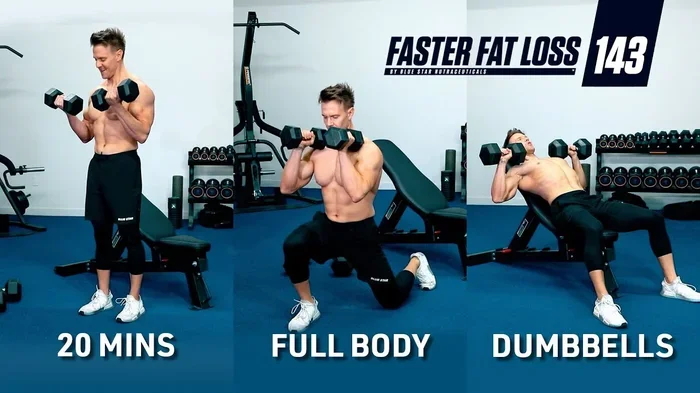
Choosing the right dumbbell weight is the key to unlocking real results in your workouts. Whether you are a beginner or a seasoned lifter, understanding how heavy the dumbbells you lift should be depends on your fitness goals, experience level, and the exercises you perform. This guide breaks down everything you need to know about dumbbell weight selection, from building muscle to boosting endurance.
Let us be honest. Walking into a gym and staring at the dumbbell rack can feel overwhelming. You see people curling weights that look impossibly heavy, and suddenly you wonder if you are doing it all wrong. The truth is, how heavy the dumbbells you lift should be depends entirely on you, your body, and what you are trying to achieve.
There is no one-size-fits-all answer. A 20-year-old beginner and a 40-year-old experienced lifter will need very different weights. What matters most is choosing a load that challenges you without destroying your form. In this guide, we walk you through everything you need to know about dumbbell weight selection for every fitness level and every goal.
Key Takeaways
- Start Light, Progress Slowly: Beginners should start with lighter weights and gradually increase to avoid injury and build a solid foundation.
- Match Weight to Your Goal: Heavier weights build strength and muscle, while lighter weights improve endurance and tone.
- Form Always Comes First: Using too heavy a weight leads to poor form and higher injury risk.
- Different Exercises Need Different Weights: Compound movements like squats allow heavier loads than isolation exercises like lateral raises.
- Progressive Overload Is Essential: Gradually increasing weight over time drives continuous muscle growth and strength gains.
- Rest and Recovery Matter: Your muscles need time to repair after challenging dumbbell workouts.
📑 Table of Contents
- Why Dumbbell Weight Matters
- How Heavy Should Beginners Start?
- Choosing Weight Based on Your Fitness Goal
- Weight Guidelines by Exercise Type
- Common Mistakes When Choosing Dumbbell Weight
- How to Progress Safely Over Time
- Best Dumbbell Exercises for Every Level
- Final Thoughts on Dumbbell Weight Selection
Why Dumbbell Weight Matters
The weight you choose directly impacts your results. Too light, and your muscles will not be challenged enough to grow. Too heavy, and you risk injury, poor form, and burnout. Finding that sweet spot is the foundation of any effective resistance training program.
When you lift the right weight, your muscles experience microscopic tears. These tiny tears heal stronger than before, which is literally how muscle building works. If the weight is too easy, this process does not happen. If it is too extreme, your body breaks down instead of building up.
The Science Behind Weight Selection
Your muscles respond to tension. The amount of tension depends on the weight and the number of repetitions. This concept is called progressive overload, and it is the backbone of every effective workout plan. You gradually increase the demand on your muscles over time, forcing them to adapt and grow stronger.
Think of it like learning to read. You start with easy books and slowly work your way up to harder ones. Your muscles work the same way. They need a challenge that is just hard enough to push them, but not so hard that you cannot finish the exercise with proper exercise form.
How Heavy Should Beginners Start?
If you are new to strength training, the best advice is to start light. Really light. Many beginners make the mistake of grabbing heavy weights to impress others, and they end up hurting themselves within the first few weeks. Do not be that person.
For most beginner men, starting with 10 to 15 pound dumbbells for upper body exercises is a solid choice. Women often start well with 5 to 10 pound dumbbells. For lower body exercises like squats and lunges, you can go heavier since your legs are larger muscle groups.
Signs You Are Using the Right Weight
- You can complete all your reps with good form
- The last 2 to 3 reps feel challenging but doable
- You do not need to swing or jerk the weights
- Your muscles feel worked but not completely destroyed
- You can maintain a steady breathing pattern
If you cannot hit these marks, the weight is probably too heavy. Drop it down and focus on controlled movements. You will build more muscle by doing the exercise correctly than by lifting something too heavy with sloppy form.
Choosing Weight Based on Your Fitness Goal
Not all workouts have the same purpose. Your fitness goals should dictate how heavy the dumbbells you lift will be. Here is a simple breakdown of what works for different objectives.
For Muscle Building (Hypertrophy)
To build muscle, you want moderate to heavy weights. Aim for a load where you can perform 8 to 12 repetitions before your muscles fail. This rep range hits the sweet spot for hypertrophy training. Rest for 60 to 90 seconds between sets.
Exercises like dumbbell presses, rows, and goblet squats work great in this range. The key is to feel the burn by the last couple of reps. If you can easily do 15 reps, the weight is too light.
For Strength Gains
Want to get genuinely strong? Go heavier. Lift weights that allow you to perform 4 to 6 reps per set. Rest longer between sets, about 2 to 3 minutes. This approach builds raw strength and power.
Heavy compound movements like dumbbell deadlifts and bench presses are perfect here. You will need a spotter for safety, especially when pushing your limits. Progressive overload means adding a small amount of weight each week as your body adapts.
For Endurance and Toning
Not everyone wants to bulk up. Some people want lean, toned muscles and better stamina. For this goal, use lighter weights and perform 15 to 25 reps per set. Rest periods should be shorter, around 30 to 45 seconds.
Lighter dumbbell exercises also improve your muscular endurance, which helps in everyday activities. Carrying groceries, climbing stairs, and playing with kids all get easier when your muscles can sustain effort for longer periods.
Weight Guidelines by Exercise Type
Not all exercises are created equal. Some movements naturally require heavier weights, while others demand lighter loads. Understanding this difference is crucial for designing an effective dumbbell workout plan.
Compound Movements (Heavier Weights)
Compound exercises work multiple muscle groups at once. Because more muscles are involved, you can handle heavier loads. Examples include:
- Dumbbell Squats — These are one of the best full body workouts you can do with dumbbells. Most intermediate lifters can squat with 30 to 50 pound dumbbells.
- Dumbbell Bench Press — A great chest and tricep builder. Men often start around 20 to 35 pounds per hand.
- Dumbbell Rows — Excellent for your back. Weight ranges vary widely based on experience.
If you want to learn more about getting heavy dumbbells up for pressing movements, check out our guide on how to get heavy dumbbells up for bench press for practical technique tips.
Isolation Movements (Lighter Weights)
Isolation exercises target a single muscle group. Because fewer muscles are involved, you need lighter weights to maintain control. Examples include:
- Dumbbell Lateral Raises — Most people use 5 to 15 pounds per hand for this shoulder exercise.
- Bicep Curls — Even experienced lifters often keep these in the 10 to 25 pound range.
- Tricep Kickbacks — Light weights with high reps work best here.
The beauty of dumbbell workouts is their versatility. You can adjust the weight for each exercise independently, which means you can tailor every movement to your current strength level.
Common Mistakes When Choosing Dumbbell Weight
Even experienced lifters make mistakes with weight selection. Knowing what to avoid saves you time, frustration, and injury.
Ego Lifting
This is the biggest trap in any gym. You see someone next to you lifting heavy, and suddenly you want to match them. Here is the truth: nobody cares what weight you lift. What matters is what weight you lift with proper form and controlled reps.
Ego lifting leads to rounded shoulders, swinging motions, and compromised range of motion. Over time, this builds imbalances and sets you up for serious injury. Leave your ego at the door.
Sticking With the Same Weight Forever
Your body adapts incredibly fast. If you have been curling the same 15-pound dumbbells for six months, you have probably plateaued. Progressive overload means gradually increasing the challenge. Add a pound or two each week, or add an extra rep or set.
Keep a workout log. Write down the weights, reps, and sets for every exercise. Review it weekly and look for opportunities to push yourself slightly harder. This simple habit accelerates muscle building and strength gains dramatically.
Neglecting the Negative Phase
How heavy the dumbbells you lift also affects your control during the lowering phase of each rep. If the weight is too heavy, you drop it down quickly, losing control. This reduces muscle activation and increases injury risk.
A good rule of thumb is to lower the weight slowly, taking about 3 seconds on the eccentric (lowering) portion of each rep. This technique, called time under tension, dramatically improves your workout quality regardless of the weight you use.
How to Progress Safely Over Time
Once you find your starting weight, the real work begins: progressing safely. You do not want to jump up too fast and burn out or get hurt.
Follow the 2-for-2 rule for progressive overload. If you can perform 2 extra reps beyond your target on your last 2 sets for 2 consecutive workouts, it is time to increase the weight. Add the smallest increment available, usually 2.5 to 5 pounds.
Also, listen to your body. Soreness is normal after a good workout. Sharp pain is not. If something feels wrong, drop the weight or stop the exercise. Recovery between workouts is just as important as the lifting itself. Your muscles grow when you rest, not when you train.
For a deeper look at building bigger shoulders with dumbbells, our guide on how to get big shoulders with dumbbells tips workouts covers targeted exercises and weight progression strategies.
Remember, how heavy the dumbbells you lift is a personal decision that changes as you grow stronger. What was challenging last month should feel comfortable this month. That is the whole point of training.
Best Dumbbell Exercises for Every Level
Not sure which exercises to include in your routine? Here is a quick reference for the most effective dumbbell exercises at every level.
Beginner Exercises
- Goblet Squats — 10 to 15 lbs
- Dumbbell Shoulder Press — 10 to 15 lbs
- Dumbbell Rows — 10 to 20 lbs
- Dumbbell Lunges — 10 to 15 lbs per hand
- Dumbbell Bicep Curls — 5 to 10 lbs
Intermediate Exercises
- Dumbbell Bench Press — 20 to 35 lbs
- Dumbbell Deadlifts — 30 to 50 lbs
- Dumbbell Flyes — 10 to 20 lbs
- Dumbbell Step-Ups — 15 to 25 lbs
- Dumbbell Hammer Curls — 15 to 25 lbs
Advanced Exercises
- Single-Arm Dumbbell Snatch — 25 to 45 lbs
- Dumbbell Thrusters — 20 to 40 lbs
- Bulgarian Split Squats — 25 to 50 lbs per leg
- Dumbbell Renegade Rows — 15 to 30 lbs
- Overhead Dumbbell Lunges — 20 to 35 lbs
These ranges are starting points, not rules. Adjust based on your personal strength and experience. The goal is always to challenge yourself within the recommended rep ranges while maintaining perfect exercise form.
Looking for a complete full-body approach using only dumbbells? Our article on can you do full body workouts with just dumbbells explores how to build a complete routine with minimal equipment.
Final Thoughts on Dumbbell Weight Selection
Choosing how heavy the dumbbells you lift should be is both an art and a science. It requires self-awareness, patience, and a willingness to start where you are, not where you think you should be. The right weight challenges you, respects your body, and drives you toward your goals.
Start with a weight you can control. Focus on perfect form. Track your progress. Increase the load gradually. And most importantly, enjoy the process. Every rep counts, every session adds up, and every pound lifted brings you closer to the strongest version of yourself.
Your dumbbell workouts do not need to be complicated. They just need to be consistent. Pick the right weight, show up regularly, and trust the process. Results will come.
Frequently Asked Questions
How do I know if my dumbbell weight is too heavy?
If you cannot complete your target reps with good form, the weight is too heavy. Other signs include swinging the weights, arching your back excessively, or holding your breath during reps. Drop the weight and focus on controlled movements instead.
Can I build muscle with light dumbbells?
Yes, you can build muscle with lighter weights if you perform enough reps and sets. The key is to reach muscle fatigue within your target rep range. Lighter weights with higher reps can be just as effective for hypertrophy as heavier weights with fewer reps.
How often should I increase my dumbbell weight?
Most lifters increase weight every 1 to 2 weeks, depending on their experience level. Use the 2-for-2 rule: if you can do 2 extra reps on your last 2 sets for 2 consecutive workouts, it is time to add weight. Small increments of 2.5 to 5 pounds work best.
Is it better to lift heavy or light dumbbells for fat loss?
Both approaches work for fat loss when combined with a proper diet. Heavy weights build muscle, which boosts your metabolism. Light weights with higher reps burn more calories during the workout. The best approach is the one you can sustain consistently over time.
How many times a week should I do dumbbell workouts?
For most people, 3 to 4 dumbbell sessions per week is ideal. This gives your muscles enough stimulus to grow while allowing adequate recovery time between workouts. Beginners should start with 2 to 3 sessions per week and gradually increase frequency.
What weight dumbbells should I buy for home workouts?
A good home setup includes a pair of adjustable dumbbells or a set ranging from 5 to 50 pounds. This covers most exercises for all fitness levels. Adjustable dumbbells save space and money compared to buying multiple fixed-weight sets.