
How to Do a Reverse Fly with Dumbbells
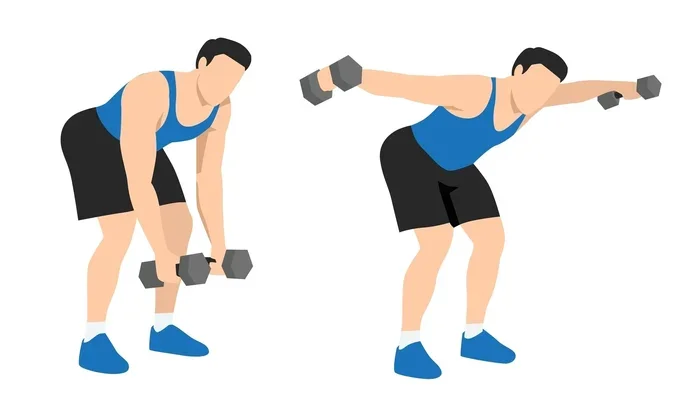
The dumbbell reverse fly is a powerful rear delt exercise that strengthens your upper back and shoulders. This guide covers proper form, common mistakes, and variations to help you get the most out of every rep. You will learn step-by-step instructions, expert tips, and practical advice to build bigger, stronger rear delts at home or in the gym.
The dumbbell reverse fly is one of the best exercises you can do for your rear delts and upper back. If you want broader shoulders, better posture, and a stronger back, this move should be in your routine. Many lifters skip rear delt work, but that is a big mistake. Your rear delts play a key role in shoulder health and overall upper body balance.
In this guide, you will learn exactly how to do a reverse fly with dumbbells. We will cover proper form, common mistakes, and the best variations. You will also find tips to build bigger rear delts over time. Whether you are a beginner or an experienced lifter, this article has something for you.
Key Takeaways
- Proper form is key: A controlled reverse fly targets the rear delts and upper back effectively.
- Start light: Use lighter dumbbells to master the movement before adding weight.
- Avoid common mistakes: Swinging, rounding the back, and using too much weight reduce results and increase injury risk.
- Multiple variations exist: Bent-over, seated, and incline bench versions keep your workouts fresh.
- Complement with other exercises: Pair reverse flies with rear delt and shoulder workouts for balanced development.
- Frequency matters: Train rear delts 2-3 times per week with adequate rest between sessions.
- Mind-muscle connection: Squeezing the shoulder blades at the top of each rep boosts muscle activation.
📑 Table of Contents
- What Is a Reverse Fly with Dumbbells?
- Why Reverse Flies Matter for Your Shoulders
- How to Do a Reverse Fly with Dumbbells: Step-by-Step
- Common Mistakes to Avoid
- Reverse Fly Variations and Alternatives
- How to Program Reverse Flies Into Your Workout
- Expert Tips for Better Rear Delts
- Reverse Fly vs. Other Rear Delt Exercises
- Final Thoughts on the Reverse Fly with Dumbbells
What Is a Reverse Fly with Dumbbells?
The dumbbell reverse fly is a isolation exercise that targets the rear deltoid muscles. It also works the traps and rhomboids in your upper back. The movement involves lifting dumbbells out to your sides while bent over or in a seated position. The key is to use controlled motion and focus on the rear delts doing the work.
This exercise goes by many names. Some call it a reverse dumbbell fly, a rear delt fly, or a dumbbell rear delt fly. They all refer to the same basic movement pattern. The beauty of this exercise is its simplicity. You only need a pair of dumbbells and a flat bench or a sturdy surface to lean on.
The posterior deltoid is the primary muscle worked. This is the back part of your shoulder. Strong rear delts help balance out your front delts and chest muscles. They also improve your posture and protect your shoulders from injury. If you sit at a desk all day, reverse flies can help counteract the forward shoulder slump.
Why Reverse Flies Matter for Your Shoulders
Most people focus on front-facing exercises. Bench press, shoulder press, and curls all hit the front of your body. But your rear delts often get ignored. This creates an imbalance that can lead to poor posture and shoulder pain over time.
Benefits of Adding Reverse Flies to Your Routine
- Better posture: Reverse flies strengthen the muscles that pull your shoulders back. This counters the effects of sitting and hunching forward.
- Balanced shoulder development: Working all three deltoid heads creates a full, round shoulder look.
- Injury prevention: Strong rear delts stabilize the shoulder joint and reduce the risk of rotator cuff injuries.
- Improved pulling strength: Your rear delts assist in all pulling movements. Stronger rear delts mean better performance in rows and pull-ups.
- Upper back thickness: Reverse flies build the muscles between your shoulder blades. This gives your upper back a thicker, more defined look.
If you want to build big shoulders with dumbbells, you cannot skip rear delt work. The reverse fly is one of the most effective dumbbell rear delt exercises you can do. It isolates the rear delts better than most compound movements.
How to Do a Reverse Fly with Dumbbells: Step-by-Step
Proper form is everything with this exercise. A sloppy reverse fly wastes time and risks injury. Follow these steps carefully to get the most out of every set.
Bent-Over Reverse Fly (The Classic Version)
- Grab two light dumbbells. Start with a weight you can control for 12-15 reps. You can always increase later.
- Stand with your feet shoulder-width apart. Hold a dumbbell in each hand with your palms facing each other.
- Hinge at your hips. Bend forward at the waist until your torso is nearly parallel to the floor. Keep your back straight and your core tight.
- Let your arms hang straight down. Your wrists should be directly under your shoulders. This is your starting position.
- Raise both arms out to the sides. Keep a slight bend in your elbows. Lift the dumbbells until your arms are parallel to the floor.
- Squeeze your shoulder blades together. Pause for one second at the top. Feel the rear delts doing the work.
- Lower the dumbbells slowly. Control the weight as you return to the starting position. Do not let gravity pull the dumbbells down fast.
That is one full rep. Aim for 3-4 sets of 12-15 reps. Rest 60-90 seconds between sets. Focus on the mind-muscle connection. Think about your rear delts contracting with every lift.
Seated Reverse Fly
The seated version removes your legs from the equation. This makes it easier to keep your back straight. Sit on a flat bench with your feet flat on the floor. Lean forward slightly and perform the same arm movement. This variation is great if you have lower back issues or want to isolate the rear delts even more.
Incline Bench Reverse Fly
Set an incline bench to about 45 degrees. Lie face down on the bench and let your arms hang straight down. Perform the reverse fly from this position. The incline bench provides extra support for your chest and stomach. This version is excellent for isolating the rear delts without any lower back strain.
Common Mistakes to Avoid
Even a simple exercise like the reverse fly can go wrong. Here are the most common mistakes lifters make. Avoid these and you will see much better results.
Using Too Much Weight
This is the number one mistake. Heavy weight leads to swinging and cheating. Your rear delts are a small muscle group. They do not need a lot of weight to grow. Choose a dumbbell weight that allows you to complete each rep with full control. If you find yourself swinging the weights, go lighter.
Rounding Your Back
A rounded back puts dangerous pressure on your spine. Keep your back flat and your core engaged throughout the entire movement. If you cannot maintain a flat back, reduce the weight or try the seated or incline bench version instead.
Using Momentum
Swinging the dumbbells up with momentum takes the work away from your rear delts. Each rep should be slow and deliberate. A good tempo is 2 seconds up, 1-second pause, and 3 seconds down. This keeps constant tension on the target muscles.
Lifting Your Arms Too High
Some people lift the dumbbells way above parallel. This shifts the work away from the rear delts and onto the traps. Stop when your arms are roughly parallel to the floor. Going higher does not help and can strain your shoulders.
Neglecting the Negative Phase
The lowering portion of the rep is just as important as the lifting portion. Control the dumbbells as you lower them. This eccentric phase causes more muscle damage, which leads to greater growth over time.
Reverse Fly Variations and Alternatives
Variety keeps your muscles guessing and prevents plateaus. Here are some great variations you can try.
Cable Reverse Fly
Set a cable machine to chest height. Stand in the center and grab both handles. Perform the same rear delt fly motion. Cables provide constant tension throughout the entire range of motion. Many lifters feel this creates a better pump than dumbbells.
Resistance Band Reverse Fly
Stand on a resistance band and hold the ends in each hand. Perform the reverse fly motion. This is a great option for home workouts or when you do not have access to dumbbells. Bands also challenge your muscles differently because the resistance increases as you stretch them.
Reverse Fly with a Barbell
If you prefer barbells, you can perform a reverse fly using a barbell. This is less common but still effective. However, dumbbells allow for a greater range of motion and a more natural movement pattern. For most people, dumbbells are the better choice.
If you want to explore more dumbbell shoulder exercises, check out our guide on how to get big shoulders at home with dumbbells. It covers a wide range of movements that complement the reverse fly perfectly.
How to Program Reverse Flies Into Your Workout
Knowing how to do the exercise is only half the battle. You also need to train it smart. Here is how to fit reverse flies into your routine for the best results.
Best Workouts to Pair With Reverse Flies
The reverse fly fits well into rear delt workouts, shoulder routines, and upper body push-pull splits. Here are some ideas:
- Push-Pull Routine: Add reverse flies to your pull day. Pair them with rows and pull-downs for a complete back and rear delt session.
- Shoulder Focus Day: Include reverse flies after shoulder presses and lateral raises. This ensures your rear delts get fresh attention.
- Upper Body Full Workout: Add 3-4 sets of reverse flies at the end of any upper body session. They work great as a finisher.
Recommended Sets and Reps
- For muscle growth: 3-4 sets of 10-15 reps with moderate weight.
- For endurance and toning: 3 sets of 15-20 reps with lighter weight.
- For strength: 4 sets of 8-10 reps with heavier weight (use caution with heavy loads).
Train your rear delts 2-3 times per week. Allow at least 48 hours of rest between sessions. Your muscles grow during recovery, not during the workout itself. Give them the time they need to repair and strengthen.
Want to build a complete upper body routine with dumbbells? Our article on how to workout with dumbbells at home for beginners has excellent programming tips that apply to all levels.
Expert Tips for Better Rear Delts
Here are some pro tips that will take your reverse fly game to the next level.
- Focus on the squeeze: At the top of each rep, really focus on squeezing your rear delts and shoulder blades together. Hold that squeeze for a full second. This simple cue dramatically increases muscle activation.
- Keep your elbows slightly bent: Straight arms put stress on the elbow joint. A slight bend protects your joints and keeps the tension on the rear delts.
- Use a slow tempo: Slow down each rep. A 2-1-3 tempo (2 seconds up, 1-second hold, 3 seconds down) is ideal for rear delt growth.
- Train to failure occasionally: Going close to failure on your last set can trigger more muscle growth. But do not sacrifice form for extra reps.
- Pair with face pulls: Face pulls are another excellent rear delt exercise. Doing reverse flies and face pulls in the same session gives your rear delts a thorough workout.
For more exercises that target the muscles around your shoulder blades and upper back, check out our guide on how to train teres minor and major with dumbbells. These muscles work closely with your rear delts during reverse fly movements.
Reverse Fly vs. Other Rear Delt Exercises
There are many ways to train your rear delts. How does the reverse fly stack up against other popular options?
| Exercise | Primary Target | Equipment Needed | Difficulty |
|---|---|---|---|
| Dumbbell Reverse Fly | Rear Delts, Upper Back | Dumbbells | Easy to Moderate |
| Cable Reverse Fly | Rear Delts | Cable Machine | Moderate |
| Face Pull | Rear Delts, Traps | Cable Machine + Rope | Moderate |
| Reverse Pec Deck | Rear Delts | Machine | Easy |
| Band Reverse Fly | Rear Delts | Resistance Band | Easy |
The dumbbell reverse fly is one of the most accessible options. You can do it at home with just a pair of dumbbells. It also allows for a natural range of motion. Machines and cables have their place, but the reverse fly offers unmatched versatility and convenience.
Final Thoughts on the Reverse Fly with Dumbbells
The dumbbell reverse fly is a simple but incredibly effective exercise for building stronger rear delts and better posture. It requires minimal equipment and is easy to learn. But do not let the simplicity fool you. When done with proper form and consistent effort, this exercise can transform your upper body.
Start with a light weight and focus on mastering the movement pattern. Gradually increase the weight as your form improves. Always prioritize control over speed. Remember to squeeze your shoulder blades at the top of each rep and lower the weight slowly.
Include reverse flies in your routine 2-3 times per week. Pair them with other shoulder and back exercises for a balanced upper body. Over time, you will notice better posture, stronger shoulders, and more defined rear delts. The reverse fly may seem basic, but it is one of the most valuable exercises you can do for your overall physique and shoulder health.
Now that you know how to do a reverse fly with dumbbells the right way, it is time to put this knowledge into action. Grab a pair of dumbbells, find a bench, and start building those rear delts today. Your shoulders and posture will thank you.
Frequently Asked Questions
What muscles does the reverse fly with dumbbells work?
The primary muscles worked are the rear deltoids. Secondary muscles include the trapezius, rhomboids, and infraspinatus. This makes the reverse fly an excellent exercise for both shoulder and upper back development. It helps create balanced shoulder strength and improves overall posture.
How much weight should I use for dumbbell reverse flies?
Start with a weight you can control for 12-15 reps with perfect form. Most beginners use 5-15 pound dumbbells. As you get stronger, you can gradually increase the weight. Never sacrifice form for heavier weight. The rear delts are a small muscle group and do not need a lot of load to grow.
Can I do reverse flies every day?
No, you should not train the same muscle group every day. Your muscles need rest to recover and grow. Aim for 2-3 sessions per week with at least 48 hours between workouts. Overtraining the rear delts can lead to fatigue and poor form, which increases injury risk.
Is the reverse fly better with dumbbells or cables?
Both have their benefits. Dumbbells allow for a more natural range of motion and are more accessible for home workouts. Cables provide constant tension throughout the movement. For most people, starting with dumbbells is the best choice. You can add cable reverse flies later for variety.
What is the difference between a reverse fly and a lateral raise?
The lateral raise targets the side (medial) delt. The reverse fly targets the rear (posterior) delt. They are different movements that work different parts of the shoulder. Both are important for complete shoulder development. A well-rounded shoulder routine includes both exercises.
Can reverse flies help fix my rounded shoulders?
Yes, reverse flies can help. They strengthen the muscles that pull your shoulders back. When combined with stretching for your chest and front delts, they can improve your posture over time. However, consistency is key. You need to train regularly and be mindful of your posture throughout the day for lasting results.


