How to Do Bench Press with Dumbbells Properly
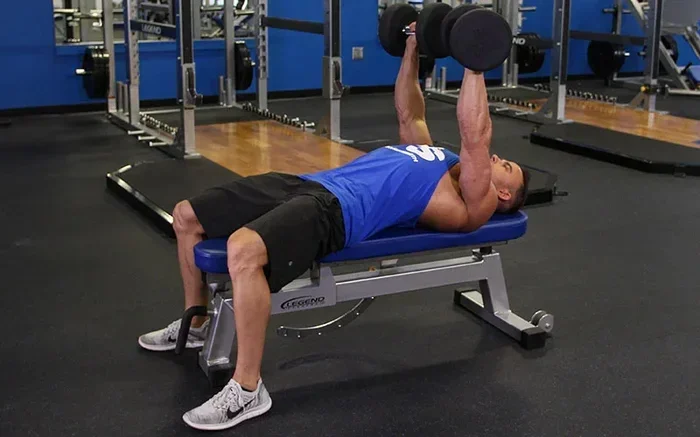
The bench press with dumbbells is one of the most effective upper-body exercises you can do at home or in the gym. Unlike a barbell, dumbbells let each arm move independently, helping you fix strength imbalances and improve shoulder stability. In this guide, you will learn the proper form, common mistakes, and expert tips to perform this exercise safely and get the most out of every rep.
How to Do Bench Press with Dumbbells Properly
The bench press with dumbbells is one of the most effective upper body exercises you can add to your routine. Whether you’re training at home or in a gym, this movement builds serious chest, shoulder, and triceps strength. Unlike the barbell version, dumbbells allow a greater range of motion and help fix muscle imbalances on each side of your body. In this guide, you’ll learn the proper bench press with dumbbells technique, common mistakes to avoid, and how to get the most out of every single rep. Let’s dive in and make your chest workouts more effective.
Many lifters start with a barbell and never explore the benefits of using dumbbells. That’s a missed opportunity. The dumbbell bench press offers unique advantages that a barbell simply can’t match. It challenges your stabilizer muscles, reduces injury risk, and allows for a more natural pressing path. If you want balanced upper body development, mastering this exercise is essential. Below, we’ll walk you through everything you need to know.
Key Takeaways
- Always warm up your shoulders and chest before loading dumbbells to prevent injury and improve performance.
- Keep your feet flat on the floor and maintain a natural arch for maximum stability and power.
- Lower the dumbbells slowly to chest level to fully engage your chest muscles and avoid shoulder strain.
- Press the dumbbells in a slight arc to target the chest and protect your shoulder joints.
- Control the negative phase of each rep to build strength and muscle more effectively over time.
- Choose a weight you can handle for 8 to 12 reps with proper form and full range of motion.
- Breathe out on the press and inhale on the way down to maintain steady energy throughout each set.
📑 Table of Contents
- Why the Dumbbell Bench Press Deserves a Spot in Your Routine
- How to Set Up for the Dumbbell Bench Press
- Step-by-Step Guide to Proper Dumbbell Bench Press Form
- Common Mistakes to Avoid During the Dumbbell Bench Press
- Benefits of the Dumbbell Bench Press Compared to Barbell
- Dumbbell Bench Press Variations to Challenge Your Chest
- Tips to Get the Most Out of Your Dumbbell Bench Press
- How to Progress Safely with the Dumbbell Bench Press
- Putting It All Together: A Simple Dumbbell Bench Press Workout
Why the Dumbbell Bench Press Deserves a Spot in Your Routine
The bench press with dumbbells isn’t just a chest exercise. It works multiple muscle groups at the same time. Your pectorals, front deltoids, and triceps all fire during every rep. But the real magic happens in the stabilizer muscles that keep your joints safe and your form tight.
Here are some key reasons to include the dumbbell bench press in your training:
- Greater range of motion: Dumbbells let you lower the weight further than a barbell, which stretches the chest muscles more effectively.
- Fixes muscle imbalances: Each arm works independently, so one side can’t cheat and take over the movement.
- Reduced shoulder stress: The natural arc of a dumbbell press is gentler on the shoulder joints compared to a straight barbell.
- Better stabilizer engagement: Your rotator cuff and core muscles work harder to control the dumbbells throughout the lift.
- Versatility: You can adjust the angle, grip width, and arm path to target different parts of your chest.
Adding the bench press with dumbbells to your program helps you build a well-rounded upper body. It’s especially valuable for people training at home without access to a full rack. You can find more guidance on how to do bench press with dumbbells at home to adapt this exercise to your setup.
How to Set Up for the Dumbbell Bench Press
Choosing the Right Bench and Dumbbells
Before you start pressing, your setup matters a lot. A flat, stable bench is your best friend here. Make sure the bench doesn’t wobble or slide on the floor. If you’re training at home, placing a yoga mat underneath can help with stability.
When selecting dumbbells, start with a weight you can control for 8 to 12 reps with good form. Don’t chase heavy weight right away. The bench press with dumbbells requires more coordination than a barbell, so lighter weights at first will help you nail the technique.
Proper Body Positioning on the Bench
Your body position sets the foundation for a strong and safe press. Follow these steps every time:
- Sit on the bench and place your feet flat on the floor about shoulder-width apart.
- Lean back and grip the dumbbells, resting them on your thighs.
- Press the dumbbells up to shoulder height, then rotate your wrists so your palms face forward.
- Lower the dumbbells to the sides of your chest with your elbows at about a 45-degree angle to your body.
- Plant your shoulder blades together and down, creating a stable base for the press.
Your lower back should maintain a natural curve. Avoid arching excessively or flattening your spine completely. A neutral spine protects your lower back and allows your chest muscles to do the work.
Step-by-Step Guide to Proper Dumbbell Bench Press Form
Now that you’re set up, let’s walk through the actual movement. Getting the bench press with dumbbells form right makes a huge difference in results and safety.
The Eccentric Phase (Lowering the Weight)
Start by inhaling slowly as you lower the dumbbells. Control the weight on the way down — don’t let gravity pull the dumbbells quickly. Lower them until your upper arms are roughly parallel to the floor. This position gives your chest muscles a full stretch without putting too much strain on your shoulders.
Keep your wrists straight and aligned over your elbows throughout the descent. Flaring your elbows too wide puts unnecessary stress on the shoulder joints. A 45-degree angle between your torso and upper arms is the sweet spot for most people.
The Concentric Phase (Pressing the Weight Up)
Exhale as you press the dumbbells back up. Drive through your chest and keep your feet planted firmly on the ground. Avoid using your legs to push off the floor — the power should come from your upper body.
At the top, don’t lock your elbows completely. Keeping a slight bend protects your joints and keeps tension on your chest muscles. Pause briefly at the top, squeeze your chest, and then start the next rep.
Breathing Pattern for the Bench Press
Breathing might seem like a small detail, but it plays a big role in your performance. Inhale as you lower the dumbbells and exhale as you press them up. This pattern gives you the core stability and oxygen you need to push through each rep with confidence.
Common Mistakes to Avoid During the Dumbbell Bench Press
Even experienced lifters make mistakes with the dumbbell bench press. Being aware of these errors helps you train smarter and avoid injury.
Bouncing the Dumbbells Off Your Chest
Some people bounce the weights off their chest to create momentum. This is dangerous and reduces muscle activation. Lower the dumbbells in a controlled manner and pause briefly at the bottom before pressing back up. Your chest muscles need to do the work, not momentum.
Letting Your Elbows Flare Out Too Much
Wide elbow flare places excessive stress on your shoulder joints. Keep your elbows at roughly a 45-degree angle from your torso. This protects your shoulders while still effectively targeting your chest and triceps.
Using Too Much Weight Too Soon
Jumping to heavy dumbbells before you’ve mastered the form is a recipe for injury. Start light, focus on technique, and gradually increase the weight. The bench press with dumbbells rewards consistency and patience, not ego lifting.
Lifting Your Feet Off the Ground
Your feet need to stay flat on the floor for balance and stability. Lifting them shifts your center of gravity and can cause you to lose control of the dumbbells. Keep your feet planted throughout every set.
Benefits of the Dumbbell Bench Press Compared to Barbell
Understanding the differences between dumbbells and a barbell helps you choose the right tool for your goals. Here’s a quick comparison:
| Feature | Dumbbell Bench Press | Barbell Bench Press |
|---|---|---|
| Range of Motion | Greater — deeper stretch on the chest | Limited by the bar path |
| Muscle Imbalance Fix | Yes — each arm works independently | No — stronger side can dominate |
| Shoulder Stress | Lower — natural pressing arc | Higher — fixed bar path |
| Stabilizer Engagement | Higher — more muscles recruited | Lower — more isolation |
| Max Weight Possible | Lower — limited by each arm | Higher — both arms work together |
| Best For | Balanced development and home training | Maximal strength building |
The dumbbell bench press is especially great for people who train at home or want to build balanced strength. It’s also an excellent alternative if you experience shoulder discomfort with a barbell. For more tips on building a bigger chest with dumbbells, check out our guide on how to get bigger chest at home with dumbbells.
Dumbbell Bench Press Variations to Challenge Your Chest
Once you’ve mastered the basic bench press with dumbbells, you can add variations to keep your workouts fresh and challenging. These variations target slightly different muscle fibers and prevent training plateaus.
Incline Dumbbell Bench Press
Set your bench to a 30 to 45-degree incline. This shifts more emphasis onto your upper chest and front deltoids. The incline dumbbell press is excellent for building a fuller, more rounded chest. Make sure not to set the bench too steep, or you’ll shift too much work onto your shoulders.
Decline Dumbbell Bench Press
A decline bench targets the lower portion of your chest. This variation also places more emphasis on your triceps. If you don’t have a decline bench at home, you can place a decline surface or even use a flat bench with your feet elevated. The bench press with dumbbells on a decline adds a new dimension to your chest training.
Dumbbell Floor Press
This is a great option for people without a bench. Lie on the floor, hold dumbbells, and press upward. The floor limits your range of motion slightly, which protects your shoulders while still building serious chest and triceps strength. You can learn more about working your chest without a bench in our article on how to work chest with dumbbells and no bench.
Single-Arm Dumbbell Bench Press
Pressing one dumbbell at a time forces your core to work harder and exposes any strength imbalances between your left and right sides. This variation is excellent for building functional strength and improving your mind-muscle connection with each arm.
Tips to Get the Most Out of Your Dumbbell Bench Press
A few extra tips can take your bench press with dumbbells from average to excellent. Here’s what experienced lifters swear by:
- Warm up your shoulders before pressing. Do some light arm circles and band pull-aparts to get your rotator cuff ready.
- Pause at the bottom of each rep for one to two seconds. This eliminates momentum and forces your chest to do the work.
- Focus on squeezing your chest at the top of the movement. A mind-muscle connection improves activation and results.
- Train your triceps separately. Strong triceps support a heavier dumbbell press. Try targeted triceps exercises at home to complement your pressing work.
- Track your progress. Keep a log of your weights, reps, and sets. Progressive overload is the key to continuous gains.
- Don’t neglect your back. Balanced upper body training means working both pushing and pulling movements. A strong back supports better pressing form.
How to Progress Safely with the Dumbbell Bench Press
Progression is the backbone of any strength training program. With the bench press with dumbbells, you can progress in several ways:
- Increase the weight gradually. Add one to two pounds per week once you can complete all your sets with clean form.
- Add more reps. If you’re doing 3 sets of 8 reps, try 3 sets of 10 before increasing the weight.
- Add more sets. Going from 3 sets to 4 sets increases your total volume and stimulates more muscle growth.
- Slow down the tempo. A 3-second eccentric (lowering) phase creates more time under tension for your muscles.
- Try new variations. Switching between flat, incline, and decline presses keeps your muscles guessing and growing.
Remember, progress doesn’t always mean adding weight. Sometimes it means better form, more control, or improved mind-muscle connection. Be patient with yourself and trust the process.
Putting It All Together: A Simple Dumbbell Bench Press Workout
Here’s a straightforward workout you can try right away. This routine works perfectly for beginners and intermediate lifters alike:
- Warm-Up: 5 minutes of light cardio and dynamic shoulder stretches.
- Working Sets: 3 to 4 sets of 8 to 12 reps with a weight that challenges you on the last two reps.
- Rest: 60 to 90 seconds between sets.
- Cool Down: Gentle chest and shoulder stretches for 5 minutes.
Perform this workout 1 to 2 times per week with at least 48 hours of rest between sessions. Your muscles grow during recovery, not during the workout itself. Pair this with a balanced diet rich in protein to fuel your gains.
The bench press with dumbbells is a versatile, effective, and accessible exercise that belongs in every upper body routine. Whether your goal is building muscle, burning fat, or simply getting stronger, mastering this movement will serve you well for years to come. Start with proper form, stay consistent, and enjoy the journey to a stronger, more balanced upper body.
Frequently Asked Questions
What Muscles Does the Dumbbell Bench Press Work?
The dumbbell bench press primarily targets your chest muscles, specifically the pectoralis major and minor. It also engages your front shoulders, triceps, and core muscles as stabilizers. Because dumbbells allow a greater range of motion than a barbell, you get more activation across the full chest.
How Do You Perform a Dumbbell Bench Press with Proper Form?
Start by lying on a flat bench with a dumbbell in each hand at chest level. Press the weights up in a controlled motion until your arms are fully extended, then lower them slowly back down. Keep your feet flat on the floor and your back slightly arched to maintain stability throughout the movement.
What Weight Should I Start With for the Bench Press with Dumbbells?
Begin with a weight that allows you to complete 10 to 12 reps with good form and without straining. Most beginners start with 15 to 25 pounds per dumbbell, but this varies based on your fitness level. Focus on mastering the technique before adding more weight to your dumbbell bench press routine.
Can the Dumbbell Bench Press Help Improve My Barbell Bench Press?
Yes, the dumbbell bench press is an excellent complement to barbell training because it builds balanced strength and corrects muscle imbalances. It also improves your shoulder stability and range of motion, which transfers directly to your barbell numbers. Many powerlifters use dumbbells as a supplemental exercise to break through plateaus.
What Are the Most Common Mistakes in the Dumbbell Bench Press?
The biggest mistake is letting the dumbbells flare out too wide, which puts unnecessary stress on your shoulder joints. Another common error is bouncing the weights off your chest, which reduces muscle tension and increases injury risk. Also, avoid lifting your shoulders off the bench or using excessive momentum to push the weight up.
How Often Should I Include the Dumbbell Bench Press in My Workout Routine?
Training your chest with the dumbbell bench press two to three times per week allows enough recovery time for muscle growth. Always leave at least 48 hours between chest workouts to let the muscles repair and strengthen. Pair your dumbbell bench press sessions with proper rest and nutrition for the best results.