How to Kick Up Dumbbells for Shoulder Press
Kicking up dumbbells for a shoulder press is a key gym skill that builds upper body strength and confidence. This guide covers the proper technique, common mistakes, and expert tips to help you lift heavier dumbbells safely. You will learn how to generate momentum, protect your shoulders, and get the most out of every rep.
There is a moment in every lifter’s journey when the dumbbells feel like they weigh a hundred pounds. You stand there, staring at the weights on the floor, wondering how you are ever going to get them up to your shoulders for a shoulder press. The kick-up method is the answer. It is a simple, effective technique that uses a quick hip drive to bring the dumbbells from the ground to shoulder height. Once you master it, you can handle heavier weights and build bigger, stronger shoulders.
In this guide, we break down the entire process step by step. You will learn the proper form, the common mistakes to avoid, and the training tips that gym-goers swear by. Whether you are a beginner or an intermediate lifter, this article will help you get more out of your dumbbell shoulder press workouts.
Key Takeaways
- Proper technique matters: Learning how to kick up dumbbells correctly prevents injury and builds more shoulder muscle.
- Momentum is your friend: Using a controlled kick-up motion helps you get the dumbbells to shoulder height without straining.
- Start light and progress: Begin with manageable weight and gradually increase as your form improves.
- Avoid common mistakes: Jerky movements, poor wrist position, and lifting too much too soon are the top errors to watch out for.
- Shoulder health comes first: Always warm up and prioritize joint safety over lifting heavier weights.
- Consistency wins: Regular practice with the right form leads to steady gains in strength and muscle size.
📑 Table of Contents
What Is the Kick-Up Technique for Dumbbells?
The kick-up technique is a dynamic movement used to get heavy dumbbells from the floor to shoulder level. Instead of curling the weight up with your arms, you use a quick burst of energy from your hips and legs. This momentum carries the dumbbells upward, and you catch them at shoulder height in a pressing position.
This method is especially useful when the weight is too heavy to clean up with a strict curl. It is the same basic idea behind how to get heavy dumbbells up for shoulder press movements in more advanced routines. The kick-up saves your arms from unnecessary fatigue and lets your whole body contribute to the lift.
Why Use the Kick-Up Method?
There are several reasons why the kick-up technique is so popular among dumbbell training enthusiasts:
- It saves energy: Your arms stay fresh for the actual pressing portion of the exercise.
- It allows heavier weights: You can handle more load because your legs and hips help generate power.
- It builds full-body coordination: The kick-up teaches your body to work as a single unit.
- It reduces injury risk: A smooth, controlled kick-up is easier on your joints than a jerky lift.
Step-by-Step Guide to Kicking Up Dumbbells
Now let us walk through the actual movement. Follow these steps carefully, and you will be kicking up dumbbells like a pro in no time.
Step 1: Set Up Your Stance
Stand with your feet shoulder-width apart. Place the dumbbells on the floor in front of you, slightly angled outward. Keep your back straight and your core tight. Think of this as your starting position. A solid base is the foundation of every good lift.
Step 2: Hinge at the Hips
Bend forward at the hips and reach down to grab the dumbbells. Your knees should be slightly bent. Keep your chest up and your shoulders back. This hinge position loads your hips and prepares them to generate the power needed for the kick.
Step 3: Execute the Kick
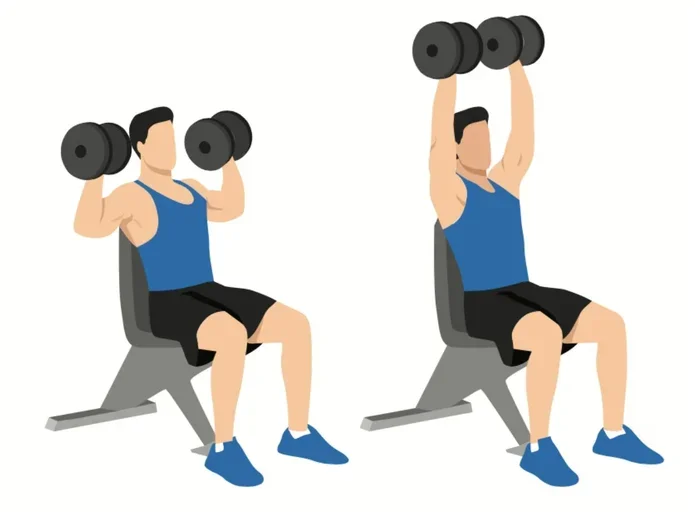
Drive your hips forward explosively while pulling the dumbbells up with your arms. The motion should be quick and fluid, like a snap. The momentum from your hips carries the dumbbells up toward shoulder level. As the dumbbells rise, rotate your wrists so your palms face forward.
Step 4: Catch and Press
Catch the dumbbells at shoulder height with your elbows slightly in front of the weights. From this position, press the dumbbells overhead. Control the descent and bring them back to shoulder level. That is one complete rep.
Quick Tip: Practice the kick-up motion without weights first. Focus on the hip drive and the timing. Once the movement feels natural, add light dumbbells and build from there.
Common Mistakes to Avoid
Even experienced lifters make mistakes with the kick-up technique. Here are the most common errors and how to fix them.
Mistake 1: Using Too Much Momentum
Some lifters swing their bodies so aggressively that they lose control of the dumbbells. The kick-up should be powerful but controlled. If the dumbbells are flying up and you cannot catch them cleanly, you are using too much force. Ease up and focus on a smooth, coordinated movement.
Mistake 2: Rounding the Back
A rounded back puts tremendous stress on your spine. Keep your chest lifted and your core engaged throughout the entire movement. If you find yourself rounding over, the weight is probably too heavy. Drop down to a lighter pair of dumbbells and work on your form.
Mistake 3: Catching the Dumbbells Too High
Your catch point should be at shoulder height, not above it. If you try to catch the dumbbells at chin level or higher, you will strain your shoulders and wrists. Bring the weights to shoulder level, pause briefly, and then press upward.
Mistake 4: Neglecting the Wrists
Your wrists take a beating during the kick-up if you do not position them correctly. Keep your wrists in a neutral position as you catch the dumbbells. If you feel any wrist pain, consider using wrist straps for dumbbells to provide extra support and stability.
How to Choose the Right Dumbbell Weight
Choosing the right weight is crucial for making progress without risking injury. The goal is to challenge yourself while still maintaining proper form.
Start Light and Build Up
Begin with a weight you can comfortably kick up for 8 to 10 reps. Once you can do that with clean form, add a small amount of weight. The right dumbbell weight for building muscle depends on your current strength level and training experience. A good rule of thumb is to choose a weight that makes the last two reps challenging but doable.
Consider Your Fitness Level
Your fitness level plays a big role in determining the starting weight. Here is a simple breakdown:
- Beginner: Start with 10 to 15 pound dumbbells and focus on mastering the kick-up motion.
- Intermediate: Try 20 to 35 pound dumbbells once your form is solid and consistent.
- Advanced: Work with 40 pounds or more, but always prioritize form over ego.
Remember, the kick-up technique is not about lifting the heaviest weight possible. It is about doing the movement correctly and building strength over time. If you want more guidance on selecting the right weight, check out our guide on how heavy your dumbbells should be to build muscle.
Benefits of Kicking Up Dumbbells for Shoulder Press
The kick-up method offers a range of benefits that go beyond just getting the dumbbells up to shoulder height. Here is why you should add this technique to your routine.
Builds Stronger Shoulders
The shoulder press is one of the best exercises for building deltoid strength. By using the kick-up to handle heavier weights, you push your shoulders to grow. Over time, you will notice improved shoulder size and definition.
Improves Explosive Power
The hip drive required for the kick-up builds explosive power in your lower body and core. This type of functional strength translates to other exercises and athletic movements. You will get stronger not just in the gym, but in everyday activities too.
Boosts Overall Workout Efficiency
Because the kick-up uses your whole body, you can do more work in less time. You are not just training your shoulders; you are also engaging your legs, hips, and core. This makes the kick-up shoulder press a highly efficient upper body workout.
Enhances Muscle Coordination
The kick-up requires your muscles to work together in a coordinated way. Your arms, shoulders, core, and legs all fire in sequence. This neuromuscular coordination improves over time, making you a better overall lifter.
Expert Tips for Better Results
Want to take your kick-up shoulder press to the next level? Here are some expert tips that make a real difference.
Tip 1: Focus on the Hip Drive
The power of the kick-up comes from your hips, not your arms. Think of your hips as the engine. A strong hip drive means the dumbbells travel smoothly and you catch them with ease. If your hips are lazy, the whole movement falls apart.
Tip 2: Breathe Properly
Breathing is often overlooked but plays a huge role in lifting performance. Exhale as you kick up and press the dumbbells overhead. Inhale as you bring them back down to shoulder level. Proper breathing keeps your core tight and your energy levels steady.
Tip 3: Train Your Shoulders Separately
To get the most out of your shoulder press workouts, supplement the kick-up press with targeted shoulder exercises. Building big shoulders with dumbbells requires a variety of movements, including lateral raises, front raises, and rear delt work. These isolation exercises complement the compound kick-up press perfectly.
Tip 4: Warm Up Your Shoulders
Never jump straight into heavy kick-ups without warming up your shoulders first. A few minutes of arm circles, band pull-aparts, and light shoulder presses will prepare your joints for the work ahead. Warming up reduces the risk of strains and improves your range of motion.
Tip 5: Practice the Negative Phase
The lowering phase of the exercise is just as important as the lifting phase. Control the dumbbells as you bring them back down to shoulder level. This eccentric training builds more muscle and improves your strength over time. Slow and controlled negatives lead to faster gains.
How to Incorporate the Kick-Up Into Your Routine
The kick-up shoulder press fits well into many types of workout programs. Here is how you can add it to your routine effectively.
For Beginners
Start by practicing the kick-up motion with no weight or very light dumbbells. Do 3 sets of 8 reps, focusing on form. Once you feel confident, gradually increase the weight. Pair the kick-up press with dumbbell chest exercises and back rows for a balanced upper body session.
For Intermediate Lifters
Add the kick-up shoulder press as your primary shoulder exercise. Perform 4 sets of 6 to 10 reps with moderate to heavy weight. Use it in a full-body workout or an upper body split. The kick-up technique pairs well with bench presses, rows, and arm work.
For Advanced Lifters
Use the kick-up as part of a drop set or superset. Kick up heavy dumbbells, press them overhead, then immediately reduce the weight and do strict shoulder presses. This approach maximizes muscle fatigue and drives growth. You can also try dumbbell shoulder shrugs after your kick-up sets to fully fatigue the traps and upper shoulders.
Final Thoughts
The kick-up technique for dumbbells is a game-changer for anyone looking to build stronger, bigger shoulders. It combines power, coordination, and proper form into one efficient movement. By following the steps outlined in this guide, you can lift heavier weights, avoid injuries, and get more out of every workout.
Remember to start with lighter weights and focus on mastering the form before adding load. Your shoulders will thank you for it. Keep practicing, stay consistent, and enjoy the process of getting stronger. The kick-up shoulder press is a skill that rewards patience and dedication. Put in the work, and the results will follow.
Frequently Asked Questions
Is the kick-up technique safe for beginners?
Yes, the kick-up technique is safe for beginners as long as you start with light weights and focus on proper form. Practice the movement without weights first to build coordination. Gradually add weight as you become more comfortable with the hip drive and catch position.
Can I use the kick-up method with any dumbbell weight?
The kick-up method works best with moderate to heavy dumbbells that are too challenging to curl up strictly. If the weight is too light, you do not need the momentum. If it is too heavy, you risk losing control. Choose a weight that challenges you but still allows clean catches at shoulder height.
How is the kick-up different from a dumbbell clean?
The kick-up is a simpler, more explosive version of the clean. It relies on a single hip drive rather than a full-body pull. While a dumbbell clean involves more upper body pulling, the kick-up uses your legs and hips to generate most of the power. Both techniques are effective for getting dumbbells to shoulder level.
What muscles does the kick-up shoulder press work?
The kick-up shoulder press targets your deltoids, traps, and upper chest. It also engages your core, hips, and legs during the kick phase. This makes it a compound movement that builds both upper and lower body strength simultaneously.
Should I do the kick-up shoulder press every day?
No, your shoulders need time to recover between workouts. Aim to train the kick-up shoulder press 2 to 3 times per week with at least one rest day between sessions. Overtraining your shoulders can lead to injury and stalled progress.
What should I do if I feel shoulder pain during the kick-up?
Stop immediately if you feel sharp or persistent shoulder pain. Reduce the weight and check your form. Make sure you are catching the dumbbells at shoulder height and not above. If the pain continues, consult a healthcare professional before continuing the exercise.
=== CONCLUSION ===
The kick-up technique for dumbbells is an essential skill for anyone serious about shoulder training. It lets you handle heavier weights, build explosive power, and develop strong, defined shoulders. By following the steps in this guide and avoiding the common mistakes, you will see real progress in your workouts.
Start today. Grab a pair of dumbbells, practice the hip drive, and feel the difference. The kick-up shoulder press is one of the most rewarding exercises you can add to your routine. Stay consistent, stay patient, and enjoy every rep.