How to Lift Heavy Dumbbells for Shoulder Press
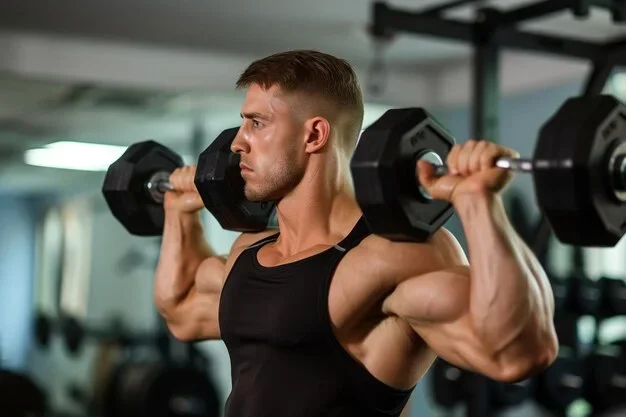
Learning how to lift heavy dumbbells for shoulder press starts with proper form, the right weight, and smart progression. This guide covers everything from setup and technique to common mistakes and expert tips that help you press heavier weights safely. Whether you are a beginner or intermediate lifter, these strategies will level up your shoulder workouts.
Lifting heavy dumbbells for a shoulder press is one of the most rewarding feelings in the gym. There is something powerful about hoisting a pair of heavy weights overhead and locking them out with full control. But here is the truth: getting there takes more than just raw effort. You need the right technique, the right weight, and a smart plan that builds your strength over time.
In this guide, we break down how to lift heavy dumbbells for shoulder press step by step. You will learn the proper setup, the most common mistakes to avoid, and expert tips that help you push past plateaus. Whether you train at home or in a busy gym, these strategies work for everyone. Let us get into it.
Key Takeaways
- Proper Form Is Everything: Mastering your pressing technique prevents injury and lets you lift heavier dumbbells with confidence.
- Start Smart, Progress Steadily: Choose a manageable weight and increase gradually using progressive overload principles.
- Grip and Wrist Position Matter: Using the right grip and wrist support, like wrist straps for dumbbells, can make a huge difference.
- Common Mistakes Slow You Down: Avoiding flared elbows, excessive arching, and jerky movements keeps your shoulders safe and strong.
- Accessory Exercises Help: Strengthening supporting muscles like the traps and rotator cuffs improves your overall pressing power.
📑 Table of Contents
- Why the Shoulder Press Matters for Upper Body Strength
- How to Set Up for a Heavy Dumbbell Shoulder Press
- Proper Technique for Pressing Heavy Dumbbells
- Common Mistakes When Lifting Heavy Dumbbells
- Essential Equipment and Accessories
- Training Tips to Build Heavier Presses Over Time
- How to Stay Safe While Pressing Heavy Weights
- Frequently Asked Questions
- Conclusion
Why the Shoulder Press Matters for Upper Body Strength
The shoulder press targets your deltoids, traps, and upper chest. It is a compound movement that builds real functional strength. Unlike isolation exercises, pressing dumbbells overhead works multiple muscle groups at once. This makes it a staple in almost every serious strength program.
When you get good at the shoulder press, everything else in your upper body gets stronger too. Your bench press improves. Your pull-ups feel easier. Your overall dumbbell weight capacity goes up across the board. That is the power of mastering this one exercise.
Beyond aesthetics, a strong shoulder press supports everyday movements. Reaching overhead, carrying heavy objects, and throwing all rely on the same pressing pattern. Training this movement keeps your shoulders healthy and functional for life.
How to Set Up for a Heavy Dumbbell Shoulder Press
The setup is the foundation of everything. A poor setup leads to a poor press, and that leads to wasted effort or even injury. Take your time with each step below.
Step 1: Choose the Right Weight
Pick a weight that challenges you but still allows clean reps. If you cannot complete 5 reps with good form, the weight is too heavy. A good starting point is about 60 to 70 percent of your maximum effort. You can always add weight as you get stronger.
If you are unsure where to start, check out our guide on how heavy should my dumbbells be to build muscle. It helps you find the perfect weight for your current strength level and goals.
Step 2: Get Into Position
Stand with your feet shoulder-width apart. Keep your knees slightly bent. Your core should be tight, and your back should be straight but not overly arched. Hold a dumbbell in each hand at shoulder height, palms facing forward.
Some lifters prefer to start with the dumbbells at ear level, palms facing inward. This is called the neutral grip, and it can be easier on the shoulders. Experiment with both positions and see what feels strongest for you.
Step 3: Brace and Press
Take a deep breath and brace your core. This creates intra-abdominal pressure that protects your spine. From there, press the dumbbells straight up in a slight arc. Keep your wrists stacked over your elbows at the top. Avoid flaring your elbows out too wide, as this puts unnecessary stress on the shoulder joints.
Proper Technique for Pressing Heavy Dumbbells
Technique is the single biggest factor in how much weight you can lift. Even small adjustments can unlock extra pounds on the dumbbells. Here is a detailed breakdown of proper pressing technique.
Keep Your Elbows Under the Weight
As you press up, think about driving your elbows directly under the dumbbells. This creates a straight line of force from your hands to your shoulders. If your elbows drift too far forward or too far back, you lose power and stability.
One helpful cue is to pretend you are trying to pull your elbows together during the press. This engages your upper back and keeps the movement tight and controlled.
Control the Negative Phase
Lowering the dumbbells is just as important as pressing them up. Take 2 to 3 seconds on the way down. This eccentric phase builds more muscle and strengthens your tendons over time. Do not just drop the weights. Control them.
Lock Out at the Top
At the top of the movement, fully extend your arms without locking your elbows aggressively. The dumbbells should be directly over your shoulders, with your biceps near your ears. Hold this position for a brief second before lowering back down.
If you struggle with the lockout, it might be a sign that your dumbbell weight is too heavy, or that your shoulder mobility needs work. Address these issues and your pressing will improve.
Common Mistakes When Lifting Heavy Dumbbells
Even experienced lifters make mistakes. The key is knowing what to watch for and correcting it early. Here are the most common errors we see.
Flaring the Elbows Too Wide
When the elbows flare out, the shoulders take on extra strain. This reduces the power of your press and increases injury risk. Keep your elbows at about a 45-degree angle from your torso. This angle balances shoulder and chest involvement perfectly.
Excessive Arching of the Back
A slight natural arch is fine. But if you are arching so much that your back lifts off the floor or bench, you are using momentum instead of muscle. Keep your glutes and core engaged throughout the movement. This protects your lower back and makes the press more effective.
Using Too Much Weight Too Soon
This is the most common mistake of all. Adding weight before your body is ready leads to sloppy form and injuries. Follow the principle of progressive overload by increasing weight in small increments, usually 2 to 5 pounds at a time. Consistency beats ego every time.
Essential Equipment and Accessories
You do not need a lot of gear to press heavy dumbbells. But a few key items can make a big difference in your performance and safety.
Weightlifting Gloves or Straps
Heavy dumbbells can be hard to grip, especially when your hands get sweaty. Wrist straps for dumbbells help secure your grip so you can focus on the press instead of worrying about the weights slipping. They are especially useful when you are pushing your limits with heavier sets.
A Good Pair of Flat Shoes
Your feet are the foundation of every press. Wear flat, stable shoes that do not compress under heavy loads. Running shoes with thick soles absorb force and reduce the power transfer from your legs to the dumbbells. Flat shoes keep you solid and grounded.
A Flat Bench or Floor
If you are pressing from a seated position, a flat bench works well. Some lifters prefer to press from the floor, which limits the range of motion and lets them lift heavier. Both approaches are valid. Choose the one that fits your goals and body type.
Training Tips to Build Heavier Presses Over Time
Getting stronger at the shoulder press is a gradual process. You cannot rush it. Here are proven training strategies that help you add weight steadily and safely.
Follow the 5×5 Method
The 5×5 method involves doing 5 sets of 5 reps with a weight that is challenging but manageable. This rep scheme builds both strength and muscle mass. Increase the weight by 5 pounds once you can complete all sets with clean form.
Practice Progressive Overload
Progressive overload means gradually increasing the stress on your muscles over time. This can mean adding weight, adding reps, or adding sets. The key is to make small, consistent increases. Your muscles adapt to the new demands, and your strength grows.
Supplement with Accessory Work
Your shoulder press benefits from strong supporting muscles. Work on your traps, rotator cuffs, and upper back with exercises like face pulls, shrugs, and external rotations. Strong supporting muscles mean a stronger press and fewer injuries.
For more ideas on building upper body strength with dumbbells, check out our article on how to get heavy dumbbells up for shoulder press. It is packed with practical tips and variations to keep your training fresh.
How to Stay Safe While Pressing Heavy Weights
Safety should always come first, especially when lifting heavy. A shoulder injury can sideline you for weeks or even months. Follow these guidelines to train smart and stay healthy.
- Warm up properly. Do 5 to 10 minutes of light cardio and dynamic stretches before you start pressing.
- Use a spotter. If you are training to failure, have someone nearby to help you if needed.
- Listen to your body. Sharp pain is a warning sign. Stop immediately if something feels wrong.
- Cool down and stretch. Spend 5 to 10 minutes stretching your shoulders and upper back after your workout.
Remember, the goal is long-term progress, not short-term heroics. Training smart today means you can keep pressing heavy for years to come.
Frequently Asked Questions
What is the best weight to start with for dumbbell shoulder presses?
Start with a weight you can press for 8 to 10 reps with clean form. For most beginners, this is between 15 and 25 pounds per dumbbell. Focus on technique first. You can always add weight once your form is solid and consistent.
How often should I train the shoulder press?
Training your shoulders 2 to 3 times per week is enough for most people. Allow at least 48 hours of rest between sessions. This gives your muscles time to recover and grow stronger. Overtraining leads to injury and stalled progress.
Can I lift heavy dumbbells for shoulder press if I am a beginner?
Absolutely. Start with a moderate weight and focus on learning the movement pattern. As your strength and confidence grow, you can gradually increase the load. The key is patience and consistency. Every expert was once a beginner.
Do I need to use wrist straps for heavy dumbbell presses?
Wrist straps are not required, but they can be very helpful when pressing heavy weights. They reduce grip fatigue and let you focus more on the pressing movement itself. If you find your grip giving out before your shoulders, straps are worth trying.
Why can I press more weight with a barbell than with dumbbells?
Barbells allow both arms to work together as one unit, which lets you lift more total weight. Dumbbells require each arm to work independently, which builds more balanced strength. Both are valuable tools. Use them together for the best results.
How long does it take to see progress in shoulder press strength?
Most people notice noticeable strength gains within 4 to 6 weeks of consistent training. Factors like nutrition, sleep, and training frequency all play a role. Stick with your program, track your progress, and trust the process.
Conclusion
Learning how to lift heavy dumbbells for shoulder press is a journey built on patience, practice, and smart training. You now have the setup instructions, technique breakdowns, and common mistakes to avoid. You also have practical training tips and safety guidelines to keep you progressing for the long haul.
Start where you are. Use the right weight. Focus on form. Add weight gradually. The heavy dumbbells will come, and when they do, you will be ready to press them with confidence and control. Keep showing up, stay consistent, and enjoy the process of getting stronger every single day.