How to Build Muscle at Home with Dumbbells
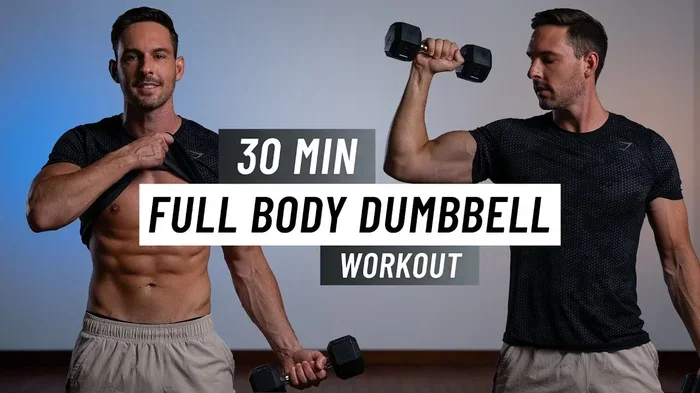
Building muscle at home with dumbbells is one of the most effective and convenient ways to transform your body. You do not need a gym membership or fancy equipment. With the right dumbbell workout routine and consistent effort, you can achieve serious muscle growth from the comfort of your living room. This guide covers everything you need to know, from choosing the right weight to designing a routine that delivers real results.
There is something powerful about building muscle in your own space. No commuting. No waiting for equipment. No monthly gym fees. Just you, a pair of dumbbells, and a clear plan. How To Build Muscle At Home With Dumbbells is a question thousands of people search for every single day. And the answer is simpler than you might think.
Whether you are a complete beginner or someone looking to switch up your routine, dumbbells offer incredible versatility. You can target every major muscle group, adjust the intensity to your level, and train on your own schedule. In this guide, we will walk through everything you need to know to build real muscle without ever leaving your house.
The beauty of resistance training at home is that you control the environment. You set the pace. You choose the music. You decide when to push harder. And with the right approach, your home gym can be just as effective as any commercial fitness center. Let us dive into the details.
Key Takeaways
- Dumbbells are all you need: A simple pair of dumbbells can deliver full-body muscle building results at home.
- Progressive overload matters: Gradually increasing weight or reps is the key to continuous muscle growth.
- Compound movements win: Exercises like presses, rows, and squats work multiple muscle groups at once for maximum efficiency.
- Consistency beats perfection: Showing up regularly with a solid home workout plan beats any fancy routine.
- Recovery is part of the process: Rest days and proper nutrition are just as important as the workouts themselves.
- Beginners can start simple: You do not need a complex program to see real gains early on.
📑 Table of Contents
- Why Dumbbells Are Perfect for Building Muscle at Home
- Essential Dumbbell Exercises for Every Muscle Group
- How to Design Your At-Home Dumbbell Workout Routine
- Choosing the Right Dumbbell Weight for Muscle Growth
- Nutrition Tips to Support Muscle Building at Home
- Common Mistakes to Avoid When Training with Dumbbells at Home
- Expert Tips to Maximize Your Home Dumbbell Workouts
- Conclusion
Why Dumbbells Are Perfect for Building Muscle at Home
Dumbbells are one of the most practical tools for strength training at home. They are affordable, take up minimal space, and offer a huge range of exercises. Unlike machines that lock you into a fixed path, dumbbells let your joints move naturally. This reduces injury risk and engages more stabilizer muscles.
Here is why dumbbells stand out for at-home fitness:
- Versatility: You can work your chest, back, legs, shoulders, arms, and core with just one pair.
- Scalability: Start light and progress by adding weight as you get stronger.
- Space efficiency: A set of dumbbells fits in a closet or corner.
- Cost-effective: A good pair costs far less than a gym membership over time.
- Joint-friendly: Free weights allow natural movement patterns that feel more comfortable.
If you are just starting out, check out our guide on How To Workout With Dumbbells At Home For Beginners for a gentle introduction to setting up your first routine.
Understanding Progressive Overload
The single most important concept in muscle building is progressive overload. This means gradually increasing the demand on your muscles over time. Your muscles grow in response to stress. When you challenge them consistently, they adapt by getting bigger and stronger.
You can apply progressive overload in several ways:
- Increase weight: Add 2 to 5 pounds every few weeks.
- Increase reps: Do more repetitions with the same weight.
- Increase sets: Add an extra set to your exercises.
- Decrease rest time: Shorten the breaks between sets.
- Improve form: Perform each rep with better control and range of motion.
Tracking your workouts helps you apply overload systematically. Write down your weights, reps, and sets each session. Over weeks and months, these small increases add up to significant muscle growth.
Essential Dumbbell Exercises for Every Muscle Group
A well-rounded dumbbell workout routine hits all the major muscle groups. You do not need dozens of exercises. A handful of compound movements and a few isolation exercises will cover everything. Here are the essential moves to include in your home workout plan.
Chest Exercises
Your chest responds well to pressing movements. The dumbbell bench press and dumbbell floor press are two of the best exercises for building a bigger chest. You can also try dumbbell flyes to stretch and activate the chest fibers from a different angle.
For a deeper dive into chest-specific training, read our article on How To Build Chest Muscles At Home With Dumbbells. It covers exercise variations, sets, and rep ranges specifically for chest development.
Back and Shoulder Exercises
Building a balanced physique means not neglecting your back. Bent-over rows, single-arm rows, and overhead presses are fantastic for the back and shoulders. These compound movements also engage your biceps and core, giving you more bang for your buck.
For shoulder-specific work, try overhead presses, lateral raises, and front raises. Strong shoulders improve your posture and support every pressing movement you do.
Arm Exercises
Your arms are involved in most back and chest exercises. But if you want focused arm growth, you should add targeted work. Bicep curls, hammer curls, tricep extensions, and overhead tricep extensions are all highly effective.
For a complete arm-building guide, check out How To Build Arm Muscles At Home With Dumbbells. It provides detailed instructions for biceps, triceps, and forearms.
Leg and Glute Exercises
Do not skip your legs. Squats, lunges, goblet squats, and Romanian deadlifts are powerful dumbbell exercises for building lower body muscle. Your legs contain some of the largest muscle groups in your body. Training them boosts your metabolism and improves overall strength.
Hip thrusts with dumbbells are another excellent option for glute development. They target the glutes and hamstrings in a way that complements squats and lunges perfectly.
Core Exercises
A strong core supports every movement you make. Dumbbell carries, woodchops, and Russian twists are great options. You can also perform weighted crunches and side bends to target the obliques. A strong midsection improves your posture and reduces injury risk during heavier lifts.
How to Design Your At-Home Dumbbell Workout Routine
Now that you know the best exercises, let us talk about how to put them together. A solid routine balances volume, intensity, and recovery. You do not need to train every day to build muscle. In fact, rest is when your muscles actually grow.
Full-Body Workouts vs. Split Routines
There are two main approaches to structuring your dumbbell workout routine:
- Full-body workouts: Train every major muscle group in each session. Ideal for beginners. Aim for 3 sessions per week.
- Split routines: Focus on different muscle groups on different days. Better for intermediate lifters. Aim for 4 to 5 sessions per week.
For most people starting out, a full-body routine 3 times per week is the sweet spot. It gives you enough stimulus without overloading your schedule or recovery capacity.
Sample Weekly Routine for Beginners
Here is a simple but effective home workout plan to get you started:
- Day 1 (Full Body): Dumbbell squats, bench press, bent-over rows, overhead press, bicep curls, tricep extensions. 3 sets of 8 to 12 reps each.
- Day 2 (Rest): Light stretching or walking. Let your muscles recover.
- Day 3 (Full Body): Lunges, dumbbell rows, floor press, lateral raises, hammer curls, overhead tricep extensions. 3 sets of 8 to 12 reps.
- Day 4 (Rest): Active recovery. Focus on mobility and hydration.
- Day 5 (Full Body): Repeat Day 1 or mix in new exercises to keep things fresh.
As you get stronger, you can transition to a split routine that dedicates specific days to specific muscle groups. This allows you to train each group with more volume and intensity.
Choosing the Right Dumbbell Weight for Muscle Growth
Selecting the correct dumbbell weight is critical for making progress. Too light, and your muscles will not be challenged enough. Too heavy, and you risk poor form and injury. Finding the right balance is key.
A good rule of thumb: choose a weight that makes the last 2 reps of each set feel challenging but doable. If you can easily complete all your reps with perfect form, it is time to go heavier. If you cannot finish the set with good technique, drop the weight down.
For a detailed guide on selecting the best weight for your goals, read our article on How Heavy Should My Dumbbells Be To Build Muscle. It covers weight ranges for different fitness levels and goals.
Recommended Weight Ranges by Fitness Level
Here is a general breakdown to help you get started:
- Beginner: 5 to 15 pounds for upper body, 10 to 25 pounds for lower body.
- Intermediate: 15 to 30 pounds for upper body, 25 to 40 pounds for lower body.
- Advanced: 30 to 50+ pounds for upper body, 40 to 60+ pounds for lower body.
These ranges vary based on your body weight, fitness history, and specific goals. The most important thing is to challenge yourself while maintaining proper form throughout every set.
Nutrition Tips to Support Muscle Building at Home
Training is only half the equation. What you eat plays a huge role in muscle growth and recovery. Without proper nutrition, even the best dumbbell exercises will not deliver the results you want.
Protein Intake for Muscle Repair
Protein is the building block of muscle. After a tough workout, your muscles need protein to repair and grow. Aim for 0.7 to 1 gram of protein per pound of body weight each day. Good sources include chicken, fish, eggs, Greek yogurt, beans, and protein shakes.
Caloric Surplus for Growth
To build muscle, you generally need to eat slightly more calories than you burn. This is called a caloric surplus. A moderate surplus of 250 to 500 calories per day is usually enough to support muscle growth without excessive fat gain. Track your intake for a few weeks to find the right balance.
Hydration and Recovery
Water supports every function in your body, including muscle repair. Drink plenty of water throughout the day, especially around your workouts. Sleep is equally important. Aim for 7 to 9 hours per night. Your muscles do most of their growing during deep sleep.
Common Mistakes to Avoid When Training with Dumbbells at Home
Even with the best intentions, it is easy to make mistakes that slow your progress. Here are the most common ones and how to avoid them.
- Skipping warm-ups: Always warm up for 5 to 10 minutes before lifting. This prepares your joints and muscles for work.
- Using too much weight too soon: Sacrificing form for heavier weight leads to injuries and slower progress.
- Neglecting certain muscle groups: Focus on all major groups equally for a balanced physique and fewer imbalances.
- Overtraining: More is not always better. Rest days are essential for muscle recovery and growth.
- Ignoring nutrition: You cannot out-train a bad diet. Fuel your body properly to see real results.
- Not tracking progress: Without a record, you cannot tell if you are actually getting stronger or just going through the motions.
Avoiding these mistakes will save you months of frustration and keep you on the path to steady muscle building success.
Expert Tips to Maximize Your Home Dumbbell Workouts
Here are some proven strategies from experienced trainers that can take your home workout to the next level:
- Focus on the mind-muscle connection: Concentrate on the muscle you are working during every rep. Feel it contract and stretch.
- Use tempo training: Slow down the eccentric (lowering) phase of each rep to increase time under tension.
- Superset exercises: Pair exercises for opposing muscle groups to save time and increase intensity.
- Change your grip: Switching from overhand to underhand grip targets muscles differently and prevents plateaus.
- Add pauses at the bottom: Holding the bottom position of an exercise increases difficulty and builds strength.
These small adjustments can make a big difference in the quality of your training sessions. They keep your workouts challenging and your muscles guessing, which drives continued growth over time.
Conclusion
How To Build Muscle At Home With Dumbbells is entirely achievable with the right knowledge and consistency. You do not need expensive equipment or a gym membership. A pair of dumbbells, a solid routine, proper nutrition, and enough rest are all you need. Focus on progressive overload, hit every major muscle group, and avoid the common mistakes that hold people back. Stay patient, trust the process, and you will see real muscle growth over time. Start today, and your future self will thank you.
Frequently Asked Questions
Can I build muscle at home with just dumbbells?
Absolutely. Dumbbells are one of the most effective tools for building muscle at home. With the right exercises, consistent progressive overload, and proper nutrition, you can achieve significant muscle growth using only dumbbells. Many athletes and fitness enthusiasts build impressive physiques with nothing more than a quality pair of dumbbells.
How often should I train with dumbbells to build muscle?
Training 3 to 5 times per week is ideal for most people. Beginners should start with 3 full-body sessions per week. Intermediate lifters can move to a split routine with 4 to 5 sessions. The key is to give each muscle group enough stimulus and then allow adequate recovery time for growth.
What size dumbbells should I use to build muscle?
The right dumbbell weight depends on your fitness level and the exercise. For most dumbbell exercises, choose a weight that challenges you in the 8 to 12 rep range. If you can easily complete 12 reps, increase the weight slightly. For guidance on selecting the perfect weight, check out our article on How Heavy Should My Dumbbells Be To Build Muscle.
How long does it take to see muscle growth from dumbbell training?
Visible changes typically appear within 4 to 8 weeks of consistent training. Early strength gains happen within the first 2 to 3 weeks. True muscle growth takes longer and depends on your training intensity, nutrition, sleep, and genetics. Stay consistent, track your progress, and trust the process.
Do I need a bench to build muscle with dumbbells at home?
A bench is helpful but not required. You can perform floor presses, standing overhead presses, rows, and many other exercises without one. A flat bench expands your exercise options, but bodyweight and floor-based variations can be just as effective for building muscle, especially for beginners.
Can beginners build muscle with dumbbells at home?
Yes, beginners often see the fastest results because their bodies respond quickly to new stimuli. Starting with a simple dumbbell workout routine and focusing on proper form is the best approach. For a detailed beginner-friendly plan, read our guide on How To Workout With Dumbbells At Home For Beginners.