How to Use Dumbbells for Beginners at Home
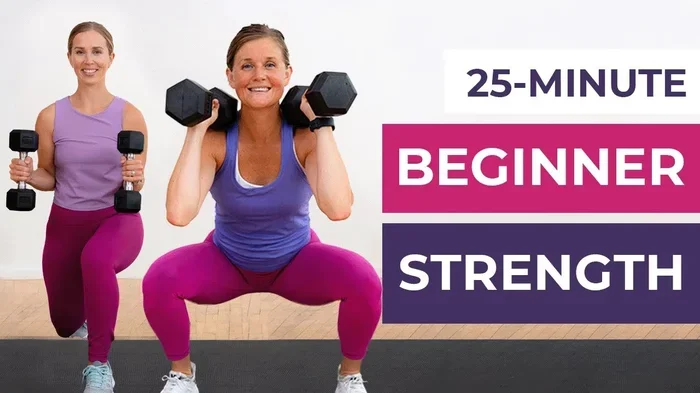
Learning how to use dumbbells for beginners at home starts with mastering proper form to prevent injury and build strength safely. You will discover simple dumbbell exercises for every muscle group that require minimal space and equipment. With the right beginner workout plan, you can turn any room into a personal gym and achieve real fitness results.
Key Takeaways
- Start light with dumbbells: Choose a weight you can lift for 12-15 reps with perfect form.
- Prioritize form over weight: Master each slow, controlled movement before adding more load.
- Warm up first: Spend 5-10 minutes on light cardio and dynamic stretches.
- Control the movement: Use steady motions to fully engage your target muscles.
- Rest muscles properly: Wait 48 hours between sessions targeting the same group.
- Track your progress: Log reps and weights to stay motivated and see gains.
📑 Table of Contents
Why Dumbbells Are Perfect for Beginners at Home
Starting a fitness journey can feel overwhelming. But how to use dumbbells for beginners at home is simpler than you think. Dumbbells are one of the most versatile tools you can own. They fit in any room and work almost every muscle group.
Unlike machines at the gym, dumbbells let you move naturally. Your body follows its own path of motion. This means better muscle activation and less risk of injury. You also save money and time by skipping a gym membership.
Many people feel unsure about lifting weights at first. That is completely normal. The key is starting with the right knowledge and a solid plan. With dumbbells, you can build real strength without leaving your house.
Benefits of Starting with Dumbbells
- Accessibility: Work out anytime, no waiting for equipment.
- Affordability: A good pair lasts for years.
- Versatility: Target every major muscle group.
- Safety: Easy to drop if you lose control.
- Progressive overload: Start light and increase weight gradually.
If you want more ideas on getting started, check out our guide on how to workout with dumbbells at home for beginners. It covers the basics in even more detail.
Essential Dumbbell Exercises for Beginners
Knowing which exercises to do makes a huge difference. You do not need a long list of moves. A few well-chosen exercises cover your entire body. Focus on mastering form before adding weight or speed.
Upper Body Moves
Your upper body has many muscles that respond well to dumbbell training. Start with these foundational exercises:
- Dumbbell Shoulder Press: Stand tall and press weights overhead. This builds strong shoulders and improves pushing strength.
- Dumbbell Chest Press: Lie on the floor and press weights upward. It targets your chest and front shoulders.
- Dumbbell Rows: Bend forward slightly and pull weights to your hips. This strengthens your back and improves posture.
- Dumbbell Bicep Curls: Stand with arms at your sides and curl the weights up. Great for building arm size and grip strength.
For a deeper dive into arm-focused work, you can explore how to get bigger arms at home with dumbbells. It provides detailed exercise breakdowns for arm development.
Lower Body Moves
Do not skip your legs. Dumbbells add resistance to basic bodyweight movements. Try these effective lower body exercises:
- Goblet Squats: Hold one dumbbell at your chest and squat down. This works your quads, glutes, and core.
- Dumbbell Lunges: Step forward and lower your hips. Great for balance and leg strength.
- Dumbbell Deadlifts: Hold weights in front of your thighs and hinge at the hips. This targets your hamstrings and glutes.
- Calf Raises: Stand on a step and raise your heels. Simple but effective for lower legs.
How to Choose the Right Dumbbell Weight
Selecting the correct weight is one of the most important steps. Too heavy and you risk injury. Too light and you will not challenge your muscles enough.
The Right Weight for Your Fitness Level
Your starting weight depends on your current fitness level. Here is a simple guide to help you decide:
| Fitness Level | Upper Body Weight | Lower Body Weight | Rep Range |
|---|---|---|---|
| Complete Beginner | 5 to 10 lbs | 10 to 15 lbs | 10 to 12 reps |
| Some Experience | 10 to 20 lbs | 15 to 25 lbs | 8 to 10 reps |
| Intermediate | 20 to 35 lbs | 25 to 40 lbs | 6 to 8 reps |
The general rule is simple. Choose a weight where the last two reps feel challenging but doable. If you can barely finish a set, the weight is too heavy. If the last rep feels easy, go heavier next time.
You should also consider adjustable dumbbells. They let you change weight quickly. This saves space and money over buying many fixed-weight pairs. For more guidance on picking the right setup, read how do you know what weight dumbbells to use.
Progression Tips
- Increase weight by 2 to 5 lbs every one to two weeks.
- Focus on maintaining good form as you add load.
- Do not rush the process. Small gains add up over time.
- Track your workouts in a notebook or app.
Proper Form and Safety Tips
Good form is the foundation of every exercise. It protects your joints and ensures your muscles do the work. Poor form leads to injuries and slow progress.
Key Form Cues to Remember
- Keep your spine neutral: Never round your lower back during any exercise.
- Engage your core: Tighten your stomach muscles before each rep.
- Move with control: Avoid swinging or using momentum.
- Breathe properly: Exhale on the effort, inhale on the return.
- Use a full range of motion: Go as deep as your mobility allows.
One of the biggest mistakes beginners make is copying what they see online without understanding the movement. Take time to learn each exercise. Watch trusted videos or ask a knowledgeable friend for feedback.
Quick Tips for Safe Lifting
- Warm up for 5 to 10 minutes before lifting.
- Start with lighter weights to practice movement patterns.
- Use wrist straps if you struggle with grip during heavy sets.
- Stop immediately if you feel sharp pain.
- Rest at least 48 hours between sessions targeting the same muscles.
Wrist straps can be a helpful tool when you are starting out. They support your grip and let you focus on the target muscles. Learn more about proper technique in our article on how to use wrist straps for dumbbells tips techniques.
Sample Beginner Workout Routine
Having a plan keeps you consistent and makes progress measurable. This full-body routine works three days per week with rest days in between. Each session takes about 30 to 40 minutes.
Day A: Full Body Workout
- Goblet Squats – 3 sets of 10 reps
- Dumbbell Chest Press – 3 sets of 10 reps
- Dumbbell Rows – 3 sets of 10 reps per arm
- Dumbbell Shoulder Press – 3 sets of 8 reps
- Dumbbell Bicep Curls – 3 sets of 10 reps
- Plank Hold – 3 sets of 20 to 30 seconds
Day B: Full Body Workout
- Dumbbell Deadlifts – 3 sets of 10 reps
- Dumbbell Lunges – 3 sets of 10 reps per leg
- Floor Chest Flyes – 3 sets of 10 reps
- Seated Dumbbell Shoulder Press – 3 sets of 8 reps
- Tricep Overhead Extension – 3 sets of 10 reps
- Bodyweight Squats – 3 sets of 15 reps
Follow Day A and Day B on alternating days. For example, train Monday, Wednesday, and Friday. This gives your muscles enough time to recover and grow stronger.
Want to build muscle faster at home? Check out how to build muscle at home with only dumbbells for advanced strategies and tips.
Tracking Your Progress
Write down every workout. Note the weight used, reps completed, and how you felt. This data helps you see improvements over time. It also keeps you motivated when progress feels slow.
- Week 1: Focus on learning the movements.
- Week 2 to 3: Increase reps or add a set.
- Week 4 and beyond: Add weight gradually.
Common Mistakes Beginners Make with Dumbbells
Avoiding common errors saves you time and prevents injury. Many beginners repeat the same mistakes without realizing it. Here are the ones to watch out for:
Using Too Much Weight Too Soon
This is the number one mistake. Ego lifting leads to poor form and potential injury. Start lighter than you think you need. You can always add more weight next session. Your muscles need time to adapt to new movements.
Skipping Warm-Ups
Cold muscles are more prone to strains and tears. A proper warm-up increases blood flow and prepares your joints. Spend 5 to 10 minutes doing light cardio or dynamic stretches before lifting.
Neglecting Leg Training
Some beginners focus only on upper body exercises. This creates muscle imbalances and misses out on major strength gains. Your legs contain the largest muscle groups in your body. Training them boosts overall strength and metabolism.
Rushing Through Reps
Speed does not equal progress. Controlled movements create better muscle tension. Slow down and feel each rep. Quality always beats quantity when it comes to resistance training.
Not Resting Enough
Muscles grow during rest, not during the workout. Overtraining leads to fatigue and stalled progress. Give your body time to recover between sessions. Sleep well and eat enough protein to support muscle repair.
Key Takeaways for Getting Started
Learning how to use dumbbells for beginners at home does not have to be complicated. Start with a pair of adjustable dumbbells and master basic exercises. Focus on proper form above everything else. Choose weights that challenge you but still allow clean reps.
Follow a structured routine and track your progress. Avoid the common mistakes that slow beginners down. Stay consistent, be patient, and trust the process. Your strength will grow, and you will feel the benefits in everyday life.
Dumbbells give you everything you need to build a strong, healthy body right at home. All you need is a small space, a pair of weights, and the willingness to start. Your future self will thank you for it.
Frequently Asked Questions
What Is the Best Way to Start Using Dumbbells for Beginners at Home?
Start with a light pair of dumbbells, typically 5 to 10 pounds, and focus on mastering basic movements like squats, presses, and rows. Learning proper form first is more important than lifting heavy weights. Once you feel confident, you can gradually increase the weight over time.
How Often Should Beginners Train with Dumbbells Each Week?
Most beginners should train with dumbbells two to three times per week, leaving at least one rest day between sessions. This gives your muscles enough time to recover and grow stronger. Consistency matters more than intensity, so stick to a regular schedule.
Can You Lose Weight Effectively by Using Dumbbells at Home?
Yes, dumbbell workouts can support weight loss when combined with a balanced diet and regular exercise routine. Using dumbbells builds lean muscle, which helps your body burn more calories even at rest. Pair your dumbbell sessions with cardio for the best results.
What Are the Safest Dumbbell Exercises for Beginners at Home?
Safe beginner exercises include dumbbell goblet squats, floor presses, bent-over rows, and standing shoulder presses. These movements target major muscle groups while keeping the risk of injury low. Always warm up before you start and use a weight you can control comfortably.
Do You Need a Workout Plan When Using Dumbbells for Beginners at Home?
Having a simple plan keeps you organized and ensures you work all major muscle groups evenly. A basic full-body routine done two or three times a week is perfect for getting started. Write down your exercises, sets, and reps so you can track your progress over time.
What Common Mistakes Should Beginners Avoid When Using Dumbbells?
The most common mistakes include lifting too much weight too soon, skipping warm-ups, and using jerky or rushed movements. Poor form can lead to strains and injuries, so always prioritize technique over heavier weights. If you are unsure about an exercise, watch trusted tutorial videos or consult a fitness professional.