Can Doing Jump Rope Help You Lose Weight
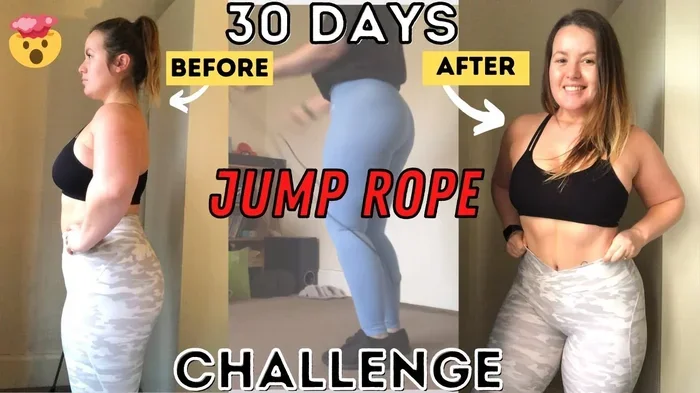
Yes, doing jump rope can help you lose weight effectively. It is a high-intensity cardio exercise that burns a significant number of calories in a short time. Adding jump rope to your fitness routine can boost your metabolic rate and support healthy weight management when combined with proper diet and consistency.
Have you ever wondered whether can doing jump rope help you lose weight? It is a question many people ask when looking for a simple, effective way to shed extra pounds. The short answer is yes. Jump rope is one of the most efficient cardio exercises you can do at home. It requires very little equipment, takes up almost no space, and delivers serious results.
People have been skipping rope for centuries. Boxers have used it for decades to build endurance and stay lean. Today, it has become a popular weight loss tool for everyday fitness enthusiasts. Whether you are a complete beginner or a seasoned athlete, jump rope can fit into your routine and help you reach your fitness goals.
In this article, we will cover everything you need to know. We will look at how jump rope helps you burn fat, how many calories it actually uses, and the best ways to add it to your workout plan. By the end, you will have a clear picture of whether this simple exercise can truly support your weight management journey.
Key Takeaways
- Jump rope burns serious calories: A 30-minute session can burn 300-500 calories depending on your weight and intensity level.
- It works your entire body: Rope skipping engages your legs, core, arms, and shoulders for a full-body workout.
- It boosts your metabolism: The high-intensity nature of jump rope keeps your metabolic rate elevated even after you stop exercising.
- It is easy to start: You need minimal equipment and space, making it one of the most accessible workouts available.
- Consistency matters most: Regular jump rope sessions paired with a balanced diet deliver the best weight loss results.
- It is beginner-friendly: You can start slow and gradually increase duration and intensity as your fitness improves.
📑 Table of Contents
How Jump Rope Helps You Lose Weight
Rope skipping is a powerful cardio exercise that raises your heart rate quickly. When your heart beats faster, your body uses more energy. This means you burn more calories in less time compared to many other forms of exercise.
The Science Behind Calorie Burning
Your body burns calories based on how much energy you expend during activity. Jump rope is classified as a high-intensity exercise. This means it demands a lot from your muscles and cardiovascular system at the same time.
Studies show that a 155-pound person can burn approximately 300 calories in just 30 minutes of moderate jump rope. That is more than what many people burn during a 30-minute jog. The exercise intensity is the key factor here.
When you skip rope, you are constantly moving. Your legs push off the ground, your arms turn the rope, and your core stabilizes your body. This full-body engagement means more muscle groups are working at once. More muscles working means more calories burned.
Fat Burning and Body Composition
Jump rope does not just help you lose weight on the scale. It also improves your body composition. This means you can lose fat while keeping or even building lean muscle.
Unlike steady-state cardio like walking on a treadmill, jump rope challenges your muscles in dynamic ways. Your calves, quads, glutes, and core all fire during each jump. Over time, this can lead to a more toned and defined physique.
If you want to learn more about how much weight you can actually drop with this exercise, check out this guide on how much weight you can lose with jump rope. It breaks down real numbers and expected timelines.
How Many Calories Does Jump Rope Burn?
The number of calories you burn depends on several factors. Your body weight, the speed of your jumps, and the duration all play a role. Let us look at some real numbers.
| Body Weight | Duration (30 min) | Calories Burned (Moderate) | Calories Burned (High Intensity) |
|---|---|---|---|
| 130 lbs | 30 minutes | 240 calories | 350 calories |
| 155 lbs | 30 minutes | 300 calories | 440 calories |
| 180 lbs | 30 minutes | 340 calories | 500 calories |
| 200 lbs | 30 minutes | 380 calories | 550 calories |
As you can see, jump rope is a calorie-torching exercise. Even at a moderate pace, it outperforms many common forms of cardio. And when you push the intensity, the numbers climb even higher.
For comparison, walking on a treadmill at a moderate pace burns about 150-200 calories in 30 minutes for the same 155-pound person. That is less than half of what jump rope can achieve. This makes rope skipping a top choice for anyone serious about weight loss.
If you are curious about how long you need to jump to see results, this article on how long you should jump rope to lose weight provides a detailed breakdown of duration and frequency.
Jump Rope vs. Other Cardio Exercises
Not all cardio exercises are created equal. Some burn more calories, while others are easier on your joints. Let us compare jump rope with a few popular alternatives.
Jump Rope vs. Running
Running is one of the most popular forms of cardio. It burns a good number of calories and improves heart health. However, jump rope can match or even exceed running in calorie burn per minute.
One major advantage of rope skipping is that it is lower impact on your knees when done correctly. You land softly on the balls of your feet, which reduces stress compared to the repetitive pounding of running on pavement.
Jump Rope vs. Cycling
Cycling is great for your legs and cardiovascular system. But it mainly targets your lower body. Jump rope, on the other hand, engages your upper body, core, and lower body all at once. This makes it a more efficient full-body exercise.
Jump Rope vs. Elliptical
The elliptical machine is a staple in many gyms. It provides a smooth, low-impact workout. However, jump rope is far more portable and affordable. You can do it in your living room, in a park, or even in a hotel room while traveling.
All of these exercises have their place. But if you want maximum calorie burn with minimal equipment, jump rope is hard to beat.
How to Start a Jump Rope Routine for Weight Loss
Starting a jump rope routine is easier than you might think. You do not need to be coordinated or fit to begin. The key is to start slow and build up gradually.
Step-by-Step Beginner Plan
Here is a simple plan to get you started with your weight loss journey using jump rope:
- Get the right rope: Choose a rope that reaches your armpits when you stand on the middle of it.
- Start with 5 minutes: Jump at a comfortable pace. Focus on rhythm, not speed.
- Rest for 1 minute: Catch your breath and shake out your arms.
- Repeat for 15 minutes: Do 3 rounds of 5 minutes with 1-minute rest periods.
- Increase weekly: Add 2-3 minutes to each session every week.
Within a few weeks, you will notice improvements in your endurance and coordination. Your cardiovascular health will also get a boost.
Best Jump Rope Workouts for Fat Loss
Once you feel comfortable, you can try more advanced routines. Here are a few effective workout routines to try:
- Interval Training: Jump fast for 30 seconds, then slow down for 30 seconds. Repeat for 10-15 minutes.
- Double Unders: Spin the rope twice under your feet for each jump. This is advanced but extremely effective.
- High Knees Jump: Bring your knees up high with each jump. This targets your core and boosts intensity.
- Boxer Step: Alternate stepping feet like a boxer. Great for beginners who want a lower-impact option.
These workout routines keep your body guessing and prevent boredom. Variety is key to staying consistent with any exercise plan.
Common Mistakes to Avoid
Jump rope is simple, but small mistakes can hold you back. Here are some common errors to watch out for.
Using the Wrong Rope Length
A rope that is too long or too short will trip you up constantly. Make sure the handles reach your armpits when you step on the middle of the rope. Getting the right length makes a huge difference in your workout consistency.
Jumping Too High
You do not need to jump several inches off the ground. Just enough clearance for the rope to pass under your feet is all you need. Jumping too high wastes energy and puts extra strain on your joints.
Ignoring Your Posture
Keep your back straight and your core engaged. Many people hunch over as they get tired. Poor posture can lead to back pain and reduces the effectiveness of the exercise. Stay tall and relaxed throughout your session.
Skipping Warm-Ups
Jumping straight into intense rope skipping without warming up can lead to injury. Spend 3-5 minutes doing light stretches or gentle jumps before your main workout. This prepares your muscles and joints for the endurance training ahead.
Expert Insights on Jump Rope for Weight Loss
Fitness experts agree that jump rope is one of the most efficient exercises for burning fat and improving overall fitness. According to the American Council on Exercise, a 10-minute jump rope session can match the cardiovascular benefits of a 30-minute jog.
Personal trainers often recommend rope skipping because it is scalable. You can make it as easy or as challenging as you need. Beginners can start with basic two-foot jumps. Advanced athletes can incorporate complex footwork and double unders.
Consistency is the real secret. The best exercise in the world will not help you lose weight if you only do it once a week. Aim for at least 3-4 jump rope sessions per week, each lasting 15-30 minutes. Pair this with a balanced diet rich in whole foods, lean proteins, and healthy fats.
If you are wondering whether is jump rope a good way to lose weight, the answer from experts is a resounding yes. It is efficient, accessible, and effective. To explore this topic further, you can read this article on is jump rope a good way to lose weight for more expert perspectives.
Final Thoughts
Can doing jump rope help you lose weight? Absolutely. It is one of the most time-efficient, accessible, and effective exercises you can add to your routine. Whether you are looking to drop a few pounds or transform your entire body, rope skipping delivers real results.
The beauty of jump rope lies in its simplicity. You do not need a gym membership. You do not need expensive equipment. All you need is a rope, a small space, and the willingness to show up consistently.
Start with just a few minutes a day. Build up gradually. Stay consistent. Track your progress. Over time, you will see the numbers on the scale go down and feel stronger, more energized, and more confident.
So grab a rope, find your rhythm, and start your weight loss journey today. Your future self will thank you.
Frequently Asked Questions
How many minutes of jump rope should I do to lose weight?
Most experts recommend 15 to 30 minutes of jump rope per session, 3 to 5 times per week. Beginners can start with 10 minutes and gradually increase the duration as their fitness improves.
Will I lose belly fat by doing jump rope?
Jump rope helps you burn overall body fat, including belly fat. However, spot reduction is not possible. A combination of regular jump rope sessions and a healthy diet is the best approach for reducing belly fat.
Is jump rope better than running for weight loss?
Jump rope can burn more calories per minute than running at a moderate pace. It also engages more muscle groups, making it a highly efficient cardio exercise for weight loss.
Can beginners do jump rope for weight loss?
Yes, beginners can absolutely start with jump rope. Start with short sessions of 5 to 10 minutes and focus on building a consistent rhythm. Gradually increase the duration and intensity as you become more comfortable.
How quickly can I see weight loss results from jump rope?
Results vary depending on your diet, consistency, and starting weight. Many people notice improvements in endurance and energy within 2 to 3 weeks. Visible weight loss typically becomes apparent after 4 to 6 weeks of consistent effort.
What type of jump rope is best for weight loss?
A basic weighted rope or a standard speed rope works well for most people. Weighted ropes add extra resistance for a more intense workout, while speed ropes are great for beginners learning proper technique.