Can I Use Running Shoes for Jump Rope
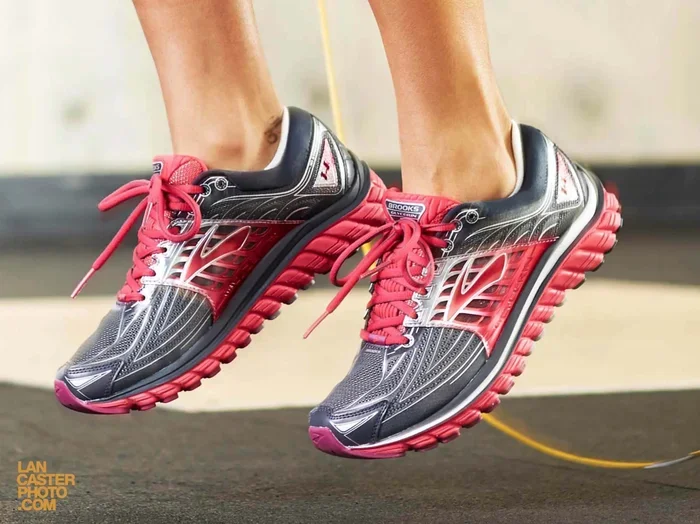
Yes, you can use running shoes for jump rope, but they may not be the best choice. Running shoes offer cushioning and comfort, yet their elevated heels and curved soles can reduce stability during rapid jump rope movements. Choosing the right footwear impacts your performance, joint health, and injury prevention during every jump rope session.
So you grabbed your running shoes and headed to the gym for a jump rope session. Everything feels fine until you notice your feet sliding slightly, or your ankles feel a bit off balance. You start wondering: can I use running shoes for jump rope?
The short answer is yes. You can use running shoes for jump rope. But the better question is whether you should. Running shoes are designed for forward motion, not the quick up-and-down movements that jump rope demands. Understanding the differences helps you make smarter choices about your workout gear.
Jump rope is one of the most effective cardio exercises you can do. It burns calories, improves coordination, and builds endurance. But doing it with the wrong shoes can lead to discomfort, poor performance, or even injury. Let us walk through everything you need to know about using running shoes for jump rope training.
Key Takeaways
- Running shoes work in a pinch: They are better than no shoes at all for light jump rope sessions.
- Elevated heels are a concern: Most running shoes have a curved sole that shifts your weight forward, making jump rope less stable.
- Flat-soled shoes are ideal: Shoes with a flat base give you better ground contact and balance during rope swings.
- Ankle support matters: Jump rope puts repeated stress on your ankles, so proper footwear reduces injury risk.
- Consider cross-training shoes: They combine the best features of running and stability shoes for rope jumping.
- Shoe grip affects safety: A good outsole prevents slipping on gym floors or outdoor surfaces.
- Your workout goals matter: Heavy rope workouts need different shoes than light cardio sessions.
📑 Table of Contents
- Why Footwear Matters for Jump Rope
- Can Running Shoes Work for Jump Rope?
- What Makes a Shoe Good for Jump Rope?
- Running Shoes vs. Other Shoe Types for Jump Rope
- Common Mistakes People Make with Jump Rope Shoes
- Tips to Get the Most Out of Your Jump Rope Sessions
- Expert Insight: What Trainers Recommend
- Conclusion
Why Footwear Matters for Jump Rope
You might think any athletic shoe works fine for jumping. But jump rope is a unique movement. It involves rapid, repetitive impacts that stress your feet, ankles, knees, and hips. The right footwear absorbs shock, provides stability, and keeps you grounded during every rotation of the rope.
When you jump rope, your feet hit the ground dozens of times per minute. Each impact sends force up through your body. Without proper shock absorption, that force accumulates and can cause joint pain over time. This is especially true if you are doing a long jump rope workout for weight loss or endurance.
How Jump Rope Impacts Your Feet and Joints
Jump rope is a high-impact exercise, even though it feels low-impact compared to running. The repetitive bouncing puts constant pressure on your forefoot and heels. Your ankles work hard to stabilize each landing. Over time, poor footwear can lead to shin splints, plantar fasciitis, or ankle sprains.
Running shoes are built to handle forward motion. They cushion your heel and arch as you strike the ground while moving ahead. But jump rope is different. You stay in place, bouncing vertically. This means the parts of the shoe that absorb impact are used differently than what the shoe was designed for.
Can Running Shoes Work for Jump Rope?
Yes, running shoes can work for jump rope, especially if you are just starting out or doing light sessions. They offer comfort, cushioning, and familiarity. Most people already own a pair, which makes them a convenient option.
However, running shoes come with limitations for jump rope. The elevated heel, curved sole, and extra cushioning in the forefoot can actually work against you. They may make you feel less connected to the ground, which affects your balance and timing.
When Running Shoes Are a Good Choice
Running shoes work well for jump rope in certain situations:
- Beginners learning the basics: If you are new to jump rope, comfort matters more than specialized support.
- Light or casual sessions: A short 10-minute warm-up or cool-down does not demand specialized shoes.
- Outdoor jump rope: Running shoes handle varied surfaces better than many flat-soled alternatives.
- When you have no other options: Any shoe is better than jumping barefoot on a hard surface.
If you are doing a quick session at Planet Fitness or a home workout, your running shoes will get the job done. But for serious training, you will want to explore better options.
When Running Shoes Fall Short
There are clear moments when running shoes hold you back during jump rope:
- Heavy rope workouts: Weighted ropes demand more stability from your feet and ankles.
- Speed training: Fast footwork requires a shoe that lets you feel the floor.
- Long sessions: Extended jump rope sessions increase the stress on joints that poor shoes fail to protect.
- HIIT-style workouts: High-intensity interval training with jump rope needs quick lateral movements and firm support.
If you experience foot pain or ankle discomfort during your sessions, your shoes might be the culprit.
What Makes a Shoe Good for Jump Rope?
The best shoes for jump rope share a few key features. They keep your feet stable, absorb impact, and let you feel the ground. Let us break down what to look for when choosing footwear for your rope jumping sessions.
Flat Sole Design
A flat sole is the single most important feature for jump rope shoes. Flat soles give you full ground contact. This means better balance, more accurate foot placement, and reduced risk of ankle rolling. Running shoes typically have a curved or elevated heel, which lifts your foot slightly off the ground and changes your natural posture.
Look for shoes with a completely flat outsole. Cross-training shoes and court shoes often have this design. They were built for movements that go side to side and up and down, which is exactly what jump rope requires.
Cushioning Without Excess
You need some cushioning to absorb the repeated impacts of jumping. But too much cushioning softens your connection to the floor. You lose feedback from the ground, which affects your timing and rhythm.
The sweet spot is moderate cushioning. Enough to protect your joints, but not so much that you feel disconnected. Some minimalist shoes work surprisingly well for jump rope because they let you feel every landing clearly.
Ankle Support and Fit
Your ankles do a lot of work during jump rope. They stabilize every landing and absorb the impact of each jump. Shoes that offer solid ankle support reduce the risk of sprains and fatigue.
A snug fit is essential. Your foot should not slide around inside the shoe. Look for shoes with a firm heel counter and a secure midfoot lockdown. This keeps your foot stable during rapid movements.
Grip and Outsole Quality
Slipping during a jump rope set is not just annoying. It is dangerous. A good outsole with strong grip keeps your feet planted on any surface, whether it is a gym floor, concrete, or a wooden deck.
Look for rubber outsoles with a textured pattern. Avoid shoes with smooth or worn-down soles. If you are jumping on a smooth surface, grip becomes even more critical.
Running Shoes vs. Other Shoe Types for Jump Rope
Not all athletic shoes are created equal for jump rope. Let us compare running shoes with other popular options so you can see the differences clearly.
| Feature | Running Shoes | Cross-Training Shoes | Barefoot Shoes | Basketball Shoes |
|---|---|---|---|---|
| Cushioning | High | Moderate | Low | High |
| Sole Flatness | Curved heel | Flat | Flat | Flat |
| Ankle Support | Moderate | Good | Minimal | Excellent |
| Ground Feel | Poor | Good | Excellent | Moderate |
| Best For | Light sessions | Serious training | Advanced users | Heavy ropes |
| Weight | Light | Moderate | Very Light | Heavy |
Cross-training shoes are often the best overall choice for jump rope. They combine flat soles, moderate cushioning, and solid ankle support. They are designed for the kind of multi-directional movements that rope jumping demands.
Barefoot shoes are another interesting option. They give you maximum ground feel and natural foot movement. However, they offer very little cushioning, so they are best for experienced jumpers with strong ankles. If you are considering barefoot-style shoes, start slowly and build up your tolerance.
Common Mistakes People Make with Jump Rope Shoes
Even experienced fitness enthusiasts make shoe mistakes when it comes to jump rope. Here are some errors to avoid.
Wearing Brand-New Running Shoes
Brand-new running shoes have stiff soles that have not yet conformed to your foot shape. They feel different and can throw off your balance during jump rope. If you plan to use running shoes for jump rope, wear them for a few walks first to break them in.
Ignoring Shoe Wear and Tear
Worn-out shoes lose their cushioning and grip. The outsole thins over time, and the midsole compresses and stops absorbing shock effectively. If your running shoes have seen hundreds of miles, they may not protect you during jump rope anymore. Check your shoes regularly and replace them when the soles look smooth or worn.
Choosing Style Over Function
It is tempting to pick shoes based on how they look. But for jump rope, function should always come first. A stylish shoe with a curved sole and excessive cushioning will hold you back. Prioritize performance features every time.
Jumping Barefoot on Hard Surfaces
Some people prefer jumping barefoot, and it can work on soft surfaces like grass or rubber gym flooring. But on hard concrete or tile, barefoot jumping puts you at risk for bruising, stress fractures, and joint pain. Always wear shoes on hard surfaces.
Tips to Get the Most Out of Your Jump Rope Sessions
Great footwear is just one piece of the puzzle. Here are some practical tips to improve your jump rope experience.
- Start with a proper warm-up: Light jogging or dynamic stretches prepare your joints for the impact of jumping.
- Use the right rope length: A rope that is too long or too short affects your rhythm and form. Check guides on how long of a jump rope should I use to find your ideal size.
- Jump on the right surface: Wooden floors, rubber mats, and gym surfaces work best. Avoid concrete when possible.
- Land softly on the balls of your feet: This reduces impact and protects your joints.
- Keep sessions progressive: If you are new, start with short intervals and build up gradually. Learn more about how long you should jump rope for weight loss to set realistic goals.
- Protect your knees: Use proper landing technique and consider knee support if you feel discomfort. Read tips on how to jump rope without hurting your knees for guidance.
If you are new to jump rope and looking for a gym to practice in, check out options for where you can use a treadmill for free or similar spaces that also allow rope work. Many gyms welcome jump rope as part of their cardio equipment lineup.
Expert Insight: What Trainers Recommend
Fitness professionals generally agree that the best shoes for jump rope are flat, lightweight, and supportive. Many trainers recommend cross-training shoes or specific jump rope shoes designed for the sport. These shoes combine flat soles with responsive cushioning and durable outsoles.
Trainers also emphasize that shoe choice depends on your fitness level and goals. A beginner does not need to invest in expensive specialty shoes right away. A comfortable pair of running shoes works fine for getting started. But as you progress and increase your training intensity, upgrading to proper jump rope footwear becomes more important.
One trainer shared that she sees the most injuries from people using running shoes for heavy rope workouts. The elevated heel and curved sole create an unstable base, especially during fast-paced sessions. Switching to flat-soled cross-training shoes made a noticeable difference in her clients’ comfort and performance.
If you are serious about jump rope as part of your fitness routine, consider building a small collection of workout gear that includes proper shoes. Pair your training with a good rope, a comfortable mat, and consistent practice. You can even find affordable ropes at local sports stores or online retailers that specialize in where to buy a jump rope near you.
Conclusion
So, can you use running shoes for jump rope? Absolutely. They are a workable option, especially for beginners or casual sessions. But they are not the ideal choice for serious or frequent training. Running shoes have features like elevated heels and curved soles that work against the stability and ground feel that jump rope demands.
The best approach is to understand your needs. If you are doing light sessions at home or at the gym, your running shoes will serve you fine. But if you are training regularly, doing heavy rope workouts, or experiencing joint discomfort, it is time to invest in proper footwear. Cross-training shoes are the best all-around option for most people.
Your feet, ankles, and knees work hard during every jump rope session. Give them the support they deserve. Choose the right shoes, use proper form, and enjoy the incredible benefits of this simple yet powerful exercise.
Frequently Asked Questions
Can I use running shoes for jump rope every day?
You can, but daily use of running shoes for jump rope may cause discomfort over time. The elevated heel and curved sole of most running shoes do not provide the stability that repetitive jumping demands. If you plan to jump rope daily, consider investing in flat-soled cross-training shoes for better support and injury prevention.
What is the difference between running shoes and jump rope shoes?
Running shoes are designed for forward motion with cushioned heels and curved soles. Jump rope shoes need a flat sole for ground contact, moderate cushioning for impact absorption, and strong ankle support for stability. The key difference is that running shoes prioritize forward comfort, while jump rope shoes prioritize lateral stability and ground feel.
Are barefoot shoes good for jump rope?
Barefoot shoes can work well for experienced jumpers with strong ankles and good form. They offer excellent ground feel and natural foot movement. However, they lack cushioning, which may not suit beginners or those jumping on hard surfaces for extended periods. Start with moderate cushioning and transition to barefoot-style shoes as your strength and technique improve.
Can I jump rope in basketball shoes?
Basketball shoes can work for jump rope in a pinch. They offer good ankle support and flat soles. However, they tend to be heavier and bulkier than ideal jump rope footwear. The extra weight may slow your footwork during fast-paced sessions. If basketball shoes are all you have, they will get the job done for moderate-intensity workouts.
How do I know if my shoes are worn out for jump rope?
Check the outsole for smooth or worn-down tread. Press the midsole with your thumb. If it feels flat and unresponsive, the cushioning is compressed. Also, pay attention to how your feet feel after a session. Any new foot pain, ankle discomfort, or instability is a sign that your shoes are no longer providing adequate support.
Should I wear socks or go barefoot inside my jump rope shoes?
Always wear socks. Socks reduce friction, prevent blisters, and add a thin layer of cushioning between your foot and the shoe. Choose moisture-wicking athletic socks that fit snugly without bunching. Going barefoot inside shoes can lead to sweat buildup, odor, and skin irritation over time.