How Do You Use a Chinese Jump Rope
Using a Chinese jump rope is easier than it looks. This guide covers everything from basic setup to advanced patterns, so you can start jumping with confidence. You will learn the essential moves, common mistakes to avoid, and proven tips to improve your skills fast.
So you have heard about Chinese jump rope and want to know how to actually use one? You are in the right place. This guide walks you through everything from setup to advanced patterns. Whether you are a complete beginner or looking to level up your skills, you will find practical tips here. Let us dive in and make Chinese jump rope easy to understand.
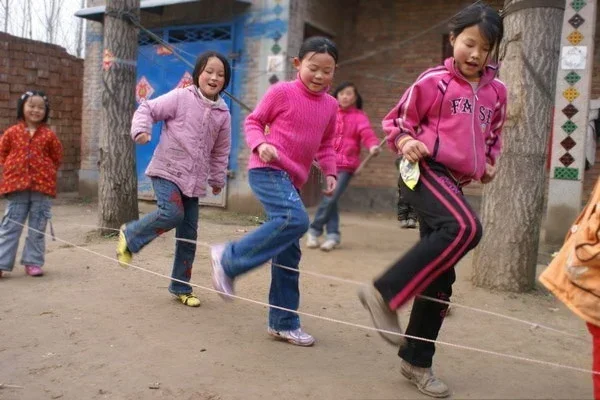
A Chinese jump rope is not your average jump rope. It uses a long elastic band instead of a standard rope. Two people hold the band around their ankles while a third person jumps in and out of the pattern. It is a fun, challenging game that builds coordination, agility, and endurance. People of all ages love it, from young kids to adults looking for a new jump rope exercise.
What makes Chinese jump rope so appealing is its simplicity. You need very little equipment, almost no space, and zero experience to start. Yet it can become incredibly complex as you learn more patterns. In this article, we cover every step you need to get started and keep improving.
Key Takeaways
- Simple Setup: All you need is an elastic band and two people to hold it. No expensive equipment required.
- Beginner-Friendly: Start with basic in-and-out patterns and build up to advanced moves over time.
- Full-Body Workout: Chinese jump rope strengthens your legs, improves coordination, and boosts cardiovascular fitness.
- Low Impact: Unlike regular jump rope, the elastic band stays low to the ground, reducing stress on your joints.
- All Ages Welcome: Kids, teens, and adults can all enjoy and benefit from this versatile game.
- Quick Progress: With consistent practice, you can master complex patterns within weeks.
📑 Table of Contents
What Is a Chinese Jump Rope?
A Chinese jump rope is a fitness game that uses a long elastic band, usually made from rubber or stretchy material. The band forms a loop that two people hold around their feet while another person jumps through different patterns. Think of it as a mix between hopscotch and jump rope exercises.
The origins of this game trace back to China, where it has been played for centuries. Today, it is popular worldwide in schools, playgrounds, and fitness routines. Unlike regular jump rope, the Chinese version does not require swinging a rope over your head. Instead, the elastic band stays low to the ground, making it easier on your joints.
This makes Chinese jump rope a great option for people who want the benefits of jump rope cardio without the impact. It also works well as a group exercise because you need at least two people to hold the band. Kids especially love it because it feels more like a game than a workout.
How to Set Up Your Chinese Jump Rope
Setting up your Chinese jump rope is simple. You only need one piece of equipment: a long elastic band. Most bands are about 10 to 16 feet long and made from rubber or latex. You can buy them pre-made or make your own with elastic at home.
Here is what you need to get started:
- An elastic band — at least 10 feet long for most adults
- Two people to hold the band (the “turners”)
- One person to jump (the “jumper”)
- A flat, open space — you need enough room to move your feet freely
When it comes to space, you do not need a lot. A clear area about 6 feet by 6 feet is usually enough. If you are wondering about how much room you need to jump rope, the answer is surprisingly little for Chinese jump rope. The band stays close to the ground, so you only need a small square of floor space.
Make sure the surface is flat and not slippery. A gym floor, driveway, or backyard works well. Avoid carpet with deep pile because it can slow the band down and make it harder to jump cleanly.
Choosing the Right Band Length
The length of your elastic band matters. If the band is too short, it will be hard for the turners to hold it comfortably. If it is too long, the band will sag and make the patterns harder to perform. As a general rule, the band should reach from the ground to about chest height when held taut by two people standing about 6 feet apart.
If you are unsure about how long your jump rope should be, start with a 12-foot band. This length works well for most people and gives you room to adjust as you get more comfortable with the game.
Basic Moves and Patterns for Beginners
Once you have your band set up, it is time to learn the basics. Start with these simple Chinese jump rope moves to build your confidence and coordination.
Move 1: Basic In and Out
This is the simplest pattern and the perfect starting point. The two turners hold the band around their ankles with their feet about shoulder-width apart. The jumper stands in the center and jumps both feet in, then both feet out of the band. That is one complete cycle.
Keep your jumps small and light. You do not need to jump high. Just lift your feet enough to clear the band. Focus on rhythm and timing. Once you can do 10 in-and-outs smoothly, you are ready to move on to the next pattern.
Move 2: Side to Side
In this pattern, the band moves from side to side instead of in and out. The turners shift the band to the left, and the jumper hops to the left. Then the band shifts right, and the jumper hops right. This jump rope exercise helps build lateral agility and balance. It also trains your footwork training skills in a fun way.
Move 3: Front and Back
This pattern adds a new dimension to your jumping. The band moves forward and backward. The jumper hops forward when the band moves forward and backward when it moves back. It requires a bit more timing, but it is a fun challenge once you get the hang of it. This is a great next step after mastering the basic in-and-out.
Move 4: The Scissors
The scissors pattern is a step up in difficulty. The turners open and close the band like scissors — one foot moves apart while the other comes together. The jumper must time their jumps to match the opening and closing of the band. Start slow and practice each pattern for at least 5 minutes before moving to the next one. Consistency matters more than speed at this stage.
Intermediate and Advanced Techniques
Once you have mastered the basic patterns, you can start exploring more complex Chinese jump rope techniques. These moves require better timing, footwork, and coordination.
Pattern Combinations
One of the best ways to challenge yourself is to combine patterns. Try doing two in-and-outs, then two side-to-sides, then switch to front-and-back. The turners can change the pattern every few jumps to keep you on your toes. This builds agility training and sharpens your hand-eye coordination in real time.
Higher Bands
As you improve, you can raise the band higher — from the ankles to the knees, then the waist, then the chest. Higher bands require bigger jumps and more precision. This progression is a great way to build lower body strength and explosive power. It also adds a new level of difficulty that keeps the game exciting.
Complex Patterns
Advanced players can try patterns like the “diamond,” where the jumper moves their feet in a diamond shape inside the band, or the “roller,” where the band rolls from the feet up to the knees in a smooth motion. These patterns take weeks or even months to master, but they are incredibly satisfying once you nail them. Many players also enjoy creating their own jump rope tricks and sharing them with friends.
Expert insight: Many people who play Chinese jump rope regularly notice significant improvements in their jump rope skills for regular rope jumping too. The footwork and timing you develop transfer directly to standard jump rope exercises. If you want to compare the two, consider trying both and seeing which style fits your fitness goals better.
Chinese Jump Rope vs Regular Jump Rope
| Feature | Chinese Jump Rope | Regular Jump Rope |
|---|---|---|
| Equipment | Elastic band only | Rope with handles |
| Players Needed | Minimum 2 | 1 or more |
| Impact Level | Low | Medium to high |
| Space Required | Small (6×6 feet) | Small to medium |
| Best For | Coordination, group play | Cardio, solo workouts |
| Learning Curve | Easy to start, hard to master | Moderate from the start |
| Joint Stress | Low | Moderate |
Benefits of Using a Chinese Jump Rope
Chinese jump rope is not just a fun game — it delivers real fitness benefits. Here are some of the key advantages:
- Improves coordination: Jumping through different patterns trains your brain and body to work together. This coordination training benefits athletes in many sports, from basketball to dance.
- Boosts cardiovascular fitness: Even though it looks gentle, Chinese jump rope gets your heart rate up. It is an excellent form of jump rope cardio that can help you burn calories burned from jump rope without high impact.
- Builds agility and quickness: The constant jumping and direction changes improve your reaction time and foot speed. This is especially valuable for athletes in sports that require quick lateral movement.
- Strengthens lower body muscles: Your calves, quads, hamstrings, and glutes all work hard during every session. These are the same muscles you use when you jump rope in standard rope jumping.
- Enhances balance: Standing on one foot or hopping sideways challenges your balance and stabilizer muscles. Over time, this improves your overall stability and posture.
- Great for all ages: Unlike many high-impact exercises, Chinese jump rope is gentle enough for kids and challenging enough for adults. It is a perfect family activity that everyone can enjoy together.
Compared to regular jump rope, Chinese jump rope puts less stress on your knees and ankles because you do not jump as high. This makes it a great option for people recovering from injuries or those who want a lower-impact cardio exercise. It is also an excellent choice for jump rope for kids who are still developing their coordination and strength.
Common Mistakes and How to Fix Them
Even with a simple game like Chinese jump rope, beginners tend to make a few common mistakes. Here are the ones to watch out for:
- Jumping too high: The band stays close to the ground. You only need small, quick jumps. Jumping too high wastes energy and slows you down. Keep your jumps low and efficient.
- Looking down too much: It is natural to stare at your feet, but this throws off your balance. Try to keep your eyes forward and use peripheral vision to track the band.
- Rushing the patterns: Many beginners try to go fast before they have the timing right. Slow down and focus on accuracy first. Speed will come naturally with practice.
- Ignoring the turners: Communication with the turners is key. If the band is moving too fast or too slow, speak up and adjust together. A good rhythm benefits both the turners and the jumper.
- Skipping warm-ups: Your ankles, calves, and knees do a lot of work. Always warm up with light stretches and a few easy jumps before starting complex patterns.
If you want to know how long you should jump rope as a beginner, start with just 10 to 15 minutes per session. As your stamina builds, you can gradually increase the duration. Most people find that 20 to 30 minutes of Chinese jump rope provides an excellent workout. Listen to your body and take breaks when needed.
Quick tip: One of the best ways to improve is to practice the basic in-and-out pattern until it feels automatic. This solid foundation makes every advanced pattern easier to learn. Think of it as building a strong base before adding floors to a house.
Quick tip: If you do not have a partner to hold the band, you can tie one end to a sturdy post or chair and practice solo. It is not the same as having a partner, but it helps you work on your jumping technique and timing on your own.
Now that you know the basics, you might wonder about the fitness side of things. How many calories burned from jump rope sessions can you expect? While exact numbers vary based on your weight and intensity, jump rope exercises in general can burn between 10 and 16 calories per minute. Chinese jump rope may burn slightly fewer calories than standard rope jumping because the jumps are smaller, but it still provides a meaningful workout, especially over longer sessions. If you want detailed numbers, check out our guide on how many calories you burn from jump rope for more specific information.
If you are curious about how long you should jump rope as a beginner, keep in mind that consistency beats intensity. Short daily sessions will beat one long session per week every time. Your body adapts to rhythmic jumping best when you practice regularly.
One final thing to keep in mind: Chinese jump rope is meant to be fun. Do not get discouraged if a pattern takes time to learn. Every expert was once a beginner. The joy of this game comes from the process of getting better, not from perfection on day one. Grab an elastic band, find a partner, and start jumping. Your coordination, fitness, and fun will all grow with every session.
Conclusion
Chinese jump rope is one of the most versatile and enjoyable fitness tools you can use. It requires minimal equipment, works for all ages, and delivers real results for coordination, cardio, and lower body strength. Whether you are a kid just discovering the game or an adult looking for a fresh jump rope exercise, there is always something new to learn.
Start with the basics, practice consistently, and gradually work your way up to more complex patterns. The journey from beginner to advanced is rewarding and fun. Remember to communicate with your turners, keep your jumps low and controlled, and most importantly, enjoy the process. With dedication and a little practice, you will be mastering impressive jump rope patterns in no time.
Frequently Asked Questions
Is Chinese jump rope hard to learn?
Not at all. The basic patterns are very simple and easy to pick up within minutes. You start with basic in-and-out jumps and gradually progress to more complex moves. The learning curve is gentle at the beginning and gets more challenging as you advance.
What age is Chinese jump rope suitable for?
Chinese jump rope is suitable for virtually all ages. Children as young as 5 can enjoy the basic patterns, while teenagers and adults can challenge themselves with advanced techniques. It is one of the few fitness activities that genuinely works for every age group.
Can Chinese jump rope help with weight loss?
Yes, it can. While the jumps are smaller than regular rope jumping, Chinese jump rope still provides a solid cardio workout. Combined with a healthy diet and consistent practice, it can contribute to weight loss. The exact calories burned from jump rope depend on your intensity and body weight.
Do you need special equipment for Chinese jump rope?
No special equipment is needed. All you need is a long elastic band, which you can buy online or make at home. The band should be at least 10 feet long and made from durable rubber or latex. That is it — no ropes, no handles, no fancy gear.
How long does it take to get good at Chinese jump rope?
Most people can learn the basic patterns within a few sessions of practice. Intermediate patterns may take a few weeks of consistent effort. Advanced patterns can take months to master, but the journey is part of the fun. Regular practice, even just 10 to 15 minutes a day, leads to steady improvement.
Can Chinese jump rope be done alone?
It is designed for at least two people, since one person needs to hold the band. However, you can tie one end of the band to a sturdy post or door handle and practice solo. Solo practice is great for working on your jumping technique and timing, though it is not quite the same as playing with a partner.