How Does Jump Rope Help You Lose Weight

Jump rope is one of the most efficient cardio exercises for burning calories and shedding pounds fast. It torches up to 1,300 calories per hour, boosts your metabolism, and works your entire body in a short time. Whether you are a beginner or a fitness pro, jump rope weight loss routines can fit any lifestyle and deliver real results.
Key Takeaways
- High Calorie Burn: Jump rope burns more calories per minute than running, cycling, and swimming.
- Full Body Workout: It engages your legs, core, arms, and shoulders simultaneously for maximum fat loss.
- Metabolism Boost: The afterburn effect keeps your body burning calories long after you stop jumping.
- Easy to Start: You need minimal equipment and space to begin a jump rope routine today.
- Low Cost: A quality jump rope costs less than most gym memberships or fitness equipment.
- Scalable Intensity: You can adjust speed and duration to match your fitness level and goals.
📑 Table of Contents
Why Jump Rope Is a Powerful Weight Loss Tool
You have probably seen people jumping rope at the park or in boxing gyms and wondered if it really works for weight loss. The answer is a strong yes. How does jump rope help you lose weight? It combines high-intensity cardio with full-body engagement in a way few exercises can match.
Jump rope is not just a playground activity anymore. Athletes, fitness trainers, and everyday people use it to torch calories and transform their bodies. It is simple, portable, and incredibly effective. If you want a workout that delivers results without spending hours at the gym, jump rope deserves your attention.
What makes jump rope so special? First, it raises your heart rate fast. Second, it works almost every muscle group at once. Third, it is easy to scale up or down based on your fitness level. You can burn serious calories in as little as 15 to 20 minutes. That makes it perfect for busy schedules.
Many people also enjoy jump rope because it feels more like play than work. Unlike staring at a treadmill, you are learning tricks, building coordination, and having fun. This mental benefit keeps you motivated and coming back for more. Consistency is the real key to any weight loss journey, and jump rope makes that easier.
The Science Behind Rope Jumping for Fat Loss
When you jump rope, your body burns a lot of energy. Your heart pumps faster, your muscles contract repeatedly, and your lungs work harder. This combination creates a massive calorie deficit, which is what drives weight loss.
Studies show that jump rope cardio can burn 10 to 16 calories per minute. That means a 30-minute session can burn 300 to 500 calories depending on your weight and intensity. Compare that to jogging, which burns roughly 10 calories per minute at a moderate pace.
The key is intensity. A fast-paced jump rope session pushes your body into a high-intensity zone. This triggers your cardiovascular system and forces your muscles to work harder. Over time, your body becomes more efficient at burning fat even at rest. That is the real magic of consistent jump rope training.
How Many Calories Does Jump Rope Burn?
The calorie burn from jump rope is impressive. Let us look at the numbers so you can see why it is such a popular choice for weight loss.
A person weighing 155 pounds can expect to burn roughly:
- 10 minutes of jumping: 100 to 160 calories
- 20 minutes of jumping: 200 to 320 calories
- 30 minutes of jumping: 300 to 480 calories
- 60 minutes of jumping: 600 to 960 calories
These numbers depend on your weight, intensity level, and the type of jump rope you use. Heavier people burn more calories because their bodies work harder. But even at a moderate pace, the burn is significant.
If you want to maximize your results, try alternating between fast jumps and slow recovery jumps. This interval training style keeps your heart rate elevated and burns more fat. It is one of the best strategies for anyone serious about losing weight with jump rope.
Comparing Jump Rope to Other Cardio Exercises
Not all cardio is created equal. Here is how jump rope stacks up against some popular exercises:
- Running (6 mph): Burns about 600 calories per hour. Good, but jump rope beats it.
- Cycling (moderate): Burns about 400 to 500 calories per hour. Jump rope is faster.
- Swimming: Burns about 400 to 700 calories per hour. Close, but jump rope is more convenient.
- Jump Rope (moderate to fast): Burns 700 to 1,300 calories per hour. The clear winner.
Jump rope wins on calorie burn, convenience, and cost. You do not need a gym membership, a pool, or expensive gear. Just grab a rope and start. For more details on how jump rope compares to other methods, check out our guide on how much weight can you lose with jump rope.
How Jump Rope Boosts Your Metabolism
One of the biggest advantages of jump rope for weight loss is its effect on your metabolism. After an intense session, your body continues to burn calories at an elevated rate. This is called the afterburn effect, or excess post-exercise oxygen consumption (EPOC).
When you finish jumping, your body works hard to restore oxygen levels, repair muscles, and return to its resting state. All of this takes energy, which means you keep burning fat even after you stop. This is a huge benefit for anyone trying to lose weight.
Jump rope is particularly effective for this because it is a high-intensity exercise. The more intense your workout, the longer and stronger the afterburn effect lasts. Studies suggest that high-intensity sessions can boost your metabolic rate for hours after you exercise.
Building Lean Muscle While Losing Fat
Jump rope does more than burn calories. It also helps you build lean muscle, especially in your legs, calves, and core. More muscle means a higher resting metabolic rate. In simple terms, you burn more calories even when you are sitting on the couch.
This is why jump rope training is so effective for long-term weight management. You are not just losing weight temporarily. You are changing your body composition for the better. Fat decreases, muscle increases, and your metabolism gets a permanent boost.
To get the most muscle-building benefit, focus on maintaining good form. Keep your core tight, your elbows close to your body, and your jumps light. Land on the balls of your feet to protect your joints and engage your lower muscles more effectively.
How to Use Jump Rope for Weight Loss
Knowing that jump rope works is one thing. Actually doing it consistently is another. Here is how to build a jump rope routine that delivers real weight loss results.
Creating Your Jump Rope Routine
Start with a simple plan and build from there. Here is a beginner-friendly weekly routine:
- Week 1: Jump for 5 minutes, rest for 1 minute. Repeat 3 times. Total: 15 minutes.
- Week 2: Jump for 8 minutes, rest for 1 minute. Repeat 3 times. Total: 24 minutes.
- Week 3: Jump for 10 minutes, rest for 1 minute. Repeat 4 times. Total: 40 minutes.
- Week 4: Jump for 15 minutes, rest for 1 minute. Repeat 3 times. Total: 45 minutes.
As you get stronger, you can reduce rest periods and increase jump time. The goal is to work up to 30 to 45 minutes of continuous or interval jumping per session, 4 to 5 days per week.
For a more specific timeline on how long to jump rope for results, visit our article on how long should you jump rope to lose weight. It covers duration in detail and helps you set realistic goals.
Best Jump Rope Techniques for Burning Fat
Not all jump rope techniques are equal when it comes to fat loss. Here are the most effective ones to try:
- Basic Bounce: The foundation of all jump rope workouts. Keep your jumps low and your rhythm steady.
- Double Unders: The rope passes under your feet twice per jump. This is advanced and extremely intense.
- High Knees Jump: Lift your knees high while jumping. It targets your core and burns more calories.
- Alternate Foot Step: Mimics running in place. Great for beginners building endurance.
- Boxer Step: Shift your weight side to side while jumping. Easy on the joints and fun to do.
Mix and match these techniques in your sessions to keep things interesting and challenge your body in new ways. Variety prevents boredom and keeps your muscles guessing, which accelerates fat loss.
Common Mistakes to Avoid When Jumping Rope for Weight Loss
Jump rope is simple, but there are mistakes that can slow your progress or even cause injury. Here are the most common ones to watch out for.
- Jumping Too High: You only need an inch or two off the ground. Higher jumps waste energy and strain your joints.
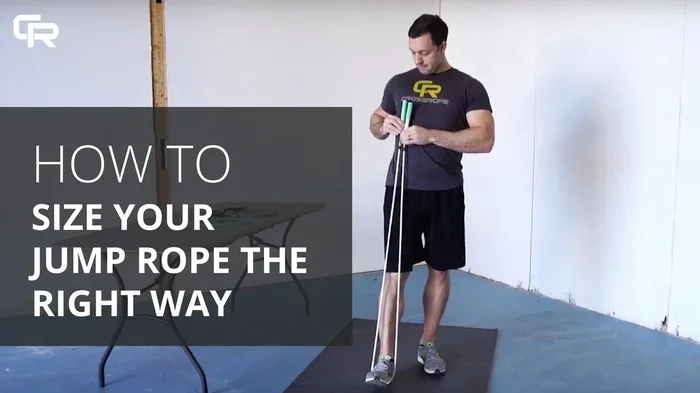
- Using the Wrong Rope Length: A rope that is too long or too short makes jumping harder and less efficient. Step on the middle of the rope and pull the handles up. They should reach your armpits.
- Ignoring Warm-Ups: Cold muscles are injury-prone muscles. Always warm up for 3 to 5 minutes before jumping.
- Skipping Rest Days: Your body needs time to recover and rebuild. Overtraining leads to burnout and injuries. Rest 1 to 2 days per week.
- Poor Posture: Keep your back straight, shoulders relaxed, and core engaged. Slouching reduces effectiveness and can cause back pain.
Avoiding these mistakes will keep you safe and make your workouts more productive. Remember, consistency beats intensity every time. A moderate, well-formatted routine done regularly will always beat an extreme routine done sporadically.
How Often Should You Jump Rope?
The frequency of your jump rope sessions matters a lot. For weight loss, aim for 4 to 5 sessions per week. If you are just starting, 3 sessions is plenty. Listen to your body and increase gradually.
For more guidance on frequency, check out our detailed article on how often should you jump rope to lose weight. It covers scheduling, recovery, and how to adjust your routine as you progress.
Final Thoughts
Jump rope is one of the best tools you can use for weight loss. It burns a ton of calories, boosts your metabolism, builds lean muscle, and fits into any lifestyle. You do not need a gym, expensive equipment, or hours of free time. A rope, a small space, and a few minutes each day are all it takes.
The beauty of jump rope lies in its simplicity and effectiveness. It is a workout that anyone can start today and scale over time. Whether you are jumping for 10 minutes or 45 minutes, every session moves you closer to your goals.
So grab a rope, find your rhythm, and start jumping. Your body will thank you. The journey to a healthier, lighter you starts with a single hop. Keep going, stay consistent, and trust the process. Jump rope weight loss works because it combines science, simplicity, and sustainability in one powerful exercise.
Frequently Asked Questions
How long does it take to see weight loss results from jump rope?
Most people notice changes within 2 to 4 weeks of consistent jump rope training. Results depend on your diet, frequency, and intensity. Pairing jump rope with a balanced diet accelerates your progress significantly.
Can jump rope reduce belly fat specifically?
Spot reduction is a myth. Jump rope burns fat all over your body, including your belly. It creates a calorie deficit, which is the only way to lose fat from any area. Consistent sessions combined with healthy eating will reduce belly fat over time.
Is jump rope safe for beginners?
Yes, jump rope is very beginner-friendly. Start with short sessions of 5 to 10 minutes and focus on proper form. Use a rope that reaches your armpits when you step on the middle. Gradually increase duration as your coordination and stamina improve.
What type of jump rope is best for weight loss?
A weighted speed rope or a basic beaded rope works great for weight loss. Weighted ropes add resistance and increase calorie burn. Beaded ropes are durable and glide smoothly, making them ideal for beginners and advanced users alike.
How many calories does 10 minutes of jump rope burn?
A 10-minute jump rope session burns approximately 100 to 160 calories depending on your weight and intensity. This makes it one of the most calorie-efficient exercises per minute compared to running, cycling, and swimming.
Can I lose weight by jumping rope every day?
Jumping rope every day can work for weight loss, but rest days are important for recovery. Aim for 4 to 5 days per week and allow 1 to 2 rest days. Listen to your body and adjust intensity to prevent overuse injuries and burnout.