How Long Should You Do the Rowing Machine

So how long should you do the rowing machine? Most experts recommend 20 to 40 minutes per session, 3 to 5 times a week. The right rowing machine duration depends on your fitness level, goals, and experience. Whether you want to build endurance, burn calories, or stay fit, this guide covers everything you need to know about rowing machine workout time and how to get the most out of every stroke.
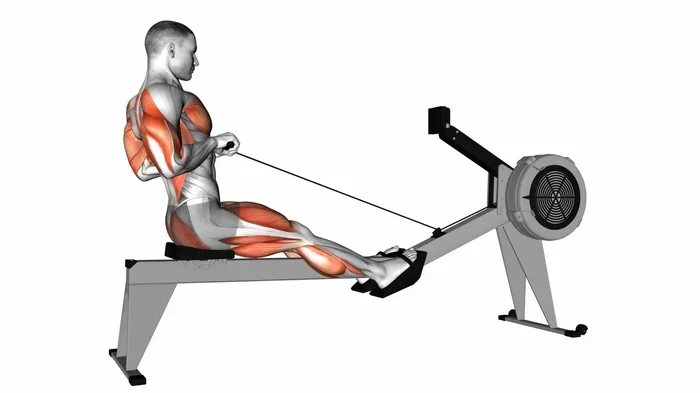
Rowing machines are one of the most underrated pieces of workout equipment out there. They hit your arms, legs, back, and core all at once. Plus, they deliver a serious cardio workout without pounding your joints. But here is the question that keeps coming up: how long should you do the rowing machine to see real results?
The answer is not a one-size-fits-all number. Your ideal rowing machine duration depends on several factors, including your fitness level, goals, and schedule. In this guide, we break it all down so you can train smarter, not harder. Whether you are just starting out or looking to push your limits, you will find clear, practical advice ahead.
Key Takeaways
- Start with 20 minutes: Beginners should aim for 20-minute sessions and gradually increase duration as fitness improves.
- 3 to 5 sessions per week: This frequency delivers the best balance of results and recovery for most people.
- Match duration to goals: Weight loss, endurance, and strength training each require different rowing machine time per session.
- Quality beats quantity: Proper form and consistent effort matter more than long sessions on the machine.
- Listen to your body: Rest days and recovery are just as important as your rowing machine routine.
- Track your progress: Use time, distance, and intensity to measure improvement over weeks and months.
📑 Table of Contents
- Why Duration Matters for Your Rowing Machine Workout
- How Long Should You Do the Rowing Machine for Different Goals
- How Often Should You Row?
- Sample Rowing Machine Workout Plans
- Common Mistakes That Waste Your Time on the Rowing Machine
- Expert Tips to Maximize Every Minute on the Rowing Machine
- How Long Until You See Results?
- Final Thoughts
Why Duration Matters for Your Rowing Machine Workout
The amount of time you spend on a rowing machine exercise time directly affects your results. Too short, and you may not challenge your body enough. Too long, and you risk burnout or injury. Finding the sweet spot is key to making consistent progress.
Think of it like cooking a steak. You want it cooked just right. Undercook it, and it is raw. Overcook it, and it is ruined. The same logic applies to your rowing machine session length. You need enough time to warm up, work hard, and cool down properly.
How Your Body Responds to Rowing Duration
During the first few minutes of rowing, your body warms up. Your heart rate climbs. Your muscles start firing. Around the 10-minute mark, you hit your steady-state cardio zone. This is where the real benefits kick in. Your body burns calories, builds endurance, and strengthens your cardiovascular system.
After about 20 minutes, your body starts tapping into fat stores for fuel. This is why most fitness experts recommend at least 20 minutes per session. Going beyond 40 minutes can be effective for advanced athletes, but it is not necessary for everyone.
How Long Should You Do the Rowing Machine for Different Goals
Your goal shapes your rowing machine workout plan. Let us look at what different targets mean for your time on the machine.
For Weight Loss
If your main goal is to burn calories and lose weight, aim for 30 to 45 minutes per session. Rowing at a moderate to vigorous intensity can help you torch a significant number of calories burned on rowing machine sessions. The longer you row, the more energy you expend.
However, do not just chase the clock. Intensity matters too. A 30-minute high-intensity interval session can burn more than a 45-minute steady pull. Mix it up to keep your body guessing and your workouts exciting.
For Endurance Building
Building endurance means training your body to sustain effort over longer periods. For this goal, aim for 40 to 60 minutes at a moderate pace. This type of rowing machine routine trains your heart and lungs to work more efficiently.
Start with shorter sessions if you are new to this. Gradually add 5 minutes each week. Over time, you will notice you can row longer without feeling exhausted. That is real progress.
For General Fitness and Health
If you just want to stay active and healthy, 20 to 30 minutes is a solid target. This amount of rowing machine time per session provides excellent cardiovascular benefits, strengthens major muscle groups, and boosts your mood. It also fits easily into a busy schedule.
For Beginners
If you are just getting started, keep your sessions short. 20 minutes is a great starting point. Focus on learning proper form and building a habit. You can always add more time as you get stronger and more comfortable. Check out our guide on how long a beginner should use a rowing machine for more tailored advice.
How Often Should You Row?
Duration is only half the equation. Frequency matters just as much. So how often should you hit the machine each week?
For most people, 3 to 5 sessions per week is the sweet spot. This gives your body enough stimulus to improve while allowing adequate recovery time. Here is a simple breakdown:
- 3 days per week: Great for beginners or those with busy schedules. Allows plenty of rest between sessions.
- 4 days per week: Ideal for intermediate rowers who want steady progress.
- 5 days per week: Best for advanced users with specific performance goals.
Remember that rest days are not lazy days. Your muscles grow and recover on rest days. Skipping them can lead to overtraining and burnout. For more on frequency, check out our article on how often you should row on a rowing machine.
Sample Rowing Machine Workout Plans
Not sure what your sessions should look like? Here are three sample plans based on different time commitments.
Plan 1: The 20-Minute Beginner Session
- Warm up: 3 minutes at an easy pace
- Main set: 12 minutes at moderate intensity
- Cool down: 5 minutes at a relaxed pace
Plan 2: The 30-Minute Fat-Burn Workout
- Warm up: 4 minutes easy rowing
- Intervals: 20 minutes (1 minute hard, 1 minute easy)
- Cool down: 6 minutes easy rowing
Plan 3: The 45-Minute Endurance Row
- Warm up: 5 minutes easy pace
- Steady state: 30 minutes at a consistent moderate pace
- Cool down: 10 minutes relaxed rowing
Each of these plans gives you a clear structure. You know exactly how long to spend on the machine and what intensity to maintain. Consistency with any of these plans will deliver results over time.
Common Mistakes That Waste Your Time on the Rowing Machine
Even with the right duration, bad habits can sabotage your progress. Here are the most common mistakes people make:
- Skipping the warm-up: Jumping straight into hard rowing increases injury risk. Always take 3 to 5 minutes to ease in.
- Rounding the lower back: This puts unnecessary strain on your spine. Keep your core engaged and posture tall throughout each stroke.
- Using only your arms: The rowing machine is a full-body exercise. Your legs should power about 60% of each stroke.
- Going too fast too soon: Speed does not equal effectiveness. Focus on smooth, controlled movements first.
- Ignoring rest days: More is not always better. Your body needs time to recover and adapt to the training stimulus.
Avoid these pitfalls, and your rowing machine workout time will be far more productive.
Expert Tips to Maximize Every Minute on the Rowing Machine
Want to get the most out of your time on the machine? Here are some expert-backed tips to help you do just that.
Focus on Stroke Rate and Power
Aim for a stroke rate of 24 to 30 strokes per minute for most workouts. This range gives you a good balance of effort and sustainability. More is not always better. A controlled, powerful stroke beats a fast, sloppy one every time.
Use Interval Training
Alternating between high and low intensity keeps your heart rate elevated and burns more calories in less time. Try 30 seconds of all-out effort followed by 90 seconds of easy rowing. Repeat for 15 to 20 minutes. This method is incredibly effective for people short on time.
Track Your Progress
Use the data on your rowing machine monitor. Track your distance, time, and split per 500 meters. Watching your numbers improve over weeks and months is incredibly motivating. It also helps you adjust your rowing machine duration as your fitness grows.
Stay Hydrated
Rowing works your entire body. You will sweat more than you think. Keep water nearby and sip regularly throughout your session. Dehydration can tank your performance and extend your recovery time.
How Long Until You See Results?
One of the most common questions people ask is how soon they will notice changes. The honest answer is it depends on several factors.
With consistent rowing machine workouts of 20 to 40 minutes, 3 to 5 times per week, most people start noticing improvements within 2 to 4 weeks. You might feel more energetic, sleep better, and see slight changes in muscle tone. Visible body composition changes typically appear after 6 to 8 weeks of dedicated training.
For a deeper look at timelines and expectations, check out our article on how soon you see results from rowing machine. Patience and consistency are your best allies here.
For more specific guidance on duration, you might also find our article on how long should you row on a rowing machine helpful in fine-tuning your routine.
Final Thoughts
The truth is, there is no magic number when it comes to how long you should do the rowing machine. The best duration is the one that fits your goals, your fitness level, and your lifestyle. Start where you are. Be consistent. Gradually increase your time and intensity as your body adapts.
Whether you spend 20 minutes or 45 minutes on the machine, what matters most is that you show up and put in quality effort. The rowing machine is a versatile, effective tool that can help you build strength, burn fat, and improve your overall health. Now you have the knowledge to make every session count. Get out there, grab that handle, and row your way to a stronger, fitter you.
Frequently Asked Questions
How long should a beginner spend on the rowing machine?
Beginners should start with 15 to 20 minutes per session. Focus on learning proper form and building a consistent habit. You can gradually increase duration by 5 minutes each week as your fitness improves. Quality of effort matters more than chasing the clock at this stage.
Is 30 minutes on the rowing machine enough for weight loss?
Yes, 30 minutes of moderate to vigorous rowing can be very effective for weight loss. It burns a significant number of calories and boosts your metabolism. Combining 30-minute sessions with a balanced diet will give you the best results. Consistency over time is what drives real fat loss.
Can I row for too long on the rowing machine?
Yes, rowing for too long can lead to overuse injuries, especially in your lower back and wrists. Most people should cap their sessions at 60 minutes unless they are highly trained athletes. Listen to your body and take rest days seriously to avoid burnout and injury.
How many calories do you burn on the rowing machine in 20 minutes?
A 20-minute rowing session can burn between 150 and 300 calories depending on your weight, intensity, and fitness level. Higher intensity workouts burn more calories in less time. For a detailed breakdown, visit our guide on how many calories you burn on the rowing machine.
Should I row every day?
For most people, rowing every day is not necessary and can lead to overtraining. Three to five sessions per week is plenty for meaningful progress. Rest days allow your muscles to recover and grow stronger. Active recovery days with light rowing can be beneficial if you enjoy daily movement.
What is the best time of day to row?
The best time to row is whenever you can do it consistently. Some people prefer mornings for an energy boost, while others like evening sessions to decompress. The key is finding a time that fits your schedule and sticking with it. Consistency beats timing every single time.