How to Do the Boxer Step Jump Rope
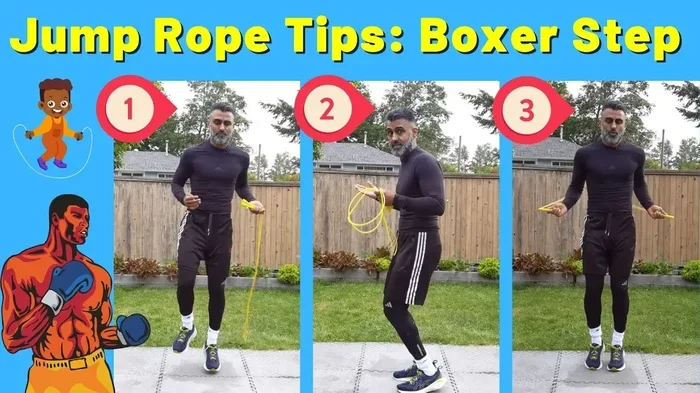
The boxer step jump rope is a foundational technique that combines rhythmic jumping with a boxing stance, making it perfect for beginners and fitness enthusiasts alike. This move builds coordination, improves footwork, and delivers a low-impact cardio workout that burns serious calories. Whether you are training for boxing or just want a fun way to stay active, the boxer step is a game-changer you need to learn.
The boxer step jump rope is one of the most popular techniques in fitness and boxing training. It is a rhythmic jumping style where you shift your weight from one foot to the other, mimicking the lateral movement of a boxer in the ring. If you have ever watched a boxer warm up before a fight, you have probably seen this exact motion.
What makes the boxer step so great is that it works for everyone. You do not need to be a professional fighter to benefit from it. Whether you are a complete beginner or an experienced athlete, this technique adds variety and effectiveness to your jump rope routine. It is also one of the safest moves to learn, which is why so many trainers recommend it as a starting point.
In this guide, we will walk you through everything you need to know. You will learn the correct form, common mistakes, and how to build the boxer step into your daily fitness routine. By the end, you will feel confident enough to add this move to your own workouts. Let us get started.
Key Takeaways
- Easy to Learn: The boxer step is one of the most beginner-friendly jump rope techniques you can pick up quickly.
- Full Body Workout: This move engages your legs, core, arms, and lungs for a complete cardio session.
- Improves Coordination: Practicing the boxer step builds agility and timing that transfer to boxing and other sports.
- Low Impact: Unlike high-impact moves, the boxer step is gentle on your joints while still delivering great results.
- Versatile: You can use the boxer step in warm-ups, main workouts, or cool-down routines.
- Burns Calories Fast: A 15-minute session can torch hundreds of calories when done with proper form.
📑 Table of Contents
What Is the Boxer Step Jump Rope?
The boxer step is a jump rope technique where you alternate your weight between your left and right foot. Instead of jumping with both feet together, you stay on the balls of your feet and shift side to side. This creates a smooth, flowing motion that looks and feels natural once you get the hang of it.
Think of it like a slow dance with your rope. The rhythm is steady and controlled. Your feet barely leave the ground, which makes this a very low-impact move. Because of this, the boxer step is easier on your knees and ankles compared to other jump rope techniques like the double unders or the criss cross jump rope trick.
The technique comes directly from boxing training. Boxers use footwork to stay light on their feet and move quickly around the ring. The boxer step jump rope mimics that exact movement pattern. Over time, practicing this technique helps you build the same kind of agility and balance that boxers rely on during matches.
Why Is It Called the Boxer Step?
The name comes from the way boxers move their feet during a fight. In boxing, you never stay flat-footed. You bounce lightly, shifting your weight from one leg to the other. This keeps you ready to move in any direction. The boxer step jump rope captures this same energy and turns it into a powerful exercise.
Benefits of the Boxer Step Jump Rope
There are many reasons to add the boxer step to your fitness routine. Let us look at the top benefits that make this technique worth your time.
Improves Cardiovascular Health
The boxer step gets your heart rate up quickly. It is a fantastic cardio exercise that strengthens your heart and lungs. Even a short session can improve your endurance over time. Many people use this technique as part of their daily fitness routine to stay in shape.
Builds Coordination and Balance
Shifting your weight from foot to foot while turning the rope requires serious coordination. Your brain has to tell your feet, arms, and timing all at once. The more you practice, the better your body gets at syncing these movements. This skill transfers to many other sports and physical activities.
Gentle on Your Joints
Unlike running or high-impact jumping, the boxer step keeps you close to the ground. The small movements reduce stress on your knees, hips, and ankles. This makes it a great option for people who want a effective workout without the wear and tear on their body. If you are recovering from an injury or have sensitive joints, this is a wonderful alternative.
Burns Calories Efficiently
A 15-minute boxer step session can burn a significant number of calories. The constant movement keeps your muscles engaged throughout. Over time, this adds up to real results in weight management and fat loss. It is one of the most efficient ways to get a full-body workout in a short amount of time.
Enhances Boxing and Athletic Performance
If you are training for boxing or any sport that requires footwork, the boxer step is a must. It builds the exact muscle memory you need for quick lateral movements. Athletes in boxing, basketball, soccer, and tennis all benefit from the balance and agility this technique develops.
How to Do the Boxer Step Jump Rope Step by Step
Now let us get into the actual technique. Follow these steps carefully to learn the boxer step the right way from the start.
Step 1: Set Up Properly
Start by adjusting the length of your jump rope. Stand on the middle of the rope with both feet and pull the handles up. The handles should reach your armpits or just below them. Proper rope length is essential for clean turns and smooth jumping. If your rope is too long or too short, it will trip you up and make the technique harder to learn.
Stand with your feet hip-width apart. Keep your knees slightly bent and your core engaged. Your posture should be tall but relaxed. Hold the rope handles at your sides with a light grip. Do not squeeze the handles too tight, or your forearms will tire quickly.
Step 2: Start with a Basic Bounce
Before adding the side-to-side motion, practice a simple bounce. Turn the rope over your head and jump just enough to clear the rope. Keep your jumps small, about one to two inches off the ground. Land softly on the balls of your feet. This basic bounce is the foundation of the boxer step.
Once you can do 20 to 30 consecutive bounces without tripping, you are ready to add the foot movement. Take your time with this step. Do not rush into the boxer step until you feel comfortable with the basic rhythm.
Step 3: Add the Weight Shift
Now comes the key part. As you bounce, shift your weight to your right foot. Your left foot lifts slightly off the ground, just a centimeter or two. Then, shift your weight to your left foot as the rope comes around again. Your right foot lifts slightly.
The movement is subtle. You are not doing big side steps. Instead, you are transferring weight smoothly from one foot to the other. Think of it as a gentle rocking motion. The rope turns at a steady pace, and your feet follow that rhythm.
Keep your upper body still. Your arms do the work of turning the rope, while your feet handle the shifting. It can help to imagine you are standing on a narrow balance beam. This mental image encourages you to stay centered and controlled.
Step 4: Find Your Rhythm
The boxer step is all about rhythm. The rope should turn at a comfortable pace that matches your foot shifts. A common mistake is to move your feet too fast or too slow compared to the rope. When you get in sync, everything feels effortless.
Start slowly. Count your shifts out loud if that helps: left, right, left, right. As you gain confidence, let the rhythm become natural. Within a few practice sessions, you will find your groove. The key is consistency. Practice for 5 to 10 minutes each day, and you will see steady improvement.
Step 5: Add Arm Movement
Once your feet are moving smoothly, focus on your arms. Keep your elbows close to your body. Rotate your wrists to turn the rope, not your entire arms. Small, efficient wrist movements save energy and give you better control over the rope speed.
Your hands should stay at about waist level. If your arms rise too high, you will tire out faster and lose your rhythm. Keep your shoulders relaxed and down. Let the rope do the work while you focus on the footwork.
Common Mistakes to Avoid
Learning any new technique comes with mistakes. Here are the most common errors people make when doing the boxer step jump rope and how to fix them.
Jumping Too High
Many beginners lift their feet too far off the ground. This wastes energy and makes the move harder to sustain. Remember, the boxer step requires only a tiny lift. Just enough to clear the rope is all you need. Keep your jumps small and efficient.
Moving Too Fast
Speed is not the goal when you are first learning. Rushing through the movements leads to poor form and tripping. Focus on accuracy and control first. Speed will come naturally as your muscle memory develops. A steady, moderate pace is perfect for building the right habits.
Stiff Upper Body
Some people lock their upper body and shoulders while jumping. This creates tension and wastes energy. Keep your shoulders relaxed and your core gently engaged. Your upper body should feel loose and ready to move.
Wrong Rope Length
A rope that is not the right length will cause constant tripping and frustration. Make sure you measure and adjust your rope before every session. If you are unsure how to do this, check our guide on how to adjust the length of a jump rope for detailed instructions.
Leaning Too Far Forward or Back
Your posture matters a lot in the boxer step. Leaning forward puts pressure on your lower back, while leaning back throws off your balance. Stand tall with your ears, shoulders, and hips aligned. This neutral spine position keeps you stable and efficient.
Tips to Master the Boxer Step Jump Rope
Getting good at the boxer step takes practice, but these tips will speed up your progress significantly.
Practice Without the Rope First
Before you even pick up the rope, practice the weight-shifting motion on its own. Stand in place and shift your weight from foot to foot. Add a small hop as you shift. Once this feels natural, pick up the rope and try it again. This approach helps you separate the footwork from the rope turning, making each part easier to learn.
Use a Mirror
Set up in front of a mirror so you can watch your form as you practice. You will quickly notice if your posture is off or if your movements are too large. Seeing yourself in real time helps you make adjustments faster than just feeling your way through it.
Count Your Reps
Set small goals for each session. Try to do 50 consecutive boxer steps without stopping. Then aim for 100. Tracking your reps gives you a clear sense of progress and keeps you motivated. Each milestone you hit builds your confidence and pushes you to improve further.
Record Yourself
Film yourself doing the boxer step on your phone. Watching the playback helps you spot issues you might not notice in the moment. Look for things like your arm position, your jump height, and how smooth your weight shifts are. This simple trick can dramatically improve your form.
Be Patient
Every skill takes time to develop. Do not get frustrated if you trip or lose your rhythm in the beginning. That is completely normal. The boxer step is a learned movement, and your body needs time to adjust. Stay consistent with your practice, and you will see results.
How to Add the Boxer Step to Your Workout Routine
The boxer step is versatile enough to fit into many different types of workouts. Here are some practical ways to use it in your fitness routine.
Warm-Up
Use the boxer step as a warm-up before your main workout. Two to three minutes of light boxer stepping gets your blood flowing and your joints loosened up. It prepares your body for more intense exercises and reduces the risk of injury.
Cardio Intervals
Add the boxer step to a high-intensity interval training (HIIT) session. Do 30 seconds of boxer stepping followed by 30 seconds of rest. Repeat for 10 rounds. This type of interval training boosts your heart rate and maximizes calorie burn in a short time.
Skill Building
If you are training for boxing or martial arts, dedicate time to mastering the boxer step. Practice it daily as a footwork drill. Over weeks and months, you will notice your agility and reaction time improve in the ring or during sparring sessions.
You can also explore other jump rope techniques once the boxer step feels solid. Moves like the criss cross jump rope trick or the double dutch jump rope step by step style add variety and challenge to your routine. Each new technique builds on the coordination you developed with the boxer step.
Boxer Step vs. Other Jump Rope Techniques
There are many jump rope techniques to choose from. Here is how the boxer step compares to some popular alternatives.
- Boxer Step: Low impact, great for beginners, builds footwork and coordination. Best for steady cardio and warm-ups.
- Basic Bounce: The simplest jump rope move. Both feet jump together. Good for absolute beginners but less engaging over time.
- Criss Cross: A more advanced move where you cross your arms in front of your body. It looks impressive but requires more skill and timing.
- Double Unders: The rope passes under your feet twice per jump. Very high intensity and great for advanced athletes.
The boxer step sits in a sweet spot between simplicity and effectiveness. It is more dynamic than the basic bounce but easier to learn than the criss cross or double unders. For most people, it is the perfect next step after mastering the basic bounce.
As you grow more comfortable, you can layer in new techniques. The boxer step gives you a solid foundation of rhythm and coordination that makes learning harder moves much easier. Many advanced jump rope athletes credit the boxer step as the technique that helped them progress the fastest.
Conclusion
The boxer step jump rope is a simple yet powerful technique that belongs in every fitness routine. It is easy to learn, gentle on your body, and incredibly effective for building cardio endurance, coordination, and agility. Whether you are just starting out or looking to add variety to your workouts, the boxer step delivers real results.
Remember to focus on proper form, practice consistently, and be patient with yourself as you learn. The technique will become second nature with time. Start with short sessions and gradually increase the duration as your confidence grows. Before long, the boxer step will feel like second nature, and you will wonder how you ever jumped rope without it.
Grab your rope, find a clear space, and give the boxer step a try today. Your body will thank you for it. This is one of those foundational skills that pays off in every area of your fitness journey. Keep practicing, stay consistent, and enjoy the process of getting better each day.
Frequently Asked Questions
What is the boxer step jump rope good for?
The boxer step jump rope is excellent for cardio fitness, coordination training, and boxing footwork development. It provides a low-impact workout that is gentle on your joints while still delivering high calorie burn. It is also a great warm-up technique before more intense exercises or sports activities.
How long does it take to learn the boxer step?
Most people can learn the basic boxer step within a few days of regular practice. If you already have some jump rope experience, you may pick it up in just one session. The key is to practice for 5 to 10 minutes daily and focus on rhythm rather than speed. With consistent practice, the movement becomes natural and automatic within two to three weeks.
Is the boxer step jump rope suitable for beginners?
Absolutely. The boxer step is one of the most beginner-friendly jump rope techniques available. It uses small, controlled movements that are easy on the body. You do not need any prior experience with jump rope or boxing to get started. If you can do a basic bounce, you are ready to learn the boxer step.
Can the boxer step help me lose weight?
Yes, the boxer step jump rope is a great tool for weight loss. It burns a significant number of calories in a short amount of time. A 15-minute session can torch between 150 and 300 calories depending on your intensity and body weight. Combined with a balanced diet, regular boxer step sessions can contribute meaningfully to your weight loss goals.
How is the boxer step different from the basic bounce?
The basic bounce uses both feet together, while the boxer step alternates your weight between your left and right foot. The boxer step adds a lateral shifting motion that engages your core and improves footwork. It is slightly more advanced than the basic bounce but offers more benefits for coordination and agility training.
Do I need any special equipment to do the boxer step?
You only need a standard jump rope and enough space to move comfortably. A rope that is the right length for your height will make learning much easier. You can check our guide on how to find the right length of jump rope to get the perfect fit. No special shoes or gear are required, though supportive athletic shoes are always a good choice for any jumping exercise.
=== QUICK SUMMARY ===
The boxer step jump rope is a foundational technique that combines rhythmic jumping with a boxing stance, making it perfect for beginners and fitness enthusiasts alike. This move builds coordination, improves footwork, and delivers a low-impact cardio workout that burns serious calories. Whether you are training for boxing or just want a fun way to stay active, the boxer step is a game-changer you need to learn.