How to Warm Up for Rowing Machine 2

Warming up before using the rowing machine 2 prepares your body, boosts performance, and reduces injury risk. A proper rowing machine warm up activates key muscles, improves flexibility, and gets your heart ready for a great workout. Follow our simple routine to get the most out of every session.
Every great rowing session starts before you even touch the machine. A solid warm up wakes up your muscles, gets your joints moving, and sets the stage for a powerful workout. Whether you are a beginner or a seasoned rower, taking the time to warm up properly can change everything. In this guide, we will walk you through the best way to warm up for rowing machine 2 so you can train smarter and safer.
The rowing machine warm up is not just a formality. It is a critical part of your routine that boosts performance and keeps you healthy. When you warm up correctly, you increase blood flow to your muscles, improve your range of motion, and mentally prepare for the work ahead. Skipping this step can lead to poor form, reduced power output, and even injury. Let us dive into everything you need to know about warming up the right way.
Key Takeaways
- Warm ups prevent injury: A good warm up protects your joints and muscles during intense rowing sessions.
- Dynamic stretching is key: Move through dynamic exercises to boost blood flow and mobility before you row.
- Start slow and build up: Begin with light strokes and gradually increase intensity to prep your body.
- Focus on form early: Practicing proper rowing technique during your warm up sets you up for success.
- Spend at least 10 minutes: A quality warm up should last 10 to 15 minutes for best results.
- Tailor your warm up: Adjust your routine based on your fitness level and workout goals.
📑 Table of Contents
Why Warming Up for Rowing Machine 2 Matters
Many people jump straight into their rowing workout without warming up. This is a mistake that can cost you progress and even cause injury. Your body needs time to transition from rest to intense effort. The rowing machine works almost every major muscle group in your body, so preparing those muscles is essential.
When you warm up, you increase your core body temperature. This makes your muscles more flexible and less prone to strains. Your heart rate gradually rises, which helps your cardiovascular system handle the demands of rowing. Think of it like starting a car on a cold morning. You let it idle for a bit before hitting the road. Your body works the same way.
Benefits of a Proper Warm Up
- Injury prevention: Warm muscles are more elastic and less likely to tear or strain during intense rowing.
- Better performance: A warm body produces more power and endurance, helping you row harder and longer.
- Improved flexibility: Dynamic stretching during your warm up increases your range of motion for smoother strokes.
- Mental preparation: Warming up helps you focus, set goals, and get in the right mindset for your workout.
- Better rowing form: Practicing light strokes during your warm up reinforces proper technique before you push hard.
Even if you are short on time, do not skip your warm up. Ten minutes of preparation can save you weeks of recovery from an injury. If you want to learn more about getting the most from your sessions, check out our guide on how to get a good workout on a rowing machine.
The Best Warm Up Routine for Rowing Machine 2
Now that you understand why warming up matters, let us get into the actual routine. A good warm up for the rowing machine 2 should take about 10 to 15 minutes. It should gradually increase in intensity and cover all the major muscle groups you will use during your row.
Phase 1: Light Cardio (3 to 5 Minutes)
Start with light cardio to get your blood flowing. You do not need to jump on the rowing machine right away. Try one of these options to get your heart rate up slightly:
- Brisk walking: Walk at a pace that feels slightly faster than your normal stroll.
- Jumping jacks: Do 30 seconds of jumping jacks followed by 30 seconds of rest. Repeat twice.
- High knees: March in place with your knees lifting high for 60 seconds.
- Arm circles: Swing your arms in small circles, gradually making them bigger.
These simple exercises raise your body temperature and signal to your muscles that it is time to work. They also help lubricate your joints, which is especially important for the knees and hips during rowing.
Phase 2: Dynamic Stretching (3 to 5 Minutes)
After light cardio, move into dynamic stretching. Unlike static stretching where you hold a position, dynamic stretching involves movement. This is perfect for rowing because it mimics the motions you will use on the machine.
- Leg swings: Hold onto a wall and swing one leg forward and back. Do 10 swings per leg.
- Arm swings: Swing both arms across your body and then wide open. Repeat 10 times.
- Torso twists: Stand with your feet shoulder-width apart and twist your upper body left and right.
- Hip circles: Place your hands on your hips and make large circles with your pelvis.
- Bodyweight squats: Do 10 slow squats to activate your glutes and quads.
Dynamic stretching improves your mobility and prepares your muscles for the full range of motion required in rowing. It also helps you practice the movements you will use on the machine, which reinforces good habits from the start.
Phase 3: Rowing Machine Warm Up Strokes (5 Minutes)
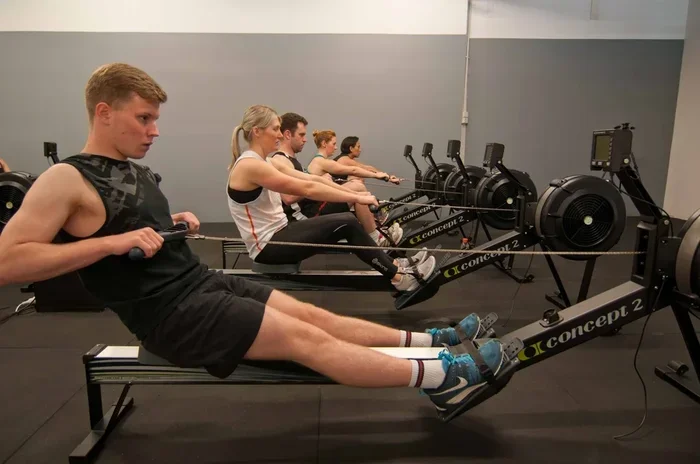
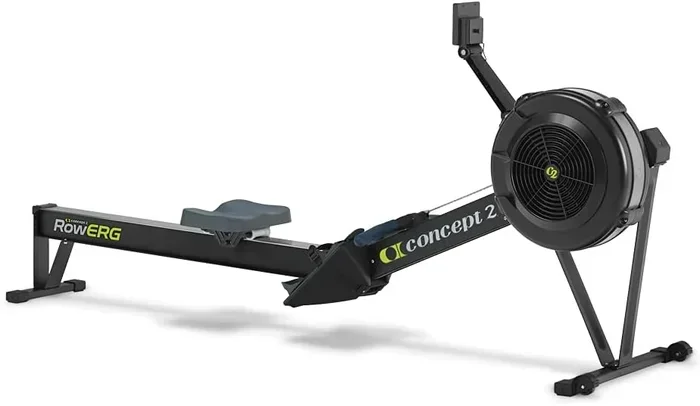
Now it is time to get on the rowing machine 2. Start with very light strokes at a low resistance setting. Focus on your form and technique. Aim for a stroke rate of about 18 to 20 strokes per minute. This is much slower than your normal workout pace.
During these five minutes, pay attention to the following:
- Catch position: Make sure your shins are vertical and your arms are extended forward.
- Drive phase: Push with your legs first, then lean back slightly, and finally pull with your arms.
- Recovery phase: Reverse the motion smoothly. Arms extend, torso leans forward, then knees bend.
- Breathing: Breathe steadily and rhythmically throughout each stroke.
This phase bridges the gap between stretching and your actual workout. It teaches your body the exact movement patterns you will use, which is a key part of proper rowing technique. If you are new to rowing, you might want to review our guide on how to properly use a rowing machine for beginners to nail your form from day one.
Common Mistakes to Avoid During Your Warm Up
Even with the best intentions, many people make mistakes during their warm up. Knowing what to avoid can save you time and prevent injury. Here are the most common errors to watch out for.
Skipping the Warm Up Entirely
This is the biggest mistake of all. Some people feel eager to jump into their workout and skip the warm up completely. Cold muscles are tight and less responsive. Rowing with cold muscles puts unnecessary stress on your joints and increases your risk of strains and pulls. Always take the time to warm up, even when you are in a hurry.
Doing Static Stretching Instead of Dynamic
Static stretching, where you hold a stretch for 20 to 30 seconds, has its place. But it is not ideal for a rowing warm up. Static stretching can actually temporarily reduce muscle power and performance. Save static stretches for after your workout when your muscles are warm. During your warm up, stick with dynamic movements that activate your muscles and prepare them for action.
Starting Too Fast
It is tempting to jump on the rowing machine and start rowing at full intensity. This is a recipe for poor form and potential injury. Your warm up should feel easy and controlled. If you are breathing hard during your warm up, you are going too fast. The goal is to gradually prepare your body, not exhaust it before the real workout begins.
Ignoring Your Upper Body
Rowing is a full body exercise, but many people focus their warm up only on their legs. Your arms, shoulders, back, and core all play crucial roles during rowing. Make sure your warm up includes movements that target your upper body as well. Arm swings, shoulder rolls, and torso twists all help prepare these areas for the work ahead.
Not Practicing Proper Form
Your warm up is the perfect time to practice good rowing form. If your technique is off during warm up strokes, it will be even worse when you increase intensity. Use these light strokes to reinforce the correct sequence: legs, then back, then arms. During the recovery, reverse the order. This attention to detail during warm up carries over into your main workout.
Want to learn how to get your heart rate in the right zone during your warm up? Check out our article on how to get heart rate up on rowing machine for practical tips.
How Long Should Your Warm Up Last?
The ideal warm up duration depends on several factors, including your fitness level, the intensity of your planned workout, and your age. Here is a simple breakdown to help you decide.
| Fitness Level | Recommended Warm Up Time | Intensity Level |
|---|---|---|
| Beginner | 12 to 15 minutes | Low to moderate |
| Intermediate | 8 to 12 minutes | Moderate |
| Advanced | 5 to 10 minutes | Moderate to high |
As a beginner, you need more time for your muscles and joints to adjust to the rowing motion. Your warm up should feel comfortable and never rushed. As you become more experienced, your body adapts and your warm up can become shorter and more focused.
No matter your level, always listen to your body. If you feel stiff or tight, add a few more minutes to your warm up. If you feel fully prepared after 8 minutes, you can move into your workout. The key is to feel loose, warm, and ready to perform at your best.
Advanced Warm Up Tips for Experienced Rowers
If you have been rowing for a while and want to take your warm up to the next level, try these advanced strategies. These tips are designed for intermediate to advanced rowers who want to maximize their performance.
Progressive Resistance
Start your warm up at a very low resistance setting. Every two minutes, increase the resistance slightly. This gradual progression mimics the demands of your main workout and prepares your muscles for higher loads. By the time you finish your warm up, your body is primed for the intensity ahead.
Interval-Based Warm Up
Instead of rowing at a steady pace, try short intervals during your warm up. Row at a moderate pace for 30 seconds, then slow down for 30 seconds. Repeat this pattern for 4 to 5 minutes. This approach activates your anaerobic system and prepares your body for the varied intensities of a real workout.
Focus on Weak Areas
Use your warm up to target areas where you feel tight or weak. If your lower back tends to stiffen up, add extra torso twists and gentle back extensions. If your hip flexors feel tight, spend more time on hip circles and dynamic stretches. Customizing your warm up to your body’s needs can improve both comfort and performance.
Mental Visualization
Top athletes use visualization as part of their warm up routine. While you row at a light pace, picture yourself completing your workout with perfect form and strong power. Visualize yourself hitting your distance goals and finishing strong. This mental rehearsal can boost confidence and focus when it is time to push hard.
For more tips on building a complete rowing routine, explore our article on how to get the most out of your rowing machine.
Quick Tips for an Effective Rowing Machine Warm Up
- Keep it dynamic: Focus on movement-based stretches rather than holding static positions.
- Start with cardio: A few minutes of light cardio gets your blood flowing before you row.
- Focus on form: Use your warm up strokes to practice proper technique at a relaxed pace.
- Gradually increase intensity: Build up the pace and resistance slowly over the course of your warm up.
- Stay hydrated: Drink a small amount of water before and during your warm up.
- Listen to your body: If something feels tight or uncomfortable, spend extra time on that area.
- Be consistent: Make warming up a non-negotiable part of every rowing session.
Conclusion
Warming up before using the rowing machine 2 is one of the simplest and most effective things you can do for your fitness journey. It protects your body from injury, improves your performance, and sets the tone for every workout. By following the routine outlined in this guide, you give yourself the best possible start to every session.
Remember that consistency is key. Make your warm up a habit, not an afterthought. Spend at least 10 minutes before each rowing session going through the phases we covered. Focus on dynamic stretching, proper form, and gradual intensity increases. Over time, you will notice better endurance, stronger strokes, and fewer aches after your workouts.
The rowing machine offers incredible benefits for your heart, muscles, and overall fitness. But those benefits only come when you prepare your body properly. Start warming up the right way today, and you will feel the difference in every stroke. Your future self will thank you for it.
Frequently Asked Questions
How long should I warm up before using the rowing machine 2?
A proper warm up should last between 10 and 15 minutes. Beginners may want to aim for the longer end of that range. As you become more experienced, you can shorten your warm up to 8 minutes while still getting great results.
Can I skip the warm up if I am short on time?
It is always better to do a short warm up than to skip it entirely. Even 5 minutes of light cardio and dynamic stretching can make a big difference. A quick warm up reduces injury risk and helps you perform better, even when time is limited.
Should I stretch before or after my rowing workout?
Dynamic stretching belongs in your warm up before rowing. Save static stretching for after your workout when your muscles are fully warm. This approach maximizes performance during your session and improves flexibility during recovery.
What is the best way to warm up for rowing machine 2?
The best approach combines light cardio, dynamic stretching, and a few minutes of easy rowing strokes. Start with 3 to 5 minutes of brisk walking or jumping jacks, then move through dynamic stretches, and finish with 5 minutes of light rowing focused on proper form.
Is it normal to feel tired after a warm up?
No, a proper warm up should leave you feeling energized and ready to work, not tired. If you feel fatigued during your warm up, you are going too hard. Keep the intensity low and focus on gradually preparing your body for the main workout.
Can warming up help me row faster or longer?
Absolutely. Warming up increases blood flow to your muscles, improves your range of motion, and primes your cardiovascular system. These benefits translate directly into more power, better endurance, and the ability to maintain strong strokes for longer periods during your workout.