What Is the Purpose of a Rowing Machine

The purpose of a rowing machine is to deliver a low-impact, full-body workout that builds strength, boosts cardiovascular fitness, and burns calories efficiently. Whether you are a beginner or a seasoned athlete, a rowing machine engages over 80% of your muscles in every stroke. It is a versatile piece of home gym equipment that suits almost any fitness goal.
A rowing machine is one of the most underrated pieces of gym equipment out there. Many people see it sitting in the corner of the gym and walk right past it. But the truth is, a rowing machine offers one of the most complete workouts you can get. It targets your entire body, spares your joints, and delivers real results in a short amount of time.
If you have ever wondered what the purpose of a rowing machine really is, you are in the right place. This guide breaks down everything you need to know. From the physical benefits to how it fits into your fitness routine, we cover it all. By the end, you will understand why so many people are adding this tool to their home gym.
The main purpose of a rowing machine workout is simple. It simulates the motion of rowing a boat. This motion pulls nearly every major muscle group into action. The result is a powerful exercise that builds strength, improves heart health, and burns a ton of calories. Whether you want to lose weight, build muscle, or just stay active, a rowing machine can help.
Key Takeaways
- Full-Body Workout: A rowing machine works your arms, legs, back, and core all at once.
- Low Impact: It is gentle on your joints, making it ideal for people with knee or hip issues.
- Cardiovascular Health: Regular rowing improves heart health and builds endurance over time.
- Calorie Burning: Rowing torches calories fast, supporting weight loss and fat burning goals.
- Home Friendly: Rowing machines are compact, quiet, and perfect for a home gym setup.
- Adjustable Resistance: You can change the intensity to match your fitness level and goals.
📑 Table of Contents
- What Exactly Is a Rowing Machine
- The Main Purpose of a Rowing Machine
- Key Benefits of Using a Rowing Machine
- How to Use a Rowing Machine Effectively
- Rowing Machine vs Other Gym Equipment
- Who Can Benefit From a Rowing Machine
- Common Mistakes to Avoid
- Quick Tips for Getting the Most Out of Your Rowing Sessions
- Final Thoughts
What Exactly Is a Rowing Machine
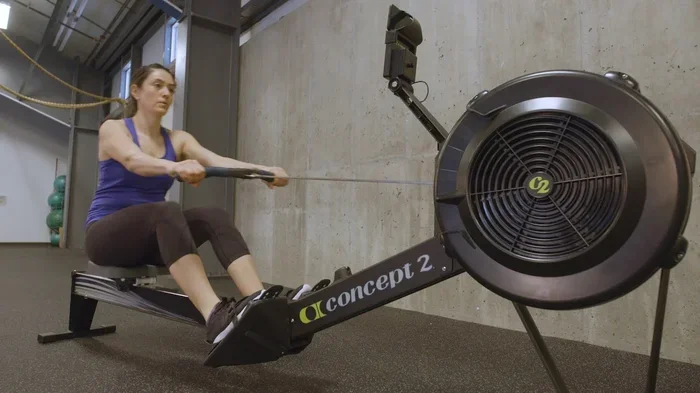
A rowing machine is a piece of fitness equipment designed to mimic the action of water rowing. You sit on a sliding seat, grab a handle, and pull against resistance. Each movement is called a rowing stroke. It has four distinct phases: the catch, the drive, the finish, and the recovery.
Most modern machines use air, water, magnetic, or hydraulic resistance. Each type feels a little different. Air rowers are the most popular because they mimic the feel of being on the water. Water rowers offer a smooth, quiet glide that many people love. Magnetic rowers are the quietest and great for apartments. Hydraulic rowers are usually the most affordable option.
How a Rowing Stroke Works
Every rowing stroke has four parts. First is the catch. This is where you lean forward with your knees bent and arms extended. Next comes the drive. You push with your legs, then pull with your arms, and lean back slightly. The finish happens when your legs are straight and the handle is pulled to your chest. Finally, the recovery is the return to the catch position.
Learning the proper rowing stroke takes a little practice. But once you get the rhythm, it feels natural and smooth. The proper form for a rowing machine is important to avoid injury and get the most out of each stroke. Focus on driving with your legs first, then pulling with your arms. Keep your back straight throughout the movement.
The Main Purpose of a Rowing Machine
The primary purpose of a rowing machine is to provide a full-body exercise that builds both strength and endurance. Unlike machines that isolate one muscle group, rowing works almost everything at once. This makes it incredibly efficient for people who want maximum results in minimum time.
Here are the core purposes a rowing machine serves:
- Cardiovascular conditioning: It gets your heart pumping and improves lung capacity.
- Muscle strengthening: It targets the legs, core, back, arms, and shoulders.
- Calorie burning: It is one of the fastest ways to burn calories in a gym session.
- Low-impact movement: It is easy on the joints, making it safe for most people.
- Endurance building: Regular use increases stamina for both workouts and daily life.
The beauty of a rowing machine is that it serves all these purposes in a single workout. You do not need to switch between machines. One session on a rowing machine can combine cardio and strength training. This is why so many people call it the best full-body workout tool available.
Key Benefits of Using a Rowing Machine
The benefits of using a rowing machine go far beyond just getting a good sweat. Let us look at the main advantages that make this machine worth your time.
Full-Body Muscle Engagement
A rowing machine works about 86% of your muscles in a single stroke. Your legs do the heavy lifting during the drive phase. Your core stabilizes your body throughout the movement. Your back and arms pull the handle toward you. Even your shoulders and chest get involved. This makes rowing one of the most efficient full-body workouts you can do.
Compare this to a treadmill, which mainly works your lower body. Or an exercise bike, which focuses mostly on your legs. The rowing machine gives you a balanced workout that builds strength across your entire body.
Cardiovascular and Heart Health
Rowing is an excellent aerobic exercise. It raises your heart rate and improves blood circulation. Over time, this strengthens your heart and lungs. Regular cardiovascular exercise like rowing can lower blood pressure, reduce the risk of heart disease, and boost your overall energy levels.
If you are new to cardio, a rowing machine is a great place to start. You can control the intensity easily. Start with a light resistance and short sessions. As your fitness improves, you can increase the resistance levels and workout duration. This makes it a truly scalable piece of equipment.
Calorie Burning and Weight Loss
If weight loss is your goal, a rowing machine is a powerful tool. A moderate rowing session can burn between 400 and 800 calories per hour, depending on your weight and intensity. The combination of cardio and muscle engagement means you burn calories both during and after your workout.
Many people ask, does the rowing machine burn a lot of calories? The answer is yes. Rowing ranks among the top calorie-burning exercises. It outpaces many traditional cardio machines when done at a moderate to high intensity. Pair your rowing workouts with a healthy diet, and you will see real results.
Low-Impact and Joint-Friendly
One of the biggest advantages of a rowing machine is that it is gentle on your joints. The sliding seat and smooth motion reduce stress on your knees, hips, and ankles. This makes it a great option for people recovering from injuries or those with joint pain.
Unlike running on a treadmill, rowing does not involve repetitive impact. Your feet never leave the footplates, and there is no jarring motion. This low-impact nature means you can row for longer periods without the usual soreness or risk of injury.
How to Use a Rowing Machine Effectively
Using a rowing machine the right way makes a huge difference. Proper technique ensures you get the most benefit while staying safe. Here is how to make the most of every session.
Master the Proper Form
Good form is the foundation of an effective rowing workout. Start with a strong posture. Sit tall with your shoulders back and relaxed. Keep your core engaged throughout the stroke. During the drive, push through your legs first. Then let your arms pull the handle to your lower chest. On the recovery, reverse the order. Extend your arms first, then lean forward, and finally slide the seat forward.
If you are unsure about your technique, watching a tutorial or working with a coach can help. The proper form for a rowing machine prevents common injuries and maximizes muscle engagement. A small adjustment in your technique can make a big difference in your results.
Set the Right Resistance
Most rowing machines allow you to adjust the resistance level. Beginners should start with a lower setting. This helps you learn the rowing stroke without getting too tired too quickly. As you build strength and confidence, you can gradually increase the resistance.
The best resistance for a rowing machine depends on your goals. For endurance and cardio, keep the resistance moderate. For strength building, increase it. The key is to challenge yourself without sacrificing form. If your technique starts to break down, the resistance is probably too high.
Track Your Progress
Most modern rowing machines come with a display that tracks your pace, distance, time, and calories burned. Use these metrics to set goals and measure improvement. A common metric is the split time, which shows how long it takes to row 500 meters. A lower split time means you are getting faster and stronger.
Tracking your progress keeps you motivated. You can see how far you have come over weeks and months. It also helps you identify when to push harder or take a recovery day.
Rowing Machine vs Other Gym Equipment
How does a rowing machine compare to other popular workout equipment? Let us look at a few common comparisons.
Rowing Machine vs Treadmill
A treadmill is great for running and walking. But it mainly targets your lower body. A rowing machine works your entire body. Rowing also burns more calories per minute than jogging at a moderate pace. Plus, rowing is much easier on your joints. If you want a workout that does it all, a rowing machine has the edge.
For a detailed comparison, check out our guide on treadmill vs rowing machine.
Rowing Machine vs Exercise Bike
An exercise bike focuses on your legs and cardiovascular system. It is a solid low-impact option. But a rowing machine adds upper body and core work to the mix. This makes rowing a more complete exercise. Both are great choices, but rowing offers more overall muscle engagement.
For more on this comparison, see our article on rowing machine vs exercise bike.
Rowing Machine vs Elliptical
An elliptical machine provides a full-body motion, but it mostly targets the lower body with some arm involvement. Rowing, on the other hand, places much more emphasis on the upper body and back. Rowing also tends to burn more calories. Both are low-impact, but rowing offers a more balanced muscle workout.
For a deeper dive, read our piece on elliptical vs rowing machine.
| Feature | Rowing Machine | Treadmill | Exercise Bike |
|---|---|---|---|
| Muscles Worked | Full body (86%) | Lower body | Lower body |
| Impact Level | Low | High | Low |
| Calories Burned (per hour) | 400-800 | 300-600 | 300-500 |
| Cardio Benefit | Excellent | Excellent | Good |
| Strength Building | Yes | Minimal | Minimal |
| Joint Friendly | Yes | No | Yes |
Who Can Benefit From a Rowing Machine
One of the best things about a rowing machine is its versatility. Almost anyone can use one. Here are some groups that benefit greatly from rowing.
Beginners and Fitness Newcomers
If you are just starting your fitness journey, a rowing machine is a fantastic choice. It is easy to learn, gentle on your body, and highly effective. You can start with short sessions of 10 to 15 minutes and build up over time. The adjustable resistance means you can grow with the machine.
For those looking for guidance, check out our article on the best rowing machine for beginners.
People with Joint Issues
If you have knee, hip, or back problems, high-impact exercises like running can be painful. A rowing machine offers a smooth, gliding motion that is easy on the joints. It allows you to stay active without aggravating existing injuries. Many physical therapists recommend rowing as a rehabilitation exercise.
Athletes and Fitness Enthusiasts
Experienced athletes use rowing machines for cross-training and endurance building. The ability to adjust resistance and intensity makes it a valuable tool for serious training. Rowing improves stamina, strengthens the core, and enhances overall athletic performance.
Home Gym Users
A rowing machine is a great addition to any home gym. It is compact compared to a treadmill and stores easily. Most models are quiet enough not to disturb neighbors. If you want a versatile piece of equipment for your home setup, a rowing machine delivers excellent value.
For tips on choosing the right model, see our guide on the best rowing machines for home use.
Common Mistakes to Avoid
Even though rowing is a great exercise, common mistakes can reduce its effectiveness or lead to injury. Here are a few things to watch out for.
- Rounding your back: Keep your spine neutral throughout the stroke. Rounding your back puts unnecessary strain on your lower back.
- Using only your arms: The legs do about 60% of the work. Do not rely on your arms alone. Let your legs drive the motion first.
- Rushing the recovery: The recovery phase is just as important as the drive. Take your time and maintain control.
- Setting resistance too high: High resistance with poor form leads to bad habits and potential injury. Start light and progress gradually.
- Skipping warm-ups: Always warm up before rowing. A few minutes of light rowing prepares your muscles and joints for the workout.
Quick Tips for Getting the Most Out of Your Rowing Sessions
Here are some practical tips to help you get better results from every rowing session:
- Warm up for 3 to 5 minutes at a light pace before increasing intensity.
- Focus on your breathing. Exhale during the drive and inhale during the recovery.
- Start with 15 to 20 minute sessions and gradually increase to 30 to 45 minutes.
- Aim for a consistent pace rather than going all out every time.
- Mix up your workouts with interval training, steady-state rows, and distance challenges.
- Stay hydrated and listen to your body. Rest when you need to.
- Track your workouts to monitor progress and stay motivated.
Final Thoughts
The purpose of a rowing machine is clear. It provides an efficient, full-body workout that builds strength, improves heart health, and burns calories. It is gentle on your joints, adaptable to any fitness level, and perfect for both gym and home use. Whether you are a beginner or a seasoned athlete, a rowing machine can help you reach your fitness goals.
If you have not tried rowing yet, now is the perfect time. The machine is easy to use, the benefits are real, and the results speak for themselves. Add a rowing machine to your routine and feel the difference it makes. Your body will thank you.
Remember, consistency is key. Even a short daily rowing session can lead to big improvements over time. So grab the handle, set your resistance, and start rowing your way to better fitness today.
Frequently Asked Questions
What is the main purpose of a rowing machine?
The main purpose of a rowing machine is to provide a full-body, low-impact workout that builds strength, improves cardiovascular health, and burns calories efficiently. It simulates the motion of rowing a boat and engages over 80% of your muscles in every stroke.
Is a rowing machine good for weight loss?
Yes, a rowing machine is excellent for weight loss. It burns a high number of calories per session and builds lean muscle, which boosts your metabolism. Combined with a healthy diet, regular rowing can help you achieve your weight loss goals effectively.
How long should a rowing machine workout be?
For beginners, 15 to 20 minutes is a great starting point. As your fitness improves, you can extend sessions to 30 or 45 minutes. The key is consistency. Aim for at least three to four rowing sessions per week for the best results.
Can beginners use a rowing machine?
Absolutely. Rowing machines are beginner-friendly. You can start with low resistance and short sessions. The motion is easy to learn, and you can adjust the intensity as you get stronger and more comfortable with the technique.
Does rowing tone your body?
Yes, rowing is excellent for toning your body. It works your arms, legs, back, and core simultaneously. Over time, regular rowing builds lean muscle and creates a more toned, defined physique. It is one of the best machines for overall body toning.
Is a rowing machine better than a treadmill?
It depends on your goals. A rowing machine offers a full-body workout and is lower impact, while a treadmill focuses more on lower body cardio. For overall fitness and joint health, a rowing machine often has the advantage. Both are great tools in their own right.
=== CONCLUSION ===
The purpose of a rowing machine is to deliver a powerful, efficient, and joint-friendly full-body workout. It combines cardiovascular training with muscle strengthening in a single, smooth motion. Whether your goal is weight loss, endurance building, or general fitness, a rowing machine delivers real results.
It is one of the most versatile pieces of home gym equipment you can own. With adjustable resistance, easy-to-learn technique, and benefits for nearly every fitness level, it is hard to beat. Start slow, focus on your form, and stay consistent. A rowing machine can truly transform your fitness journey.