What Is the Water Rowing Machine Good For
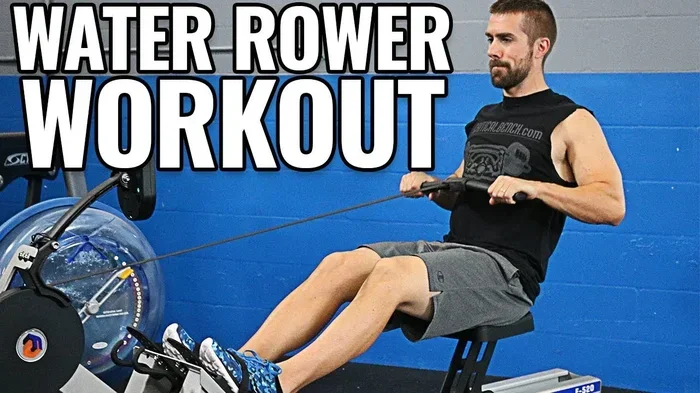
A water rowing machine is one of the best pieces of fitness equipment for a full-body workout. It combines cardio and strength training in one smooth, low-impact session. Whether you want to burn calories, build muscle, or improve heart health, the water rower delivers real results. It mimics the feel of actual rowing on water, making workouts feel natural and enjoyable. Read on to learn all the top reasons to try one.
Key Takeaways
- Full-Body Workout: A water rowing machine engages over 80% of your muscles in every stroke.
- Low Impact on Joints: The smooth water resistance is gentle on knees, hips, and the lower back.
- Great for Cardio and Strength: It builds endurance while toning muscles at the same time.
- Mimics Real Rowing: The water flywheel creates an authentic on-the-water feel that other machines can’t match.
- Perfect for Home Use: Quiet operation and compact designs make water rowers ideal for home gyms.
- Supports Weight Loss Goals: A single session can burn 400-800 calories depending on intensity.
- Improves Posture and Core Strength: Regular use strengthens the back, abs, and stabilizing muscles.
📑 Table of Contents
- Why a Water Rowing Machine Stands Out
- Top Benefits of Using a Water Rowing Machine
- Water Rowing Machine vs. Other Types
- Who Should Use a Water Rowing Machine
- Common Mistakes to Avoid
- How to Get the Most Out of Your Water Rowing Machine
- Does a Water Rowing Machine Help With Abs
- Maintenance Tips for Your Water Rowing Machine
- Final Thoughts
Why a Water Rowing Machine Stands Out
Not all rowing machines are created equal. The water rowing machine uses a unique flywheel design filled with water to create resistance. As you pull harder, the water moves faster and creates more drag. This means the harder you work, the more resistance you feel. It is a simple but brilliant engineering concept that has made water rowers a favorite among fitness enthusiasts.
Compared to air, magnetic, or hydraulic rowers, the water rower offers a smoother and more natural feel. The resistance increases gradually as your stroke pace picks up. This mimics how a boat moves through water. You get a realistic rowing experience without the jarring noise of an air rower. That makes it a great choice for home workouts where quiet operation matters.
If you are deciding between different types of machines, consider what you want from your training. The water rower excels at delivering a balanced full-body workout that combines cardio and strength. It is not just another piece of gym equipment. It is a tool that can transform your fitness routine.
Top Benefits of Using a Water Rowing Machine
Full-Body Muscle Engagement
One of the biggest advantages of a water rowing machine is how many muscles it works. Every stroke activates your legs, back, arms, and core. In fact, rowing engages about 86% of your body’s muscles. That is more than most cardio machines can claim.
Here is a quick breakdown of what gets worked:
- Legs: Quads, hamstrings, and calves power the drive phase.
- Back: The lats, traps, and rhomboids pull the handle toward your torso.
- Arms and Shoulders: Biceps, forearms, and deltoids finish the pull.
- Core: Abs and obliques stabilize your body throughout every stroke.
This makes the water rower a highly efficient rowing machine exercise. You do not need to hop between machines for a complete workout. One session covers everything.
Low-Impact Cardio That Is Joint-Friendly
If you have sensitive joints, the water rower is a game changer. The sliding seat and smooth stroke create minimal impact on your knees and ankles. Unlike running on a treadmill, rowing does not pound your joints with repeated shocks.
This makes it an excellent option for people recovering from injuries or those with arthritis. It is also why many seniors turn to rowing for staying active. The low impact exercise nature of the water rower means you can train hard without beating up your body.
For those dealing with back issues, proper form is essential. Check out our guide on is a rowing machine good for a bad back to learn how rowing can help or hurt your spine depending on technique.
Calorie Burning and Weight Loss
Want to shed some pounds? The water rowing machine is a powerful tool for weight loss. A moderate session can burn between 400 and 800 calories per hour. The exact number depends on your weight, intensity, and fitness level.
Because rowing builds muscle while burning fat, it boosts your metabolism even after you stop exercising. This is called the afterburn effect. Your body continues to burn calories at an elevated rate for hours post-workout.
Compare this to a stationary bike, which mainly targets the lower body. The water rower burns more calories per minute because it works your entire body. If you are serious about fat loss, adding rowing to your routine is a smart move.
Water Rowing Machine vs. Other Types
How Water Resistance Compares
There are four main types of rowing machines on the market. Each uses a different method to create resistance. Here is how they stack up:
| Type | Resistance Source | Feel | Noise Level | Best For |
|---|---|---|---|---|
| Water Rowing Machine | Water in a flywheel tank | Smooth, realistic | Low to moderate | Full-body, realistic feel |
| Air Rowing Machine | Air flown through a fan | Dynamic, loud | High | High-intensity intervals |
| Magnetic Rowing Machine | Magnetic brakes | Very smooth, quiet | Very low | Home use, quiet workouts |
| Hydraulic Rowing Machine | Pistons or hydraulic cables | Compact, limited range | Low | Budget or small spaces |
The water rower strikes a great balance. It offers a natural feel without being overly loud. The resistance adjusts automatically to your effort. Push harder and it pushes back. This self-regulating feature is unique to water rowers and makes every stroke feel responsive.
When choosing the right machine for your home, consider space, noise, and fitness goals. For a detailed guide on picking the right one, check out our article on what is the best rowing machine for home use to compare top options.
Who Should Use a Water Rowing Machine
Beginners Looking for an Easy Start
If you are new to fitness, the water rower is incredibly beginner-friendly. The motion is simple to learn: push with your legs, pull with your arms, and engage your core. Most people get the basics within a few minutes.
Start with short sessions of 10 to 15 minutes at a comfortable pace. Focus on proper rowing technique before pushing for speed or intensity. Good form prevents injuries and maximizes results. Once you feel confident, you can gradually increase your workout duration and resistance.
Fitness Enthusiasts and Athletes
Experienced athletes also love the water rower. It is perfect for cross-training and building endurance. Rowing improves cardiovascular fitness, which translates to better performance in running, cycling, and other sports.
Many professional athletes use water rowers for indoor rowing training during off-seasons. The full-body engagement makes it an efficient way to maintain fitness when outdoor training is not possible.
Seniors and Rehabilitation Users
The gentle nature of water resistance makes this machine ideal for older adults. It improves cardiovascular health, builds functional strength, and enhances balance. The seated position reduces fall risk, and the smooth motion is easy on aging joints.
For those recovering from surgery or dealing with chronic pain, rowing can be a safe and effective way to rebuild strength. Always consult your doctor before starting any new exercise program.
Common Mistakes to Avoid
Even though rowing is simple, bad habits can sneak in. Here are the most common mistakes people make on a water rower:
- Rounding the back: Keep your spine neutral throughout the stroke. A rounded back puts unnecessary stress on your vertebrae.
- Pulling too early: Your legs should do most of the work first. Then let your arms and back follow. This sequence protects your shoulders and maximizes power.
- Using only your arms: Rowing is not an arm exercise alone. Your legs generate about 60% of the power. Relying too much on your arms leads to fatigue and poor results.
- Rushing the recovery: The recovery phase (sliding back in) is just as important as the drive. Take your time and let the water resistance guide you.
Want to make sure your technique is spot-on? Read our guide on what is the proper form for a rowing machine for step-by-step instructions and visual cues.
How to Get the Most Out of Your Water Rowing Machine
Start With a Warm-Up
Before jumping into intense intervals, spend 5 minutes rowing at a relaxed pace. This warms up your muscles and gets your joints lubricated. A proper warm-up reduces injury risk and improves performance.
Try Interval Training
One of the best ways to use a water rower is through interval training. Alternate between 1 minute of hard rowing and 2 minutes of easy recovery. Repeat for 20 to 30 minutes. This style of training boosts cardiovascular fitness and burns more calories in less time.
Track Your Progress
Most water rowers come with a performance monitor. Track your distance, split time, strokes per minute, and calories burned. Over time, aim to improve these numbers. Progress tracking keeps you motivated and shows you how far you have come.
Pair It With Strength Training
For a well-rounded fitness routine, combine rowing with bodyweight exercises like squats, push-ups, and planks. This combination builds both endurance and raw strength. The water rower handles the cardio side while free weights or bodyweight work builds muscle mass.
Does a Water Rowing Machine Help With Abs
Many people wonder whether a water rower can help define their abs. The answer is yes, but with a caveat. Rowing heavily engages the core muscles throughout every stroke. Your abs work to stabilize your torso as you drive and recover. Over time, this builds significant core strength.
However, spot reduction is a myth. Rowing will strengthen and tone your abdominal muscles, but visible abs also require a healthy diet and overall fat loss. For more details on how rowing targets the core, check out our article on is a rowing machine good exercise for the abs.
Maintenance Tips for Your Water Rowing Machine
To keep your water rower performing at its best, regular maintenance is key. Here are a few simple tips:
- Check the water level: The tank should be filled to the recommended line. Too little water means less resistance.
- Clean the rails: Wipe down the sliding rail after each use to prevent dust and sweat buildup.
- Inspect the seat: Make sure the seat rolls smoothly along the track. Tighten any loose bolts or wheels.
- Change the water: Drain and refill the tank every 6 to 12 months to keep the water fresh and clear.
- Store properly: If your rower is foldable, store it upright in a dry area away from direct sunlight.
Proper care extends the life of your machine and ensures a consistent, smooth rowing experience for years to come.
Final Thoughts
The water rowing machine is one of the most versatile and effective pieces of fitness equipment you can own. It delivers a full-body workout, burns serious calories, and is gentle on your joints. Whether you are a beginner or a seasoned athlete, it fits your needs.
The smooth, realistic feel of water resistance sets it apart from every other type of rower. It makes each workout feel like a peaceful glide across a calm lake. That is why so many people fall in love with rowing as their go-to exercise.
If you are ready to take your fitness to the next level, give the water rower a try. Start slow, focus on form, and build from there. Your body will thank you. For more information on choosing the right machine, explore our collection of rowing machine guides and reviews.
Frequently Asked Questions
Is a water rowing machine good for beginners?
Absolutely. The motion is simple and the resistance is gentle, making it easy for anyone to start. Focus on learning the proper stroke sequence and build up duration gradually. Most beginners feel comfortable within the first few sessions.
How often should I use a water rowing machine?
For general fitness, aim for 3 to 5 sessions per week. Each session can range from 15 to 45 minutes depending on your goals and schedule. Consistency matters more than intensity, especially when starting out.
Can a water rowing machine help with belly fat?
Rowing is a full-body exercise that burns calories and builds muscle, both of which contribute to fat loss. However, you cannot target belly fat specifically. Combine regular rowing sessions with a balanced diet for the best results in reducing overall body fat.
Is rowing on a water machine better than running?
Both are excellent exercises, but rowing is lower impact. It puts less stress on your joints while still providing a challenging cardiovascular workout. If you have knee or hip issues, rowing is often the better choice over running.
How loud is a water rowing machine?
Water rowers are among the quietest rowing machines available. You will hear a gentle swooshing sound from the water tank, but it is not disruptive. This makes it ideal for apartment living or early morning workouts without disturbing others.
What muscles does a water rowing machine target?
The water rower works over 80% of your body’s muscles. The primary muscles include the legs, back, arms, and core. The secondary muscles involved include the shoulders, glutes, and stabilizing muscles throughout the torso. This makes it one of the most efficient full-body exercises you can do.