Why Is the Rowing Machine So Hard 2
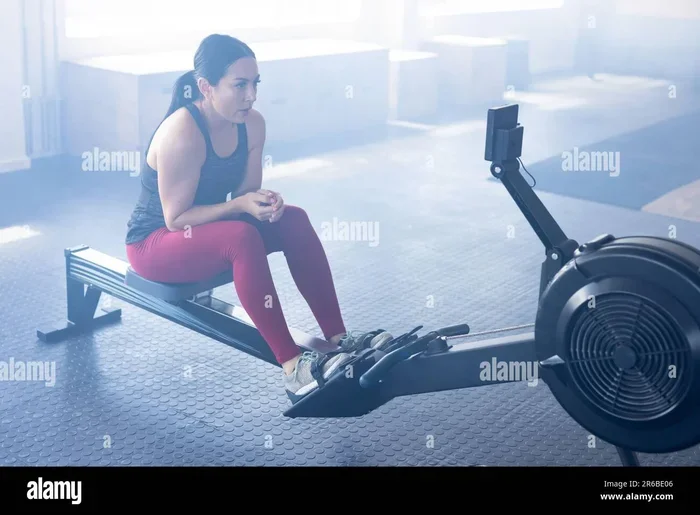
The rowing machine is tough because it demands full body effort, proper technique, and serious cardio endurance all at once. Unlike simple cardio machines, the rower pushes your legs, back, arms, and lungs to work together. Understanding why the rowing machine is so hard is the first step to mastering it.
So you hopped on the rowing machine at the gym, pulled a few strokes, and immediately felt like you were about to pass out. Sound familiar? You are not alone. The rowing machine has a reputation for being brutally hard, and for good reason. It is one of the most demanding pieces of workout equipment you will find in any gym.
But here is the thing. The rower is hard for a reason. It is designed to push your entire body to work as one unit. Every stroke forces your legs, core, back, and arms to fire up at the same time. On top of that, your heart rate spikes fast, and your lungs start burning within minutes. If you have ever wondered why the rowing machine is so hard, this article breaks it all down.
We will look at the muscles involved, the cardiovascular demands, the mistakes that make it harder, and how you can build up your stamina over time. Whether you are a complete beginner or someone who keeps avoiding the rower, this guide will help you understand what is really going on.
Key Takeaways
- Full body demand: The rowing machine works over 80% of your muscles, which is why it feels so intense.
- Technique matters: Poor form makes the rower much harder and increases injury risk.
- Cardio overload: Your heart and lungs take a big hit, especially if you are new to indoor rowing.
- Start slow: Building stamina gradually is the best way to make the rower feel easier over time.
- Hard is not bad: The difficulty of the rowing machine is what makes it such an effective full body exercise.
- Common mistakes make it worse: Overgripping, rounding your back, and going too fast all add unnecessary struggle.
📑 Table of Contents
Why Is the Rowing Machine So Hard 2: Understanding the Challenge
The rowing machine is not just another cardio machine. It is a full body exercise that tests your strength, endurance, and technique all at the same time. That is what sets it apart from a treadmill or a stationary bike. When you run on a treadmill, your legs do most of the work. When you cycle, it is mostly your lower body again. But the rower? It asks everything of you.
This is exactly why why the rowing machine is so hard is such a common question. The answer comes down to a few key factors that we will dig into below. Understanding these factors will help you stop dreading the rower and start using it with confidence.
The rower is also a low impact exercise, which means it is gentle on your joints. But do not let that fool you. Low impact does not mean low intensity. You can get an incredible workout without pounding your knees and ankles, but the effort level is still very high.
The Full Body Demand
Here is a quick look at what happens during every single stroke:
- Your legs push against the footplate to drive you back.
- Your core stabilizes your torso throughout the movement.
- Your back and shoulders pull the handle toward your chest.
- Your arms finish the stroke by pulling the handle in close.
- Your entire body recovers as you slide forward and prepare for the next stroke.
That is a lot of muscles working together in a short amount of time. No wonder it feels so hard. The rower is a true full body workout machine, and that full body demand is the main reason it feels so intense compared to other cardio machines.
The Muscles Working Against You
When people ask why the rowing machine is so hard, they often do not realize just how many muscles are involved. The rower targets muscles from your feet all the way up to your fingertips. Let us take a closer look at the major muscle groups that make this machine so challenging.
Muscles That Make It Tough
Your legs are the powerhouse of the rowing stroke. Your quadriceps, hamstrings, glutes, and calves all fire hard during the drive phase. That is where most of the power comes from. If your legs are not conditioned for this kind of effort, the rower will feel brutal very fast.
Your core muscles, including your abdominals and lower back, keep your torso stable and protect your spine. A weak core means your body has to compensate in other ways, which leads to fatigue and poor form.
Your upper body also plays a huge role. Your lats, rhomboids, traps, biceps, and rear deltoids all work during the pull phase. Your forearms and grip muscles hold onto the handle the entire time. This is why your hands get tired and why your back can start to burn after just a few minutes.
Because so many muscles are working at once, your body uses a ton of energy. This leads to faster fatigue and a higher heart rate. That is the science behind why the rowing machine is so hard. It is not just one muscle group struggling. It is your whole body asking for a break at the same time.
Why Your Lungs and Heart Feel Like They Are On Fire
Another big part of the answer to why is the rowing machine so hard comes down to your cardiovascular system. The rower is an incredible cardio machine that pushes your heart and lungs to their limits. If you are new to indoor rowing, the breathlessness alone can make you want to jump off the machine.
Cardiovascular Demands
During a rowing workout, your heart has to pump blood to all those working muscles at the same time. Your legs need oxygen. Your back needs oxygen. Your arms need oxygen. Your brain needs oxygen too. The demand is enormous.
This is why your heart rate climbs so fast on the rower. Within a few minutes, you may find yourself breathing heavily. Your body is trying to deliver enough oxygen to keep up with the effort. That feeling of being out of breath is your cardiovascular system working overtime.
The good news is that this is exactly how you build endurance training and improve your rowing machine stamina. The more you use the rower, the more efficient your heart and lungs become at handling the demand. What feels impossible today will feel manageable in a few weeks if you stick with it.
Building Endurance Takes Time
Do not expect to hop on the rower and row for 30 minutes on day one. That is a recipe for frustration and burnout. Start with short sessions of 10 to 15 minutes and focus on keeping a steady pace. As your rowing machine cardio fitness improves, you can gradually increase the duration and intensity.
The key is consistency. Even three short rowing sessions per week will build your endurance over time. Your body adapts faster than you think, and what once felt impossibly hard will start to feel like a solid workout instead of a death sentence.
Common Mistakes That Make It Harder
Here is something that not many people talk about. A lot of the difficulty on the rowing machine comes from doing it wrong. Poor technique makes the rower feel 10 times harder than it actually needs to be. If you want to know why the rowing machine is so hard for you specifically, your form might be the culprit.
Poor Form and Technique
One of the biggest mistakes beginners make is using their arms too much. The rowing stroke starts with your legs, not your arms. If you yank the handle with your arms right away, you burn out your upper body and take away power from your legs. This makes the whole stroke less efficient and much more tiring.
Another common error is rounding your back. Your spine should stay neutral throughout the entire stroke. Rounding your back puts unnecessary stress on your lower back and wastes energy. Learning proper rowing machine form is essential if you want to make the machine feel easier and more effective.
Overgripping the handle is another mistake that drains your energy. You do not need a death grip on the handle. Hold it lightly and let your legs and back do the heavy lifting. This alone can make a huge difference in how hard the rower feels.
Going Too Hard Too Fast
Many people jump on the rower and try to go all out from the first stroke. This is a huge mistake. Starting at maximum effort will exhaust you within minutes and make you hate the machine. Instead, start at a comfortable pace and gradually increase your intensity as you warm up.
The goal is to find a rhythm that you can sustain. Think of it like a conversation pace. You should be able to speak a few words between strokes without gasping for air. Once you find that rhythm, the rower suddenly feels a lot more manageable.
How to Make the Rowing Machine Easier Over Time
The good news is that the rower gets easier. The more you use it, the more your body adapts to the demands of indoor rowing. Here are some practical tips to help you build up your tolerance and make the machine feel less intimidating.
Start With the Right Resistance
If your gym rower has adjustable resistance, start low. You do not need to crank it up to the maximum setting. A lower resistance allows you to focus on your rowing technique and build your base fitness without overwhelming your muscles. As you get stronger, you can slowly increase the resistance.
Think of it like adding weight to a barbell. You would not start with the heaviest weight on day one. The same logic applies to the rower. Gradual progression is the key to long-term improvement.
Focus on Your Stroke
Quality beats quantity every time on the rower. Instead of trying to row as fast as possible, focus on making each stroke smooth and efficient. A well-executed stroke uses your legs, core, and arms in the right sequence. This is the foundation of good rowing technique and the secret to making the rower feel easier.
If you want to get the most out of your rowing machine, consider filming yourself from the side to check your form. Look for a smooth, fluid motion with no jerky movements. Clean technique reduces wasted energy and makes every stroke count more.
Is the Rowing Machine Supposed to Feel This Hard?
The short answer is yes. The rowing machine is supposed to be challenging. That is what makes it such an effective piece of equipment. But there is a difference between productive discomfort and pain that signals something is wrong.
When Hard Is Good
Feeling challenged during a rowing workout is a sign that you are working hard enough to see results. The rower is a fantastic full body workout that builds strength, endurance, and cardiovascular fitness. The difficulty is part of what makes it so effective for calorie burn and overall fitness.
If you finish a rowing session feeling tired but accomplished, that is a good sign. The goal is to push yourself within a safe and sustainable range. The rower rewards consistency and patience. The harder you work, the better the results.
Knowing Your Limits
That said, there is a line between a tough workout and something that could cause injury. If you feel sharp pain in your lower back, knees, or wrists, stop immediately. The rower should challenge your muscles and your lungs, not cause joint pain.
People with existing back issues should be especially careful. If you have a history of lower back problems, consult a doctor or physical therapist before starting a regular rowing routine. Using the rower with proper form and appropriate resistance is the best way to stay safe while still getting a great workout.
For more on how the rower affects your body, check out what the rowing machine does to your body. And for tips on getting better results, visit how to get the most out of your rowing machine.
Final Thoughts
Why the rowing machine is so hard comes down to one simple truth. It asks your entire body to work together at a high intensity. Every muscle from your legs to your fingertips is involved in every stroke. Your heart and lungs have to keep up with the demand. And your technique has to be on point or the effort doubles for no good reason.
But here is the upside. The difficulty of the rower is exactly what makes it so effective. It is one of the best full body exercise machines you can use. It builds strength, burns calories, and improves your cardiovascular fitness like few other machines can. Once you master the basics, the rower becomes one of the most rewarding pieces of equipment in any gym.
So the next time you are on the rower and it feels impossibly hard, remember that the struggle is part of the process. Stay patient, focus on your form, and trust that your body will adapt. The rower will get easier, and the results will speak for themselves.
For more on the benefits of rowing, check out is the rowing machine the best full body workout. You can also learn more about how the rower targets your abs and how to nail your rowing form for a safer, more effective workout.
Frequently Asked Questions
Why does the rowing machine feel harder than a treadmill?
The rower engages over 80% of your muscles at once, while a treadmill mostly works your legs. This full body demand is what makes the rower feel significantly harder. Your arms, back, and core all contribute, which drains your energy much faster.
Is it normal to feel exhausted after 5 minutes on the rower?
Yes, especially if you are new to indoor rowing. The combination of strength and cardio demands means your body uses a lot of energy very quickly. As your endurance improves, you will be able to row for longer without feeling so drained.
Can poor form make the rowing machine harder than it needs to be?
Absolutely. Using your arms too early, rounding your back, or overgripping the handle all make the rower less efficient. Learning proper rowing machine form can dramatically reduce the difficulty and help you row longer with less fatigue.
How long does it take to get comfortable on the rowing machine?
Most people start feeling more comfortable after 2 to 3 weeks of consistent rowing, 3 to 4 times per week. Your body adapts quickly to the rowing machine workout demands once you give it regular practice and time to build stamina.
Should I increase the resistance on the rower to make it harder?
Not right away. Start with low resistance and focus on your stroke technique. Once your form is solid and you can row comfortably for 15 to 20 minutes, you can slowly increase the resistance. Rushing this process leads to poor form and faster burnout.
Is the rowing machine a good exercise for weight loss?
Yes. The rower is one of the most effective machines for burning calories because it combines strength and cardio in one movement. If you want to learn more about how the rower supports weight loss, explore how effective the rowing machine is for weight loss and whether the rower is good exercise for weight loss.