Can You Use a Yoga Mat for Exercise
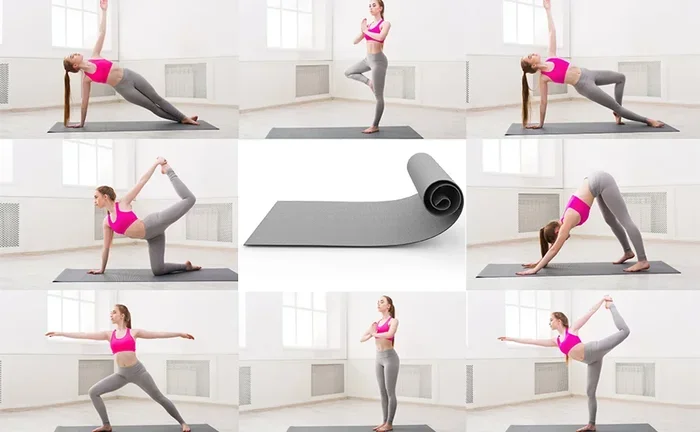
Yes, you can absolutely use a yoga mat for exercise. A yoga mat provides a comfortable, non-slip surface for floor workouts, stretching, and strength training. Whether you are doing core exercises, pilates, or bodyweight routines, the right mat can enhance your performance and protect your joints.
Can you use a yoga mat for exercise? The short answer is yes. A yoga mat is one of the most versatile pieces of fitness equipment you can own. People often think of yoga mats as tools only for yoga poses, but they serve so much more. You can use them for stretching, floor exercises, pilates, and even bodyweight strength training. Whether you are a beginner or a seasoned fitness enthusiast, a good mat can transform your workout experience.
Using a yoga mat for exercise gives you a dedicated, clean surface to work on. It cushions your joints and prevents slipping. Think about doing push-ups on a bare wooden floor. Not comfortable, right? A mat solves that problem instantly. It also creates a personal space that signals your brain it is time to focus and move.
In this article, we will explore everything you need to know about using a yoga mat for different types of exercise. We will cover the benefits, the best mat types, common mistakes, and practical tips. By the end, you will know exactly how to get the most out of your mat for every workout.
Key Takeaways
- Versatile Use: A yoga mat works for many types of exercise beyond just yoga, including stretching, core work, and floor-based strength training.
- Joint Protection: The cushioning helps reduce impact on knees, hips, and spine during exercise on hard surfaces.
- Better Grip: Quality mats provide a non-slip surface that keeps you stable during movements.
- Portable and Convenient: Yoga mats are lightweight and easy to carry, making them great for home workouts and travel.
- Multiple Thickness Options: Choose the right thickness based on the type of exercise you do most often.
- Easy to Maintain: Regular cleaning keeps your mat hygienic and performing well over time.
📑 Table of Contents
Why Use a Yoga Mat for Exercise?
A yoga mat might seem simple, but it plays a big role in your workout. Let us look at the main reasons why people use them for exercise beyond yoga.
Joint Protection and Comfort
Hard floors are tough on your body. Your knees, hips, and spine take a beating when you exercise directly on tile or hardwood. A yoga mat provides cushioning and support that reduces pressure on your joints. This is especially important for exercises like planks, lunges, and seated stretches.
People with sensitive joints or existing injuries benefit greatly from using a mat. The padding absorbs impact and helps you exercise longer without pain. This means you can push your limits safely.
Improved Grip and Stability
Slipping during a workout is frustrating and dangerous. A quality yoga mat offers a non-slip surface that keeps your hands and feet in place. This is crucial for balance exercises, standing poses, and dynamic movements.
When your feet stay put, you engage the right muscles. You do not waste energy fighting to stay stable. Over time, this leads to better form and fewer injuries.
Hygiene and Personal Space
Working out on a shared floor or gym mat can expose you to bacteria and sweat from others. Having your own personal exercise mat solves this problem. You control what touches your skin during every workout.
A clean mat also gives you a mental boundary. It becomes your workout zone. This small ritual helps you get into the right mindset for exercise.
Types of Yoga Mats for Exercise
Not all yoga mats are the same. Different types work better for different kinds of exercise. Here is a breakdown of the most common options.
Standard Yoga Mats
These are the most popular mats you will find. They are usually about 1/4 inch thick and made from PVC, TPE, or rubber. Standard mats work great for yoga, stretching, and light floor exercises. They offer a good balance of cushioning and stability.
If you mostly do gentle workouts or yoga, a standard mat is all you need. They are affordable and widely available. You can even find them at most department stores.
Thick Exercise Mats
Thick mats, often around 1/2 inch or more, provide extra cushioning. They are ideal for exercises that involve lying on the floor for extended periods. Think pilates, floor stretches, or recovery exercises.
However, thick mats can be less stable for standing exercises. The extra padding can make your ankles wobble. If you do a mix of standing and floor work, you might want a standard thickness instead.
Travel and Portable Mats
These mats are lightweight and fold up easily. They are perfect for people who exercise at home and also want to bring their mat to the gym or outdoors. Travel mats are thinner than standard mats but still provide adequate coverage for most exercises.
Some travel mats roll up with a strap, making them super easy to carry. They are a great option if you have limited storage space at home.
Best Exercises to Do on a Yoga Mat
A yoga mat opens up a wide range of exercise possibilities. Here are some of the best exercises you can do on a mat.
Floor-Based Strength Training
You can do plenty of strength exercises on a yoga mat. Push-ups, tricep dips, and bodyweight rows all work well. The mat provides a comfortable surface for your hands and knees. It also keeps you from sliding around during these movements.
Core exercises like crunches, leg raises, and bicycle twists feel much better on a mat too. The cushioning protects your lower back and tailbone. You can focus on squeezing your abs instead of bracing against a hard floor.
Stretching and Flexibility Work
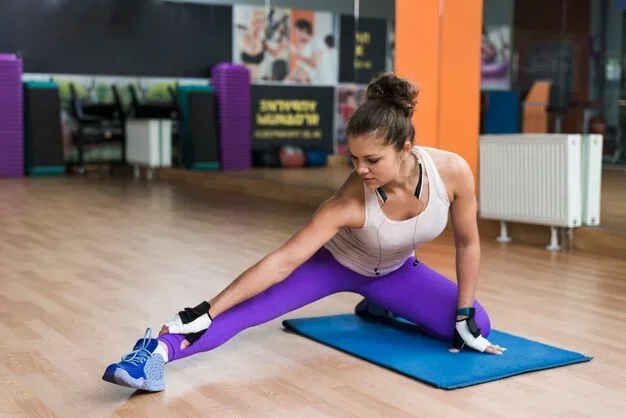
Stretching is where yoga mats truly shine. Whether you are working on hamstring stretches, hip openers, or spinal twists, a mat gives you a soft, stable surface. You can hold stretches longer without discomfort.
Regular stretching on a mat improves your flexibility over time. This carries over into other exercises and daily activities. Better flexibility means less risk of injury during all kinds of movement.
Pilates and Balance Work
Pilates exercises rely heavily on a mat for support. Movements like the hundred, roll-ups, and side kicks need a cushioned surface. The mat helps you maintain proper alignment while you work through each repetition.
Balance exercises also benefit from a mat. Single-leg stands, tree pose variations, and gentle swaying movements feel more secure on a non-slip surface. The mat gives you confidence to challenge your balance safely.
You can also use a yoga mat for jump rope warm-ups by placing it nearby for quick stretching breaks between sets.
How to Choose the Right Yoga Mat for Exercise
Choosing the right mat matters more than you might think. The wrong mat can make exercises harder or even cause discomfort. Here is what to look for.
Consider Thickness
Thickness affects both comfort and stability. Thinner mats (around 3-5mm) offer better ground feel and stability. They work well for standing exercises and active movements. Thicker mats (6mm or more) provide more cushioning for floor work and recovery.
Think about what you do most often. If your routine is mostly standing, go thinner. If you spend more time lying down, choose something thicker.
Look at Material
Yoga mats come in PVC, TPE, rubber, and cork. Each material has its pros and strengths:
- PVC: Durable, affordable, and easy to clean. Great all-around choice.
- TPE: Lightweight and eco-friendly. Good for travel.
- Natural Rubber: Excellent grip and cushioning. Heavier but very durable.
- Cork: Naturally antimicrobial and stylish. Provides a unique feel underfoot.
Your choice depends on your priorities. If you want durability, go with PVC or rubber. If sustainability matters, look at TPE or cork options.
Check the Size
Standard mats are about 68 inches long. If you are taller than average, consider an extra-long mat. You want your whole body to fit comfortably on the mat during exercises. A mat that is too short can leave your heels or head hanging off the edge.
Common Mistakes When Using a Yoga Mat for Exercise
Even simple mistakes can reduce the effectiveness of your workout or lead to injury. Here are some pitfalls to avoid.
Choosing the Wrong Thickness
As mentioned earlier, thickness matters a lot. Using a super thick mat for standing exercises can make you feel unsteady. On the flip side, using a very thin mat for floor work can be uncomfortable. Always match the mat thickness to your primary type of exercise.
Skipping Mat Cleaning
Sweat, dirt, and bacteria build up on your mat over time. A dirty mat can cause skin irritation and odors. To keep your mat fresh, learn what you use to clean a yoga mat properly and make it part of your routine.
Wiping down your mat after every use with a gentle cleaner goes a long way. You do not need anything fancy. A mild soap and water solution works perfectly for most mats.
Ignoring Grip Issues
A mat that slips on the floor is more than just annoying. It can actually cause injuries if you shift your weight and the mat moves. If your mat slides around, try placing a towel underneath it or choosing a mat with a textured bottom.
Some people also experience sweaty hands on the mat surface. A yoga towel placed on top can help with this. You might also want to explore using a towel as a yoga mat in certain situations for added grip.
Quick Tips for Getting the Most from Your Yoga Mat
Here are some practical tips to help you use your yoga mat effectively for exercise:
- Roll it out on a flat surface. Uneven floors cause instability and reduce the mat’s effectiveness.
- Store it properly. Avoid leaving it in direct sunlight or extreme heat, which can degrade the material.
- Replace when worn. A mat that is thinning or cracking no longer provides adequate support or grip.
- Use it consistently. The more you use your mat, the more familiar it becomes. This builds confidence in your movements.
- Combine with other gear. Yoga blocks, straps, and resistance bands pair well with a mat for a complete home workout setup.
Your mat is a simple tool, but it can make a huge difference in your exercise routine. Treat it well, and it will serve you for years.
If you are exploring alternatives, you might wonder what else you can use. Check out what you can use instead of a yoga mat for more options when a mat is not available.
Conclusion
So, can you use a yoga mat for exercise? Absolutely. A yoga mat is a simple yet powerful tool that supports a wide range of workouts. From strength training to stretching, pilates to balance work, the right mat enhances every session. It protects your joints, improves your grip, and gives you a clean, personal space to focus on your fitness goals.
Choosing the right mat comes down to understanding your needs. Consider thickness, material, and size. Avoid common mistakes like skipping cleaning or ignoring grip issues. With the right mat and proper care, you will enjoy safer, more effective workouts for a long time to come.
Start using your yoga mat for exercise today. Your body will thank you for it. Roll out your mat, pick a workout, and take the first step toward a stronger, more flexible you.
Frequently Asked Questions
Can I use a yoga mat for high-intensity workouts?
Yes, you can use a yoga mat for high-intensity workouts. However, you may want a thicker, more durable mat that can handle frequent movement and pressure. Look for mats labeled as exercise or fitness mats for the best results during intense sessions.
Is a yoga mat necessary for home exercise?
A yoga mat is not strictly necessary, but it is highly recommended. It provides cushioning, grip, and hygiene benefits that make floor exercises much more comfortable and safer. Even a thin mat can make a noticeable difference in your home workouts.
Can I use a yoga mat on carpet?
Yes, you can use a yoga mat on carpet. However, the carpet may bunch up under the mat and create uneven spots. For the best experience, use your mat on a flat, hard surface when possible. If you must use it on carpet, smooth the carpet underneath before starting.
How often should I clean my yoga mat for exercise use?
You should clean your yoga mat after every use if possible. At minimum, give it a thorough cleaning once a week. Regular cleaning removes sweat, bacteria, and odors. This keeps your mat hygienic and extends its lifespan significantly.
What is the best yoga mat thickness for exercise?
The best thickness depends on your exercise type. For standing exercises and active movement, a 3-5mm mat offers the best stability. For floor work and stretching, a 6mm or thicker mat provides more comfort. Choose based on what you do most often in your routine.
Can I use a yoga mat for outdoor exercise?
Yes, yoga mats work well for outdoor exercise on grass, pavement, or beach sand. Just be aware that outdoor surfaces can be rough and may wear down your mat faster. A thicker or more durable mat holds up better for regular outdoor use. Always clean your mat thoroughly after outdoor workouts.