How to Know What Size Barbell to Get
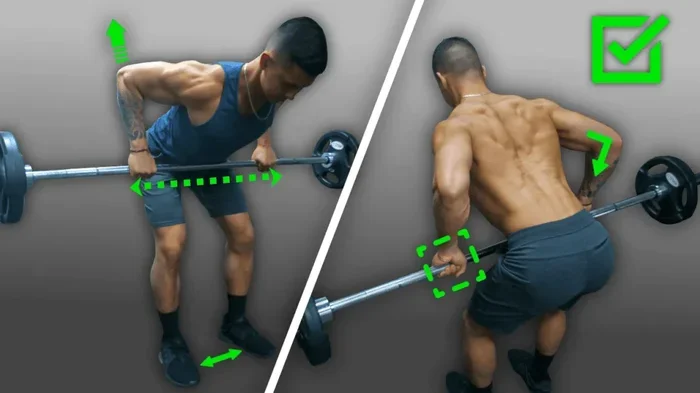
Finding the right barbell size depends on your training goals, available space, and the exercises you plan to perform. A standard barbell is about 7 feet long and weighs 45 pounds, but Olympic bars, specialty bars, and shorter training bars all serve different purposes. This guide walks you through every factor to consider so you pick the perfect bar for your home gym or commercial setup.
Choosing a barbell might seem simple at first glance. You walk into a gym supply store or browse online, and suddenly there are dozens of options. Different lengths, diameters, weights, and finishes can make the decision overwhelming. But here is the truth: picking the right barbell size does not have to be complicated. Once you understand what matters, the choice becomes much clearer.
Your barbell is the backbone of so many exercises. Squats, deadlifts, bench presses, and rows all depend on having the right tool. A bar that is too short limits your movement. One that is too thin or weak can bend or even snap under heavy loads. On the flip side, the perfect bar feels like a natural extension of your body. It supports your form, handles your weight, and lasts for years.
In this guide, we break down everything you need to know about barbell size. We cover length, diameter, weight capacity, sleeve specs, and more. By the end, you will know exactly what to look for and feel confident making a purchase. Whether you are building a home gym or upgrading a commercial setup, this article has you covered.
Key Takeaways
- Standard vs. Olympic bars differ in diameter, sleeve length, and weight capacity.
- Your training style (powerlifting, CrossFit, or general fitness) determines the best barbell size.
- Shaft length, whip, and knurling all affect your comfort and performance.
- Always check weight capacity before buying to match your current and future strength levels.
- Space constraints matter, especially if you train at home.
- Budget plays a role, but investing in the right bar prevents injuries and improves results.
📑 Table of Contents
- Understanding Barbell Types and Their Sizes
- Key Measurements That Define Barbell Size
- How to Choose the Right Barbell Size for Your Goals
- Barbell Weight Capacity and Why It Matters
- Common Mistakes When Choosing Barbell Size
- Quick Tips for Picking the Perfect Barbell
- Final Thoughts on Choosing Your Barbell Size
Understanding Barbell Types and Their Sizes
Not all barbells are created equal. Different types serve different purposes, and each comes with its own standard barbell size measurements. Let us walk through the most common types you will encounter.
Standard Barbells
A standard barbell is the classic straight bar you see in most gyms. It is typically about 7 feet long and weighs 45 pounds (20 kilograms). The shaft diameter is usually around 1 inch (25mm). Standard bars work well for general fitness, home gyms, and beginner lifters. They are affordable, versatile, and widely available.
Olympic Barbells
Olympic barbells are designed for competitive weightlifting. They are slightly longer and thicker than standard bars. The shaft diameter is typically 28mm to 29mm, and the sleeves rotate freely to accommodate Olympic weight plates. Olympic bars also have more whip, which helps with explosive movements like cleans and snatches. If you are serious about lifting, an Olympic barbell size is worth the investment.
Short and Specialty Bars
Some lifters need something different. Short bars, often around 5 to 6 feet, work well for limited spaces or specific exercises. Specialty bars like trap bars, EZ bars, and safety squat bars have unique shapes and dimensions. These are niche tools, but they serve specific training needs very well.
Key Measurements That Define Barbell Size
When people talk about barbell size, they are usually referring to a few specific measurements. Understanding these numbers helps you compare bars and make informed decisions.
Shaft Length
The shaft is the smooth center section where you grip the bar. Shaft length typically ranges from about 51 inches to 57 inches for standard bars. A longer shaft gives you more room to adjust your hand placement, which matters for different exercises and body proportions.
Sleeve Length
The sleeves are the ends of the bar where weight plates load on. Olympic bar sleeves are usually about 16 to 17 inches long. Longer sleeves mean you can load more plates without them rubbing against each other. This is especially important if you lift heavy or use bumper plates.
Overall Length
Overall barbell length for a standard Olympic bar is around 7.2 feet (2.2 meters). Shorter bars may be 5 to 6 feet. The overall length affects how the bar fits in your space and how it feels during lifts. If you have a small room, a shorter bar might be more practical.
Diameter
Bar diameter affects grip comfort and bar stiffness. Thinner bars (25mm) are common on standard bars and can feel more comfortable for smaller hands. Thicker bars (28mm to 29mm) are typical on Olympic bars and build grip strength over time. Some specialty bars go even thicker at 30mm or more.
How to Choose the Right Barbell Size for Your Goals
Your training goals should drive your choice of barbell size. A powerlifter has different needs than a CrossFit athlete or a casual home gym user. Let us look at how to match the bar to your goals.
For Powerlifting
Powerlifting focuses on three main lifts: squat, bench press, and deadlift. For these movements, you want a stiff bar with minimal whip. A standard Olympic barbell with a 28mm to 29mm shaft and a weight capacity of at least 750 pounds works well. The knurling should be aggressive enough to prevent your hands from slipping, especially on heavy pulls.
Make sure the barbell size fits your rack. Some power bars are slightly shorter or longer than standard, so measure your rack’s hole spacing before buying. Also, check if the bar fits your setup properly — a bar that is too short can limit your squat depth or deadlift range of motion.
For CrossFit and Olympic Weightlifting
CrossFit and Olympic lifting demand bars with more whip and rotating sleeves. The whip helps absorb shock during explosive movements like cleans and snatches. Look for bars with a 28mm to 29mm shaft, rotating sleeves rated for at least 1000 pounds, and a durable chrome or nickel finish. The barbell size should also allow for smooth double-unders and dynamic movements in your WODs.
For General Fitness and Home Gyms
If you are training at home for general fitness, a standard barbell is a great starting point. A 7-foot, 45-pound bar with a 1-inch shaft handles most exercises comfortably. You do not need the most expensive bar. Focus on a solid build, decent weight capacity (at least 500 pounds), and a knurling pattern that feels good in your hands.
For Limited Spaces
Small home gyms call for shorter bars. A 5-foot or 6-foot barbell takes up less room and still allows you to perform most exercises. Just be aware that shorter bars may limit your plate loading options. If you have limited space, measure your workout area first and then choose a barbell size that fits comfortably with room to move.
Barbell Weight Capacity and Why It Matters
Weight capacity is one of the most important factors when choosing a barbell. It determines how much total weight the bar can safely handle, including the bar itself plus all the plates. Using a bar that is under-rated for your loads is dangerous and can lead to equipment failure or injury.
Standard bars typically handle 500 to 750 pounds. Olympic bars for serious lifters can handle 1000 to 1500 pounds or more. Specialty bars may have lower capacities. Always check the manufacturer’s rated capacity and choose a bar that exceeds your current max by a comfortable margin. This gives you room to grow and train for years without needing to replace the bar.
If you are training with very heavy loads, the barbell size and construction quality matter even more. Look for high-quality steel, proper heat treatment, and solid welds. A well-built bar from a reputable brand will last a lifetime and keep you safe under heavy weights.
Common Mistakes When Choosing Barbell Size
Many lifters make avoidable mistakes when picking a barbell. Here are the most common ones and how to steer clear of them.
Ignoring Sleeve Length
Short sleeves limit how many plates you can load. This might not matter for light training, but it becomes a real problem as you get stronger. Always check sleeve length before buying, especially if you plan to lift heavy over time.
Overlooking Bar Whip
A bar that is too stiff or too flexible can hurt your lifts. Powerlifters want minimal whip, while Olympic lifters need more. Choosing the wrong whip profile for your training style leads to poor performance and frustration.
Buying Based on Price Alone
A cheap bar might save you money upfront, but it can bend, corrode, or fail under load. Invest in quality. A good bar is one of the few pieces of equipment you will never need to replace if you choose wisely.
Not Measuring Your Space
A 7-foot barbell needs room. If your gym area is small, a full-size bar may not fit. Measure before you buy, and consider a shorter bar if space is tight. You can always upgrade later as your setup grows.
Quick Tips for Picking the Perfect Barbell
- Measure your space first. Know how much room you have before shopping for a barbell.
- Check the weight capacity. Always choose a bar rated above your current max lift.
- Hold the bar before buying. If possible, grip the bar in person to test comfort.
- Consider your training style. Powerlifting, Olympic lifting, and general fitness each call for different features.
- Read reviews from other lifters. Real-world feedback helps you avoid low-quality bars.
- Think about future progress. Buy a bar that will still work for you as you get stronger.
The right barbell size makes every lift better. It supports your form, handles your weight, and feels good in your hands. Take the time to research, compare, and choose wisely. Your future self will thank you every time you step under the bar.
Whether you are a beginner just starting out or an experienced lifter looking to upgrade, the principles remain the same. Focus on the measurements that matter, match the bar to your goals, and invest in quality. A well-chosen barbell becomes a trusted training partner that serves you for years to come.
Final Thoughts on Choosing Your Barbell Size
Selecting the right barbell size comes down to understanding your needs and matching them to the right specifications. Length, diameter, weight capacity, and sleeve design all play a role. There is no one-size-fits-all answer, but with the right knowledge, you can confidently choose a bar that fits your body, your goals, and your space.
Start by identifying your training style. Then narrow down your options based on the key measurements we covered. Check weight capacity, read reviews, and if possible, test the bar in person. These steps will guide you to a barbell that performs well, feels great, and lasts a long time.
The best barbell is the one that disappears into your training. You forget about the equipment and focus on the work. That is the goal. Use the tips in this guide to find your perfect match and take your lifting to the next level.
Frequently Asked Questions
What is the standard barbell size for most lifters?
The standard barbell is about 7 feet long, weighs 45 pounds, and has a 1-inch shaft diameter. It works well for general fitness, home gyms, and beginner lifters. This barbell size handles most exercises comfortably and is widely available at affordable prices.
How do I know if a barbell is too short for me?
If you feel restricted during squats or deadlifts, the bar might be too short. A bar that is too short can also limit your plate loading options. Check out our guide on How To Know If A Barbell Is Too Short to learn the key signs and measurements that matter.
Can I use a shorter barbell for heavy lifting?
Yes, shorter bars can work for heavy lifting, but they may limit your range of motion and plate loading. They are best suited for lifters with limited space or specific training needs. Always check the weight capacity of a shorter bar before using it for heavy sets.
What barbell size is best for a home gym?
A standard 7-foot Olympic barbell is the best all-around choice for a home gym. It fits most racks, handles a wide range of exercises, and supports loads up to 750 pounds or more. Choose a bar with a durable finish and smooth-rotating sleeves for the best experience.
Does barbell length affect exercise performance?
Yes, barbell length affects your leverage, grip placement, and range of motion. A longer bar gives more room for hand adjustments, while a shorter bar can feel more compact and stable. The right length depends on your body size, training style, and the exercises you perform.
How much should I spend on a quality barbell?
A good quality barbell typically costs between $150 and $400 for most lifters. Olympic bars for serious training can run higher. Investing in a well-built bar pays off in durability, performance, and safety. Avoid the cheapest options, as they often bend or wear out quickly under regular use.