How to Tie Yoga Mat with Strap 2
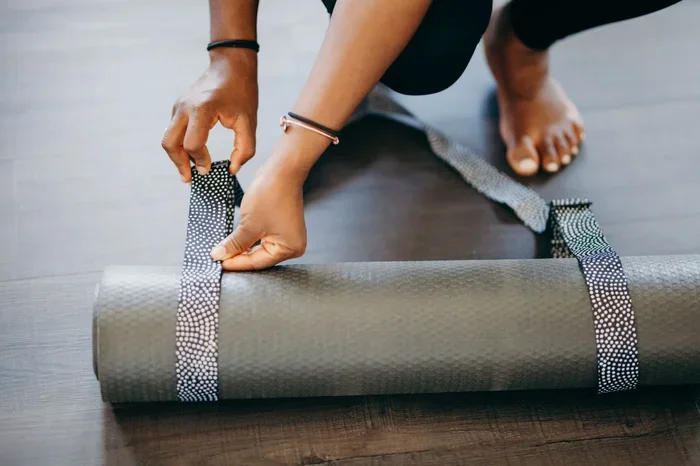
Tying your yoga mat with a strap keeps it secure, clean, and easy to carry. This guide covers simple knot methods, wrapping techniques, and pro tips for tying yoga mat with strap 2. You will learn how to secure yoga mat strap properly so your mat stays flat and protected during transport.
Tying a yoga mat with a strap might seem simple, but doing it right makes a big difference. A properly tied yoga mat stays flat, stays clean, and is much easier to carry. Whether you are heading to class or storing your mat at home, the way you fasten it matters.
This guide walks you through everything you need to know about tying yoga mat with strap 2. We will cover different methods, common mistakes, and expert tips that make the process quick and easy. By the end, you will feel confident tying your mat every single time.
A yoga mat strap is more than just a piece of fabric or rope. It is a simple tool that protects your mat from dirt, damage, and slipping. Learning how to use one correctly saves you time and extends the life of your mat. Let us dive in.
Key Takeaways
- Know Your Strap Type: Different yoga straps work better for different tying methods and mat sizes.
- Master the Basic Knot: A simple overhand knot keeps your mat secure without damaging it.
- Wrap Tightly, Carry Easy: Proper wrapping prevents slipping and keeps your mat flat during transport.
- Protect Your Mat: Using a strap correctly reduces wear, dirt buildup, and floor sliding.
- Multiple Methods Exist: You can tie, loop, or cinch your mat depending on your needs.
- Storage Matters: A well-tied mat stores better and lasts longer.
📑 Table of Contents
- Why Tying Your Yoga Mat With a Strap Matters
- Types of Yoga Straps You Can Use
- Step-by-Step: How to Tie Yoga Mat With Strap 2
- Best Knots and Tying Methods for Yoga Mats
- Common Mistakes to Avoid When Tying Your Mat
- Pro Tips for Carrying and Storing Your Yoga Mat
- When to Replace Your Yoga Mat Strap
- Final Thoughts
Why Tying Your Yoga Mat With a Strap Matters
Many people skip tying their mat altogether. They toss it into a bag or carry it under their arm. This might work in a rush, but it causes problems over time. A loose mat bunches up, collects dust, and can even tear at the edges.
Using a yoga mat strap keeps everything neat and organized. It also makes carrying your mat much more comfortable. One hand stays free when you walk, bike, or drive to your practice space.
Here are the main reasons tying your mat with a strap matters:
- Protection: A tied mat stays clean and avoids picking up dirt from floors or bags.
- Easy Transport: You can carry your mat over your shoulder or clip it to a bag.
- Storage: A tied mat takes up less space in closets, car trunks, or storage bins.
- Longevity: Proper securing prevents creasing and material wear.
- Hygiene: Keeping your mat rolled and fastened reduces bacteria and odor buildup.
How a Strap Protects Your Yoga Mat
When your mat rolls up loosely, the edges can fold and crack. Over time, this damage becomes permanent. A yoga strap holds the roll tight and even. This keeps the surface flat and the material supple.
Straps also prevent your mat from sliding around. A mat that shifts inside a bag picks up grime and moisture. Tying it down keeps everything contained and fresh.
Types of Yoga Straps You Can Use
Not all straps are the same. Different materials and designs work better for different tying styles. Understanding your options helps you choose the right one for your needs.
Fabric Yoga Straps
Fabric straps are the most common type. They are soft, adjustable, and gentle on your mat. Most fabric straps use a buckle or tie-end closure. You can easily adjust the length to fit any mat size.
These straps work great for tying yoga mat with strap 2 because they hold firm without slipping. Look for straps made from cotton or polyester blend for durability.
Rope-Style Straps
Rope-style straps are thicker and more rugged. They are ideal if you carry your mat outdoors or in rough conditions. If you want a DIY option, check out how to make a yoga mat strap with rope at home using simple materials.
Rope straps hold a very tight knot. They are excellent for long trips or outdoor yoga sessions where your mat might get dirty.
Elastic and Adjustable Bands
Elastic bands stretch to fit your mat and snap back into place. They are quick to use and require no complicated tying. However, they may not hold as tightly as fabric or rope straps for longer periods.
If you prefer simplicity, an elastic band is a great option. Just make sure it is strong enough to keep your mat from unraveling during transport.
Step-by-Step: How to Tie Yoga Mat With Strap 2
Now let us get into the actual process. Tying your mat with a strap involves a few simple steps. Follow along and you will have your mat secured in no time.
Step 1: Roll Your Mat Properly
Before you tie anything, make sure your mat is rolled correctly. Start from the bottom edge and roll it up tightly. A tight roll is the foundation of a good tie. If your mat is loose, it will unravel even with a strap on.
Try to keep the roll even. Uneven rolls create bumps and make the strap slide off. Smooth out any air bubbles as you roll.
Step 2: Position the Strap
Place the strap across the rolled mat about one-third of the way from the bottom. This gives you the best balance when carrying. If you place the strap too close to the end, the mat will flop open.
For tying yoga mat with strap 2, position the second strap about two-thirds up from the bottom. This creates a balanced hold that keeps the roll firm and stable.
Step 3: Loop and Pull
Bring both ends of the strap around the mat and pull them tight. The strap should be snug but not so tight that it warps the mat. You want firm pressure without squeezing the material out of shape.
If your strap has a buckle, fasten it now. If it uses a tie-end, wrap it around once and pull through to form a simple knot. For a more secure hold, try a double knot.
Step 4: Secure the Second Strap
Repeat the same process with the second strap. Pull it tight and tie it off. Now your mat should feel firm and compact when you pick it up.
Give the roll a gentle shake. If the straps shift or the mat loosens, tighten them again. A well-secured mat should feel solid and not move around.
Step 5: Adjust for Comfort
Hold the tied mat by the straps and adjust the length. The straps should be long enough to carry over your shoulder or hold in one hand. If they are too long, wrap the excess around the roll once before tying.
This final adjustment makes carrying your mat feel natural and easy. You should be able to walk, climb stairs, or get in and out of a car without the mat shifting.
Best Knots and Tying Methods for Yoga Mats
Not all knots work the same way. Some are better for quick use, while others hold tighter for long trips. Here are the most effective methods for securing your yoga mat strap.
The Overhand Knot
The overhand knot is the simplest and most reliable. Just cross the strap ends, pull one through the loop, and tighten. This knot works well for fabric straps and is easy to untie when you need your mat.
Most people already know how to tie an overhand knot. It is the same basic knot used in shoelaces. For a more secure version, use a double overhand knot.
The Loop and Cinch Method
This method works great for longer straps. Wrap the strap around the mat, create a loop, and then cinch it by pulling the tail through the loop. This creates a self-tightening hold that stays firm.
The loop and cinch method is ideal if you frequently take your mat on and off. You can quickly loosen and re-tighten without retying the whole thing.
The Figure-Eight Wrap
For a decorative yet functional tie, try the figure-eight wrap. Cross the strap over itself in a figure-eight pattern around the mat roll. This method looks clean and holds very well.
The figure-eight wrap is especially useful for yoga mat carrying because it distributes pressure evenly. Your mat stays flat and the strap does not dig into the material.
Quick Comparison of Knot Methods
| Method | Ease of Use | Hold Strength | Best For |
|---|---|---|---|
| Overhand Knot | Very Easy | Good | Daily use and quick carry |
| Loop and Cinch | Easy | Very Strong | Long trips and outdoor use |
| Figure-Eight Wrap | Moderate | Excellent | Clean look and even pressure |
Common Mistakes to Avoid When Tying Your Mat
Even experienced yoga practitioners make mistakes when tying their mats. Avoid these common errors to keep your mat in great shape.
Tying Too Tight
It might seem logical to pull the strap as tight as possible. But over-tightening can warp your mat and crease the surface. Over time, tight straps cause permanent damage to the material.
Instead, pull the strap snug and firm. You should be able to slide a finger between the strap and the mat. This gives you a secure hold without damaging the surface.
Using the Wrong Strap Length
A strap that is too short will not reach around your mat. A strap that is too long will flop around and come undone. Measure your mat and choose a strap that fits properly.
Most standard yoga mats work with straps that are 6 to 8 feet long. If your mat is extra long or extra thick, you may need a longer strap.
Skipping the Tight Roll
Tying a loose mat is the number one mistake people make. If your mat is not rolled tightly before you strap it, the whole thing will unravel the moment you pick it up.
Always roll your mat first, then apply the straps. This simple habit saves you from frustration and keeps your mat looking new.
Forgetting to Check the Straps
Straps can loosen during transport, especially if you are walking or biking. Always check your knots before you start moving. A quick tug on each strap takes just a few seconds and prevents accidents.
Pro Tips for Carrying and Storing Your Yoga Mat
Once your mat is tied, how you carry and store it makes a difference too. These pro tips help you get the most out of your yoga strap and keep your mat in top condition.
Carry With Confidence
If you are heading to class, carry your mat by the straps over one shoulder. This frees your other hand for your bag, water bottle, or keys. For longer walks, switch shoulders to avoid strain.
You can also learn more about using a yoga strap to carry your mat for additional carrying techniques that work well in different situations.
Store Your Mat Properly
When you get home, do not just toss your tied mat in a closet. Hang it on a hook or lay it flat on a shelf. Storing a mat while it is still tied can create permanent creases over time.
For long-term storage, remove the straps and let the mat relax. This keeps the material flexible and prevents cracking or peeling.
Clean Your Mat Before Rolling
A clean mat rolls better and stays fresher longer. Before you strap it up, give it a quick wipe-down with a yoga mat cleaner made with essential oils or a gentle spray solution.
Clean mats also prevent bacteria from getting trapped in the rolled layers. This is especially important if you practice hot yoga or sweat heavily during your sessions.
When to Replace Your Yoga Mat Strap
Even the best straps wear out over time. Fraying edges, weak buckles, and stretched fabric all signal that it is time for a replacement. A worn-out strap will not hold your mat securely, which defeats the purpose.
Inspect your strap regularly. If you notice any tears, stretching, or broken hardware, replace it right away. A new strap is inexpensive and keeps your mat protection at its best.
You can also explore how to put a strap on a yoga mat using different attachment methods if your current strap no longer works with your mat.
Final Thoughts
Learning how to tie yoga mat with strap 2 is a simple skill that pays off every time you practice. A properly tied mat stays clean, carries easily, and lasts much longer than one that is tossed around loose.
Start with the basic overhand knot and work your way up to more advanced methods like the loop and cinch or figure-eight wrap. Each technique has its own benefits, so find the one that works best for your routine.
The most important thing is consistency. Make tying your mat a habit after every session. Your mat will thank you with better performance and a longer lifespan. Keep practicing, keep carrying, and enjoy every moment on your mat.
Frequently Asked Questions
Can I use any type of strap to tie my yoga mat?
Yes, you can use fabric straps, rope straps, or elastic bands. Each type has its own benefits. Fabric and rope straps hold the tightest knots, while elastic bands are quick and easy. Choose the one that fits your mat size and carrying needs best.
How tight should I tie my yoga mat strap?
Tie the strap snug and firm, but not overly tight. You should be able to slide a finger between the strap and the mat. Over-tightening can warp the mat surface and cause permanent creasing over time.
What is the best knot for tying a yoga mat with a strap?
The overhand knot is the easiest and most reliable for daily use. For a stronger hold, try the loop and cinch method or the figure-eight wrap. Each method works well depending on your strap type and how long you need the mat to stay secured.
How do I carry my yoga mat once it is tied with a strap?
Carry the tied mat over one shoulder using the strap handles. This keeps one hand free for your bag or other items. For longer walks, switch shoulders to avoid arm strain. You can also clip the strap to a backpack for hands-free carrying.
Should I remove the strap when storing my yoga mat at home?
Yes, it is best to remove the strap for long-term storage. Keeping the strap on for extended periods can create permanent creases in the mat. Store the mat flat or hang it on a hook, and only use the strap when carrying or transporting.
Can I make my own yoga mat strap at home?
Absolutely. You can make a simple yoga mat strap using rope, fabric, or even old belts. Check out how to make a yoga mat strap with rope for a detailed DIY guide that uses common household materials and basic tying skills.