How Long Should a Yoga Mat Be 3
Choosing the right yoga mat length is essential for comfort, alignment, and safety during every session. A mat that is too short can restrict your movements, while one that is too long adds unnecessary weight and bulk. This guide breaks down standard yoga mat dimensions, helps you find the ideal size based on your height, and covers extra-long options for taller practitioners.
Have you ever started a yoga flow and realized your mat was just a few inches too short? Your toes hang off the edge. Your shoulders feel cramped. You shift and adjust, but nothing feels right. This is a frustrating experience that many yogis face, especially if they are taller or use a standard-sized mat without checking their measurements first.
The good news is that finding the perfect yoga mat length is simpler than you think. Once you know your body measurements and understand the available sizes, you can pick a mat that supports every pose, every stretch, and every breath. Whether you are a beginner or a seasoned practitioner, this guide will help you get the right fit.
In this article, we cover everything you need to know about yoga mat sizing. We will look at standard dimensions, explore options for taller bodies, and share practical tips for choosing the best mat for your needs. Let us dive in.
Key Takeaways
- Standard yoga mats are typically 68 inches long: This fits most people under 5’8″ comfortably.
- Taller yogis should consider 72-inch or 78-inch mats: Extra length gives your full body room to stretch and align properly.
- Mat width matters too: Standard width is 24 inches, but wider options exist for more stability.
- Thickness affects both comfort and portability: Thicker mats cushion joints but are heavier and bulkier.
- Always test your mat before buying if possible: Lie down on it to confirm your head and feet have enough space.
- Your practice style influences the ideal length: Standing flows need less length than restorative or Yin yoga.
- Check the yoga mat thickness guide alongside length for the best fit.
📑 Table of Contents
- Why Yoga Mat Length Matters
- Yoga Mat Length for Different Heights
- How to Measure for the Right Mat
- Extra Long Yoga Mats: Who Needs Them
- Yoga Mat Thickness and How It Relates to Length
- How Much Should You Spend on a Yoga Mat
- Common Mistakes When Choosing Yoga Mat Length
- Expert Tips for Maximizing Your Mat Life
- Final Thoughts
Why Yoga Mat Length Matters
Your yoga mat is the foundation of your practice. It is the surface where you balance, stretch, hold poses, and move through transitions. If the mat does not fit your body properly, it can affect your alignment, comfort, and even your safety during practice.
A mat that is too short forces you to compress your body into a small space. Your feet may hang off the edge. Your hands might not have enough room when you reach forward. Over time, this can lead to discomfort and even strain on your joints and muscles.
On the other hand, a mat that is too long can feel unwieldy. It takes up extra space in your home or gym bag. It can also bunch up under your feet during standing poses, creating a slip hazard. The sweet spot is a mat that gives you a few extra inches on each side of your body.
Standard Yoga Mat Dimensions
Most standard yoga mats come in a common size. The typical yoga mat dimensions are:
- Length: 68 inches (173 cm)
- Width: 24 inches (61 cm)
- Thickness: 3mm to 6mm (varies by model)
This size works well for the majority of practitioners. If you are under 5 feet 8 inches tall, a standard 68-inch mat should give you plenty of room. Your head and feet will both have a few inches of space at each end, which is exactly what you want for a comfortable practice.
However, if you are taller than average or simply prefer more space, you have options. Let us look at those next.
Yoga Mat Length for Different Heights
Finding the right mat starts with knowing your height. Here is a simple guide to help you match your body to the correct mat length.
Under 5 Feet 6 Inches
If you are shorter than 5 feet 6 inches, a standard 68-inch mat is likely more than enough. You will have extra room at both ends of the mat. Some people in this height range even prefer a 72-inch mat for extra comfort during restorative poses or when they like to spread out.
5 Feet 6 Inches to 5 Feet 10 Inches
This is the most common height range for adults. A 68-inch mat works well for most people here. If you want a little more breathing room, a 72-inch mat is a great choice. The extra four inches give you a buffer zone that makes poses like downward dog and upward dog feel much more spacious.
Over 5 Feet 10 Inches
If you are taller than 5 feet 10 inches, a standard 68-inch mat may feel tight. Your feet or hands could hang off the edge during certain poses. In this case, we strongly recommend a 72-inch or 78-inch yoga mat. These longer mats are designed specifically for taller bodies and ensure you have full support from head to toe.
For those who are 6 feet 2 inches or above, a 78-inch mat is almost essential. Some brands even offer mats that are 80 inches or longer. These extra-long mats are perfect for tall practitioners who want to move freely without any restrictions.
How to Measure for the Right Mat
Measuring for a yoga mat is straightforward, but it helps to follow a few simple steps to get an accurate result.
- Measure your height: Stand flat against a wall and mark the top of your head. Measure from the floor to that mark.
- Add a few inches: Add 4 to 6 inches to your height measurement. This gives you the minimum mat length you should look for.
- Consider your practice style: If you do lots of standing poses, you need more length for your legs. If you do mostly seated or restorative poses, a slightly shorter mat may work.
- Test the mat in person: If possible, lie down on the mat before purchasing. Make sure your head and feet have a few inches of space on each side.
These steps take only a few minutes, but they save you from buying a mat that does not fit. A proper fit makes every session better and safer.
Quick Tip: The Toe-Head Test
Here is a simple test you can do in any store or at home. Lie flat on the mat on your back. Your feet should not touch the end of the mat. Your head should also have a few inches of space in front of it. If both conditions are met, the mat is the right length for you. This is one of the easiest ways to check proper yoga mat fit before you commit to a purchase.
Extra Long Yoga Mats: Who Needs Them
Extra long yoga mats are becoming more popular, and for good reason. These mats typically range from 72 inches to 84 inches in length. They are designed for taller practitioners, but they also appeal to people who like extra room to spread out during their practice.
You might benefit from an extra long mat if:
- You are over 6 feet tall
- You practice styles like Yin yoga or restorative yoga, where you lie still for longer periods
- You share your mat with a partner for couple yoga or stretching sessions
- You simply prefer more personal space on your mat
One thing to keep in mind is that longer mats tend to be heavier and bulkier. They may not fit easily in a standard yoga bag. If portability is important to you, consider a mat that is 72 inches long. It adds just a few inches of length without adding too much weight or bulk.
Mat Width Considerations
While length gets most of the attention, width is equally important. The standard yoga mat width is 24 inches. This works for most people. However, if you have broader shoulders or prefer more stability during balance poses, you might want a wider mat.
Some brands offer mats that are 26 inches or even 30 inches wide. These wider mats give you more surface area to work with. They are especially helpful for people who do standing balance poses like tree pose or warrior III. Just remember that a wider mat also takes up more space in your practice area.
Yoga Mat Thickness and How It Relates to Length
When you are shopping for a yoga mat, length is not the only factor. Thickness plays a big role in comfort and support. The two work together to create your overall practice experience.
A thicker mat cushions your joints and spine. This is especially helpful during poses that put pressure on your knees, wrists, or tailbone. However, thicker mats are heavier and can be harder to carry to class or on trips.
A thinner mat is lighter and more portable. It also provides better ground feel, which many yogis prefer for balance poses. The trade-off is less cushioning, which can be hard on your joints during long sessions.
Most yoga mats come in thicknesses of 3mm, 5mm, or 6mm. If you prioritize cushioning, go with 5mm or 6mm. If you value portability and stability, a 3mm mat is a great choice. And if you want to explore this topic further, check out our guide on how thick a yoga mat needs to be for more detailed recommendations.
Matching Thickness to Your Practice Style
Different styles of yoga call for different mat thicknesses. Here is a quick breakdown:
- Vinyasa or Power Yoga: A thinner mat (3mm to 5mm) gives you better grip and stability for fast-moving sequences.
- Hatha or Gentle Yoga: A medium-thick mat (5mm) balances comfort and support for slower-paced holds.
- Restorative or Yin Yoga: A thicker mat (6mm or more) provides extra cushioning for long, passive holds on the floor.
When you pair the right thickness with the right length, you create the perfect foundation for your practice. Both elements work together to keep you comfortable, supported, and safe.
How Much Should You Spend on a Yoga Mat
Yoga mat prices vary widely. You can find basic mats for under $20, while premium models can cost $100 or more. The price difference usually comes down to materials, brand reputation, and extra features like alignment lines or eco-friendly materials.
For most practitioners, a mid-range mat between $30 and $60 offers the best value. These mats are durable, comfortable, and come in a variety of lengths and thicknesses. You do not need to spend a fortune to get a mat that fits well and lasts for years.
If you are unsure about how much to budget, our article on how much you should spend on a yoga mat provides detailed pricing guidance and helps you find the best mat for your budget.
Budget vs. Premium Mats
Budget mats are great for beginners or people who practice at home occasionally. They may not last as long, and the cushioning might be less than premium options. However, they get the job done and are an affordable way to start your practice.
Premium mats use higher-quality materials like natural rubber or eco-friendly TPE. They tend to be more durable, offer better grip, and come in a wider range of sizes. If you practice regularly or plan to use your mat for years, investing in a premium option is worth it.
Common Mistakes When Choosing Yoga Mat Length
Avoiding these common mistakes can save you time, money, and frustration:
- Guessing instead of measuring: Always measure your height and add a few inches. Guessing often leads to a mat that is too short.
- Ignoring your practice style: A mat that works for gentle yoga may not work for dynamic flows. Consider how you move on the mat.
- Overlooking width: Length is important, but width matters too. A mat that is long enough but too narrow can still feel cramped.
- Buying based on looks alone: A beautiful mat in the wrong size will not serve you well. Prioritize function over aesthetics.
- Not testing the mat: Whenever possible, lie down on the mat before buying. This simple step prevents a lot of regret later.
These mistakes are easy to avoid once you know what to look for. Take your time, measure carefully, and choose a mat that fits your body and your practice.
Expert Tips for Maximizing Your Mat Life
Once you have the right mat, a few simple habits will help it last longer and perform better:
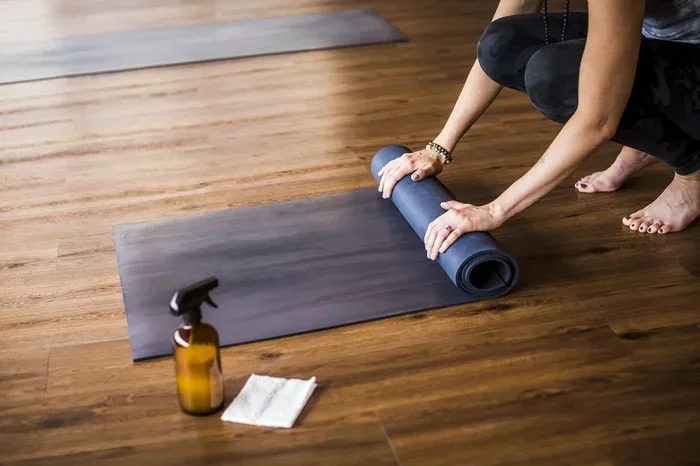
- Roll your mat with the top side facing out: This prevents creasing and keeps the surface flat.
- Clean your mat regularly: Wipe it down with a mild cleaner after each use to remove sweat and bacteria.
- Store it in a cool, dry place: Heat and humidity can degrade the material over time.
- Replace when needed: A worn-out mat loses its grip and cushioning. Most mats last 1 to 3 years with regular use.
If you are wondering when it is time for a new mat, our guide on how often you should get a new yoga mat has helpful signs to watch for.
Final Thoughts
Choosing the right yoga mat length is one of the simplest but most important decisions you can make for your practice. A well-fitted mat supports your body, improves your alignment, and makes every session more enjoyable. Whether you choose a standard 68-inch mat or go for an extra-long 78-inch option, the key is to match the mat to your body and your style of practice.
Measure your height, add a few inches, consider your practice style, and test the mat whenever possible. These small steps make a big difference. Your yoga mat is more than just a piece of equipment. It is your personal space for movement, mindfulness, and growth.
Take the time to find the right fit. Your body will thank you in every pose, every breath, and every session. The perfect mat is out there, and now you have the knowledge to find it.
Frequently Asked Questions
What is the standard yoga mat length?
The standard yoga mat length is 68 inches (173 cm). This size fits most practitioners under 5 feet 8 inches tall comfortably. It provides enough room for your head and feet to have a few inches of space on each end.
How long should a yoga mat be for someone over 6 feet tall?
If you are over 6 feet tall, a 72-inch or 78-inch mat is recommended. A standard 68-inch mat will likely feel too short, leaving your feet or hands hanging off the edge during poses. An extra-long mat ensures full body support and comfort.
Does yoga mat length affect performance?
Yes, mat length can affect your performance and comfort. A mat that is too short restricts your movement and can throw off your alignment. A properly sized mat gives you the freedom to move through poses with confidence and stability.
Can I use a longer yoga mat even if I am short?
Absolutely. There is no rule that says shorter people cannot use longer mats. Some people prefer the extra space for spreading out during restorative or Yin yoga. A longer mat simply offers more room, which can be a benefit for any body type.
What is the difference between a standard and extra-long yoga mat?
A standard yoga mat is 68 inches long, while an extra-long mat ranges from 72 inches to 84 inches. The extra length is designed for taller practitioners or anyone who wants more personal space on their mat. The trade-off is that longer mats are heavier and bulkier.
How do I know if my yoga mat is the right length?
Lie down on the mat with your arms extended overhead. Your feet should not touch the end of the mat, and your head should have a few inches of space in front of it. If both are true, the mat is the right length for you. This simple test is the best way to confirm proper yoga mat fit at home or in a store.