Are Pilates and Yoga Mats the Same 2
Are Pilates and yoga mats the same? Not exactly. While they look similar, pilates mats and yoga mats differ in thickness, grip, and design purpose. Understanding these differences helps you pick the right mat for your workouts and avoid discomfort or injury.
Key Takeaways
- Different purposes: Pilates mats are designed for floor-based core work, while yoga mats focus on standing and seated poses.
- Thickness matters: Pilates mats are typically thinner to offer better ground feedback, whereas yoga mats provide more cushioning.
- Material differences: Each mat type uses specific materials suited to its intended exercise style and sweat levels.
- Grip and traction: Yoga mats often prioritize non-slip grip, while pilates mats emphasize stability and control.
- You can use one for both: Many people use a yoga mat for pilates and vice versa, but a dedicated mat enhances performance.
📑 Table of Contents
- Are Pilates and Yoga Mats the Same? Let’s Find Out
- Why Does It Matter Whether the Mats Are Different?
- Key Differences Between Pilates and Yoga Mats
- Can You Use a Yoga Mat for Pilates?
- What to Look For When Buying a Pilates Mat
- Common Mistakes People Make When Choosing Mats
- Expert Insights on Mat Selection
- Are Pilates and Yoga Mats the Same: A Final Comparison
- Final Thoughts: Are Pilates and Yoga Mats the Same?
- Frequently Asked Questions
- Conclusion
Are Pilates and Yoga Mats the Same? Let’s Find Out
If you walk into any fitness store, you will notice yoga mats and pilates mats sitting side by side. They look almost identical at first glance. Both are long, flat, and designed for floor work. So it is natural to wonder: are pilates and yoga mats the same?
The short answer is no. While they share some similarities, there are real differences in thickness, material, grip, and intended use. Understanding these differences can save you from buying the wrong mat. It can also improve your comfort and performance during workouts.
In this article, we will break down every major difference. We will help you choose the right mat whether you practice yoga, pilates, or both.
Why Does It Matter Whether the Mats Are Different?
You might think a mat is just a mat. But the truth is, your mat affects your balance, joint support, and even your body alignment. Using the wrong type can make exercises feel awkward or even lead to discomfort.
For example, doing pilates on a thick, soft yoga mat can reduce your connection to the floor. This matters a lot during core exercises where stability is everything. On the other hand, standing yoga poses on a thin pilates mat may not cushion your knees and ankles enough.
That is why knowing the difference between a yoga mat and a pilates mat matters more than most people realize.
Quick Tip
Always consider your primary exercise style before buying a mat. If you do both yoga and pilates, look for a versatile middle-ground option. We will cover that later in this guide.
Key Differences Between Pilates and Yoga Mats
Let us get into the real differences. These are the main areas where pilates exercise mats and yoga mats diverge.
Thickness and Cushioning
This is the biggest difference. Yoga mats are typically thicker, ranging from 5mm to 6mm or more. The extra cushioning protects your joints during kneeling and seated poses. It also adds comfort during standing balance work.
Pilates mats are usually thinner, often between 3mm and 4mm. The thinner design gives you better feedback from the ground. During pilates, you often press your spine and hips into the floor. A thinner mat helps you feel the ground more accurately, which improves your core engagement and form.
Here is a simple comparison table:
- Yoga mat thickness: 5mm to 6mm (sometimes up to 8mm)
- Pilates mat thickness: 3mm to 4mm (sometimes up to 5mm)
- Best for joint comfort: Yoga mat
- Best for floor feedback: Pilates mat
Material and Build Quality
Both mat types come in a range of materials. Common options include PVC, TPE, cork, and natural rubber. However, the choice of material often differs based on the exercise style.
Yoga mats tend to prioritize non-slip grip and sweat resistance. Hot yoga, for example, requires mats that handle moisture well. You can explore more about this in our guide on the best yoga mats for hot yoga.
Pilates mats often focus on durability and floor protection. They need to handle repeated pressure from body weight and equipment like reformers. The material should resist denting and maintain shape over time.
Grip and Traction
Grip is another area where these mats differ. Yoga mats usually have a sticky or textured surface. This helps your hands and feet stay in place during sweaty sessions. A good non-slip surface is critical for poses like downward dog or warrior II.
Pilates mats prioritize a flat, stable surface. The focus is on preventing sliding during controlled movements rather than absorbing sweat. Some pilates mats have a smooth top with a non-skid base. This keeps the mat from shifting on the floor while you work.
Size and Dimensions
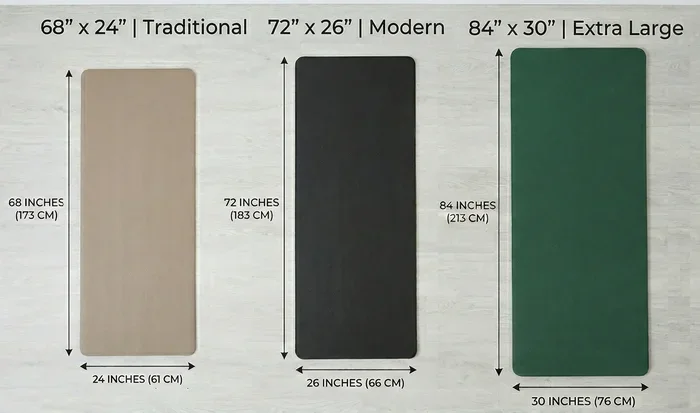
Standard yoga mats are usually around 68 inches long and 24 inches wide. This accommodates most body types for seated and standing poses. If you are taller, you may want a longer mat. You can read more about standard sizes in our article on the dimensions of a standard yoga mat.
Pilates mats are often a bit wider, sometimes 28 to 30 inches. The extra width gives you more room for side-lying exercises and leg work that is common in pilates routines.
Intended Use and Exercise Style
A yoga mat supports a wide range of movements. Think flowing sequences, held poses, stretches, and balance work. It is designed for both dynamic and static positions.
A pilates mat is built for floor-based pilates exercises. These include core work, leg lifts, spinal curls, and side-lying movements. The mat acts as a comfortable but responsive base for controlled, precise movements.
Can You Use a Yoga Mat for Pilates?
Yes, you absolutely can. Many people use a yoga mat for pilates workouts without any major issues. The extra cushioning might even feel nice during certain exercises. However, there are some trade-offs.
On a thick yoga mat, you may feel less stable during pilates core work. Your hips and spine might sink too much into the surface. This can reduce the effectiveness of exercises like the hundred or leg circles.
If you want to use a yoga mat for both disciplines, look for a medium-thickness option around 4.5mm to 5mm. This gives you enough cushion for yoga and decent feedback for pilates. You can also check out how thick a yoga mat should be for pilates for more detailed guidance.
What to Look For in a Dual-Purpose Mat
- Thickness: Around 4.5mm to 5mm
- Material: Non-slip PVC or TPE
- Size: At least 28 inches wide for added comfort
- Durability: Resists tearing and compression
- Easy to clean: Wipeable surface for sweat management
What to Look For When Buying a Pilates Mat
If you have decided to buy a dedicated pilates mat, here are the features you should focus on.
Choose the Right Thickness
Go with a mat between 3mm and 5mm. Thinner mats offer better feedback for floor work. If you have sensitive joints, you can go up to 5mm for a bit more padding without losing too much stability.
Prioritize Stability Over Grip
Unlike yoga, pilates does not require as much surface grip. What matters more is that the mat stays firmly in place on the floor. Look for mats with a non-skid base that grips the floor, not just the top surface.
Check the Material
High-density PVC and TPE are popular choices. They offer good support and last a long time. Eco-conscious buyers may prefer natural rubber or cork options, which also provide excellent joint support.
Consider Portability
If you take your mat to the gym, look for a lightweight option. Some pilates mats come with carrying straps. This makes transport much easier.
Quick Tips for Pilates Mat Buyers
- Always test the mat on a hard floor before committing
- Avoid overly soft mats that compress too easily
- Look for sweat resistance if you train in warm environments
- Read reviews for long-term durability feedback
Common Mistakes People Make When Choosing Mats
Even experienced fitness enthusiasts make mistakes when picking between a yoga mat and a pilates mat. Here are the most common ones to avoid.
Choosing Based on Price Alone
A cheaper mat might save you money upfront. But it could wear out quickly or offer poor cushioning. Invest in a mat that fits your specific needs rather than just grabbing the cheapest option.
Ignoring the Purpose
Buying a thick, squishy yoga mat for intense pilates work is a common error. The mat absorbs too much energy, and your exercises lose effectiveness. Always match the mat to the activity.
Overlooking Maintenance
Both yoga and pilates mats need regular cleaning. Sweat, dirt, and bacteria build up over time. Many people do not realize how important it is to wash their mat. If you are unsure about cleaning methods, check our articles on washing yoga mats for helpful tips that apply to most mat types.
Assuming All Mats Are Universal
Not every mat works for every exercise. Some mats are designed specifically for hot environments. Others are built for travel. Understanding your primary use case prevents buyer’s remorse.
Expert Insights on Mat Selection
We asked certified pilates instructors and yoga teachers about their thoughts on mat differences. Here is what they had to say.
From Pilates Instructors
Most pilates experts agree that a thinner mat is better for learning proper form. “A thick mat masks bad habits,” says one instructor. “You need to feel the floor to know if your hips are level or if your spine is properly aligned.” This insight highlights why body alignment is so important during floor work.
From Yoga Teachers
Yoga teachers generally recommend thicker mats for joint protection. “Knees, wrists, and ankles take a beating in yoga,” one teacher explained. “A good cushion makes poses accessible for beginners and reduces injury risk.” This is especially relevant for those exploring yoga practice at home.
The Middle Ground
For people who do both, experts suggest a 5mm mat with a non-slip surface. It is not perfect for either discipline, but it works well enough for casual practitioners. If you train seriously in one, consider investing in a dedicated mat.
Are Pilates and Yoga Mats the Same: A Final Comparison
Let us bring everything together in one clear overview.
At a Glance
- Pilates mat: Thinner, stable, designed for controlled floor work and core exercises
- Yoga mat: Thicker, cushioned, designed for varied poses and joint protection
- Materials: Overlap in PVC, TPE, and rubber, but different priorities in grip vs. feedback
- Best use: Pilates for core and strength work, yoga for flexibility and balance
- Can you use one for both? Yes, but with some compromise in performance
Final Thoughts: Are Pilates and Yoga Mats the Same?
So, are pilates and yoga mats the same? They are not. While they serve a similar purpose as floor exercise surfaces, the differences in thickness, grip, material focus, and intended use set them apart. A yoga mat is your best friend for flexibility and balance work. A pilates mat excels during core-focused, controlled movements.
That said, you do not need both if you practice one discipline. A quality yoga mat can handle light pilates, and a thinner pilates mat can work for gentle yoga. The key is understanding what each mat offers and choosing based on your actual needs.
Take your time when shopping. Read reviews, test the mat if possible, and always prioritize quality over price. The right mat will support your fitness mat journey for years to come.
Frequently Asked Questions
Are Pilates and Yoga Mats the Same?
No, they are not exactly the same. Pilates mats are usually thinner and designed for floor-based core work. Yoga mats are thicker and focus on cushioning for various poses. The differences in grip, material, and purpose set them apart.
Can I use a yoga mat for pilates?
Yes, you can use a yoga mat for pilates. However, a thick yoga mat may reduce your stability during core exercises. If you want to use one mat for both, choose a medium-thickness option around 4.5mm to 5mm.
What thickness is best for a pilates mat?
The best thickness for a pilates mat is between 3mm and 5mm. Thinner mats give better feedback for floor work and help with body alignment. If you have sensitive joints, going up to 5mm adds a bit of cushioning without losing stability.
Do yoga and pilates mats use different materials?
They can use similar materials like PVC, TPE, and rubber. However, yoga mats often emphasize non-slip grip and sweat resistance. Pilates mats focus more on durability and floor stability. The material choice depends more on the intended use than the label.
Is a thicker mat better for exercise?
Not necessarily. A thicker mat offers more cushioning, which is great for yoga and joint protection. But for pilates, a thinner mat provides better ground feedback and helps you maintain proper form. The best thickness depends on your specific exercise style.
How do I clean my exercise mat?
Most exercise mats can be wiped down with a damp cloth and mild soap. Some are machine washable, depending on the material. For detailed guidance on cleaning your mat, check our articles on washing yoga mats in the washing machine. Regular cleaning keeps your mat hygienic and extends its lifespan.
Conclusion
Understanding are pilates and yoga mats the same helps you make a smarter purchase. These mats may look similar on the surface, but they serve different needs. Thickness, grip, material, and intended use all play a role in choosing the right one.
If you practice yoga, invest in a cushioned, non-slip yoga mat. If pilates is your thing, go for a thinner, stable mat that supports controlled movements. And if you do both, a versatile mid-range mat can cover your bases.
The right mat improves your comfort, supports your joints, and enhances your overall workout experience. Take the time to choose wisely, and your future self will thank you every time you unroll that mat.