Does the Elliptical Build Muscle in Your Legs
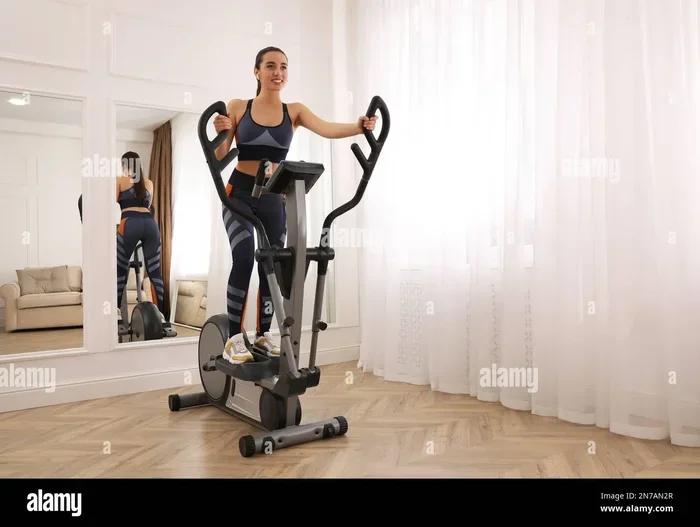
The elliptical can definitely contribute to leg muscle development, especially when used with the right resistance and technique. It targets key muscle groups like your quads, hamstrings, glutes, and calves. While it won’t replace heavy weight training, the elliptical offers a low-impact way to tone and strengthen your lower body over time.
Have you ever hopped on an elliptical machine and wondered if it’s actually doing anything for your legs? Maybe you’ve seen people at the gym grinding away on one and thought, “Is this really building muscle?” You’re not alone. This is one of the most common questions fitness beginners ask, and it’s a great one to answer.
The truth is, your legs go through a lot during an elliptical workout. Your quadriceps, hamstrings, glutes, and even your calf muscles all get involved. But does that mean the elliptical truly builds muscle? Let’s break it all down and find out exactly what’s happening below the waist when you step on that machine.
If you want to know how the elliptical affects your entire body, check out our guide on what does the elliptical machine do for your body. It covers the full picture of how this popular cardio machine impacts your physique.
Key Takeaways
- Ellipticals engage multiple leg muscles: Your quads, hamstrings, glutes, and calves all work during an elliptical session.
- Resistance settings matter: Higher resistance levels on the elliptical increase muscle activation and promote toning.
- It’s low-impact: Unlike running, the elliptical builds leg strength without stressing your joints.
- Muscle toning vs. bulking: The elliptical is better for toning than building large muscle mass.
- Consistency is key: Regular elliptical workouts combined with proper nutrition lead to visible leg muscle changes.
- Combine with other exercises: Pairing elliptical sessions with strength training maximizes leg muscle growth.
📑 Table of Contents
- How the Elliptical Works Your Leg Muscles
- Elliptical vs. Other Leg Exercises for Muscle Building
- Can the Elliptical Really Build Leg Muscle?
- Common Mistakes That Limit Leg Muscle Growth on the Elliptical
- Expert Tips for Maximizing Leg Muscle Growth on the Elliptical
- Does the Elliptical Burn Enough Calories to Support Muscle Growth?
- Final Thoughts
How the Elliptical Works Your Leg Muscles
The elliptical machine mimics the motion of walking, running, and climbing stairs — but without the jarring impact. This makes it a fantastic option for people who want to build lower body strength while protecting their joints. The smooth, gliding motion engages your muscles in a continuous cycle that keeps tension on your leg muscles throughout the workout.
When you push down on the pedal, your quadriceps and calf muscles do most of the heavy lifting. When you pull back up, your hamstrings and glutes kick in. This means you’re getting a balanced workout that targets both the front and back of your legs. It’s one of the reasons the elliptical is so popular for leg toning.
The Role of Resistance in Muscle Building
Here’s something many people miss. The elliptical has adjustable resistance levels, and this is where the magic happens for muscle building. When you keep the resistance low, your legs mostly work on muscle endurance. You’re burning calories and improving stamina, but the muscle-building effect is limited.
But when you crank up the resistance, everything changes. Higher resistance forces your leg muscles to work harder against the pedals. This increased muscle activation leads to more strength development and better toning. Think of it like this: low resistance is like a light walk, while high resistance is like walking uphill. Both are good, but only one really challenges your muscles.
Which Leg Muscles Get the Most Action?
Not all leg muscles work equally on the elliptical. Some get more action than others depending on your stride, posture, and resistance level. Here’s a quick breakdown of what each muscle group does:
- Quadriceps: These front thigh muscles power the push-down phase of every stride. They’re the primary movers on the elliptical.
- Hamstrings: Located at the back of your thigh, they fire when you pull the pedal back up. They help balance your leg development.
- Glutes: Your butt muscles engage most when you increase resistance or lean slightly forward. They’re key for lower body strength.
- Calves: Your calf muscles stabilize your ankles and push you through the final part of each step.
- Hip Flexors: These smaller muscles help lift your legs and keep your stride smooth.
For a deeper look at exactly which body parts the elliptical targets, you might want to read our article on what parts of your body does the elliptical work. It gives a detailed breakdown of every muscle group involved.
Elliptical vs. Other Leg Exercises for Muscle Building
The elliptical is a great tool, but it’s not the only way to build leg muscle. Let’s compare it to some other popular exercises so you can see where it fits in your routine.
| Exercise | Muscle Building | Impact on Joints | Calorie Burn |
|---|---|---|---|
| Elliptical | Moderate toning | Very low | High |
| Squats | High | Moderate | Moderate |
| Lunges | High | Moderate | Moderate |
| Running | Low to moderate | High | Very high |
| Leg Press | Very high | Low | Low |
As you can see, the elliptical sits in a sweet spot. It builds more muscle than running but less than heavy squats or leg presses. The real advantage of the elliptical is that it combines cardio exercise with muscle toning in one session. You can’t say that about most weight machines.
For those curious about how the elliptical compares to the treadmill specifically for leg toning, we’ve got a detailed comparison in our article is the elliptical or treadmill better for toning legs. It’s a must-read if leg shaping is your goal.
Can the Elliptical Really Build Leg Muscle?
This is where things get nuanced. The short answer is yes, but with some important caveats. The elliptical can build muscle, but it’s better at muscle toning than creating large, bulky muscles. If your goal is to get leaner, more defined legs, the elliptical is a solid choice. If your goal is to become a bodybuilder, you’ll need to add heavier resistance training to your routine.
The key factor is how you use the machine. A casual 20-minute session at a comfortable pace will do wonders for your heart health and calorie burn. But if you want muscle-building results, you need to push yourself. Increase the resistance, try interval training, and focus on engaging your leg muscles deliberately with each stride.
How Long Does It Take to See Results?
Most people start noticing changes in their leg muscles after about 4 to 6 weeks of consistent elliptical training. But “results” means different things depending on your goals. You might see better muscle definition before you see noticeable size changes. That’s because the elliptical tends to tone and shape muscles before it significantly increases their mass.
To speed up results, try these tips:
- Increase resistance gradually: Don’t jump to the highest level. Build up over weeks to avoid injury.
- Try interval training: Alternate between high and low intensity to maximize muscle engagement.
- Focus on form: Stand up straight and push through your heels for maximum muscle activation.
- Train consistently: Aim for at least 3 to 4 sessions per week for visible muscle changes.
- Eat enough protein: Muscle repair and growth need proper nutrition, especially protein.
Common Mistakes That Limit Leg Muscle Growth on the Elliptical
Many people use the elliptical in ways that limit their muscle-building potential. Here are the most common mistakes to avoid:
Holding onto the handles too tightly. This reduces the workload on your legs and shifts effort to your arms. Let go a bit and let your legs do the work.
Using the same resistance every time. Your muscles adapt quickly. If you never change the resistance, your legs won’t be challenged enough to grow.
Slouching or leaning back. Poor posture shifts the work away from your glutes and hamstrings. Standing tall engages more muscles and produces better results.
Skipping warm-ups. Cold muscles don’t perform as well and are more prone to injury. Take five minutes to warm up before jumping on.
Only doing long, slow sessions. While steady-state cardio is great for endurance, it doesn’t challenge your muscles enough for growth. Mix in some high-intensity intervals.
Expert Tips for Maximizing Leg Muscle Growth on the Elliptical
Want to get the most out of your elliptical sessions for leg muscle development? Here’s what the experts recommend:
1. Use reverse motion. Most ellipticals let you pedal backward. This targets your hamstrings and calves differently and adds variety to your workout. It’s a simple trick that makes a real difference.
2. Stand on your toes occasionally. Lifting your heels shifts more work to your calf muscles. Try doing short bursts of toe-focused pedaling during your session.
3. Increase the incline if your machine has one. An incline setting simulates hill climbing and puts extra emphasis on your glutes and quads. This is one of the best ways to boost lower body strength on the elliptical.
4. Combine with strength training. The elliptical alone won’t build massive leg muscles. Pair it with squats, lunges, and leg presses for the best results. The elliptical keeps your cardiovascular fitness high while the weights add bulk and strength.
5. Track your progress. Keep a log of your resistance levels, workout duration, and how your legs feel. This helps you see improvements over time and stay motivated.
Does the Elliptical Burn Enough Calories to Support Muscle Growth?
Calorie burn plays a role in muscle building because your body needs energy to repair and grow muscle tissue. The elliptical is an excellent calorie burner. Depending on your weight and intensity level, you can burn anywhere from 300 to 600 calories in a 30-minute session. That’s a significant number that supports your overall fitness goals.
If you’re curious about the specific calorie burn, our article on how many calories does elliptical burn in 30 minutes breaks it down by body weight and intensity.
The key is balancing calorie burn with calorie intake. If you eat too few calories, your body won’t have the fuel it needs to build muscle. If you eat too many, you’ll gain fat instead of muscle. Aim for a slight caloric surplus with plenty of protein to support muscle growth while using the elliptical regularly.
Final Thoughts
So, does the elliptical build muscle in your legs? Yes, it absolutely can. While it’s not going to replace your squat rack, it’s a powerful tool for toning and strengthening your lower body. The elliptical targets your quads, hamstrings, glutes, and calves in a smooth, low-impact motion that’s easy on your joints.
The secret is in how you use it. Crank up the resistance, try interval training, focus on your form, and stay consistent. Pair your elliptical sessions with proper nutrition and some strength training, and you’ll be amazed at the changes in your legs over time.
Remember, the elliptical is a versatile machine that does more than just burn calories. It’s a legitimate tool for leg muscle development and lower body toning. Whether you’re a beginner or a seasoned gym-goer, the elliptical has a place in your fitness routine.
Start today, stay consistent, and give your legs the workout they deserve. Your future self will thank you.
Frequently Asked Questions
Does the elliptical build muscle in your legs?
Yes, the elliptical can build and tone leg muscles, especially when you use higher resistance levels and maintain consistent workouts. It targets your quads, hamstrings, glutes, and calves through its smooth, gliding motion.
How long does it take to see leg muscle results from the elliptical?
Most people notice visible changes in leg muscle tone and definition within 4 to 6 weeks of regular elliptical training. Results vary based on your resistance settings, workout frequency, and overall fitness level.
Is the elliptical better than running for building leg muscle?
The elliptical is generally better for building leg muscle than running because it provides resistance while being low-impact. Running primarily builds endurance, while the elliptical can focus more on muscle toning and strength when resistance is increased.
Can the elliptical make your legs bigger?
The elliptical is more likely to tone and shape your legs than make them significantly bigger. For substantial muscle growth, you would need to combine elliptical training with heavy strength exercises like squats and leg presses.
Should I use high or low resistance on the elliptical for muscle building?
For muscle building and toning, use moderate to high resistance on the elliptical. Low resistance is better for endurance and warm-ups, while higher resistance increases muscle activation and promotes strength development in your legs.
How often should I use the elliptical to build leg muscle?
Aim for 3 to 5 elliptical sessions per week, lasting 30 to 45 minutes each. Combine these sessions with strength training exercises and adequate protein intake for the best leg muscle building results.