What Does an Exercise Bike Do for You

So what does an exercise bike do for you? It delivers a powerful low-impact cardio workout that strengthens your legs, burns calories, and boosts heart health — all from the comfort of home. Whether you are a beginner or a seasoned fitness lover, an exercise bike offers real, measurable results for your body and mind.
Have you ever wondered what an exercise bike does for you beyond just making you sweat? The answer goes way deeper than burning a few calories. A stationary bike workout can transform your body from the inside out. It strengthens your heart, tones your legs, lifts your mood, and fits seamlessly into your daily routine.
Whether you are just starting your fitness journey or you are looking for a joint-friendly way to stay active, an exercise bike delivers real results. In this guide, we will break down exactly what an exercise bike does for your body, why it works so well, and how you can use it to reach your goals.
Key Takeaways
- Full-Body Cardio: An exercise bike gets your heart pumping and improves overall cardiovascular health without stressing your joints.
- Weight Loss Power: Regular sessions help you burn significant calories and support healthy fat loss, especially around the midsection.
- Leg Strength Builder: Cycling targets your quads, hamstrings, glutes, and calves for toned, stronger lower body muscles.
- Mental Health Boost: Riding reduces stress, anxiety, and improves mood through endorphin release.
- Joint-Friendly: It is one of the safest cardio machines for people with joint issues or those recovering from injury.
- Easy to Use at Home: No gym membership needed. A stationary bike fits into any lifestyle and schedule.
- Customizable Workouts: You control the resistance, duration, and intensity to match your fitness level.
📑 Table of Contents
What Does an Exercise Bike Do for You
At its core, an exercise bike gives you a low-impact cardiovascular workout. That means it trains your heart and lungs without pounding your knees, ankles, or hips. This makes it one of the safest and most accessible forms of indoor exercise available.
When you pedal, you engage multiple muscle groups at once. Your legs do the heavy lifting, but your core, arms, and back also chip in to keep you stable. The result is a full-body aerobic exercise that builds endurance, improves circulation, and torches calories.
Here is what makes the exercise bike so effective:
- It raises your heart rate quickly and keeps it elevated
- It burns calories without joint stress
- It works your lower body muscles deeply
- It fits into any fitness level or schedule
- It can be done indoors, rain or shine
If you have ever asked yourself, what does an exercise bike do for your body, the short answer is: it does a lot. From improving your heart health to helping you shed extra weight, the benefits are backed by science and real-world results.
The Physical Health Benefits
Heart Health and Cardiovascular Fitness
Your heart is a muscle, and like any muscle, it gets stronger with exercise. Riding an exercise bike is one of the best ways to give your heart a steady, effective workout. Over time, this cardio training lowers your resting heart rate, reduces blood pressure, and improves blood flow throughout your body.
Studies show that regular cycling can significantly reduce your risk of heart disease and stroke. Even 20 to 30 minutes a day on a stationary bike can make a measurable difference. The beauty of indoor cycling is that you control the pace, so you can start slow and build up gradually.
Leg Strength and Muscle Toning
When you push the pedals down, you activate your quadriceps, hamstrings, glutes, and calves. Pulling the pedal back engages your hip flexors. This full range of motion builds lean muscle and shapes your lower body over time.
Here are the main muscles worked during a cycling session:
- Quadriceps — the front of your thighs
- Hamstrings — the back of your thighs
- Glutes — your buttocks and hips
- Calves — the lower part of your legs
- Core muscles — your abs and lower back for stability
Unlike heavy weightlifting, cycling builds strength in a way that is gentle on your joints. This makes it ideal for people who want to tone up without the risk of injury. For more on how cycling targets your body, check out what does an exercise bike do for your body.
Joint Health and Low-Impact Exercise
One of the biggest advantages of an exercise bike is that it is joint-friendly. Running on a treadmill or doing jumping exercises puts a lot of stress on your knees and ankles. A stationary bike eliminates that impact almost entirely.
This is why physical therapists often recommend cycling for people recovering from knee surgery or dealing with arthritis. You get the benefits of a vigorous workout without the wear and tear on your joints. It is truly one of the most forgiving forms of exercise you can do.
How It Helps With Weight Loss
Many people turn to an exercise bike because they want to lose weight. And it works. Cycling is a proven calorie-burning activity that can support healthy fat loss when combined with a balanced diet.
How Many Calories Can You Burn?
The number of calories you burn depends on your weight, intensity level, and workout duration. On average, a moderate cycling session burns between 400 and 600 calories per hour. A more intense session can push that number even higher.
Here is a quick comparison of calorie burn for a 155-pound person:
| Activity | Calories Burned (30 min) |
|---|---|
| Light cycling | 200-260 |
| Moderate cycling | 300-400 |
| Vigorous cycling | 400-500+ |
Over time, these calories add up. Consistent cycling sessions create the calorie deficit your body needs to burn stored fat. For more details on how an exercise bike supports weight loss, read does riding an exercise bike help you lose weight.
Does an Exercise Bike Help Lose Belly Fat?
Spot reduction is a myth. You cannot target fat loss in just one area of your body. However, cycling is a highly effective way to burn overall body fat, including the fat around your midsection. As you lose weight through consistent exercise and healthy eating, your belly will shrink along with the rest of your body.
For more on this topic, see does an exercise bike help you lose belly fat. The key is consistency. Short, daily rides often beat occasional long sessions.
Mental and Emotional Benefits
Exercise is not just about your body. It is equally powerful for your mind, and an exercise bike is no exception.
Stress Relief and Mood Boost
When you pedal, your brain releases endorphins — the feel-good chemicals that naturally reduce stress and boost your mood. Many people find that a 20-minute ride on an exercise bike melts away the tension of a long day at work.
Regular indoor cycling has been linked to reduced symptoms of anxiety and depression. It gives you a mental break, a sense of accomplishment, and a healthy way to manage daily stress. You do not even need to leave your house to feel better.
Better Sleep Quality
Studies show that people who engage in regular moderate exercise sleep better at night. A steady cycling routine can help you fall asleep faster and enjoy deeper, more restorative sleep. Just avoid intense sessions right before bed, as they can have the opposite effect.
Confidence and Self-Esteem
As you stick with your exercise bike routine, you will notice real changes. Your legs will get stronger. Your endurance will improve. You will fit into your clothes better. These physical changes translate into a real boost in confidence and self-esteem.
Who Can Benefit From an Exercise Bike
One of the best things about an exercise bike is its versatility. Almost anyone can use one, regardless of age or fitness level.
Beginners
If you are new to exercise, an exercise bike is one of the easiest machines to start with. You can begin with a gentle resistance level and short sessions. As your fitness improves, you can increase the intensity, duration, or resistance to keep challenging yourself.
Older Adults
For seniors, maintaining mobility and cardiovascular health is essential. An exercise bike provides a safe, stable platform for staying active. It strengthens the legs, improves balance, and supports heart health without the risk of falls or high-impact injuries.
People Recovering from Injury
After an injury or surgery, getting back into shape can feel intimidating. An exercise bike allows you to rebuild strength gradually in a controlled environment. It is no coincidence that many rehabilitation programs include stationary cycling as a core component.
For more on who can safely use an exercise bike, check out what does a stationary bike do for your body.
Tips for Maximizing Your Results
Want to get the most out of every ride? Here are some practical tips that make a real difference.
- Set a consistent schedule. Aim for at least 3 to 5 sessions per week. Consistency beats intensity every time.
- Vary your resistance. Mix easy rides with challenging intervals to keep your body adapting and growing stronger.
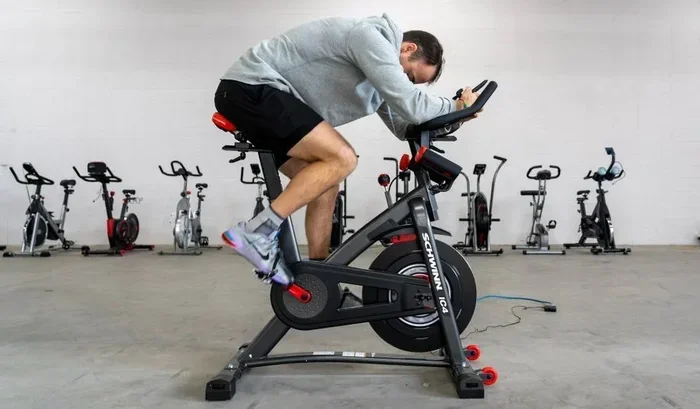
- Focus on your posture. Sit up straight, engage your core, and keep your shoulders relaxed. Good form prevents injury and maximizes muscle engagement.
- Track your progress. Use the built-in monitor on your bike or a fitness app to track distance, calories, and time. Seeing improvement keeps you motivated.
- Stay hydrated. Drink water before, during, and after your ride, even if the session is short.
- Combine with strength training. For the best results, pair your cycling with bodyweight exercises or light weights 2 to 3 times per week.
Quick Tips
- Keep your seat height so your knee has a slight bend at the bottom of the pedal stroke
- Use your upper body lightly — do not lean heavily on the handlebars
- Try a 5-minute warm-up before every ride to prepare your muscles
- Cool down with 5 minutes of easy pedaling at the end of each session
Common Mistakes to Avoid
Even with the best intentions, some mistakes can hold you back. Here is what to watch out for.
- Skipping warm-ups. Jumping straight into a hard ride increases your risk of muscle strain. Always start slow.
- Riding with too much resistance. Pushing against too much weight too soon can strain your knees. Build up gradually.
- Slouching on the bike. Poor posture leads to back pain and reduces the effectiveness of your workout.
- Doing the same workout every day. Your body adapts quickly. Mix up your routine to keep challenging yourself.
- Neglecting rest days. Rest is when your muscles recover and grow stronger. Take at least one or two days off per week.
Avoiding these simple mistakes will help you get better results faster and stay injury-free. For guidance on how long your sessions should be, see how long should you ride an exercise bike for.
Expert Insights
Fitness experts consistently rank the exercise bike as one of the top home workout machines. Why? Because it is effective, accessible, and sustainable. According to the American Heart Association, moderate-intensity cycling for at least 150 minutes per week can significantly improve your overall health and reduce the risk of chronic disease.
Dr. James Levine, a Mayo Clinic researcher, has noted that even light cycling throughout the day — such as during work or while watching TV — adds up to meaningful health benefits over time. The key is movement, and an exercise bike makes that movement easy and enjoyable.
The bottom line: An exercise bike is not just a piece of gym equipment. It is a tool for better health, a stronger body, and a clearer mind. Whether your goal is to lose weight, build endurance, or simply feel better every day, a regular ride on an exercise bike can help you get there.
Conclusion
So, what does an exercise bike do for you? It strengthens your heart, tones your legs, burns calories, lifts your mood, and protects your joints. It is one of the most effective, accessible, and enjoyable forms of exercise you can do at home.
You do not need fancy equipment or a gym membership. You just need a bike, a little time, and the willingness to start. The benefits of regular cycling compound over time, and every ride — no matter how short — moves you closer to your health and fitness goals.
Start today. Even 15 minutes on an exercise bike is better than zero minutes. Your body will thank you for it.
Frequently Asked Questions
What does an exercise bike do for your body?
An exercise bike provides a low-impact cardiovascular workout that strengthens your heart, tones your leg muscles, burns calories, and improves overall circulation. It also supports joint health, making it one of the safest forms of indoor exercise available.
How long should you ride an exercise bike for weight loss?
For weight loss, aim for at least 30 minutes of moderate cycling per session, 4 to 5 times per week. The exact duration depends on your fitness level and goals, but consistency is the most important factor. Check out our guide on how long you should ride an exercise bike for more details.
Can an exercise bike help you lose belly fat?
While you cannot spot-reduce fat, regular cycling burns overall body fat, including the area around your belly. Combined with a healthy diet and consistent routine, an exercise bike is an effective tool for reducing belly fat over time.
Is riding an exercise bike better than walking?
Both are excellent forms of exercise, but cycling typically burns more calories per minute and puts less stress on your joints. It is also easier to sustain for longer periods, which can lead to greater overall calorie burn and better cardiovascular results.
Can beginners use an exercise bike?
Absolutely. An exercise bike is one of the most beginner-friendly machines available. You can start with low resistance and short sessions, then gradually increase the intensity as your fitness improves. It is a perfect entry point for anyone new to exercise.
Does an exercise bike work your whole body?
While the primary muscles worked are in your legs and core, your upper body also engages to maintain balance and posture. For a more full-body workout, you can incorporate arm movements or use a bike with moving handlebars. Pairing cycling with strength training gives you the most complete results.